
Korean Gochujang Chicken Bites
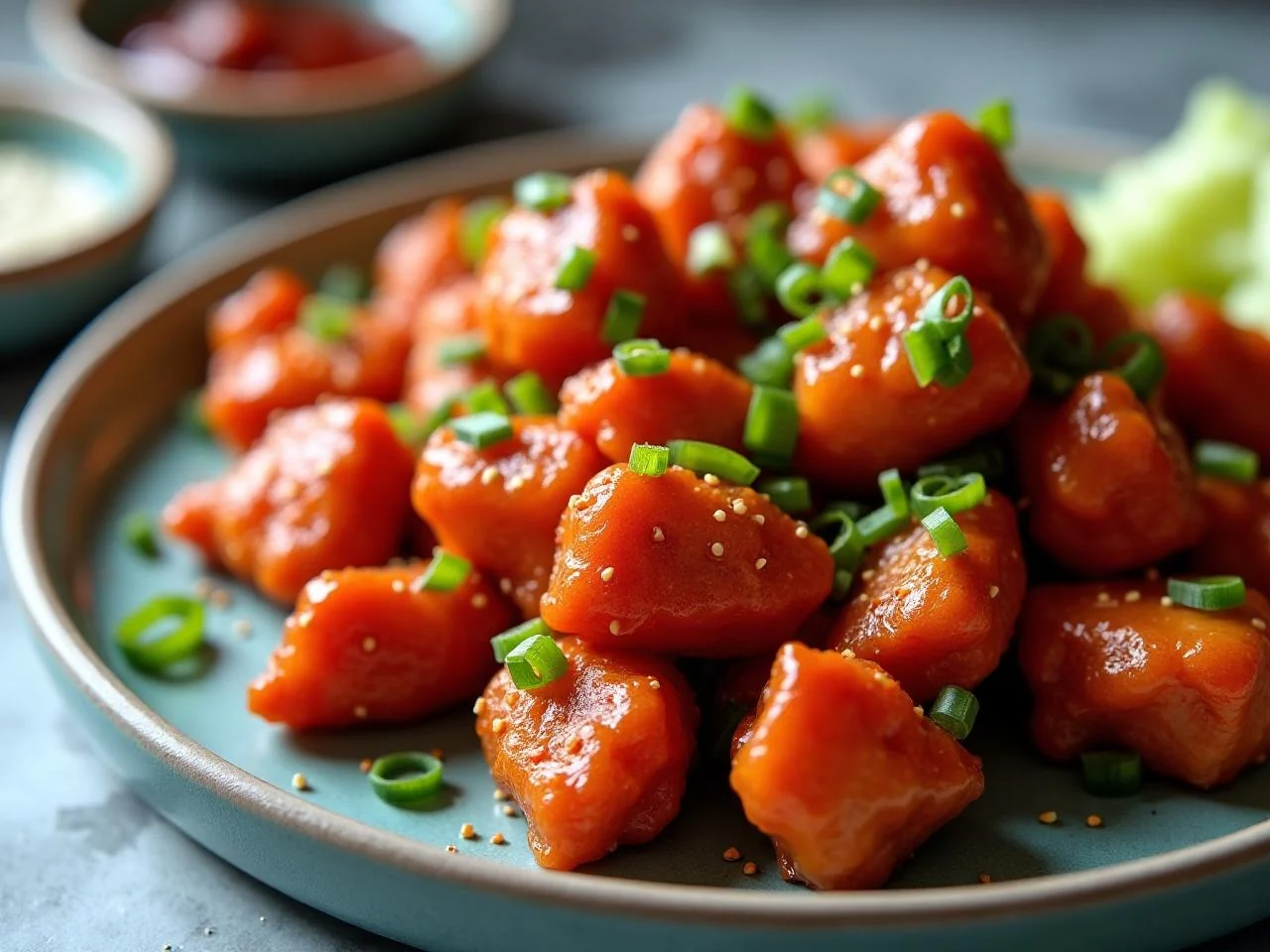
I still remember the first time I made Korean Gochujang Chicken Bites for my family - the combination of crispy exterior and juicy interior, all wrapped up in a sweet and spicy glaze, was an instant hit. It's a dish that's perfect for game night, or any night when you want to serve something that's both easy to make and impressive to your guests.
As a home cook, I love that this recipe is all about balance - the crunch of the chicken, the sticky sweetness of the glaze, and the freshness of the scallions all come together to create a dish that's greater than the sum of its parts. And the best part? It's incredibly easy to make, even for a beginner.
One of the things that sets Korean Gochujang Chicken Bites apart from other chicken recipes is the use of gochujang, a Korean chili paste that adds a deep, rich heat to the dish. Don't worry if you're not familiar with gochujang - it's easy to find in most grocery stores, and it's a great addition to your pantry if you like spicy food.
In this recipe, we'll walk through the steps to make Korean Gochujang Chicken Bites, from prep to finish. We'll cover the importance of using the right type of chicken, how to get the perfect crunch on the exterior, and how to balance the flavors in the glaze. By the end of this recipe, you'll be a pro at making Korean Gochujang Chicken Bites that will impress your family and friends.
So let's get started! Whether you're a seasoned cook or just starting out, this recipe is perfect for anyone who loves spicy food and wants to try something new and exciting.
Why You’ll Love This Recipe
- This recipe is easy to make and requires minimal ingredients.
- The dish is perfect for game night or any night when you want to serve something impressive.
- The combination of crispy exterior and juicy interior is a winner with both kids and adults.
- The recipe is highly customizable - you can adjust the level of heat to your liking, and add your own favorite toppings or seasonings.
- The dish is relatively healthy, with lean protein and plenty of vegetables.
- You can make the dish ahead of time and refrigerate or freeze it for later use.
- The recipe is perfect for crowds - you can easily double or triple the ingredients to feed a large group.
Why This Recipe Works
The key to making great Korean Gochujang Chicken Bites is all about balance - balancing the crunch of the chicken with the sticky sweetness of the glaze, and balancing the heat of the gochujang with the freshness of the scallions. To get this balance right, we need to understand the science behind the cooking process.
First, we need to talk about the importance of using the right type of chicken. For this recipe, we're using boneless, skinless chicken breast or thighs, cut into bite-sized pieces. This type of chicken is perfect for Korean Gochujang Chicken Bites because it's lean and tender, and it cooks quickly and evenly.
Next, we need to talk about the cooking process itself. To get the perfect crunch on the exterior of the chicken, we're using a combination of cornstarch and eggs to create a light, airy batter. This batter helps to seal in the juices of the chicken and creates a crispy exterior that's perfect for absorbing the glaze.
Finally, we need to talk about the glaze itself. The glaze is made with a combination of gochujang, soy sauce, brown sugar, garlic, and ginger, all of which come together to create a sweet and spicy sauce that's perfect for coating the chicken. By balancing the flavors in the glaze, we can create a dish that's both spicy and sweet, with a depth of flavor that's hard to resist.
Ingredients You’ll Need
To make Korean Gochujang Chicken Bites, you'll need a few key ingredients, including chicken, gochujang, soy sauce, brown sugar, garlic, and ginger. You'll also need some cornstarch and eggs to create the batter, and some vegetable oil to fry the chicken.
When shopping for ingredients, be sure to look for high-quality gochujang that's made with real chili peppers and has a deep, rich flavor. You can find gochujang in most grocery stores, or online if you can't find it in stores.
- 1 lb (450g) chicken breast or thighs, boneless and skinlessFor this recipe, we're using boneless, skinless chicken breast or thighs, cut into bite-sized pieces. This type of chicken is perfect for Korean Gochujang Chicken Bites because it's lean and tender, and it cooks quickly and evenly. You can also use a combination of breast and thighs if you prefer.
- 1/2 cup (60g) cornstarchThe cornstarch is used to create a light, airy batter that helps to seal in the juices of the chicken and creates a crispy exterior. You can also use flour or panko breadcrumbs if you prefer, but cornstarch is the best choice for this recipe.
- 2 eggsThe eggs are used to create the batter, and they help to add moisture and richness to the chicken. You can also use egg whites or egg yolks if you prefer, but whole eggs are the best choice for this recipe.
- 1/4 cup (60g) gochujangThe gochujang is the key ingredient in this recipe, and it's what gives the chicken its spicy, sweet flavor. Look for high-quality gochujang that's made with real chili peppers and has a deep, rich flavor. You can find gochujang in most grocery stores, or online if you can't find it in stores.
- 2 tbsp (30g) soy sauceThe soy sauce is used to add depth and umami flavor to the dish, and it helps to balance out the sweetness of the brown sugar. You can also use tamari or coconut aminos if you prefer, but soy sauce is the best choice for this recipe.
- 2 tbsp (30g) brown sugarThe brown sugar is used to add sweetness and richness to the dish, and it helps to balance out the heat of the gochujang. You can also use honey or maple syrup if you prefer, but brown sugar is the best choice for this recipe.
- 2 cloves garlic, mincedThe garlic is used to add flavor and aroma to the dish, and it helps to balance out the sweetness of the brown sugar. You can also use garlic powder or garlic salt if you prefer, but fresh garlic is the best choice for this recipe.
- 1 tsp (5g) grated gingerThe ginger is used to add flavor and aroma to the dish, and it helps to balance out the heat of the gochujang. You can also use ginger powder or ground ginger if you prefer, but fresh ginger is the best choice for this recipe.
- 1/2 tsp (2g) saltThe salt is used to add flavor and texture to the dish, and it helps to balance out the sweetness of the brown sugar. You can also use sea salt or kosher salt if you prefer, but table salt is the best choice for this recipe.
- 1/4 tsp (1g) black pepperThe black pepper is used to add flavor and texture to the dish, and it helps to balance out the heat of the gochujang. You can also use white pepper or green pepper if you prefer, but black pepper is the best choice for this recipe.
- 1/4 cup (60g) vegetable oilThe vegetable oil is used to fry the chicken, and it helps to create a crispy exterior and a juicy interior. You can also use peanut oil or avocado oil if you prefer, but vegetable oil is the best choice for this recipe.
- 1/4 cup (15g) chopped scallionsThe scallions are used to add flavor and texture to the dish, and they help to balance out the heat of the gochujang. You can also use green onions or chives if you prefer, but scallions are the best choice for this recipe.
- 2 tbsp (30g) sesame seedsThe sesame seeds are used to add flavor and texture to the dish, and they help to balance out the sweetness of the brown sugar. You can also use poppy seeds or chopped nuts if you prefer, but sesame seeds are the best choice for this recipe.
Equipment You’ll Need
How to Make Korean Gochujang Chicken Bites
- 1In a large bowl, whisk together the cornstarch, eggs, and a pinch of salt and pepper. The cornstarch and eggs will help to create a light, airy batter that seals in the juices of the chicken and creates a crispy exterior.
- 2Add the chicken to the bowl and toss to coat with the batter. Make sure the chicken is fully coated with the batter, but don't overcoat it - you want a light, even layer.
- 3Heat about 1/2 inch (1 cm) of vegetable oil in a large heavy skillet or wok over medium-high heat until it reaches 350 F (175 C). You can test the temperature by dropping a small piece of batter into the oil - if it sizzles and rises to the surface, the oil is ready.
- 4When the oil is hot, add the chicken to the skillet in batches and fry until golden and crispy, about 5-6 minutes per batch. You want to cook the chicken until it's fully cooked and the exterior is crispy and golden.
- 5Remove the chicken from the oil with a slotted spoon and place it on a paper towel-lined plate to drain excess oil. This will help to remove excess oil from the chicken and prevent it from becoming greasy.
- 6In a small bowl, whisk together the gochujang, soy sauce, brown sugar, garlic, and ginger. The gochujang will give the chicken its spicy, sweet flavor, while the soy sauce and brown sugar will add depth and richness to the dish.
- 7Add the cooked chicken to the bowl with the glaze and toss to coat. Make sure the chicken is fully coated with the glaze, but don't overcoat it - you want a light, even layer.
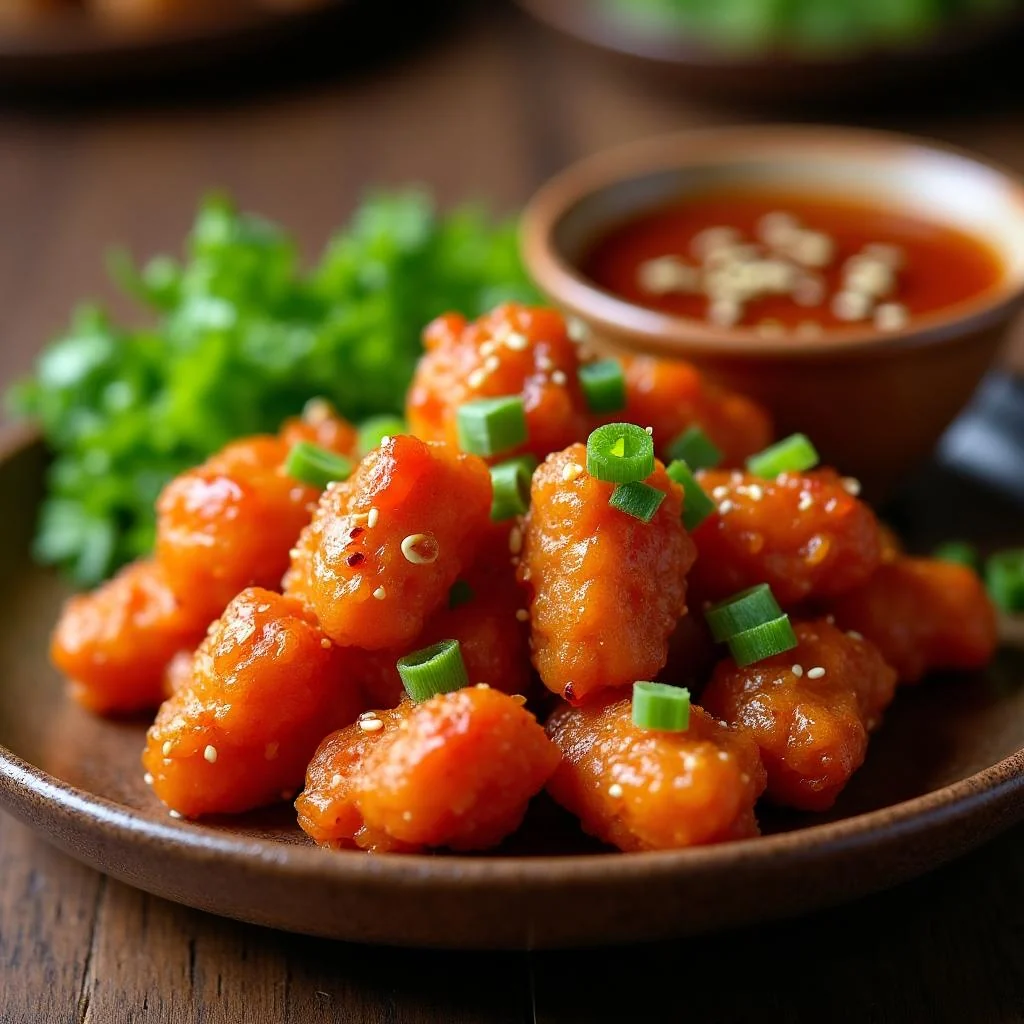
- 8Sprinkle the sesame seeds and chopped scallions over the top of the chicken and serve immediately. The sesame seeds and scallions will add flavor and texture to the dish, and help to balance out the heat of the gochujang.
- 9To serve, place the chicken on a platter or individual plates and garnish with additional scallions and sesame seeds if desired. You can also serve the chicken with your favorite sides, such as rice or noodles.
- 10To make ahead, prepare the chicken and glaze up to a day in advance and store them in separate containers in the refrigerator. Then, simply fry the chicken and toss it with the glaze when you're ready to serve.
- 11To freeze, prepare the chicken and glaze up to a day in advance, then place them in airtight containers or freezer bags and store them in the freezer for up to 3 months. Then, simply thaw the chicken and glaze overnight in the refrigerator, and fry the chicken and toss it with the glaze when you're ready to serve.
- 12To reheat, simply place the cooked chicken in a skillet or wok over medium heat and toss it with a little bit of oil until heated through. You can also reheat the chicken in the microwave or oven if you prefer.
- 13To add some extra flavor to the dish, you can also add some diced onions or bell peppers to the skillet with the chicken and cook until they're softened. This will add some extra flavor and texture to the dish, and help to balance out the heat of the gochujang.
Expert Tips
- To get the perfect crunch on the exterior of the chicken, make sure the oil is hot enough before adding the chicken. You can test the temperature by dropping a small piece of batter into the oil - if it sizzles and rises to the surface, the oil is ready.
- Don't overcoat the chicken with the batter - you want a light, even layer. This will help to prevent the chicken from becoming greasy or heavy.
- To balance out the heat of the gochujang, you can add a little bit of honey or sugar to the glaze. This will help to balance out the flavors and prevent the dish from becoming too spicy.
- To add some extra flavor to the dish, you can also add some diced onions or bell peppers to the skillet with the chicken and cook until they're softened. This will add some extra flavor and texture to the dish, and help to balance out the heat of the gochujang.
- To make the dish more substantial, you can serve it with some steamed vegetables or a side of rice or noodles. This will help to round out the meal and provide some extra nutrients.
- To make the dish more spicy, you can add a little bit of red pepper flakes or sriracha to the glaze. This will help to add some extra heat to the dish, and balance out the flavors.
- To make the dish more sweet, you can add a little bit of honey or sugar to the glaze. This will help to balance out the flavors and prevent the dish from becoming too spicy.
- To make the dish more savory, you can add a little bit of soy sauce or fish sauce to the glaze. This will help to add some extra depth and umami flavor to the dish, and balance out the flavors.
Common Mistakes to Avoid
- Not heating the oil to the right temperature before adding the chicken. This can cause the chicken to become greasy or heavy, and prevent it from cooking evenly.
- Overcoating the chicken with the batter. This can cause the chicken to become heavy or greasy, and prevent it from cooking evenly.
- Not balancing out the heat of the gochujang. This can cause the dish to become too spicy, and prevent it from being enjoyable.
- Not cooking the chicken to the right temperature. This can cause the chicken to become undercooked or overcooked, and prevent it from being safe to eat.
- Not letting the chicken rest before serving. This can cause the chicken to become dry or tough, and prevent it from being enjoyable.
- Not using the right type of oil. This can cause the chicken to become greasy or heavy, and prevent it from cooking evenly.
Variations and Substitutions
- To make the dish more spicy, you can add a little bit of red pepper flakes or sriracha to the glaze.
- To make the dish more sweet, you can add a little bit of honey or sugar to the glaze.
- To make the dish more savory, you can add a little bit of soy sauce or fish sauce to the glaze.
- To make the dish more substantial, you can serve it with some steamed vegetables or a side of rice or noodles.
- To make the dish more flavorful, you can add some diced onions or bell peppers to the skillet with the chicken and cook until they're softened.
- To make the dish more crispy, you can add a little bit of panko breadcrumbs or cornstarch to the batter.
- To make the dish more tender, you can marinate the chicken in some soy sauce or yogurt before cooking it.
What to Serve With Korean Gochujang Chicken Bites
Korean Gochujang Chicken Bites are perfect as an appetizer or snack, and they're also great as a main dish served with some steamed vegetables or a side of rice or noodles. You can also serve them with some kimchi or pickled ginger for a more authentic Korean flavor.
Some other ideas for serving Korean Gochujang Chicken Bites include:
Make-Ahead, Storage, Freezing and Reheating
To store Korean Gochujang Chicken Bites, you can place them in an airtight container in the refrigerator for up to 3 days. You can also freeze them for up to 3 months, and simply thaw them overnight in the refrigerator before reheating.
To reheat Korean Gochujang Chicken Bites, you can simply place them in a skillet or wok over medium heat and toss them with a little bit of oil until heated through. You can also reheat them in the microwave or oven if you prefer.
Some tips for storing and reheating Korean Gochujang Chicken Bites include:
Frequently Asked Questions
What is gochujang and where can I find it?
Gochujang is a Korean chili paste that's made from fermented soybeans and rice. You can find it in most grocery stores, or online if you can't find it in stores.
Can I make Korean Gochujang Chicken Bites ahead of time?
Yes, you can make Korean Gochujang Chicken Bites ahead of time and store them in the refrigerator or freezer for later use. Simply fry the chicken and toss it with the glaze when you're ready to serve.
Can I customize the level of heat in the dish?
Yes, you can customize the level of heat in the dish by adding more or less gochujang to the glaze. You can also add some red pepper flakes or sriracha to the glaze for extra heat.
Can I serve Korean Gochujang Chicken Bites as a main dish?
Yes, you can serve Korean Gochujang Chicken Bites as a main dish, especially if you serve them with some steamed vegetables or a side of rice or noodles.
Can I make Korean Gochujang Chicken Bites in the oven instead of on the stovetop?
Yes, you can make Korean Gochujang Chicken Bites in the oven instead of on the stovetop. Simply preheat your oven to 400 F (200 C), and bake the chicken for about 20-25 minutes, or until cooked through.
Can I add some extra ingredients to the dish, such as vegetables or nuts?
Yes, you can add some extra ingredients to the dish, such as vegetables or nuts. Some ideas include diced onions or bell peppers, chopped scallions or cilantro, or toasted nuts or seeds.
Can I make Korean Gochujang Chicken Bites for a crowd?
Yes, you can make Korean Gochujang Chicken Bites for a crowd. Simply multiply the ingredients and cook the chicken in batches if necessary.
Can I store Korean Gochujang Chicken Bites in the freezer for later use?
Yes, you can store Korean Gochujang Chicken Bites in the freezer for later use. Simply place them in an airtight container or freezer bag, and store them in the freezer for up to 3 months.
Ingredients
- 1 lb (450g) chicken breast or thighs, boneless and skinless
- 1/2 cup (60g) cornstarch
- 2 eggs
- 1/4 cup (60g) gochujang
- 2 tbsp (30g) soy sauce
- 2 tbsp (30g) brown sugar
- 2 cloves garlic, minced
- 1 tsp (5g) grated ginger
- 1/2 tsp (2g) salt
- 1/4 tsp (1g) black pepper
- 1/4 cup (60g) vegetable oil
- 1/4 cup (15g) chopped scallions
- 2 tbsp (30g) sesame seeds
Instructions
- In a large bowl, whisk together the cornstarch, eggs, and a pinch of salt and pepper. The cornstarch and eggs will help to create a light, airy batter that seals in the juices of the chicken and creates a crispy exterior.
- Add the chicken to the bowl and toss to coat with the batter. Make sure the chicken is fully coated with the batter, but don't overcoat it - you want a light, even layer.
- Heat about 1/2 inch (1 cm) of vegetable oil in a large heavy skillet or wok over medium-high heat until it reaches 350 F (175 C). You can test the temperature by dropping a small piece of batter into the oil - if it sizzles and rises to the surface, the oil is ready.
- When the oil is hot, add the chicken to the skillet in batches and fry until golden and crispy, about 5-6 minutes per batch. You want to cook the chicken until it's fully cooked and the exterior is crispy and golden.
- Remove the chicken from the oil with a slotted spoon and place it on a paper towel-lined plate to drain excess oil. This will help to remove excess oil from the chicken and prevent it from becoming greasy.
- In a small bowl, whisk together the gochujang, soy sauce, brown sugar, garlic, and ginger. The gochujang will give the chicken its spicy, sweet flavor, while the soy sauce and brown sugar will add depth and richness to the dish.
- Add the cooked chicken to the bowl with the glaze and toss to coat. Make sure the chicken is fully coated with the glaze, but don't overcoat it - you want a light, even layer.
- Sprinkle the sesame seeds and chopped scallions over the top of the chicken and serve immediately. The sesame seeds and scallions will add flavor and texture to the dish, and help to balance out the heat of the gochujang.
- To serve, place the chicken on a platter or individual plates and garnish with additional scallions and sesame seeds if desired. You can also serve the chicken with your favorite sides, such as rice or noodles.
- To make ahead, prepare the chicken and glaze up to a day in advance and store them in separate containers in the refrigerator. Then, simply fry the chicken and toss it with the glaze when you're ready to serve.
- To freeze, prepare the chicken and glaze up to a day in advance, then place them in airtight containers or freezer bags and store them in the freezer for up to 3 months. Then, simply thaw the chicken and glaze overnight in the refrigerator, and fry the chicken and toss it with the glaze when you're ready to serve.
- To reheat, simply place the cooked chicken in a skillet or wok over medium heat and toss it with a little bit of oil until heated through. You can also reheat the chicken in the microwave or oven if you prefer.
- To add some extra flavor to the dish, you can also add some diced onions or bell peppers to the skillet with the chicken and cook until they're softened. This will add some extra flavor and texture to the dish, and help to balance out the heat of the gochujang.