It was a Tuesday that began with a burnt toast, a splash of vinegar on the countertop, and the unmistakable scent of something green and slightly bitter. I was craving Brussels sprouts, but my last attempt had been a soggy, bland mishmash that left my taste buds confused. I stared at the bag of raw florets, half a tablespoon of olive oil, a drizzle of balsamic, and a spoonful of honey, and thought, “What if I could turn this humble veggie into a showstopper?” That moment of culinary daring became the spark that ignited the Honey Balsamic Brussels Sprout recipe you’re about to read.
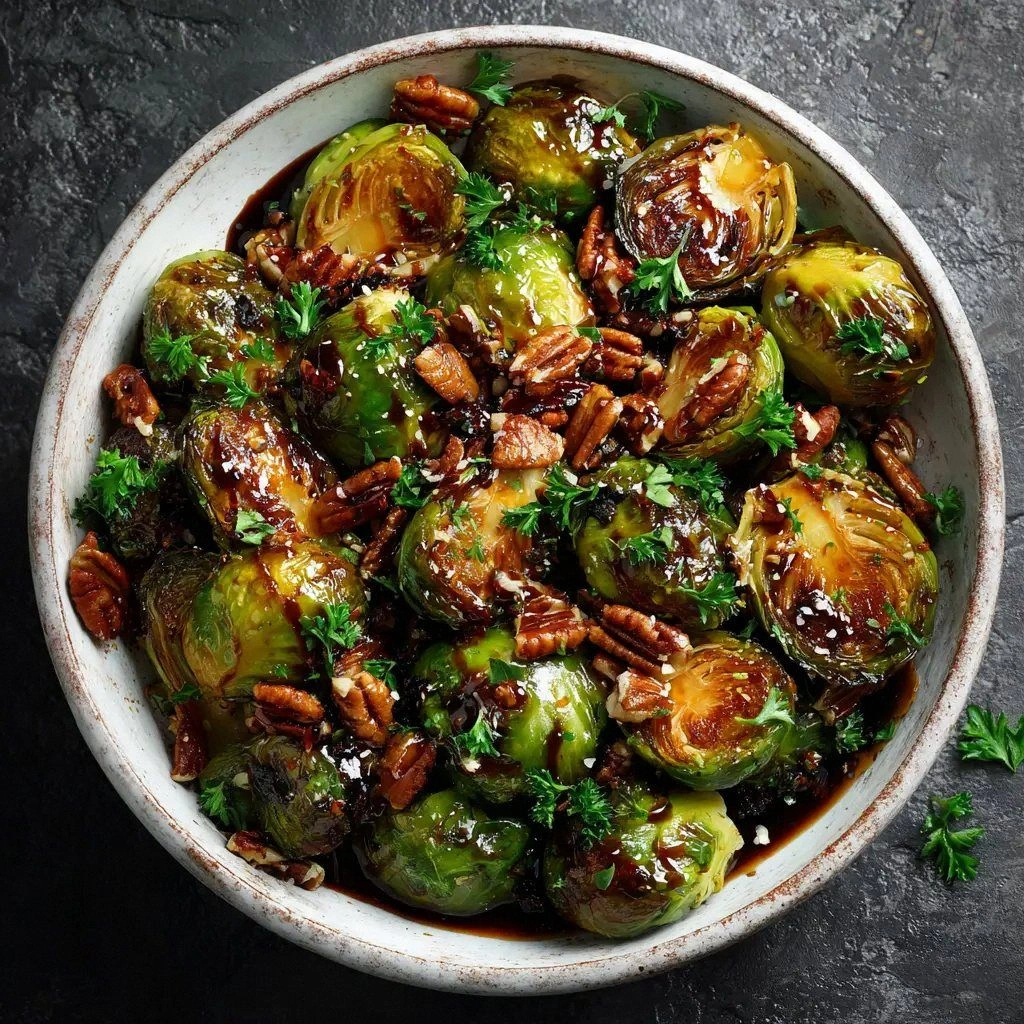
Imagine a pan sizzling on medium-high heat, the olive oil shimmering like liquid gold. The Brussels sprouts hit the pan with a satisfying snap, and the aroma of caramelizing sugar and tangy vinegar begins to mingle. As the edges crisp, they develop a golden brown hue that’s almost impossible to resist. The sweet honey seeps into the sprouts, coating them with a glossy, syrupy glaze that glistens under the kitchen lights. The garlic releases a subtle, peppery note that rounds out the flavor profile, creating a harmonious balance between sweet, savory, and acidic.
What makes this version stand out is the precise balance of sweetness and acidity, the crispness that rivals a perfectly roasted potato, and the ease of execution. I’ve spent hours tweaking ratios, testing different vinegars, and experimenting with roasting times until I found a method that delivers consistent, crowd‑pleasing results. This isn’t just a side dish; it’s a statement plate that can elevate any dinner, impress guests, and even stand alone as a hearty vegetarian entrée.
I dare you to taste this and not go back for seconds. The glaze will cling to the sprouts like velvet, and the caramelized edges will shatter like thin ice when you bite through them. Picture yourself pulling this out of the oven, the whole kitchen smelling incredible, and the table lined with a dish that looks as good as it tastes. By the end of this post, you’ll wonder how you ever made it any other way.
What Makes This Version Stand Out
- Flavor: The combination of balsamic vinegar and honey creates a sweet‑savory glaze that coats each sprout evenly, delivering a burst of complex flavor in every bite.
- Texture: The high‑heat searing technique produces a caramelized crust that remains crisp, while the interior stays tender and juicy.
- Ingredient Quality: Using fresh, organic Brussels sprouts and a high‑quality aged balsamic guarantees depth and authenticity.
- Time Efficiency: The entire process takes less than 45 minutes from prep to plate, making it a perfect weeknight option.
- Versatility: It pairs beautifully with roasted meats, can be tossed with pasta, or served as a standalone vegetarian dish.
- Make‑Ahead Potential: The glazed sprouts hold up wonderfully when reheated, making them ideal for meal prep.
- Visual Appeal: The glossy sheen of honey and the deep mahogany of balsamic create a dish that looks as stunning as it tastes.
- Health Conscious: Packed with vitamins, minerals, and fiber, this dish offers a nutrient‑dense option without compromising on flavor.
Alright, let's break down exactly what goes into this masterpiece…
Inside the Ingredient List
The Flavor Base
The 2 tablespoons of olive oil are the foundation that carries the glaze and facilitates caramelization. Olive oil’s high smoke point allows for a quick sear without burning, while its mild fruity flavor complements the sweet and tangy elements. If you’re looking for an extra smoky note, swap the olive oil for a light sesame oil, but be sure to monitor the heat closely to avoid burning.
The Texture Crew
1 pound of fresh Brussels sprouts is the star of the show. Look for bright green florets with a firm texture; avoid any that are wilted or yellowed. Washing and trimming the stems removes bitterness, but keep the stems intact to help the sprouts hold together during roasting. If you prefer a quicker prep, you can trim the stems and halve the sprouts for even cooking.
The Unexpected Star
The 1 clove of garlic adds a subtle depth that balances the sweetness of honey. Crush the garlic instead of finely mincing it to release more aroma and prevent it from burning too quickly. If you’re sensitive to garlic, use a small piece of ginger instead for a different, but equally delightful, flavor profile.
The Final Flourish
The 2 tablespoons of balsamic vinegar and 1 tablespoon of honey create a glaze that coats each sprout like a glossy coat of lacquer. The vinegar’s acidity cuts through the richness, while the honey’s natural sugars caramelize during roasting, adding a caramelized crunch to the edges. If you want a sharper tang, use a high‑acid balsamic; for a milder finish, choose a sweeter, aged balsamic.
Everything's prepped? Good. Let's get into the real action…
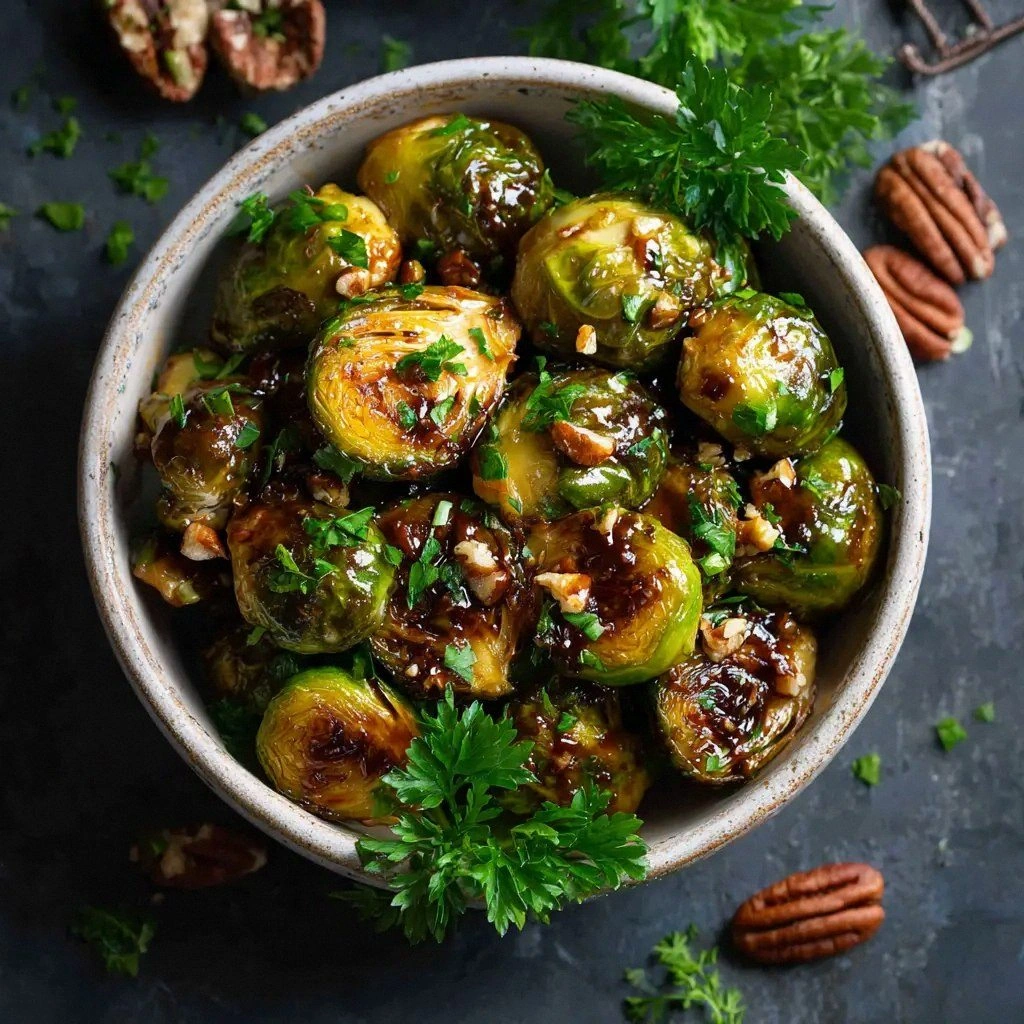
The Method — Step by Step
- Preheat your oven to 425°F (220°C). While the oven heats, wash the Brussels sprouts under cold running water, trim the stem ends, and cut any large sprouts in half. Pat them dry with a clean towel; moisture is the enemy of crispness. I’ve found that a dry surface guarantees a golden crust that’s almost impossible to replicate with steam.
- In a large mixing bowl, combine the Brussels sprouts with 2 tablespoons of olive oil, 1/2 teaspoon of kosher salt, and 1/4 teaspoon of black pepper. Toss until each sprout is evenly coated. The salt not only seasons but also helps draw out excess moisture, which is key for achieving that coveted caramelized edge.
- Spread the seasoned sprouts in a single layer on a rimmed baking sheet. Avoid overcrowding; if the sprouts are too close, they’ll steam instead of roast. I like to use a sheet with a slight incline so the juices drip away, ensuring each sprout gets a chance to crisp.
- Roast the sprouts for 15 minutes, then flip them with a spatula. The first 15 minutes create a caramelized crust on one side; flipping ensures even browning on both sides. If you’re a fan of extra crunch, give the sprouts a quick stir at the 10‑minute mark.
- While the sprouts are roasting, mince the garlic finely and combine it with 2 tablespoons of balsamic vinegar and 1 tablespoon of honey in a small bowl. Whisk until the honey dissolves completely; the glaze should be silky and pourable. This mixture will coat the sprouts in the last 5 minutes of roasting.
- When the sprouts have browned on both sides, drizzle the glaze evenly over them. Use a spoon or a brush to spread it so every sprout gets a sweet, tangy coating. Return the pan to the oven and roast for an additional 5 minutes, or until the glaze has thickened and the edges look glossy.
- Remove the pan from the oven and let the sprouts rest for 2 minutes. This brief pause allows the glaze to set, giving you that perfect, slightly sticky finish that’s easier to scoop with a spoon or fork.
- Serve immediately, optionally garnishing with a sprinkle of fresh cracked pepper or a drizzle of extra balsamic for an extra layer of flavor. If you’re plating for a crowd, arrange the sprouts on a platter with a slight mound to showcase the glossy sheen. And there you have it—crisp, caramelized, and irresistibly sweet Brussels sprouts that will have everyone asking for seconds.
That's it — you did it. But hold on, I've got a few more tricks that'll take this to another level…
Insider Tricks for Flawless Results
The Temperature Rule Nobody Follows
Many cooks think 400°F is enough, but 425°F is the sweet spot for caramelization. The higher temperature ensures the sugars in the honey quickly caramelize, creating a glaze that’s both glossy and slightly crispy. If your oven runs hot, lower the temperature by 25°F to prevent burning while maintaining crispness.
Why Your Nose Knows Best
Before you take the sprouts out of the oven, pause and sniff. The aroma of caramelized sugar and balsamic is the real indicator of readiness. If the scent feels almost burnt, give them a minute more; if it’s still raw, they’re not ready yet. Trusting your nose can save you from a batch of under‑cooked sprouts.
The 5‑Minute Rest That Changes Everything
Letting the sprouts rest for exactly five minutes after roasting allows the glaze to set and the steam to dissipate. This brief pause also makes the sprouts easier to serve, as the glaze won’t run off the dish like a syrupy mess. It’s a simple step that elevates the texture from good to unforgettable.
The Garlic‑First Approach
Some chefs swear by adding garlic to the pan first, allowing it to brown before adding the sprouts. This method infuses the oil with garlic flavor, but it can also burn the garlic if not monitored closely. I prefer to mince the garlic and whisk it into the glaze; it keeps the garlic’s subtlety intact without the risk of bitterness.
The Secret to a Glaze That Sticks
If you find the glaze slipping off the sprouts, whisk in a teaspoon of cornstarch dissolved in a tablespoon of water. This small addition thickens the glaze, ensuring it clings to each sprout and creates a beautiful, glossy finish that doesn’t drip off the plate.
Creative Twists and Variations
This recipe is a playground. Here are some of my favorite ways to switch things up:
Roasted Almond Crunch
Toast 1/4 cup sliced almonds in a dry skillet until golden. Sprinkle them over the finished sprouts for added texture and a nutty flavor that complements the sweet glaze.
Smoky Chipotle Glaze
Replace the honey with 1 tablespoon of maple syrup and add 1 teaspoon of chipotle powder to the glaze. The smoky heat adds a new dimension, making this dish a hit at BBQs or grill parties.
Mediterranean Twist
Add a tablespoon of chopped sun‑dried tomatoes and a sprinkle of oregano to the glaze. This gives the sprouts a Mediterranean flair that pairs beautifully with feta or goat cheese.
Spicy Sriracha Kick
Stir in 1 teaspoon of sriracha into the balsamic‑honey mixture. The heat balances the sweetness, creating a spicy‑sweet combo that’s perfect for adventurous palates.
Cheesy Finale
Finish the dish with a handful of shredded sharp cheddar or parmesan, letting it melt slightly over the hot sprouts. The cheese adds a creamy contrast to the crisp, caramelized exterior.
Herb‑Infused Finale
After roasting, toss the sprouts with fresh chopped basil and a squeeze of lemon juice. The herbs brighten the dish, making it lighter and more aromatic.
Storing and Bringing It Back to Life
Fridge Storage
Store leftovers in an airtight container in the refrigerator for up to 3 days. The glaze may thicken, but a quick stir will restore its glossy sheen. For the best texture, reheat in a hot skillet for 2 minutes, stirring occasionally.
Freezer Friendly
Freeze the roasted sprouts in a single layer on a baking sheet before transferring them to a freezer bag. They’ll keep for up to 2 months. When ready to use, thaw overnight in the fridge and reheat as described above.
Best Reheating Method
Reheat in a preheated oven at 350°F (175°C) for 8–10 minutes, or until warmed through. If the sprouts appear dry, add a splash of water or broth before reheating and cover loosely with foil to create steam.