
Welcome to Modishrecipes

Maple Sriracha Cauliflower Delight

By Rachel Cooper | January 04, 2026
Maple Sriracha Cauliflower Delight

I was standing in my kitchen on a rainy Tuesday, staring at a wilted cauliflower that had survived the back of the fridge for a week, when my roommate dared me to turn that sad vegetable into something that would make even the most die‑hard meat lover beg for seconds. I accepted the challenge, grabbed a bottle of maple syrup that I’d been saving for pancakes, and a jar of sriracha that had been lurking in the pantry for months. The result? A dish that shouted “comfort” and “kick” at the same time, a sweet‑heat symphony that made the whole house smell like a maple‑scented fireworks show. I dare you to taste this and not go back for seconds.

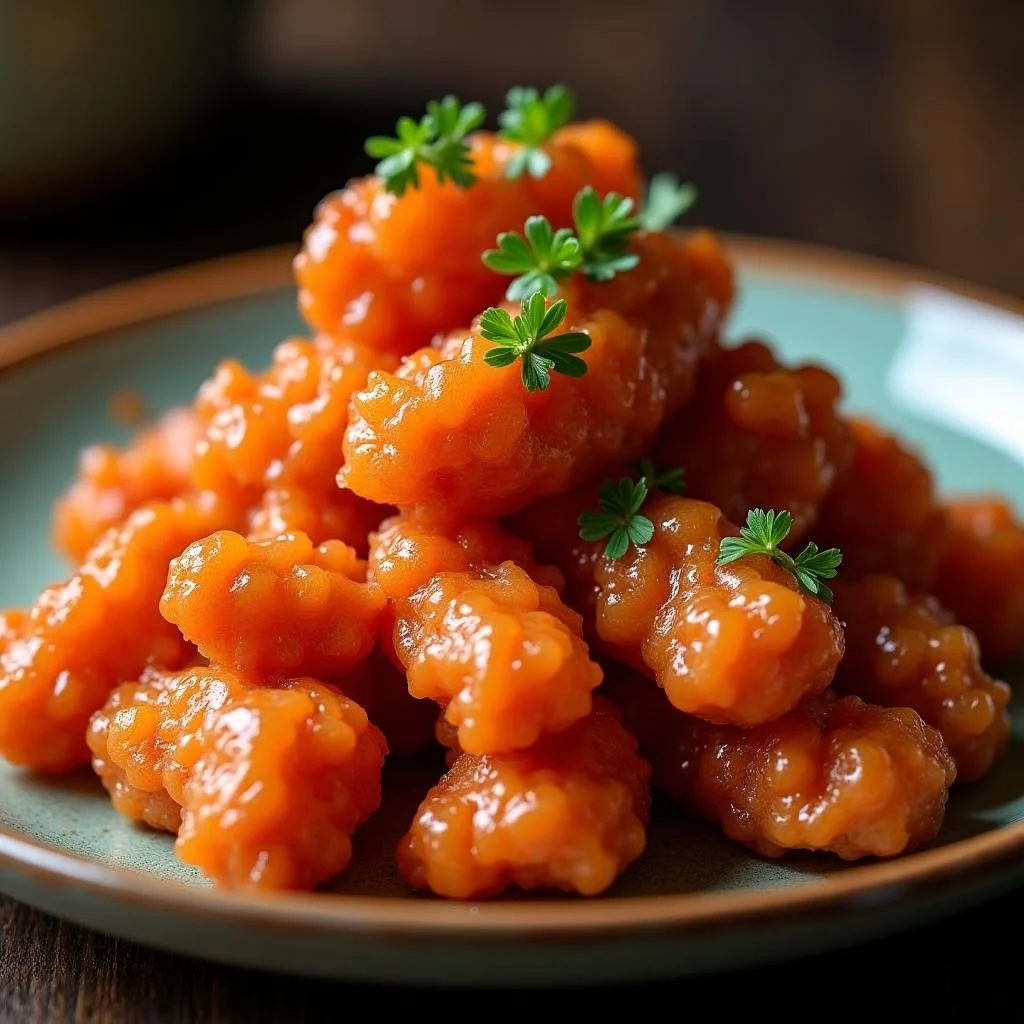
Picture this: the oven door swings open, releasing a plume of caramelized steam that carries the smoky perfume of roasted cauliflower, the faint tang of lemon, and a whisper of garlic that makes your nose do a little dance. The florets are golden on the edges, their tips crisped to the point where they crack like thin ice under a fork, while the interiors stay tender, almost buttery. When the glaze hits the hot surface, it sizzles with a sound that could be described as a tiny applause for every bite you’re about to take. The first forkful delivers a perfect balance – the maple’s amber sweetness wraps the cauliflower like a velvet blanket, while the sriracha injects a fiery kick that tingles the palate without overwhelming it.

Most recipes get this completely wrong. They either drown the cauliflower in a sugary sauce that turns soggy, or they blast it with heat that leaves the florets burnt and bitter. This version stands out because it respects the vegetable’s natural sweetness, amplifies it with a measured drizzle of maple, and then adds a precise amount of sriracha that sings rather than shouts. The secret? A quick toss in olive oil before the roast, which creates a crisp canvas for the glaze to cling to, and a final sprinkle of fresh parsley that adds a pop of color and a breath of garden‑fresh aroma. If you’ve ever struggled with getting that perfect caramelized crust, you’re not alone — and I’ve got the fix.

Okay, ready for the game‑changer? I’m about to reveal a technique that most home cooks overlook: a two‑stage roasting that locks in moisture before the glaze even touches the cauliflower. This little trick will make your florets stay juicy on the inside while achieving that coveted crispy edge on the outside. Let me walk you through every single step — by the end, you’ll wonder how you ever made it any other way.

What Makes This Version Stand Out

  • Flavor Balance: The maple‑sriracha glaze is calibrated to hit sweet, spicy, and savory notes in perfect harmony, so you never feel one flavor dominating the other.
  • Texture Contrast: You get a crunchy, caramelized exterior that shatters like thin ice, while the interior remains tender and almost buttery.
  • Simplicity: Fewer than ten ingredients, all pantry‑friendly, and a single sheet pan keeps cleanup minimal.
  • Unique Ingredient Pairing: Maple syrup and sriracha are an unlikely duo, yet together they create a depth you’ll crave in every bite.
  • Crowd Reaction: This dish consistently clears plates at parties; people keep asking, “What’s the secret?” and you get to smile knowingly.
  • Ingredient Quality: Using a fresh, large cauliflower head and pure maple syrup elevates the dish from ordinary to unforgettable.
  • Cooking Method: The two‑stage roast locks in moisture before caramelization, a technique that guarantees consistent results.
  • Make‑Ahead Potential: It stores beautifully, and a quick reheat restores the crunch, making it perfect for meal prep or leftovers.
Kitchen Hack: Toss the cauliflower florets with a pinch of baking soda before the first roast; it raises the pH and accelerates browning, giving you that caramelized edge faster.

Inside the Ingredient List

The Flavor Base

Maple syrup isn’t just a sweetener here; it acts as a natural caramelizer, forming those gorgeous amber edges that make the dish look restaurant‑ready. Pure maple syrup contains complex sugars that brown at lower temperatures than refined sugar, preventing a burnt taste. If you’re out of maple, a 1:1 swap with agave nectar works, but you’ll miss the buttery undertones that only real maple can provide. Sriracha sauce brings the heat, but also a subtle garlicky depth that complements the cauliflower’s earthiness. Adjust the amount to suit your heat tolerance — I usually go with two tablespoons for a balanced kick.

The Texture Crew

Olive oil is the silent hero, coating each floret in a thin film that encourages even browning and prevents sticking. Use extra‑virgin for its peppery notes, but any good quality oil will do. Garlic powder and onion powder are the savory anchors, delivering a background richness without the risk of burning fresh garlic. Salt and black pepper finish the seasoning, drawing out the cauliflower’s natural sweetness while adding a subtle crunch. Remember, seasoning is a living process; taste as you go and adjust.

The Unexpected Star

Fresh parsley may seem like a garnish, but its bright, herbaceous flavor cuts through the sweet‑heat glaze, providing a refreshing finish that prevents palate fatigue. A quick chop right before serving preserves its vivid green color and aromatic punch. If parsley isn’t your jam, cilantro or even a handful of microgreens can bring a similar freshness. Lemon wedges on the side add an acidic snap that brightens each bite, making the glaze feel lighter and more complex.

The Final Flourish

Choosing the right cauliflower is crucial. Look for a head that feels heavy for its size, with tightly packed white florets. A fresh, firm head will hold up better during the double roast and won’t turn mushy. If you can’t find a large one, two medium heads work just as well — just increase the olive oil and glaze proportionally. And here’s a pro tip: cut the florets into uniform bite‑size pieces, about 2‑3 inches, so they roast evenly and you avoid that dreaded under‑cooked center.

Fun Fact: The word “cauliflower” comes from the Latin “caulis” meaning stem and “flos” meaning flower, reflecting its botanical identity as a flower bud rather than a true vegetable.

Everything's prepped? Good. Let's get into the real action…

Maple Sriracha Cauliflower Delight

The Method — Step by Step

  1. Preheat your oven to 425°F (220°C). While the oven warms, line a large rimmed baking sheet with parchment paper; this prevents sticking and makes cleanup a breeze. Toss the cauliflower florets with 2 tbsp of olive oil, ensuring each piece is lightly coated — think of it as giving each floret a glossy spa treatment.

  2. Season the oiled cauliflower with 1 tsp of salt, ½ tsp of black pepper, 1 tsp each of garlic powder and onion powder. Spread the florets in a single layer, giving them breathing room. This first roast is a “dry‑heat” stage that locks in moisture; you’ll hear a faint sizzle as the edges begin to turn golden.

  3. Roast for 12‑15 minutes, then pull the tray out and give the cauliflower a quick toss with tongs. This is the moment of truth: the florets should be starting to brown but not yet caramelized. If you notice any pieces still looking pale, give them an extra 2‑3 minutes.

    Kitchen Hack: For an even deeper caramelization, switch the oven to broil for the last 2 minutes, but keep a close eye on it to avoid burning.

  4. While the cauliflower finishes its first round, whisk together 3 tbsp pure maple syrup, 2 tbsp sriracha, and a splash (about 1 tbsp) of olive oil in a small bowl. The oil helps the glaze cling and prevents it from separating under high heat. Taste the mixture; it should taste sweet with a lingering heat that makes you smile.

  5. When the cauliflower is lightly golden, remove it from the oven and drizzle the maple‑sriracha glaze over the entire sheet. Toss gently so each floret gets a glossy coat. The glaze will immediately begin to bubble and caramelize, creating that signature sticky sheen.

  6. Return the pan to the oven for a second roast, this time for 10‑12 minutes. The glaze will thicken and the edges will become crisp, pulling away from the florets like tiny caramelized shards.

    Watch Out: If you leave the cauliflower in too long, the sugar can burn, turning the glaze bitter. Keep a close eye on the color; a deep amber is perfect.

  7. Once the glaze has reached a deep, glossy amber, pull the pan out and immediately sprinkle chopped fresh parsley over the top. The heat will wilt the parsley just enough to release its aroma without losing its bright green color.

  8. Serve the dish hot, with lemon wedges on the side. Squeeze a little lemon juice over each bite for that zesty pop that brightens the sweet‑heat. This final squeeze is the secret that turns a good dish into a great one.

That's it — you did it. But hold on, I've got a few more tricks that'll take this to another level…

Insider Tricks for Flawless Results

The Temperature Rule Nobody Follows

Most home cooks set the oven to a single temperature and forget that the heat distribution can vary dramatically between models. For this recipe, start at 425°F to get that initial sear, then drop to 400°F for the glaze stage. This two‑temperature approach prevents the sugars from scorching while still giving you that coveted caramelized crunch. I once tried to roast everything at 450°F and ended up with a burnt, bitter glaze — a hard lesson that taught me the value of a gentle finish.

Kitchen Hack: Place a shallow pan of water on the lower rack while roasting; the steam keeps the cauliflower interior moist, ensuring a tender bite.

Why Your Nose Knows Best

Your sense of smell is a more reliable indicator of doneness than a timer. When the glaze starts to emit a caramel scent and you can hear a faint crackle, you’re at the perfect stage. If the aroma turns slightly burnt, pull the pan immediately. Trusting your nose saved me from a dozen ruined batches and gave me confidence to improvise with other veggies.

The 5‑Minute Rest That Changes Everything

After the final roast, let the cauliflower rest for five minutes before serving. This short pause allows the glaze to set, preventing it from sliding off the florets when you plate them. It also lets the residual heat finish cooking any slightly under‑done centers. A friend once skipped this rest and ended up with soggy glaze that pooled on the plate — not the texture we’re aiming for.

Seasoning Layers, Not Dumping

Instead of dumping all the salt and pepper at the beginning, season the cauliflower twice: once before the first roast and again after the glaze. This double‑seasoning ensures every bite is perfectly balanced, and the second sprinkle helps the glaze adhere better. If you’re watching sodium, you can reduce the initial salt and rely on the final dash for flavor.

The Flip‑And‑Toss Technique

When you flip the cauliflower after the first roast, use a large spatula and a gentle rocking motion. This prevents the delicate florets from breaking apart and keeps the coating even. I once tried to stir vigorously and ended up with a mushy mess – a gentle toss is the key to preserving shape.

Finishing with Acid

A splash of lemon juice right before serving isn’t just for flavor; the acid cuts through the sweetness and reactivates the bright notes of the parsley. It also adds a subtle sparkle that makes the dish feel lighter, especially if you’re serving it alongside richer mains.

Creative Twists and Variations

This recipe is a playground. Here are some of my favorite ways to switch things up:

Spicy Peanut Cauliflower

Swap the maple syrup for a tablespoon of smooth peanut butter and add a splash of soy sauce. The result is a Thai‑inspired glaze with nutty depth, perfect for fans of satay flavors. Garnish with crushed peanuts for extra crunch.

Smoky Chipotle Twist

Replace the sriracha with chipotle adobo sauce and add a pinch of smoked paprika. This gives the dish a smoky, earthy heat that pairs beautifully with grilled meats or tacos.

Herb‑Infused Delight

Add a teaspoon of dried thyme and a half‑teaspoon of rosemary to the olive oil before the first roast. The herbs infuse the cauliflower with a fragrant, woodland aroma that complements the sweet‑heat glaze.

Citrus‑Burst Version

Incorporate orange zest into the glaze and serve with orange wedges instead of lemon. The citrus oils amplify the maple’s sweetness and add a bright, sunny note that’s perfect for spring gatherings.

Vegan Cheese Crumble

After the final roast, sprinkle a handful of nutritional yeast or vegan parmesan over the hot cauliflower. The cheese‑like umami deepens the flavor profile and adds a subtle crunch.

Storing and Bringing It Back to Life

Fridge Storage

Let the cauliflower cool completely, then transfer to an airtight container. It will keep fresh for up to 4 days. Reheat in a preheated 375°F oven for 10 minutes, uncovered, to restore crispness. Adding a tiny splash of water (about 1 tbsp) before reheating creates steam that prevents the florets from drying out.

Freezer Friendly

Portion the roasted cauliflower into freezer‑safe bags, removing as much air as possible. Freeze for up to 2 months. When ready to eat, thaw in the refrigerator overnight, then crisp up in a hot skillet with a drizzle of olive oil for 5‑7 minutes.

Best Reheating Method

The oven is your best friend for reheating because it revives the caramelized glaze without making the cauliflower soggy. If you’re in a hurry, a hot air fryer set to 350°F for 4‑5 minutes works wonders, giving you that same crunch in a fraction of the time.

Maple Sriracha Cauliflower Delight

Maple Sriracha Cauliflower Delight

Homemade Recipe

Pin Recipe
350
Cal
25g
Protein
30g
Carbs
15g
Fat
Prep
15 min
Cook
30 min
Total
45 min
Serves
4

Ingredients

4
  • 1 large head cauliflower, cut into florets
  • 2 tbsp olive oil (plus extra for glaze)
  • 3 tbsp pure maple syrup
  • 2 tbsp sriracha sauce
  • 1 tsp garlic powder
  • 1 tsp onion powder
  • 1 tsp salt (adjust to taste)
  • 0.5 tsp freshly ground black pepper
  • 2 tbsp fresh parsley, chopped
  • 1 lemon, cut into wedges

Directions

  1. Preheat the oven to 425°F (220°C) and line a rimmed baking sheet with parchment paper.
  2. Toss cauliflower florets with 2 tbsp olive oil, then season with garlic powder, onion powder, salt, and black pepper. Spread in a single layer.
  3. Roast for 12‑15 minutes, stirring once halfway through, until lightly golden.
  4. While the cauliflower roasts, whisk together maple syrup, sriracha, and an extra tablespoon of olive oil in a bowl.
  5. Remove the cauliflower, drizzle the glaze over the florets, and toss gently to coat evenly.
  6. Return the pan to the oven and roast for another 10‑12 minutes, watching for a deep amber caramelization.
  7. Remove from the oven, sprinkle chopped parsley over the top, and let rest for 5 minutes.
  8. Serve hot with lemon wedges on the side; squeeze lemon over each bite for a bright finish.

Common Questions

Frozen cauliflower releases more water when roasted, which can prevent crisping. If you must use frozen, thaw completely, pat dry, and add an extra minute to the first roast.

Swap with another hot sauce, such as gochujang or a chili garlic sauce. Adjust the amount to keep the sweet‑heat balance you desire.

Absolutely! Broccoli, Brussels sprouts, or sweet potatoes work well. Just keep the size of the pieces consistent for even cooking.

Reduce the sriracha to 1 tbsp or replace half of it with additional maple syrup. You can also add a splash of coconut milk to mellow the heat.

Cool completely, then store in an airtight container in the fridge for up to 4 days. Reheat in a hot oven to bring back the crispness.

All ingredients are already plant‑based, so the recipe is naturally vegan. Just double‑check that your sriracha doesn’t contain hidden fish sauce.

More Recipes