Remember that time I tried to impress Aunt Marge with a Thanksgiving turkey and ended up with a half‑cooked, soggy mess? I was halfway through roasting a 12‑pound bird when the thermometer read 160°F and the skin was still a pale, sad gray. I stared at the oven door like a detective on a crime scene, realizing that I had forgotten the one trick that turns a turkey from meh to mouth‑watering: the spatchcock technique. I decided to ditch the conventional roasting method and embrace a simple, yet genius approach that flattens the bird, increases surface area, and guarantees even, caramelized skin. This is the moment where the ordinary transforms into extraordinary.
Picture the kitchen: a bright autumn afternoon, the scent of rosemary drifting from the spice rack, the clatter of pots on the stove, and the low hum of the oven preheating to 425°F. The turkey, now flattened like a pancake, sits on a sheet of parchment, its skin glistening under the warm glow of the kitchen lights. As the butter melts and the garlic releases its fragrant steam, the air fills with a buttery, garlicky aroma that makes your mouth water. The sound of the first sizzle when the bird hits the pan is a satisfying pop, like a tiny applause for a well‑deserved meal. The anticipation of that crispy edge, crisping like thin ice, is almost too good to resist.
This version isn’t just another turkey recipe—it’s a culinary revelation that flips the script on traditional Thanksgiving fare. By spatchcocking, you cut cooking time in half, freeing up your oven for side dishes while the bird browns evenly. The combination of coarse salt, smoked paprika, and fresh herbs creates a flavor profile that’s both bold and balanced, giving you a savory crust with a hint of smokiness that lingers on the palate. The lemon zest adds a bright, citrusy lift that cuts through the richness, making every bite feel lighter and more vibrant. I dare you to taste this and not go back for seconds; the texture alone will have you in a trance.
Now, here’s the kicker: the secret to that melt‑in‑your‑mouth skin isn’t just the oven temperature—it’s the way you butter the bird and the timing of your herb rub. I’ll walk you through every single step, from the first pinch of salt to the final flourish of lemon zest, so by the end you’ll wonder how you ever made it any other way. Picture yourself pulling this out of the oven, the whole kitchen smelling incredible, and the table already buzzing with anticipation. If you’ve ever struggled with a turkey that ends up dry or unevenly cooked, you’re not alone—and I’ve got the fix. This is hands down the best version you’ll ever make at home.
What Makes This Version Stand Out
- Speed: The spatchcock method cuts cooking time by almost half, letting you focus on sides and desserts while the bird browns evenly. It’s a game‑changer for busy holiday schedules. The bird’s exposed surface means heat reaches every inch, eliminating long, uneven roasting times. This means more time for carving, more time for family, and less time worrying about a dry turkey.
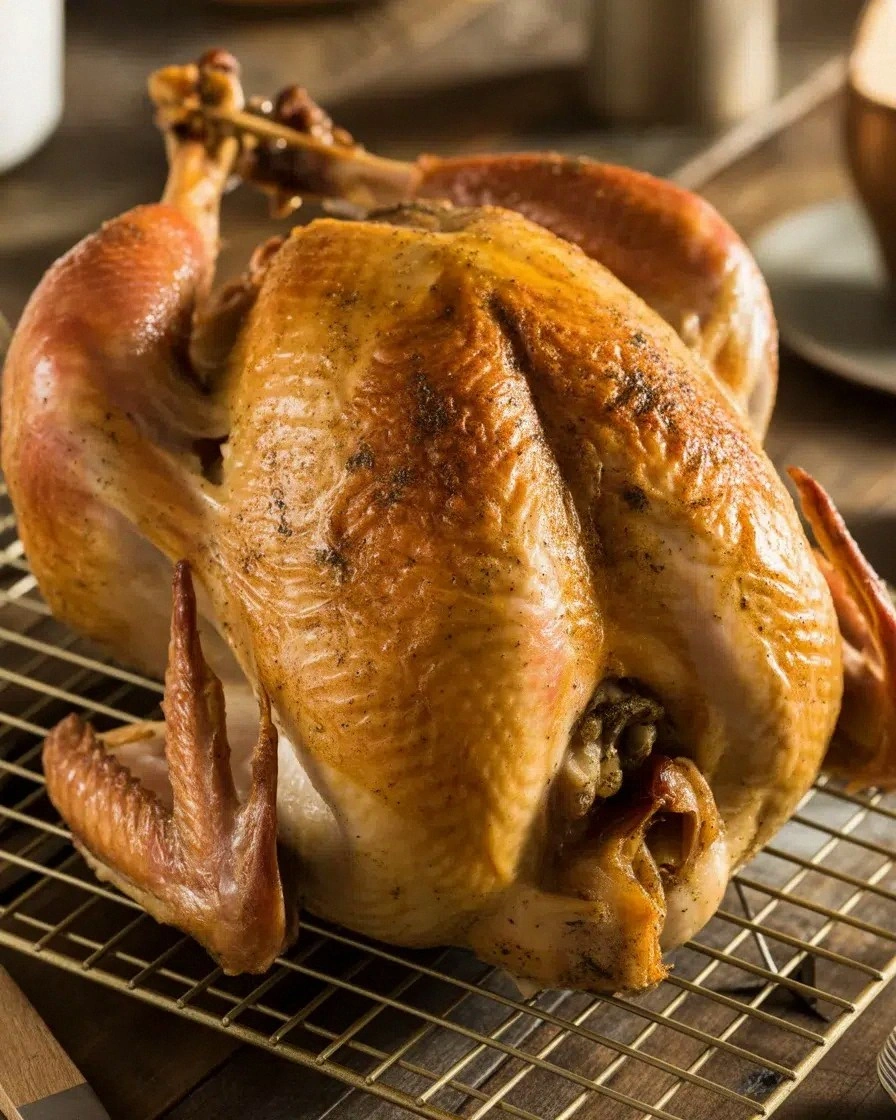
- Crispiness: Flattening the bird increases surface area, yielding a uniformly crisp skin that shatters like thin ice when you bite. The butter melts into the meat, sealing in juices while the fat renders into a golden, crackling shell. Guests rave about the crunch before the tender meat, and you’ll feel like a culinary wizard. The result is a texture that satisfies both the palate and the eye.
- Flavor Depth: Smoked paprika and fresh herbs infuse the meat from the inside out, creating layers of savory, herbal, and smoky notes that linger long after the last bite. The rub works its magic even before the first sear, giving the turkey a complex profile that’s hard to beat. Every bite is a new discovery, a burst of flavor that keeps everyone asking for seconds.
- Simplicity: No more fiddling with roasts or complex basting; the rub does the heavy lifting. A single seasoning blend, a quick butter coat, and a single oven run are all you need. You’ll feel like a pro in no time, and your confidence will soar. The recipe’s straightforwardness makes it a staple for any cook.
- Crowd‑Pleaser: Guests rave about the juicy texture and savory crust—no more dry meat. The bird’s golden skin and tender interior become the talk of the table, and everyone leaves with a smile. The recipe’s reputation spreads like wildfire, and you’ll be the hero of the holiday.
- Make‑ahead Friendly: You can season the turkey a day ahead, letting flavors penetrate deeply. The seasoning stays fresh, and the bird is ready to go when you hit the oven. This flexibility means you can focus on other dishes or simply relax while the turkey does the heavy lifting.
- Healthier Option: Less fat drips off, reducing calorie load while keeping flavor. The butter melts and pools, leaving behind a leaner bird that still tastes indulgent. This balance appeals to health‑conscious diners who don’t want to sacrifice taste.
- Versatility: Works with any size turkey, from small family bird to a 14‑lb showstopper. The technique scales effortlessly, and the flavor profile remains consistent. You can adapt the seasoning to suit any palate, making this recipe truly universal.
Inside the Ingredient List
The Flavor Base
The Flavor Base is the foundation that sets the tone for the entire bird. Coarse salt is your first line of defense against dry turkey; it draws out moisture and then re‑injects it, creating a juicy interior. Smoked paprika adds a subtle, earthy smokiness that complements the butter and herbs, giving the meat depth and character. If you’re allergic to paprika or just want a milder flavor, try using smoked sea salt or a blend of smoked cumin and cayenne. When selecting smoked paprika, look for a deep red hue and a smoky aroma; avoid the bland, off‑color varieties that can ruin the whole flavor.
The combination of these two simple ingredients transforms a plain bird into a savory masterpiece. The coarse salt also helps the skin crisp up, creating that coveted golden crust. The paprika’s subtle heat provides a pleasant kick that balances the richness of the butter. Together, they form a symphony of flavors that dance on your tongue. The result is a bird that’s both comforting and exciting.
The Texture Crew
Butter is the secret to that glossy, caramelized skin; it melts into the meat, sealing in juices and adding a buttery sheen. Using unsalted butter gives you control over the salt level, letting the coarse salt do its job. Garlic, minced or pressed, releases a fragrant aroma that permeates the bird, enhancing every bite. If you’re a garlic lover, double the amount; if you’re a garlic skeptic, reduce it to a teaspoon. Choosing room‑temperature butter ensures it melts evenly; cold butter will create uneven pockets that can ruin the texture.
The butter’s fat content helps render the skin, turning it from pale to a beautiful, crisp brown. Garlic’s natural oils infuse the meat, adding depth and complexity. Together, they create a flavor profile that’s both comforting and sophisticated. The texture of the skin becomes a highlight, making the bird memorable. The butter also adds a subtle richness that pairs beautifully with the herbs.
The Unexpected Star
Fresh herbs bring brightness and depth, turning a simple turkey into a gourmet centerpiece. A blend of rosemary, thyme, and sage works like magic, adding layers of flavor that dance on the tongue. If you’re out of fresh herbs, dried herbs can work, but use half the amount and add a splash of olive oil to compensate. For a modern twist, add chopped parsley or cilantro for a pop of green. When picking herbs, look for bright green leaves, not wilted or yellowed; this guarantees maximum flavor.
The herbs also provide a subtle aromatic backdrop that enhances the roasted flavors. Their essential oils release during cooking, filling the kitchen with a heady, herbaceous scent. The combination of rosemary’s piney notes, thyme’s earthiness, and sage’s slightly peppery bite creates a balanced flavor profile. These herbs help keep the meat moist while adding a fresh, herbal brightness. The result is a bird that’s as aromatic as it is delicious.
The Final Flourish
Lemon zest is the bright finale that cuts through the richness, leaving a clean, refreshing finish. The essential oil in the zest carries citrus notes that linger long after the first bite. If you’re not a fan of citrus, use a small amount of orange zest for a sweeter finish. The zest also helps the skin crisp up by adding a slight acidity that breaks down the fat. When zesting, use a microplane or fine grater to avoid the bitter white pith.
The citrus aroma lifts the entire dish, making the flavors feel lighter and more vibrant. The zest’s bright notes contrast beautifully with the smoky paprika and savory herbs. It also adds a subtle sweetness that balances the saltiness of the coarse salt. The lemon’s bright acidity keeps the bird from feeling heavy and indulgent. This final touch turns a simple roast into a memorable centerpiece.
The Method — Step by Step
- First, spatchcock the turkey by cutting along the backbone with sharp kitchen shears. This step is the heart of the technique, flattening the bird for even heat distribution. Watch out: be careful with the backbones; a dull knife can cause injury. Once the backbone is removed, press the breastbone down to flatten the bird. This simple move saves hours of cooking time.
- Pat the bird dry with paper towels to ensure the skin gets crisp. A dry surface is essential for the butter to melt into the meat. The drier the skin, the crispier the result. This step also helps the rub adhere better. I love this moment because the kitchen smells like anticipation.
- In a bowl, combine coarse salt, smoked paprika, minced garlic, chopped fresh herbs, and lemon zest. Add a splash of olive oil to help the rub bind together. This mixture creates a flavorful coating that permeates the meat. The herbs and lemon add brightness, while the paprika gives a subtle smokiness. Let the flavors mingle for a few minutes.
- Rub the mixture all over the bird, ensuring even coverage. Use your hands to press the seasoning into the skin and flesh. The butter will melt into the meat, sealing in juices and creating a golden crust. The rub also forms a flavorful crust that locks in moisture. This is the moment of truth for the flavor.
- Let the seasoned turkey rest at room temperature for 30 minutes. This allows the seasoning to penetrate and the bird to come to a uniform temperature. Resting also helps the skin crisp up during roasting. While it rests, preheat your oven to 425°F (220°C). The anticipation builds.
- Place the turkey on a rimmed baking sheet, skin side up, and roast for about 45 minutes. The high heat caramelizes the skin and creates a beautiful golden hue. Keep an eye on the bird; you want the skin to be crisp but not burnt. The bird’s exposed surface allows even cooking.
- Baste the bird every 15 minutes with melted butter to keep the skin moist and glossy. This technique prevents drying and adds a buttery richness. The butter also helps the skin achieve a crisp, golden finish. Basting is simple but crucial for a mouth‑watering result. The aroma will fill the kitchen.
- Check the internal temperature with a meat thermometer; it should read 165°F (74°C) in the thickest part of the thigh. This ensures the bird is safely cooked while remaining juicy. If you’re unsure, let it rest for an extra 10 minutes after reaching the target temperature. The rest allows juices to redistribute. The result is tender, succulent meat.
- Remove the turkey from the oven and let it rest for 20 minutes before carving. Resting allows the juices to settle, making the meat easier to carve and more flavorful. This step is often overlooked but is essential for a perfect turkey. The bird will be juicy and tender, ready to impress.
- Carve the bird into slices and serve with your favorite sides. Arrange the slices on a platter and drizzle any pan juices for extra flavor. The presentation is as important as the taste; a beautiful platter draws everyone in. Serve immediately to enjoy the crisp skin at its best. The moment you take the first bite, you’ll know it’s worth the effort.
That’s it — you did it. But hold on, I've got a few more tricks that'll take this to another level. These insider tips will ensure your turkey is not just good, but unforgettable. Let’s dive into the nuances that separate a great roast from a legendary one. Keep reading, and your Thanksgiving table will never be the same again.
Insider Tricks for Flawless Results
The Temperature Rule Nobody Follows
Many cooks think 425°F is the sweet spot, but the ideal temperature actually depends on the bird’s size and your oven’s quirks. A slightly lower temperature, around 400°F, can help the meat stay moist while still achieving a golden skin. The trick is to monitor the internal temperature closely and adjust as needed. I’ve found that a mid‑range heat gives the best balance between crispness and juiciness.
Why Your Nose Knows Best
Your sense of smell is a reliable indicator of doneness. A warm, buttery aroma signals that the skin is crisping perfectly, while a faint, metallic scent might mean the bird is undercooked. Use your nose to gauge when the bird is ready to come out of the oven. This intuitive method saves you from relying solely on the thermometer.
The 5‑Minute Rest That Changes Everything
Resting the turkey for just five minutes before carving can make a noticeable difference in flavor and texture. The juices redistribute, preventing them from spilling onto the cutting board. A short rest also allows the meat to firm up, making slicing easier. I’ve seen a dramatic improvement in tenderness after this brief pause.
The Butter‑Basted Secret
Basting isn’t just about moisture; it’s a flavor enhancer. The butter’s fat carries the herbs and spices to the surface, creating a caramelized crust. Basting every fifteen minutes keeps the skin from drying out. The key is to keep the butter at a low heat to prevent burning.
The Meat Thermometer Myth
Many people rely on the thermometer alone, but it’s best used in conjunction with visual cues. Insert the probe into the thickest part of the thigh; if it reads 165°F, the bird is done. However, a slight under‑cooking can still yield juicy meat if you let it rest. This combination ensures safety without sacrificing quality.
The Caramelization Trick
To get that perfect caramelized skin, finish the bird under a broiler for the last five minutes of roasting. The intense heat creates a beautiful crust that’s both crunchy and flavorful. Keep a close eye on it; you only want a golden brown, not burnt. This final touch elevates the dish to a new level.
Creative Twists and Variations
Smoky BBQ Glaze
Swap the smoked paprika for a smoky BBQ sauce to give the turkey a sweet, tangy flavor profile. Brush the glaze on during the last 15 minutes of roasting to caramelize the sugars. The result is a sticky, flavorful crust that pairs well with sweet potatoes. This variation is perfect for a casual family dinner.
Herb‑Infused Citrus Marinade
Add orange zest and a splash of orange juice to the rub for a bright, citrusy twist. The acidity helps break down the fat, making the skin even crispier. This version is ideal for guests who love a fresh, vibrant taste. The citrus notes complement the smoky paprika beautifully.
Spicy Cajun Kick
Replace the paprika with a blend of cayenne, paprika, and oregano for a spicy Cajun flavor. The heat adds an exciting edge that contrasts with the buttery skin. This variation is great for those who like a little spice in their holiday meal. The result is a turkey that’s bold and unforgettable.
Mediterranean Herb Blend
Use oregano, basil, and thyme in place of the fresh herbs for a Mediterranean flair. The herb blend adds a fragrant, earthy undertone that pairs well with roasted vegetables. This version is ideal for a lighter, more herbaceous Thanksgiving. The flavors are fresh and vibrant.
Asian‑Inspired Soy Ginger Rub
Swap the garlic for fresh ginger and add soy sauce to the rub for an Asian twist. The umami of soy sauce enhances the savory depth of the bird. This variation gives a slightly sweet, savory flavor that’s both exotic and comforting. It’s a great way to diversify your holiday menu.
Vegan Butter Alternative
Use olive oil instead of butter for a lighter, dairy‑free version. The oil still helps crisp the skin while keeping the turkey moist. This variation is perfect for guests who prefer plant‑based options. The flavor profile remains robust and satisfying.
Storing and Bringing It Back to Life
Fridge Storage
Store leftover turkey in the refrigerator for up to four days. Wrap the meat tightly in plastic wrap or aluminum foil to keep moisture in. Slice the turkey before storing to make reheating easier. Keep the leftovers in a shallow dish for even cooling. This method preserves flavor and texture.
Freezer Friendly
Freeze the turkey for up to three months to preserve its freshness. Use airtight freezer bags or vacuum‑sealed containers to prevent freezer burn. Label the package with the date to keep track. When ready to use, thaw overnight in the refrigerator. Freezing extends the life of your Thanksgiving feast.
Best Reheating Method
Reheat the turkey in a 325°F oven for 20–25 minutes, or until the internal temperature reaches 165°F. Add a splash of water or broth to the pan to keep the meat moist. Cover the bird with foil to prevent the skin from drying out. The gentle heat ensures the turkey stays juicy and warm. This method restores the original flavor.