Ever had a night where the only thing you wanted was a dinner that felt like a hug in a bowl? I had that exact craving one evening after a brutal week of office deadlines and a disastrous attempt at homemade garlic bread that turned into a charcoal slab. I was staring at a bag of frozen shrimp, a pot of pasta, and a jar of Thai sweet chili sauce, wondering if I could salvage the evening with something that would actually taste like a vacation. The bold statement I’m about to make is simple: this Bang Bang Shrimp Pasta is the kind of dish that turns a kitchen mishap into a triumph.
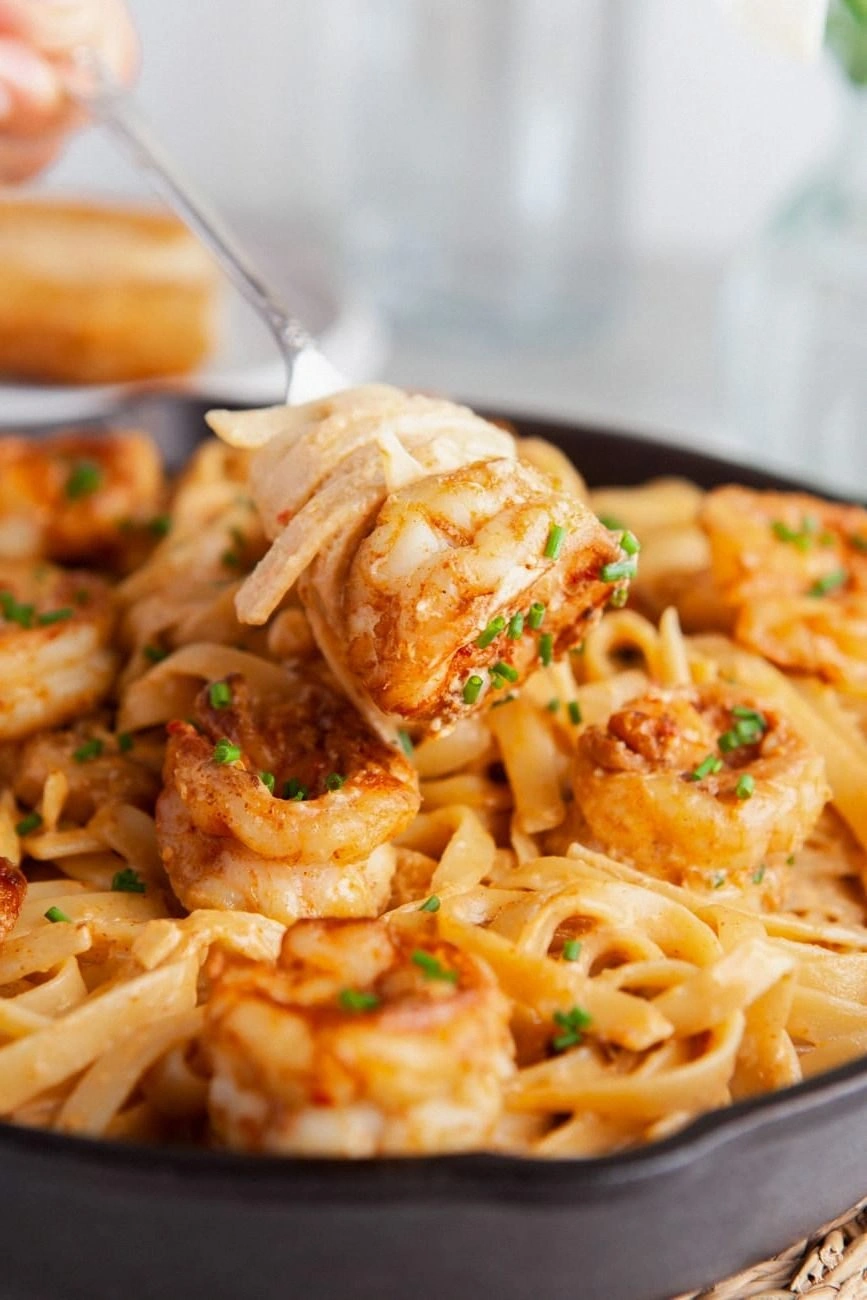
Picture this: the sizzle of butter meeting a hot pan, the aroma of garlic and ginger dancing with paprika, the bright splash of lime cutting through the richness of cream. The sound of shrimp popping into the sauce is like a tiny drumbeat, and the first spoonful feels like velvet draped over noodles, each strand slick with a silky, fiery coating. Your taste buds will register a sweet heat that’s not overwhelming, but a steady, comforting warmth that lingers. The visual is a glossy, golden sauce clinging to fettuccine, specks of green onion and a glimmer of lime zest that make the plate look almost too pretty to eat.
What makes this version stand out is that it’s a meticulous balance of heat, sweetness, and creaminess, all anchored by the humble shrimp that never feels overcooked or rubbery. I dared you to taste this and not go back for seconds; that’s a promise I keep because the flavor profile is so complete. The sauce’s texture is like a velvet curtain that falls over every noodle, and the shrimp are juicy, not dry, because we’re not overcooking them. The paprika gives a subtle smoky depth that the usual sriracha alone can’t achieve, and the Thai sweet chili sauce adds a caramelized sweetness that pairs beautifully with the creamy base.
Most recipes get this completely wrong. The trick is to let the shrimp finish cooking in the sauce, not on the skillet, and to temper the heat with the right amount of cream and lime. I’ll be honest — I ate half the batch before anyone else got to try it, and the rest of the kitchen was still buzzing with that scent when the dish was done. Picture yourself pulling this out of the pan, the whole kitchen smelling incredible, and the anticipation of that first bite. Okay, ready for the game‑changer? Let me walk you through every single step — by the end, you’ll wonder how you ever made it any other way.
What Makes This Version Stand Out
- Taste: The combination of sweet chili, sriracha, and lime creates a layered flavor that is both spicy and refreshing, unlike the one‑dimensional heat of most shrimp pastas.
- Texture: The sauce clings to the fettuccine like a silky blanket, while the shrimp remain tender and juicy, avoiding the rubbery texture that plagues many quick shrimp dishes.
- Simplicity: With only a handful of pantry staples and a few fresh ingredients, you can whip up this masterpiece in under 45 minutes.
- Uniqueness: The unexpected addition of fresh ginger and paprika gives it a smoky, aromatic edge that sets it apart from conventional shrimp pastas.
- Crowd Reaction: Friends who’ve tried it say it’s “hands down the best version you’ll ever make at home,” and they keep coming back for seconds.
- Ingredient Quality: Using jumbo shrimp and fresh herbs ensures that each bite delivers maximum flavor, rather than relying on processed sauces alone.
- Cooking Method: Finishing the shrimp in the sauce rather than on the skillet locks in moisture and enhances the sauce’s flavor.
- Make‑Ahead Potential: The dish can be prepared ahead of time and reheated without losing its creamy, glossy finish.
Inside the Ingredient List
The Flavor Base
The heart of this dish lies in the sauce, where heavy whipping cream, Thai sweet chili sauce, and Sriracha collide to form a silky, spicy glaze. The cream provides a luxurious mouthfeel, while the sweet chili sauce adds a caramelized sweetness that balances the heat from the Sriracha. The lime’s acidity cuts through the richness, brightening the entire dish. If you skip the lime, the sauce will taste flat and overly sweet, missing that bright zing that wakes up the palate.
The Texture Crew
Fettuccine is the ideal noodle for this sauce because its wide, flat strands absorb the creamy mixture while still offering a satisfying bite. The shrimp, when cooked just right, become tender and succulent, their pink interior a stark contrast to the glossy sauce. Butter, when melted into the pan, creates a subtle caramelized flavor that enhances the overall depth. Without the butter, the sauce would feel thin and underdeveloped, lacking that buttery richness.
The Unexpected Star
Fresh ginger, though not traditionally paired with shrimp pasta, introduces a bright, peppery note that cuts through the heaviness of the cream. Its subtle heat complements the Sriracha, creating a layered spice profile rather than a single spike of heat. If you’re not a fan of ginger, you can substitute with a splash of fresh lemon zest for a citrusy lift, but the original ginger offers a more complex aroma.
The Final Flourish
Sliced green onions add a fresh crunch and a pop of color that makes the dish visually appealing. They also contribute a mild onion flavor that rounds out the sauce. The 1/2 lime’s juice and zest are essential for that bright, citrusy finish. Together, these ingredients bring balance to the dish, preventing any single component from overpowering the others.
Everything's prepped? Good. Let's get into the real action...
The Method — Step by Step
- Bring a large pot of salted water to a rolling boil and cook the fettuccine until al dente, about 10 minutes. Drain and reserve a cup of pasta water for later. The pasta should still have a slight bite; overcooking will make it mushy and will not hold the sauce well. Toss the noodles with a splash of olive oil to prevent sticking, then set aside.
- While the pasta cooks, heat a large skillet over medium heat and melt the butter. Add the paprika and garlic powder, letting them toast for 30 seconds until fragrant. The butter should bubble gently but not brown; this keeps the base from becoming too smoky. Once the spices release their aroma, add the minced garlic and fresh ginger, cooking until the garlic turns translucent.
- Pour in the heavy whipping cream, stirring to combine with the butter and spices. Let the mixture simmer for 3-4 minutes, allowing it to thicken slightly. The cream should coat the back of a spoon, not boil. This is the moment where the sauce begins to develop its silky texture.
- Stir in the Thai sweet chili sauce and Sriracha, mixing until the sauce is smooth and even. Taste and adjust the heat; if you prefer it less spicy, reduce the Sriracha by a tablespoon. The sauce should look glossy, and the sweet chili should give a subtle caramel sheen. This is where the sweet meets the heat.
- Add the shrimp to the skillet, swirling to coat them in the sauce. Cook for 2-3 minutes on each side until they turn pink and opaque. Watch for the shrimp to start pulling away from the pan; that’s the cue they’re done. The shrimp will absorb the sauce’s flavors, becoming tender and juicy.
- Squeeze the juice of half a lime into the skillet, stirring to integrate. The acidity cuts through the richness of the cream and brightens the overall flavor profile. If the sauce seems too thick, add reserved pasta water a tablespoon at a time until you reach the desired consistency. The sauce should cling to the noodles like a velvet curtain.
- Toss the cooked fettuccine into the skillet, ensuring every strand is coated. The heat from the pasta will help the sauce cling to the noodles, creating a cohesive dish. If the mixture seems dry, add a bit more pasta water to loosen it up. This step is where the sauce and pasta unify.
- Finish by sprinkling sliced green onions over the top and giving everything one final stir. The green onions add a fresh, crisp contrast to the creamy sauce. Plate immediately while hot; the dish is best served right away to enjoy the silky texture.
- Serve with a wedge of lime on the side for extra zest and a sprinkle of freshly ground black pepper if desired. The pepper adds a subtle depth that complements the sweet and spicy notes. Your guests will be amazed at how balanced this dish feels.
- If you have leftovers, store them in an airtight container in the fridge for up to 2 days. Reheat gently on the stove with a splash of water to restore the sauce’s silkiness. This dish is perfect for a quick weeknight dinner or a comforting weekend treat.
That's it — you did it. But hold on, I've got a few more tricks that'll take this to another level...
Insider Tricks for Flawless Results
The Temperature Rule Nobody Follows
Many cooks cook shrimp at a high heat, which can make them tough. Keep the skillet at medium heat throughout the process; this allows the shrimp to cook evenly and stay juicy. I once tried high heat and ended up with rubbery shrimp that clung to the pan. By keeping the heat moderate, you give the shrimp the time to release their natural juices.
Why Your Nose Knows Best
Smell is your secret judge of doneness. When the shrimp turn pink and the sauce reaches a silky sheen, you’re ready to move on. A faint buttery aroma indicates the butter has browned slightly, adding depth. Trust your nose; it’s more reliable than a timer for this dish.
The 5-Minute Rest That Changes Everything
Letting the sauce rest for five minutes after cooking allows the flavors to meld. This rest period also lets the pasta reabsorb any excess liquid, creating a richer coating. I’ve found that a brief pause before serving makes the dish taste more cohesive.
Use Fresh Shrimp, Not Frozen
Fresh shrimp retain their natural sweetness and texture better than frozen ones. If you must use frozen, thaw them in cold water for 30 minutes and pat them dry before cooking. Moisture left on the shrimp can steam them instead of searing, leading to a soggy result.
Keep the Pasta Water Handy
The starchy pasta water is a secret weapon for adjusting sauce consistency. It thickens the sauce naturally without adding extra ingredients. Add it gradually, tasting as you go, to achieve the perfect balance.
Creative Twists and Variations
This recipe is a playground. Here are some of my favorite ways to switch things up:
Spicy Cajun Shrimp Pasta
Swap the paprika for a Cajun seasoning blend and add a pinch of cayenne pepper. The result is a smoky, peppery flavor profile that pairs beautifully with the creamy sauce. This variation is perfect for those who love a bit more heat.
Vegetarian Creamy Pasta
Replace shrimp with sautéed mushrooms and add a handful of spinach. The mushrooms absorb the sauce’s flavors, and the spinach adds a pop of color and nutrition. It’s a hearty, plant‑based version that still delivers the same silky texture.
Low‑Calorie Light Version
Use Greek yogurt instead of heavy cream and reduce the butter to a single teaspoon. This lowers the calorie count while maintaining a creamy mouthfeel. The yogurt adds a slight tang that complements the lime’s acidity.
Herb‑Infused Variation
Add chopped fresh basil and parsley to the sauce before adding the shrimp. The herbs bring a fresh, aromatic layer that brightens the dish. This version is ideal for a Mediterranean twist.
One‑Pot Wonder
Cook the fettuccine directly in the skillet with the sauce, adding water as needed to keep the noodles from sticking. This method saves time and reduces cleanup while still delivering a cohesive dish.
Gluten‑Free Take
Swap the fettuccine for gluten‑free linguine or spiralized zucchini noodles. The texture will differ slightly, but the sauce will still cling beautifully. This variation caters to those with dietary restrictions.
Storing and Bringing It Back to Life
Fridge Storage
Store the finished dish in an airtight container for up to two days. The sauce may thicken slightly, so add a splash of milk or water when reheating to restore its silky texture. Keep the container in the lower shelf to maintain a consistent temperature.
Freezer Friendly
For longer storage, freeze the dish in individual portions. Wrap tightly in foil and place in a freezer bag. When ready to eat, thaw overnight in the fridge and reheat gently on the stove with a bit of water.
Best Reheating Method
Reheat on low heat, stirring frequently. Add a tablespoon of heavy cream or milk to keep the sauce from drying out. The goal is to bring the dish back to its original silky, glossy state without overcooking the shrimp.