Picture this: a rainy Thursday evening, the kind where you stare out the window, listening to the drizzle tap a steady rhythm on the glass, and suddenly a craving for something buttery, garlicky, and just a little bit indulgent hits you like a bolt of culinary lightning. I was in the middle of a half‑finished laundry cycle, a pot of water humming on the stove, and a friend dared me to create a pasta bake that could make even the most skeptical foodie weep with joy. I accepted the challenge, but the first attempt was a disaster – the sauce separated, the shrimp turned rubbery, and the breadcrumbs turned into soggy confetti. That failure was the spark that ignited my obsession with perfecting this dish.
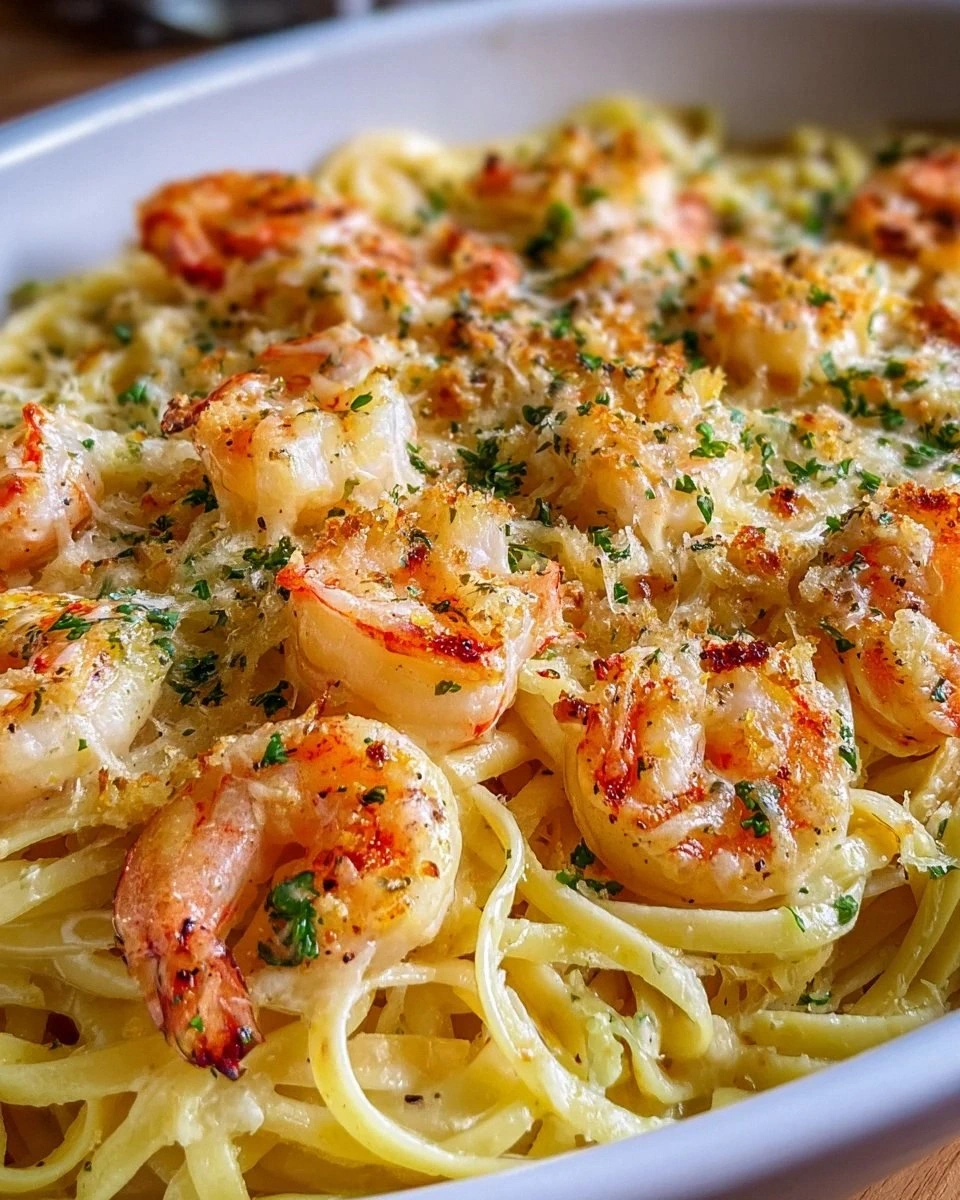
Fast forward a few weeks, and I’m standing in my kitchen with a skillet that smells like a Mediterranean sunrise, the sound of sizzling butter echoing like applause, and a confidence that borders on cocky. The moment the first whiff of garlic meets the buttery base, it’s as if the entire kitchen is wrapped in a warm, fragrant hug that whispers, “You’re about to eat something unforgettable.” The shrimp, pink and succulent, dive into the sauce and emerge glistening, while the pasta absorbs every drop of that luxurious, lemon‑kissed cream. When the bake finally slides out of the oven, the top is a golden, bubbling crust that crackles under your fork like fireworks on the Fourth of July.
This version of Shrimp Scampi Pasta Bake is hands down the best you’ll ever make at home. Most recipes get the balance of sauce and cheese wrong, either drowning the pasta in a soupy mess or leaving it dry as a desert. I’ve cracked the code by marrying a classic scampi sauce with a strategic bake that locks in moisture, adds a crunchy crown, and delivers a flavor punch that will make you question every other pasta dish you’ve ever tried. The secret? A splash of dry white wine that deepens the flavor, a dash of red pepper flakes for that subtle heat, and a finishing touch of panko breadcrumbs tossed in olive oil for that satisfying crunch.
And here’s the kicker: I’m about to reveal a technique that most home cooks overlook – the “double‑coat” method, where the pasta gets a light coating before it meets the sauce, ensuring every strand is perfectly coated, and then a second coating after the sauce so the cheese and breadcrumbs cling like a second skin. I dare you to taste this and not go back for seconds. Let me walk you through every single step — by the end, you’ll wonder how you ever made it any other way.
What Makes This Version Stand Out
- Flavor Explosion: The combination of garlic, butter, and white wine creates a sauce that coats the pasta like velvet, while the lemon zest adds a bright, citrusy pop that cuts through the richness.
- Texture Symphony: You get the tender bite of perfectly cooked shrimp, the silky smoothness of a cream‑laden sauce, and a crunchy, buttery panko topping that shatters like thin ice under your fork.
- Simplicity Meets Sophistication: Despite the gourmet vibe, the ingredient list is straightforward, and the steps are designed for home cooks who want impressive results without a PhD in culinary arts.
- Unique Double‑Coat Technique: This method guarantees that every noodle is drenched in flavor and that the cheese‑breadcrumb crust adheres flawlessly, preventing a soggy disaster.
- Crowd‑Pleaser Factor: Whether it’s a family dinner, a casual get‑together, or a date night, this bake consistently earns rave reviews and empty plates.
- Ingredient Quality: Fresh shrimp and real Parmesan elevate the dish, while pantry staples like butter and cream provide a luxurious base.
- One‑Pan Efficiency: Most of the cooking happens in a single skillet, and the bake finishes in the same dish, minimizing cleanup and maximizing flavor.
- Make‑Ahead Potential: Assemble the bake ahead of time, refrigerate, and pop it in the oven when you’re ready – perfect for busy weeknights.
Inside the Ingredient List
The Flavor Base
The backbone of this bake is the classic scampi sauce, built on unsalted butter, fresh garlic, and a generous splash of dry white wine. Butter provides a rich, silky mouthfeel, while garlic brings that unmistakable aromatic punch that makes you want to inhale deeply with each bite. The wine isn’t just for show; it deglazes the pan, lifting caramelized bits and adding a depth of flavor that water could never achieve. If you’re avoiding alcohol, replace the wine with an equal amount of low‑sodium chicken broth – you’ll still get that savory lift.
The Texture Crew
Here’s where the magic happens: heavy cream turns the sauce into a luscious, velvety blanket that clings to each strand of pasta. Parmesan cheese adds a nutty, salty edge, while shredded mozzarella creates that gooey, melt‑in‑your‑mouth layer we all crave. The panko breadcrumbs mixed with olive oil form a golden, crunchy crown that contrasts beautifully with the creamy interior. If you’re out of panko, regular breadcrumbs work fine, but you’ll miss that extra lightness.
The Unexpected Star
The lemon is the surprise hero. Its juice and zest brighten the entire dish, cutting through the richness and adding a fresh zing that makes the flavors pop. Don’t skimp on the zest – it’s packed with essential oils that intensify the citrus aroma. If you’re feeling adventurous, a splash of orange zest can add a subtle sweetness that pairs wonderfully with the shrimp.
The Final Flourish
Fresh parsley isn’t just a garnish; it adds a pop of color and a herbaceous note that balances the dish’s richness. And of course, shrimp – the star of the show. Choose large, deveined shrimp for a meaty bite, and make sure they’re thawed completely before cooking to avoid a rubbery texture. If you’re not a seafood fan, chicken breast or even firm tofu can substitute, but the sea‑kissed flavor will be missed.
Everything’s prepped? Good. Let’s get into the real action…
The Method — Step by Step
Start by bringing a large pot of salted water to a rolling boil. Add the linguine or spaghetti and cook until it’s al dente – about 9 minutes, give or take a minute depending on the package instructions. Drain, reserving a cup of the starchy water, and set the pasta aside. This water will later help the sauce cling to the noodles like a second skin. Okay, ready for the game‑changer? While the pasta cooks, melt 4 tablespoons of unsalted butter in a wide, oven‑safe skillet over medium heat.
Once the butter foams, add the minced garlic and let it sizzle for 30 seconds until fragrant – that sizzle when it hits the pan? Absolute perfection. Add the red pepper flakes and stir quickly, then pour in the half‑cup of dry white wine. Let the wine reduce by half, which should take about 2‑3 minutes; you’ll hear a gentle bubbling as the alcohol evaporates, leaving behind a concentrated, aromatic base.
Kitchen Hack: Use a splash of lemon juice instead of wine for a non‑alcoholic version that still adds acidity and depth.Next, stir in the heavy cream, letting it swirl into the wine reduction until the sauce thickens slightly, about 2 minutes. Add the zest of one lemon and its juice, then sprinkle in the grated Parmesan, stirring until it melts into a silky, glossy mixture. At this point, the sauce should coat the back of a spoon and smell like a seaside bistro. If the sauce looks too thick, add a splash of the reserved pasta water to loosen it – you want it to cling to the pasta without drowning it.
Now it’s shrimp time. Pat the shrimp dry with paper towels (this ensures they sear nicely) and season lightly with salt and black pepper. Add the shrimp to the skillet in a single layer, letting them sizzle for about 1‑2 minutes per side until they turn pink and opaque. Don’t walk away from the stove here – overcooked shrimp become rubbery, and nobody wants that. Once cooked, remove the shrimp and set aside; they’ll finish cooking in the oven, staying juicy.
Time to bring everything together. Toss the cooked pasta into the sauce, turning it gently so every strand is coated. Add the shrimp back into the pan, mixing them through the pasta so they’re evenly distributed. Sprinkle the chopped parsley over the top for a fresh, herbaceous note.
Watch Out: If you add the breadcrumbs now, they’ll lose their crunch during baking. Hold off until the final step.Preheat your oven to 400°F (200°C). In a small bowl, combine the panko breadcrumbs with 2 tablespoons of olive oil, tossing until each crumb is lightly coated. This little oil bath ensures the crumbs toast evenly and develop that golden‑brown crunch we all crave.
Transfer the skillet (or pour the mixture into a 9×13‑inch baking dish if your skillet isn’t oven‑safe). Sprinkle the shredded mozzarella evenly over the top, followed by the Parmesan if you like extra cheesiness. Then, scatter the olive‑oil‑tossed panko breadcrumbs across the surface, pressing them down gently with the back of a spoon. The breadcrumbs should form a uniform, slightly mounded layer that will turn into a crisp, buttery crust.
Slide the dish into the preheated oven and bake for 15‑18 minutes, or until the cheese is bubbling, the edges are pulling away from the sides, and the breadcrumb topping is a deep golden brown. You’ll hear a faint crackle as the crust forms – that’s the sound of perfection. Once out of the oven, let the bake rest for 5 minutes; this short rest allows the sauce to set slightly, making it easier to serve without sliding off the plate.
Finally, garnish with a final sprinkle of fresh parsley and a drizzle of extra‑virgin olive oil if you like a glossy finish. Serve hot, and watch as your guests dive in, eyes widening at the sight of that molten cheese and crunchy top. This next part? Pure magic. Pair with a crisp green salad and a glass of the same white wine you used in the sauce for a cohesive, restaurant‑worthy experience.
That’s it — you did it. But hold on, I’ve got a few more tricks that’ll take this to another level…
Insider Tricks for Flawless Results
The Temperature Rule Nobody Follows
Most home cooks bake at 350°F, but cranking the oven up to 400°F gives the breadcrumb topping that rapid, even browning without overcooking the shrimp. The higher heat creates a Maillard reaction on the crumbs, producing that irresistible, slightly nutty flavor. I once tried baking at a lower temperature and ended up with a soggy top – a clear reminder that heat is your friend here.
Why Your Nose Knows Best
Don’t rely solely on timers; trust your senses. When the sauce starts to thicken and you smell the lemon zest mingling with butter, you know it’s ready for the pasta. Likewise, the moment the breadcrumbs turn a deep amber and you hear a faint crackle, the bake is done. Your nose is a more reliable gauge than any kitchen timer.
The 5‑Minute Rest That Changes Everything
After pulling the bake from the oven, let it sit untouched for five minutes. This short rest allows the sauce to settle, preventing it from spilling over the plate when you cut a slice. It also lets the cheese firm up just enough to hold its shape, giving you clean, picture‑perfect portions.
Don’t Overcrowd the Shrimp
If you’re cooking for a crowd, avoid dumping all the shrimp into one pan. Overcrowding lowers the pan temperature, causing the shrimp to steam rather than sear. Cook them in batches, and you’ll get that coveted pink, caramelized edge that adds depth to each bite.
Seasoning Layers for Maximum Flavor
Season at three points: first, the shrimp before searing; second, the sauce as it simmers; third, a final pinch of salt after baking. This layered approach builds flavor incrementally, ensuring the final dish isn’t bland at any stage.
Creative Twists and Variations
This recipe is a playground. Here are some of my favorite ways to switch things up:
Spicy Chipotle Scampi
Swap the red pepper flakes for a teaspoon of chipotle in adobo sauce, finely chopped. The smoky heat pairs beautifully with the creamy sauce, and a sprinkle of cotija cheese on top adds a tangy finish.
Herb‑Infused Delight
Replace parsley with fresh basil and thyme. The aromatic herbs give the dish a Mediterranean vibe, and a handful of sun‑dried tomatoes adds a sweet, chewy contrast.
Veggie‑Loaded Version
Add sliced zucchini, cherry tomatoes, and baby spinach after the sauce thickens. The vegetables wilt into the sauce, adding color and nutrients without overwhelming the shrimp.
Cheesy Four‑Cheese Upgrade
Mix in equal parts shredded Gruyère, fontina, and provolone with the mozzarella for a richer, more complex cheese profile. The extra meltiness creates an even more indulgent crust.
Seafood Medley
Combine the shrimp with scallops and mussels for a surf‑and‑turf experience. Adjust the cooking time slightly – scallops need only 1‑2 minutes per side, and mussels are done when they open.
Gluten‑Free Adaptation
Use gluten‑free linguine or spaghetti and substitute regular panko with gluten‑free breadcrumbs. The texture remains just as satisfying, and the flavor stays true to the original.
Storing and Bringing It Back to Life
Fridge Storage
Allow the bake to cool completely, then cover tightly with aluminum foil or a reusable lid. It will keep in the refrigerator for up to 3 days. When reheating, place a splash of water or broth in the dish, cover with foil, and bake at 350°F for 15 minutes, then uncover for the last 5 minutes to restore the crisp topping.
Freezer Friendly
Freeze the unbaked version in a freezer‑safe container for up to 2 months. Label with the date and serving size. When ready, thaw overnight in the fridge, then bake as directed, adding an extra 5‑7 minutes to the baking time to ensure it’s heated through.
Best Reheating Method
The secret to a perfect reheated slice is steam. Add a tiny splash of water to the bottom of the dish before covering with foil and heating in a 350°F oven. The steam revives the creamy sauce, while the uncovered final minutes bring back that golden crunch.