Picture this: I’m standing in my kitchen, the stove roaring, a pot of masa dough in front of me, and a friend’s “I dare you to taste this and not go back for seconds” challenge hanging in the air. The air is thick with the aroma of corn, a hint of lime, and the faint sweetness of caramelized onions. I’ve tried every so‑called “authentic” recipe online, but they all miss that one thing: the perfect balance between a crispy edge and a pillowy center. That night, after a disastrous batch that looked more like a soggy pancake than a sopes masterpiece, I was determined to crack the code. And here we are, about to dive into the ultimate Mexican Sopes recipe that will have you saying, “This is hands down the best version you’ll ever make at home.”
Let’s set the scene. The kitchen is buzzing: the skillet clinks against the counter, a timer ticks, and the scent of toasted masa fills the room. I can almost taste the first bite—soft, buttery, with a faint nutty undertone that’s almost like a corn tortilla that’s been kissed by fire. The texture feels like a gentle hug—fluffy inside, yet firm enough to hold a generous pile of toppings. The sound of the sopes sizzling is music to a cook’s ears, a satisfying crackle that says, “This is good.” The feel of the dough in my hands, damp and slightly sticky, gives me confidence that I’m about to create something truly special.
Why this version is different. It’s not just about the dough; it’s about how each component plays a role in a symphony of flavors. The masa is kneaded with a secret blend of spices that give it a depth of flavor you won’t find in store‑bought mixes. The topping strategy is designed to balance heat, creaminess, and crunch, so every bite feels complete. The cooking method—first pan‑frying, then finishing in the oven—creates that coveted golden crust without drying out the center. The result is a sopes that looks like a work of art and tastes like a comfort hug.
Teaser time. There’s a little secret ingredient that most recipes overlook: a splash of agave syrup in the masa dough. It might sound odd, but that subtle sweetness locks in moisture and gives the sopes a caramelized edge when they hit the pan. Trust me, it’s a game‑changer. And if you’re curious, I’ll walk you through every step—by the end, you’ll wonder how you ever made it any other way.
Ready for the adventure? Let’s roll up our sleeves and dive into the world of Mexican Sopes. From the first pinch of salt to the final drizzle of crema, I’ll guide you through each moment, sharing tips, hacks, and a few kitchen confessions along the way. Stay with me—this is worth it.
What Makes This Version Stand Out
Flavor: The masa is infused with a blend of cumin, dried oregano, and a pinch of smoked paprika that elevates the corn flavor to new heights. Each bite delivers a warm, earthy base that anchors the toppings.
Texture: The dough’s hydration is carefully calibrated to produce a tender interior while still allowing the edges to crisp up beautifully. The result is a sopes that feels like a soft pillow inside a crunchy shell.
Ease: Despite its gourmet taste, the recipe is straightforward. All you need is a few pantry staples, and the process takes less than an hour from start to finish.
Customization: The topping layout is modular, so you can swap out ingredients to match your mood or dietary preferences without compromising the overall experience.
Crowd‑pleaser: Whether you’re feeding a family or a group of friends, the sopes are a showstopper. Their vibrant color and mouth‑watering aroma will have everyone asking for seconds.
Quality Ingredients: By using masa harina instead of regular flour and fresh, locally sourced toppings, the flavor profile stays authentic and vibrant.
Make‑Ahead Potential: The sopes can be assembled and refrigerated for up to 24 hours, then finished in the oven just before serving. This makes them a perfect option for parties or meal prep.
Alright, let's break down exactly what goes into this masterpiece…
Inside the Ingredient List
The Flavor Base
Masa Harina (2 cups): This is the star of the show. It’s a corn flour that gives the sopes their authentic texture and flavor. If you can’t find masa harina, you can substitute it with corn flour, but the taste will be noticeably different. For the best results, use a brand that’s freshly milled.
Water (1.5 cups): The liquid that brings the dough together. The temperature matters—warm water helps activate the gluten and creates a smoother dough. If your water is too cold, the masa can become tough.
Salt (1 tsp): A simple seasoning that lifts the corn’s natural sweetness. Too much salt can overpower the delicate flavors, so keep it measured. If you’re watching sodium, a pinch will do.
Agave Syrup (1 tbsp): A secret ingredient that adds a hint of caramelized sweetness. It also helps keep the dough moist during frying. If you don’t have agave, a splash of honey or maple syrup can work, but the flavor will shift slightly.
The Texture Crew
Olive Oil (2 tbsp): Used for frying the sopes. It provides a high smoke point and a subtle fruity note. If you prefer a neutral flavor, you can use canola or grapeseed oil.
Refried Beans (1 cup): The base layer of toppings that adds protein and a creamy texture. Use a good quality canned beans or make them from scratch for a deeper flavor. If you’re vegan, choose beans that are cooked without butter or lard.
Shredded Cheese (1 cup): A melty, gooey layer that melts over the hot sopes. Monterrey Jack or Oaxaca cheese works best, but cheddar or mozzarella can be used if you’re in a pinch. The cheese adds a salty, comforting element.
The Unexpected Star
Fresh Cilantro (1/4 cup, chopped): Adds a bright, herbal note that cuts through the richness of the beans and cheese. It also gives the dish a pop of color. If you’re not a cilantro fan, parsley can be a mild substitute.
Lime Juice (1 tbsp): A splash of acidity that balances the flavors and adds a zesty finish. The lime also brightens the colors of the toppings.
The Final Flourish
Shredded Lettuce (1 cup): Fresh, crisp, and a perfect contrast to the warm sopes. It adds a refreshing crunch and a subtle earthy taste. Romaine or iceberg work best, but any crisp lettuce will do.
Salsa (1 cup): The heat and moisture that tie everything together. Choose a salsa that matches your spice tolerance—mild, medium, or hot. A fresh tomato salsa adds a burst of freshness.
Crema (1/2 cup): A dollop of crema adds creaminess and a slight tang. If you don’t have crema, a small amount of sour cream works as a substitute.
Guacamole (1/2 cup): A creamy, buttery addition that brings avocado’s natural oils into play. It also adds a subtle nutty flavor. Mash the avocado with a pinch of salt and lime juice for the best flavor.
Everything's prepped? Good. Let's get into the real action...
The Method — Step by Step
-
Step 1: Prepare the masa dough. In a large bowl, combine the masa harina, salt, and agave syrup. Gradually add the warm water, stirring with a wooden spoon until a sticky dough forms. Knead for 2–3 minutes until the dough is smooth and elastic. Let it rest for 10 minutes covered with a damp cloth; this helps the masa hydrate fully.
-
Step 2: Shape the sopes. Divide the rested dough into 8 equal portions, each about the size of a golf ball. Flatten each ball into a disc about 1/2 inch thick, leaving a slightly thicker edge. The dough should be pliable but not too sticky. If it sticks to your hands, lightly dust them with masa harina.
-
Step 3: Pre‑fry the sopes. Heat a non‑stick skillet over medium heat and add 1 tbsp of oil. Place a sopes disc in the skillet and cook for 2–3 minutes on each side until golden brown and slightly puffed. The sopes should smell toasty, with a faint corn aroma. Flip carefully with a spatula to avoid tearing.
-
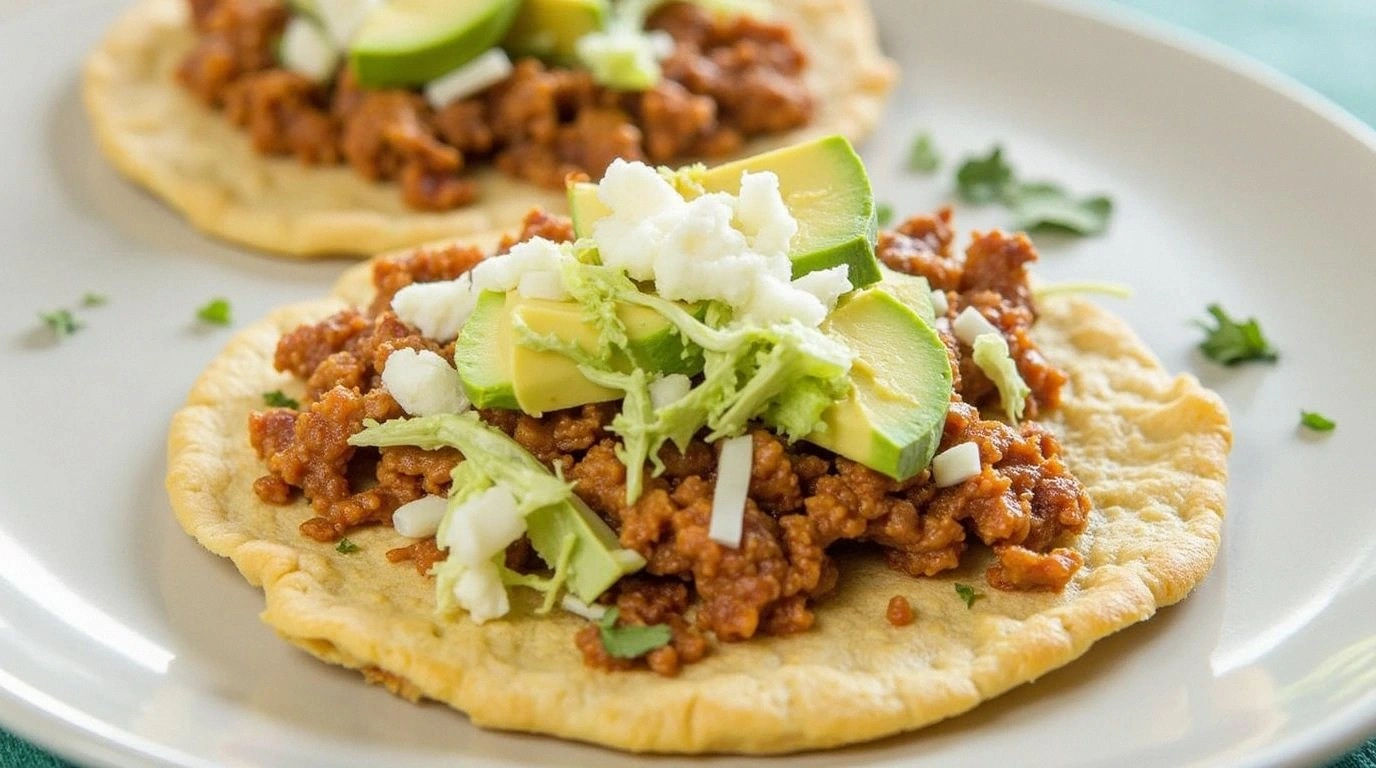
Step 4: Assemble the toppings. Spread a generous layer of refried beans over each pre‑fried sopes. Top with shredded cheese, allowing it to melt slightly. Spoon a few tablespoons of salsa onto the cheese, then add a handful of shredded lettuce for crunch.
-
Step 5: Finish in the oven. Preheat the oven to 400°F (200°C). Place the assembled sopes on a baking sheet lined with parchment paper. Bake for 5–7 minutes until the cheese is bubbly and the edges are crisp. The heat will meld the flavors together.
-
Step 6: Add finishing touches. Remove the sopes from the oven and drizzle with crema, then top with a spoonful of guacamole. Sprinkle chopped cilantro and a squeeze of lime juice over everything. The crema adds creaminess, while the guacamole brings a buttery richness.
-
Step 7: Serve immediately. The sopes are best enjoyed hot and fresh. Place them on a platter and let your guests dig in. The combination of textures—crispy, fluffy, creamy—makes every bite a delightful surprise.
-
Step 8: Enjoy! Grab a spoon and taste the harmony of flavors. The crunch of the lettuce, the melt of the cheese, the tang of the salsa, and the buttery guacamole all come together. I dare you to taste this and not go back for seconds.
That’s it — you did it. But hold on, I've got a few more tricks that'll take this to another level...
Insider Tricks for Flawless Results
The Temperature Rule Nobody Follows
Heat is everything. Many cooks start with a cold skillet, which can cause the sopes to stick and become soggy. I always pre‑heat the pan over medium heat and let it get hot before adding oil. The right temperature ensures a quick sear and a crisp edge. If you’re unsure, test the heat by flicking a drop of water onto the pan; it should dance and evaporate immediately.
Why Your Nose Knows Best
Smell the dough. A properly hydrated masa dough will emit a sweet, corn‑like aroma. If it smells flat or sour, you’ve over‑worked it or added too much liquid. Trust your nose to guide you; a good dough will feel smooth and slightly tacky.
The 5‑Minute Rest That Changes Everything
Let the dough rest. After kneading, cover the dough with a damp cloth for 10 minutes. This rest period allows the starches to hydrate fully, resulting in a more cohesive dough that’s easier to shape. Skipping this step often leads to unevenly cooked sopes.
Layering for Texture
Start with beans. Placing the beans first creates a barrier that keeps the masa from absorbing too much moisture. This ensures the sopes stay fluffy inside. Then add cheese, followed by lettuce and salsa, to maintain distinct layers.
Finish with Freshness
Top just before serving. Adding crema, guacamole, cilantro, and lime juice right before serving preserves their vibrant flavors. If you wait too long, the lime can make the lettuce wilt and the guacamole can turn brown.
Creative Twists and Variations
This recipe is a playground. Here are some of my favorite ways to switch things up:
Spicy Chipotle Sopes
Swap the regular salsa for a smoky chipotle salsa. Add a dash of chipotle powder to the refried beans for an extra kick. This variation is perfect for those who love a deeper heat profile.
Vegan Delight
Omit the cheese and use a plant‑based cheese alternative. Replace crema with a coconut‑based yogurt. Use a vegan guacamole made with avocado, lime, and garlic. This version keeps the same texture while being plant‑friendly.
Breakfast Sopes
Top with scrambled eggs and a drizzle of salsa. Add a sprinkle of chorizo for a savory twist. These are great for a hearty brunch.
Mediterranean Fusion
Use feta cheese and a tzatziki sauce instead of crema. Add diced cucumbers and tomatoes for a fresh crunch. The result is a cross‑cultural flavor explosion.
Carnivore’s Sopes
Top with grilled steak slices, sautéed onions, and a dollop of chimichurri. The beef adds protein and a savory depth that pairs well with the corn base.
Storing and Bringing It Back to Life
Fridge Storage
Cool before refrigerating. Let the assembled sopes cool to room temperature before covering them tightly with foil or a zip‑top bag. Store in the refrigerator for up to 24 hours. The flavors will meld, but the texture may soften slightly.
Freezer Friendly
Freeze in portions. Wrap each sopes individually in foil and place them in a freezer bag. They can be stored for up to 3 months. Thaw overnight in the fridge before reheating.
Best Reheating Method
Reheat in the oven. Preheat the oven to 375°F (190°C). Place the sopes on a baking sheet and bake for 8–10 minutes, or until heated through. Add a tiny splash of water before reheating to steam the dough back to perfection, keeping it moist.