
Ingredients
- 4 boneless, skinless chicken breasts
- 1/4 cup Dijon mustard
- 1/4 cup honey
- 2 tablespoons olive oil
- 1 tablespoon apple cider vinegar (or lemon juice)
- 2 cloves garlic, minced
- 1 teaspoon dried thyme (or 1 tablespoon fresh thyme)
- 1/2 teaspoon salt
- 1/4 teaspoon black pepper
Instructions
- 1Begin by preheating your oven to 375°F (190°C) to ensure it reaches the perfect temperature for baking the chicken evenly.
- 2In a bowl, whisk together the Dijon mustard, honey, olive oil, apple cider vinegar, minced garlic, dried thyme, salt, and black pepper until well combined into a smooth, flavorful mixture.
- 3Place the chicken breasts in a baking dish, then generously brush or spoon the honey Dijon sauce over each piece, ensuring they are well coated on all sides for maximum flavor.
- 4Put the dish into the preheated oven and bake for 25–30 minutes. Halfway through the cooking time, baste the chicken by spooning more sauce over the breasts to keep them moist and enhance the taste.
- 5Use a meat thermometer to check that the chicken has reached an internal temperature of 165°F (74°C), which ensures it is fully cooked and safe to eat.
- 6Once baked, remove the chicken from the oven and let it rest for a few minutes before serving. This dish pairs wonderfully with steamed vegetables or a fresh salad for a complete meal.
Why you'll love this recipe
- One-pan, minimal cleanup after dinner
- 30‑minute weeknight solution
- Crowd‑pleaser with sweet‑tangy flavor
- Make‑ahead friendly for meal prep
- Kid‑approved glaze they’ll ask for again
I remember the first time I served this honey‑Dijon chicken at my sister’s birthday brunch; the sun was streaming through the kitchen window, and the glaze caught the light like amber. My niece reached for a piece before I could even set the platter down, giggling as the sweet‑tangy sauce dripped down her chin—she declared it “the best chicken ever,” and I’ve been making it ever since.
The story
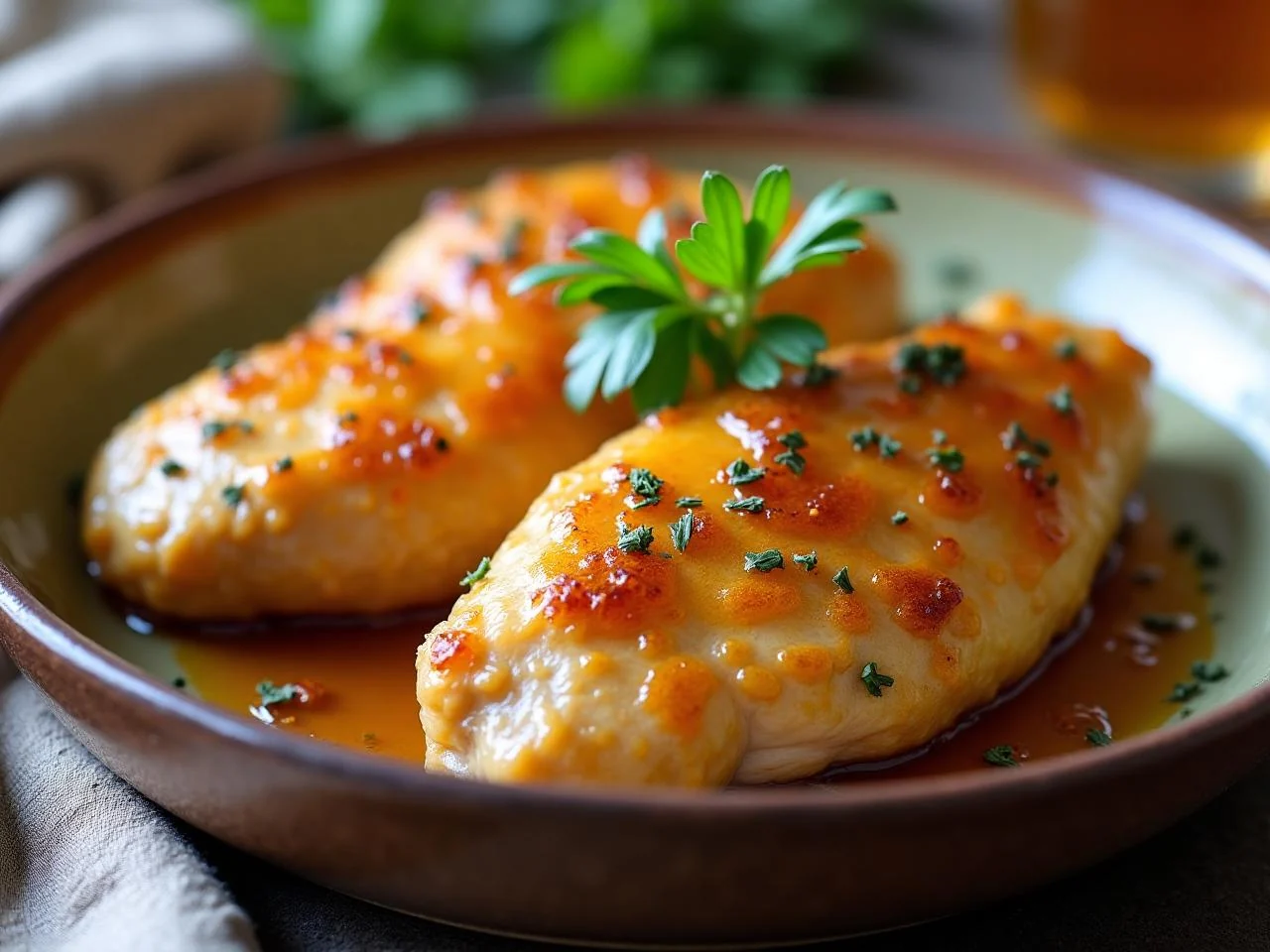
The kitchen fills with a glossy aroma as the honey‑Dijon glaze bubbles, caramelizing into a sticky sheen that clings to the chicken’s golden surface. A quick whiff delivers a perfect balance of sweet honey and sharp mustard, making my mouth water before the first bite. When the fork finally meets the tender meat, the sauce bursts with tangy brightness.
I first stumbled on this glaze while juggling a rainy Tuesday and a picky‑teen who refused anything bland. My roommate tossed together mustard, honey, and a splash of vinegar, and the result was an instant family favorite. That night the chicken practically disappeared from the platter, and I knew I’d found my go‑to weeknight hero.
What sets this version apart is the brief basting step halfway through the bake, which builds a glossy, caramelized crust without the need for a broiler. Most recipes simply dump the sauce on raw chicken and bake, leaving the glaze thin; our method layers flavor and texture.
Each bite delivers a sweet‑tart kiss from honey and mustard, underscored by the earthy whisper of thyme and the warm bite of garlic. The olive oil lifts the sauce, keeping the meat moist, while a pinch of black pepper adds a subtle heat that lingers on the palate.
Plate the chicken beside a rainbow of roasted vegetables or a crisp arugula salad for a light, balanced meal. It also shines as the centerpiece of a casual dinner party, where guests can drizzle extra glaze over crusty sourdough. For busy weekdays, pair it with quick‑cooking rice or buttered noodles and you’ve got a complete dinner in under 30 minutes.
Don’t let the idea of a glaze intimidate you—there’s no flambé or complicated technique, just a whisk, a brush, and a reliable oven temperature. Even if you’ve never basted before, the visual cue of the sauce bubbling up is easy to follow, and the result is foolproof.
I’ve tested this glaze with thighs, drumsticks, and even tofu, and the flavor holds up every time. So grab your ingredients, preheat the oven, and let’s get that sticky, golden finish on your chicken tonight.
Why This Recipe Works
- Basting midway adds moisture and caramelization for a glossy crust.
- High oven temperature creates a quick glaze without overcooking the meat.
- Resting after bake lets juices redistribute, ensuring tender chicken.
Ingredient notes & substitutions
boneless skinless chicken breasts
Lean protein that stays moist when baked with a high‑heat glaze
Dijon mustard
Adds sharp, creamy tang that balances honey’s sweetness
Honey
Provides natural sweetness and helps caramelize a glossy crust
Garlic
Infuses aromatic depth and a subtle bite
Thyme
Earthy herb that brightens the sauce without overpowering
Equipment you'll need
Before You Start
- Preheat oven to 375°F
- Whisk sauce ingredients together
- Pat chicken breasts dry
- Line baking dish with foil (optional)
Pro tips
Preheat oven fully
Give the oven at least 10 minutes to reach 375°F for even cooking.
Pat chicken dry
Dry the surface so the glaze adheres and browns properly.
Baste halfway
Spoon extra sauce over the breasts at 15 minutes to lock in moisture.
Use fresh thyme
Fresh leaves release more aroma than dried, but a teaspoon of dried works too.
Check internal temp
Aim for 165°F; an instant‑read thermometer guarantees safety.
Rest before slicing
Let the chicken rest 5 minutes so juices redistribute for tenderness.
Store extra glaze
Keep leftovers in a small jar; reheat gently and brush back on before serving.
Variations to try
Spicy Cajun Version
Add 1 tsp Cajun seasoning and a pinch of cayenne to the glaze for a bold kick.
Maple‑Mustard Glaze
Swap honey for maple syrup and increase mustard to 3 tbsp for a deeper, wood‑syried sweetness.
Greek‑Style Twist
Replace thyme with oregano and finish with a sprinkle of feta and lemon zest.
Chicken Slider Bites
Cut breasts into small strips, bake, and serve on mini buns with extra glaze.
Storage & make-ahead
Refrigerator
Transfer cooled chicken to an airtight container; keep for up to 3 days.
Freezer
Freeze individual portions in zip‑top bags for up to 2 months; thaw overnight in the fridge.
Best way to reheat
Reheat in a 350°F oven for 10‑15 minutes covered, adding a splash of broth to revive moisture.
Make-ahead
Mix and brush the glaze up to 12 hours ahead; keep coated chicken refrigerated uncovered, then bake.
Serving Suggestions
Troubleshooting
Sauce separates
Whisk vigorously over low heat to re‑emulsify, or stir in a splash of warm water.
Chicken sticks to pan
Line the dish with foil or parchment and lightly oil it before adding the chicken.
Chicken undercooked
Continue baking 5‑10 minutes, checking temperature until it reaches 165°F.
Glaze too thick
Thin with a tablespoon of water or chicken broth before the final basting.