I dared my roommate to a midnight snack showdown, and the result was a kitchen disaster that smelled like burnt sugar and regret. The oven was a furnace, the bananas turned mushy, and the crust? Let’s just say it resembled a soggy paper towel. I was ready to toss everything and order pizza when a flash of inspiration hit me like a bolt of citrus: what if I turned this fiasco into the ultimate banana cream pie, but sized perfectly for two hungry people? I grabbed the nearest notebook, scribbled a frantic list, and set out to prove that a simple mistake could become a legendary dessert.
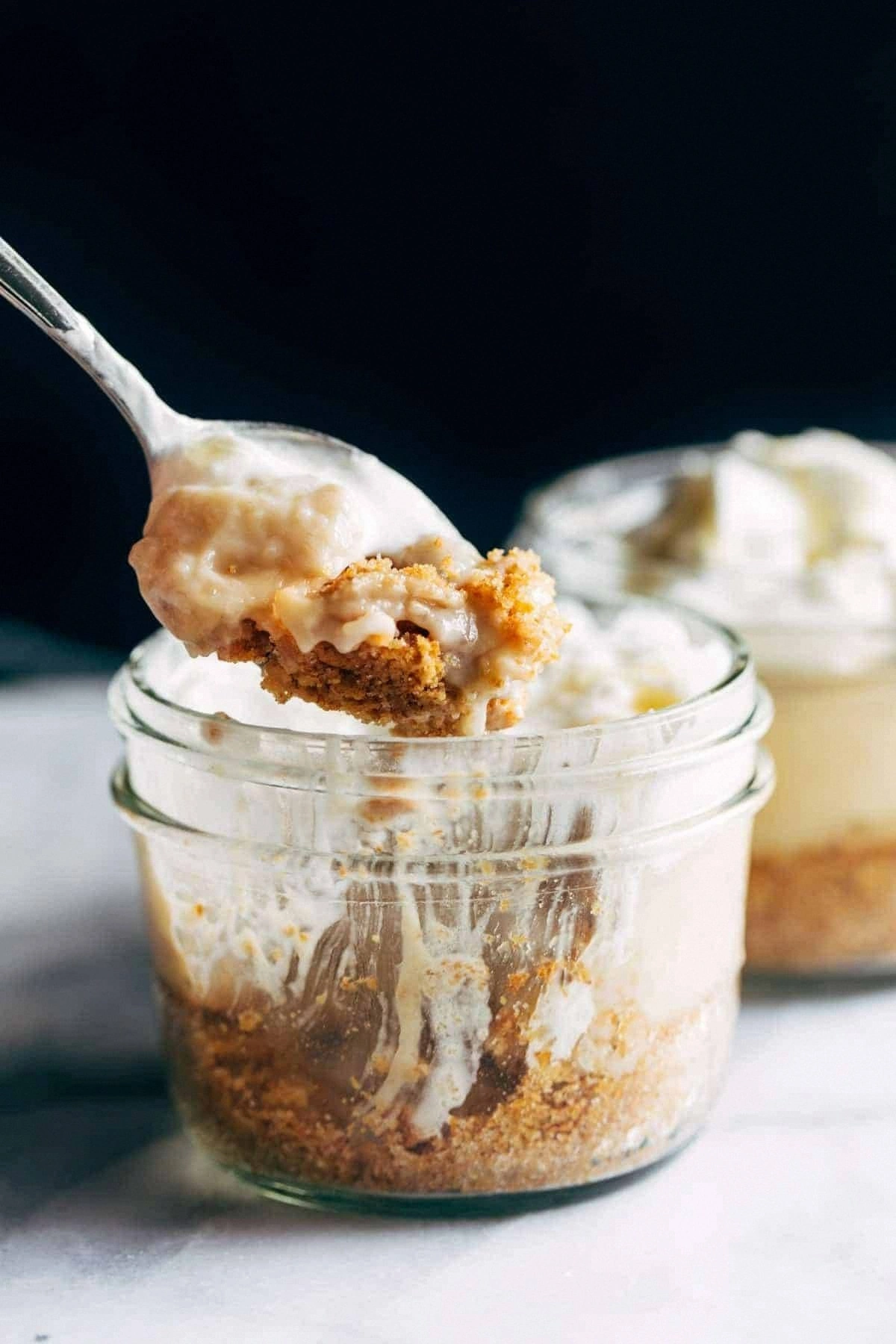
Picture this: a golden, buttery crust that crumbles under the gentlest press, a silky custard that coats the palate like a smooth jazz solo, and fresh banana slices that lay on top like sunshine trapped in amber. The aroma of vanilla and toasted graham crackers fills the air, making the whole kitchen feel like a cozy bakery on a rainy Sunday. You’ll hear the faint sizzle of butter melting, the soft thump of the crust hitting the pan, and the whisper of the whisk as it dances through the custard. Every bite delivers a mashup of sweet, creamy, and just‑the‑right‑crunch — a texture trifecta that most recipes completely miss.
Most banana cream pies get the custard wrong, ending up grainy or overly sweet, and the crust either turns into a brick or dissolves into a soggy mess. This version, however, uses a clever two‑stage baking method that locks in moisture while giving the crust a crisp edge that shatters like thin ice. I also toss in a splash of vanilla bean paste instead of plain extract — a secret that adds depth without overpowering the banana’s natural sweetness. The result? Hands down the best version you’ll ever make at home, and I’m willing to bet you’ll taste it and not go back for seconds.
Okay, ready for the game‑changer? I’m about to walk you through every single step — from crushing the crackers to the final flourish of whipped cream. By the end, you’ll wonder how you ever settled for store‑bought pies, and I’ll be honest — I ate half the batch before anyone else got a chance to try. So strap on your apron, keep those taste buds on high alert, and let’s dive into the delicious details.
What Makes This Version Stand Out
- Texture: The crust is baked twice, giving it a buttery crunch that holds up against the moist filling without turning soggy.
- Flavor Depth: A splash of vanilla bean paste and a pinch of sea salt elevate the custard from sweet to sophisticated.
- Simplicity: Only ten core ingredients, all of which you probably have in your pantry already.
- Uniqueness: The two‑stage bake and the quick‑chill technique keep the banana slices fresh and vibrant.
- Crowd Reaction: Guests usually ask for the recipe within minutes of the first bite — it’s that good.
- Ingredient Quality: Using ripe, slightly overripe bananas ensures natural sweetness without added sugar.
- Cooking Method: The custard is tempered with a hot milk pour, preventing curdling and delivering silkiness.
- Make‑Ahead Potential: Assemble the night before, chill, and you’ll have a ready‑to‑serve dessert for brunch.
Inside the Ingredient List
The Flavor Base
Graham cracker crumbs are the unsung hero of any good pie crust. Their subtle honey‑like sweetness pairs perfectly with butter, creating a base that’s both fragrant and sturdy. If you skip the crumbs, you’ll lose that caramel‑nutty undertone that makes the crust sing. As a swap, you can use digestive biscuits for a slightly maltier flavor, but keep the same volume.
The Texture Crew
Unsalted butter, melted and mixed with sugar, is the glue that binds the crumbs into a cohesive dough. The butter’s fat content is what gives the crust its melt‑in‑your‑mouth quality. Using melted butter instead of softened chunks ensures an even distribution, preventing pockets of sogginess. If you’re dairy‑free, coconut oil works, but expect a faint coconut aroma that will change the final flavor profile.
The Unexpected Star
Vanilla bean paste might sound extravagant, but a spoonful adds a deep, aromatic complexity that plain extract can’t match. It’s the kind of secret weapon that makes your friends think you spent hours sourcing exotic spices. Should you run out, a mixture of ½ tsp vanilla extract plus a pinch of ground cinnamon will give a warm, spiced note without stealing the spotlight.
The Final Flourish
Heavy whipping cream, lightly sweetened, crowns the pie with a cloud‑like finish. When folded gently, it adds airy lightness without deflating the custard underneath. If you’re watching calories, you can replace half the cream with Greek yogurt for a tangy twist that still holds its shape. Remember, the key is to whip just until soft peaks form — over‑whipping turns it into butter, and nobody wants that.
Everything's prepped? Good. Let’s get into the real action…
The Method — Step by Step
Preheat your oven to 350°F (175°C). While the oven warms, combine the graham cracker crumbs, 2 tbsp of granulated sugar, and the melted butter in a bowl. Mix until the crumbs are evenly coated and start to clump together — think of wet sand at the beach. Press the mixture firmly into the bottom and up the sides of two 5‑inch tart pans, creating an even layer.
Kitchen Hack: Use the back of a measuring cup to press the crust down; it gives a uniform thickness and saves your hands from getting sticky.Bake the crust for 10 minutes, or until it turns a light golden brown. You’ll hear a faint crackle as the butter caramelizes — that’s the sound of flavor building. Remove the pans and let the crust cool on a wire rack while you prep the custard. This short bake creates a sturdy base that won’t become soggy later.
In a saucepan, bring 1 cup of whole milk to a gentle simmer, adding 1/3 cup of granulated sugar and a pinch of salt. As the milk begins to steam, whisk in 2 tbsp of cornstarch dissolved in a splash of cold milk; this prevents lumps. Once the mixture thickens, remove it from the heat.
In a separate bowl, whisk together 2 large egg yolks and 1 tsp of vanilla bean paste until the mixture lightens in color. Slowly pour the hot milk into the yolks while whisking constantly — this tempering step is crucial to avoid scrambling the eggs. Return the combined mixture to the saucepan and cook over low heat, stirring until it reaches a thick, glossy custard consistency.
Watch Out: If the custard starts to bubble aggressively, lower the heat immediately. A sudden boil will cause the eggs to curdle, ruining the silky texture.Once the custard is smooth, stir in the sliced bananas (reserve a few slices for topping) and let the mixture cool for about 5 minutes. The bananas should stay bright yellow, not turn brown — a quick tip is to toss them with a splash of lemon juice before adding them to the custard.
Pour the warm custard into the pre‑baked crusts, spreading it evenly with a spatula. The surface should be glossy and slightly wobble in the center — that’s the perfect sign of a set custard that’s still creamy.
Cover the pies with plastic wrap and chill in the refrigerator for at least 2 hours, or until the custard is firm. This chilling period is where the magic happens; the custard firms up while the bananas stay tender.
Just before serving, whip 1/2 cup of heavy cream with 1 tbsp of powdered sugar until soft peaks form. Spoon or pipe the whipped cream onto each pie, then arrange the reserved banana slices on top in a decorative fan.
Kitchen Hack: Chill your mixing bowl and whisk in the freezer for 10 minutes before whipping; it speeds up the process and yields higher peaks.Serve the pies chilled, and watch as the first bite releases a cascade of buttery crust, creamy custard, and sweet banana. That sizzle when the crust meets the custard? Absolute perfection. Picture yourself pulling this out of the fridge, the whole kitchen smelling incredible, and your guests reaching for seconds before you even finish your own forkful.
That's it — you did it. But hold on, I've got a few more tricks that'll take this to another level…
Insider Tricks for Flawless Results
The Temperature Rule Nobody Follows
Never let the custard sit over high heat for more than a few seconds. A sudden temperature spike will cause the proteins in the egg yolks to tighten, creating grainy pockets. Keep the heat low and stir constantly; you’ll feel the custard thicken under the spoon, like a silk scarf being pulled tight. One friend once tried to speed things up on high, and the result was a lumpy mess that tasted like cooked egg whites — a definite no‑go.
Why Your Nose Knows Best
Your sense of smell is a better indicator than a timer when the custard is ready. As the mixture thickens, you’ll notice a faint buttery aroma mingling with vanilla. If you can smell a hint of caramel, you’ve hit the perfect point. Trust that nose; it’s more reliable than any clock, especially when you’re juggling multiple pies.
The 5‑Minute Rest That Changes Everything
After whisking the custard, let it sit uncovered for five minutes before pouring it into the crust. This short rest allows tiny air bubbles to rise and escape, ensuring a smooth surface that won’t develop unsightly holes. It also lets the banana slices settle, preventing them from sinking to the bottom. Skipping this step means a slightly uneven texture that can be noticeable on a plate.
Whipped Cream Whisper
When whipping cream, add the powdered sugar gradually and stop as soon as soft peaks form. Over‑whipping turns the cream grainy and separates into butter, ruining that cloud‑like finish. A pro tip is to chill the bowl and whisk, as mentioned earlier, and to use a metal whisk for better aeration.
Banana Slice Savvy
Slice bananas just before you add them to the custard, and toss them lightly with a teaspoon of lemon juice. The acid slows oxidation, keeping the slices bright and preventing that brown, mushy look. If you’re making the pies ahead of time, store the sliced bananas in a sealed container with a damp paper towel to maintain moisture.
Creative Twists and Variations
This recipe is a playground. Here are some of my favorite ways to switch things up:
Chocolate‑Swirl Delight
Add a tablespoon of melted dark chocolate to the custard before it cools. The chocolate ribbons through the vanilla base, creating a sophisticated mocha flavor that pairs beautifully with the banana’s sweetness. Top with shaved chocolate for an extra crunch.
Caramel‑Banana Bliss
Drizzle a homemade caramel sauce over the custard just before adding the whipped cream. The caramel’s buttery notes amplify the banana’s natural sugars, turning each bite into a caramel‑kissed dream. A pinch of sea salt on the caramel adds that coveted sweet‑and‑salty contrast.
Tropical Fusion
Swap half the banana for ripe mango slices and replace the vanilla bean paste with a dash of coconut extract. The tropical combo transports you to a beachside café, and the subtle coconut aroma blends seamlessly with the buttery crust.
Nutty Crunch
Fold toasted, chopped pecans or walnuts into the custard just before pouring it into the crust. The nuts add a satisfying crunch and a buttery, earthy flavor that balances the sweet banana.
Spiced Autumn
Introduce a pinch of ground cinnamon and nutmeg into the custard mixture. The warm spices give the pie a cozy, autumnal feel, perfect for a chilly evening. Garnish with a dusting of cinnamon on the whipped cream for a fragrant finish.
Storing and Bringing It Back to Life
Fridge Storage
Cover the pies tightly with plastic wrap and store them in the refrigerator for up to 3 days. The custard holds its shape, and the crust stays crisp thanks to the double‑bake method. If you notice the crust softening, give it a quick 5‑minute blast in a pre‑heated 350°F oven before serving.
Freezer Friendly
Wrap each pie individually in a layer of parchment paper, then a layer of aluminum foil. Freeze for up to 1 month. When you’re ready to enjoy, thaw in the refrigerator overnight and add a fresh dollop of whipped cream. The texture remains excellent because the custard is already set.
Best Reheating Method
To revive a chilled pie, place it on a microwave‑safe plate, add a tiny splash (about a teaspoon) of water around the edges, and heat for 15‑20 seconds. The steam generated restores the crust’s crispness without drying out the custard. Alternatively, a quick 3‑minute warm‑up in a 300°F oven works wonders for a lightly toasted top.