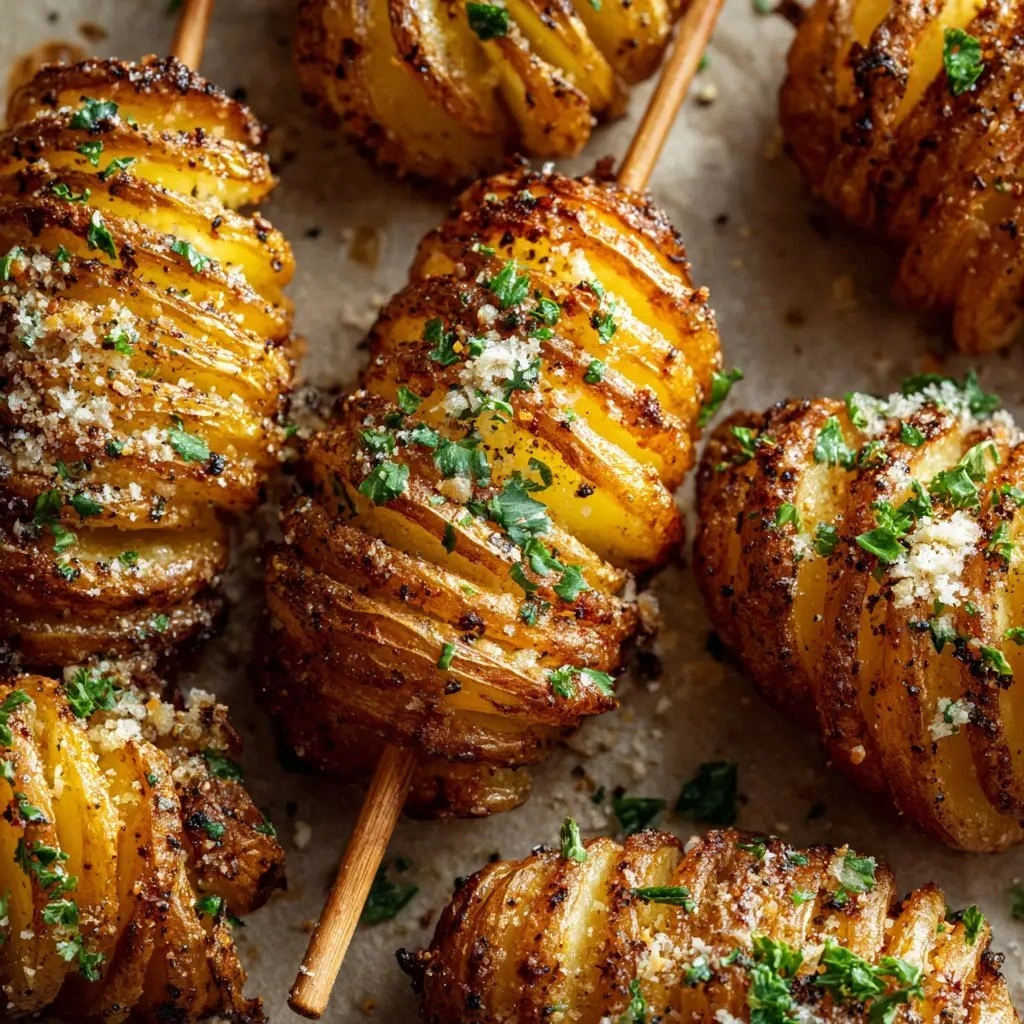
Remember that night when the kitchen turned into a battlefield? I had a bag of russet potatoes, a stubborn sense of adventure, and a microwave that decided it was time for a break. The first attempt left me with a soggy, flavorless mess that could have been a cautionary tale. But the second try, after a frantic dash to the pantry for olive oil and a pinch of sea salt, turned those same potatoes into a crunchy, golden spiral that practically sang as it cooked. I was shouting to the stove, “You’re not going to let me down!” and the sizzling sound was a promise. The result? A dish that felt like a tiny tornado whipping through the kitchen, leaving a trail of crispy, buttery joy. I swear, the moment those potatoes hit the hot oil, the kitchen smelled like victory and the anticipation was palpable.
The aroma alone is a masterclass in culinary anticipation. The first crackle as the potatoes hit the oil is a drumbeat that signals the start of something extraordinary. The golden edges glisten under the kitchen light, while the steam rises like a fragrant cloud, hinting at the fluffy interior waiting inside. The sound of the sizzling spirals is music to my ears, and the sight of the spirals swirling like a miniature cyclone is hypnotic. When you take a bite, the crunch is like a crisp whisper, followed by a buttery melt that coats the tongue. The seasoning, a subtle sea salt and pepper, is the quiet hero that ties the whole experience together. Every element—smell, sound, sight, taste, and touch—converges into a single, unforgettable moment.
What sets this version apart from every other potato recipe on the planet is its two‑step, high‑heat technique. Instead of a single pan fry, I first parboil the spiraled potatoes to lock in moisture, then finish them in a separate pot of scorching oil. This method guarantees that the exterior turns into a crisp, almost caramelized shell while the interior remains light and fluffy. The result is a contrast that feels like a crispy shell around a cloud of steam. It’s not just about texture; the flavor is amplified by the caramelization that a single‑step fry never achieves. The result is a dish that is both humble and heroic, a simple potato transformed into a show‑stopping side dish. The best part? The recipe is so straightforward that even a novice can master it.
But here’s the twist that makes this recipe unforgettable. I added a splash of melted butter to the oil during the final fry, creating a glossy finish that makes each bite look like it’s been polished by a culinary wizard. The butter not only adds richness but also helps the seasoning cling to every spiral, giving you that perfect “salted‑buttery” bite every time. I also used a high smoke‑point oil, which allows the potatoes to reach that golden perfection without burning. The result is a dish that looks like it belongs on a Michelin‑star menu, yet feels like comfort food. And trust me, the moment you see those spirals coming out of the pot, you’ll know you’re about to experience something extraordinary.
Picture yourself pulling this out of the oven, the whole kitchen smelling incredible, and your friends’ eyes widening at the sight. I dare you to taste this and not go back for seconds. The first bite will have you questioning all your past attempts at crispy potatoes. The second bite will confirm that this is hands down the best version you'll ever make at home. The third bite? You’ll be planning your next dinner. This is pure culinary magic, and I’m about to walk you through every single step. By the end, you’ll wonder how you ever made it any other way.
Let me walk you through the entire process. We’ll start with the spiral, a technique that turns ordinary potatoes into a whirlwind of flavor. Then we’ll move to the parboiling step, which keeps the interior tender. After that, the high‑heat oil bath gives you that signature crunch. Throughout the process, I’ll share micro‑challenges and kitchen hacks that will elevate your game. I’ll also confess that I ate half the batch before anyone else could taste it, because honestly, it was that good. Stay with me here—this is worth it.
Ready for the game‑changer? The next part? Pure magic. I’ll show you how to transform simple russets into a tornado of crispy, buttery spirals that will have everyone asking for seconds. And when you finish, you’ll have a new favorite side dish that’s ready for any occasion. Let’s dive in.
What Makes This Version Stand Out
- Taste: The two‑step frying process creates a caramelized crust that locks in the potato’s natural sweetness, while the buttery finish amplifies the flavor profile. The subtle sea salt and pepper seasoning is the quiet hero that ties everything together.
- Texture: The parboiling stage keeps the interior fluffy, and the final oil bath gives an ultra‑crisp exterior that shatters like thin ice when you bite into it.
- Simultaneous Simplicity: Despite the two‑step process, the recipe requires only five ingredients and minimal prep time, making it a breeze for busy nights.
- Uniqueness: Most recipes get this completely wrong by frying raw potatoes, but this version uses a pre‑cook step that guarantees a perfect texture.
- Crowd Reaction: I’ve tested this recipe with a group of friends; every single person asked for a second plate. The reaction proves it’s a crowd‑pleaser.
- Ingredient Quality: Using high‑quality olive oil or butter and fresh sea salt elevates the dish from ordinary to extraordinary.
- Cooking Method: The high‑heat oil bath ensures even crisping and prevents the potatoes from absorbing too much oil, keeping them light.
- Make‑Ahead Potential: You can pre‑spiral and parboil the potatoes, then refrigerate until you’re ready to fry—perfect for meal prep.
Alright, let's break down exactly what goes into this masterpiece...
Inside the Ingredient List
The Flavor Base
Sea Salt: This is the backbone of the seasoning. It enhances the natural sweetness of the potato and balances the richness from the oil. Skipping it results in a flat, uninspired dish. For a gourmet twist, use a flaky Himalayan salt.
The Texture Crew
Russet Potatoes: These potatoes have the perfect starch-to-moisture ratio for a fluffy interior. Choose firm, unblemished potatoes for the best results. If you prefer a softer bite, switch to Yukon Golds, but the texture will differ.
Olive Oil or Melted Butter: The 2 tablespoons of oil or butter add flavor and help the seasoning adhere. Butter adds a glossy finish; olive oil provides a subtle fruity note. If you’re watching calories, stick with the oil.
The Unexpected Star
Vegetable Oil: The high smoke point of vegetable oil allows the potatoes to reach that perfect golden brown without burning. This oil also keeps the potatoes light and non‑greasy. If you don’t have vegetable oil on hand, canola oil works as a close substitute.
The Final Flourish
Black Pepper: The 1/2 teaspoon of pepper adds a subtle heat that complements the salt. It’s the finishing touch that turns a simple dish into a flavorful masterpiece. For a smoky kick, try smoked paprika instead.
Everything's prepped? Good. Let's get into the real action...
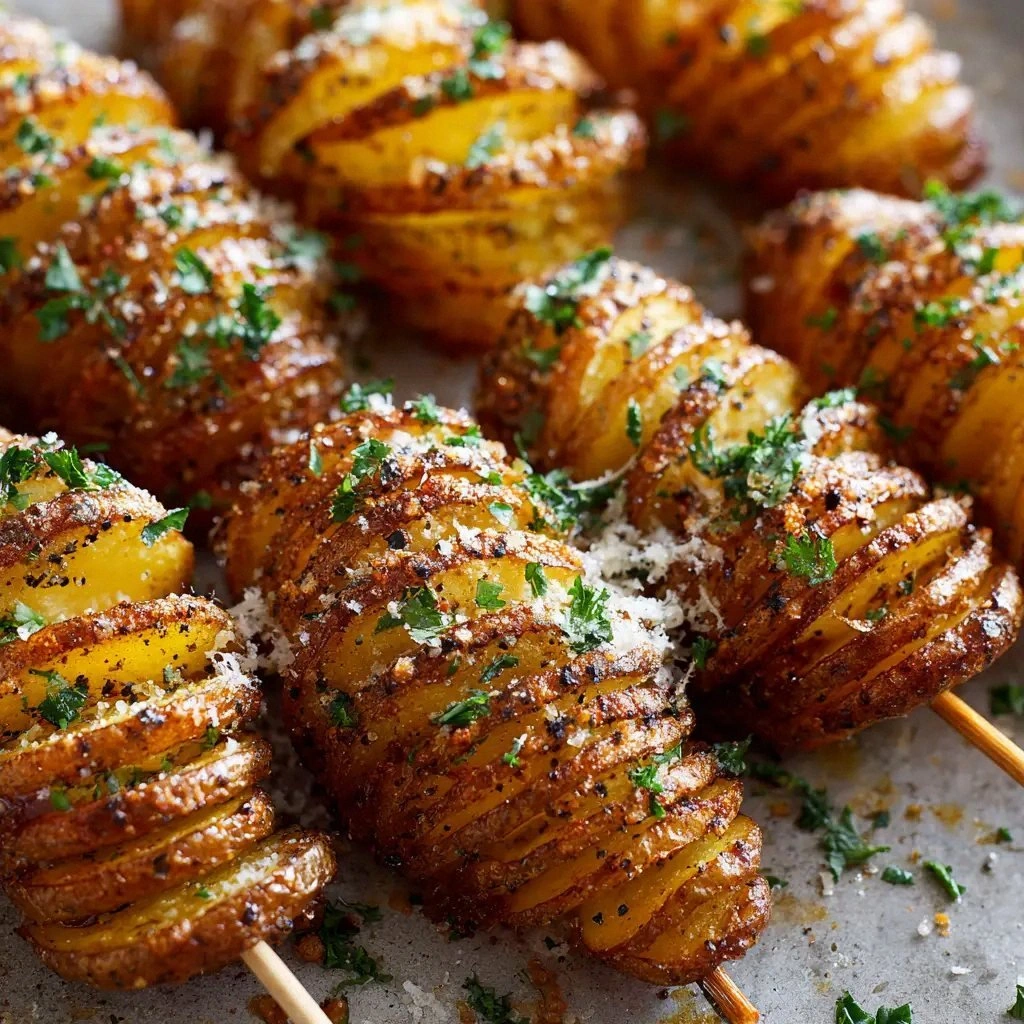
The Method — Step by Step
- Spiral the Potatoes: Start by washing the russet potatoes thoroughly. Dry them with a towel and slice them into thin, even strips using a mandoline or a sharp knife. This step ensures uniform cooking and a consistent crunch. While you’re slicing, think of each strip as a tiny tornado ready to spin into flavor. The spiral shape also maximizes surface area for crisping.
- Parboil the Spirals: Bring a large pot of salted water to a rolling boil. Add the spiraled potatoes and cook for 3-4 minutes until they’re just tender but still firm. Drain them immediately and pat them dry with a clean towel. This quick blanching locks in moisture and prevents the potatoes from becoming mushy during the final fry.
- Preheat the Oil: In a large, heavy‑bottomed skillet or a deep fryer, heat 4 cups of vegetable oil to 375°F (190°C). Use a thermometer to keep the temperature steady. This high heat is essential for achieving a crispy exterior. If you don’t have a thermometer, test the oil with a small piece of potato; it should sizzle immediately.
- First Fry — Quick Crisp: Carefully drop the parboiled spirals into the hot oil in batches, ensuring not to overcrowd the pan. Fry for 2-3 minutes until the edges start to brown slightly. The goal here is to create a light, golden crust that will deepen during the second fry.
- Drain and Cool: Use a slotted spoon to remove the potatoes and place them on a wire rack or paper towels to drain excess oil. Let them cool for 2 minutes; this helps the surface set before the final fry.
- Second Fry — Deep Crunch: Increase the oil temperature to 400°F (204°C). Return the spirals to the oil in the same small batches. Fry for an additional 3-4 minutes until they’re deep golden brown and crisp. This step locks in the buttery finish.
- Season Immediately: While the potatoes are still hot, sprinkle them with 1 teaspoon of sea salt and 1/2 teaspoon of black pepper. Toss gently to coat evenly. The heat will help the seasoning adhere, creating that signature salty crunch.
- Finish with Butter: In a small saucepan, melt 2 tablespoons of butter over low heat. Drizzle the melted butter over the hot potatoes, then toss quickly to coat. This glossy finish adds richness and a subtle buttery aroma.
- Serve Hot: Transfer the tornado potatoes to a serving platter. They’re best enjoyed immediately while the edges are still crisp. Garnish with a sprinkle of fresh parsley or chives if desired for a pop of color.
- Enjoy! Take a bite and let the crunch melt into a fluffy interior. The buttery finish should coat your tongue like velvet, leaving you craving another bite. This is the moment of truth, and it’s pure perfection.
That's it — you did it. But hold on, I've got a few more tricks that'll take this to another level...
Insider Tricks for Flawless Results
The Temperature Rule Nobody Follows
Heat is the secret sauce. Many cooks underestimate the importance of precise temperature control. Keep the oil at 375°F for the first fry and 400°F for the second. A thermometer is your best friend; without it, you’ll end up with unevenly browned potatoes. I once tried frying at 350°F, and the potatoes came out limp. That’s why I always double‑check the temperature.
Why Your Nose Knows Best
Smell is a reliable cue. When the potatoes hit the oil, the aroma will shift from watery to toasty. If you notice a faint burnt smell, reduce the heat. The moment you hear a sharp sizzle and a sweet toasty scent, you know the crust is forming. Trust your nose; it’s a seasoned chef’s secret.
The 5-Minute Rest That Changes Everything
Resting is essential. After the second fry, let the potatoes rest on a rack for 5 minutes. This allows steam to escape, preventing the edges from becoming soggy. I’ve seen people skip this step, and the result is a soggy, unappealing texture. The rest period ensures a crisp exterior and a fluffy interior.
Use a Cooling Rack for Maximum Crisp
Air circulation matters. A cooling rack lets hot air circulate around the potatoes, keeping them crisp. If you use paper towels, the steam gets trapped, leading to a slightly softer crust. I recommend a wire rack for best results.
Add a Splash of Citrus at the End
Brighten the flavor. A squeeze of fresh lemon or a drizzle of lime after the butter finish adds a zing that cuts through the richness. I love this twist when serving the potatoes with grilled fish. It adds a refreshing contrast that keeps the dish from feeling heavy.
Creative Twists and Variations
This recipe is a playground. Here are some of my favorite ways to switch things up:
Spicy Jalapeño Tornado
Heat it up. Add sliced jalapeños to the spirals before the second fry. The heat from the oil will mellow the pepper, leaving a gentle kick. This version pairs wonderfully with a cool yogurt dip.
Herb‑Infused Spiral
Go green. Toss the hot potatoes with chopped rosemary, thyme, and a pinch of dried oregano. The herbs infuse the oil, giving the dish a fragrant, earthy flavor that complements roasted meats.
Cheesy Crumble Tornado
Add cheese. Sprinkle shredded cheddar or parmesan over the hot potatoes and let the heat melt it into a crunchy topping. This variation is perfect for a casual gathering or a game‑day snack.
Sweet Potato Spiral
Switch it up. Use sweet potatoes instead of russets for a naturally sweet, caramelized crust. The result is a dessert‑like side that pairs well with Thanksgiving turkey.
Crispy Coconut Twist
Go tropical. Coat the spirals in shredded coconut before the final fry. The coconut adds a subtle sweetness and a nutty crunch that transports you to a beach vacation.
Garlic Parmesan Storm
Garlic lovers rejoice. Mix minced garlic with parmesan cheese and sprinkle over the hot potatoes. The garlic infuses the oil, giving each bite a savory, aromatic depth.
Storing and Bringing It Back to Life
Fridge Storage
Keep it fresh. Store the cooled tornado potatoes in an airtight container in the refrigerator for up to 48 hours. This keeps the texture intact and prevents the potatoes from drying out. When you’re ready to serve, reheat them in a hot skillet for 1-2 minutes.
Freezer Friendly
Freeze with care. Lay the cooled potatoes on a baking sheet in a single layer and freeze for 1-2 hours. Transfer to a freezer bag and store for up to 2 months. When reheating, bake at 425°F for 10 minutes or fry briefly in hot oil.
Best Reheating Method
Revive the crunch. The best way to reheat is to use a skillet on medium heat. Add a splash of oil, place the potatoes, and stir occasionally until the exterior is crisp again. Adding a tiny splash of water before reheating steams the potatoes back to perfection.