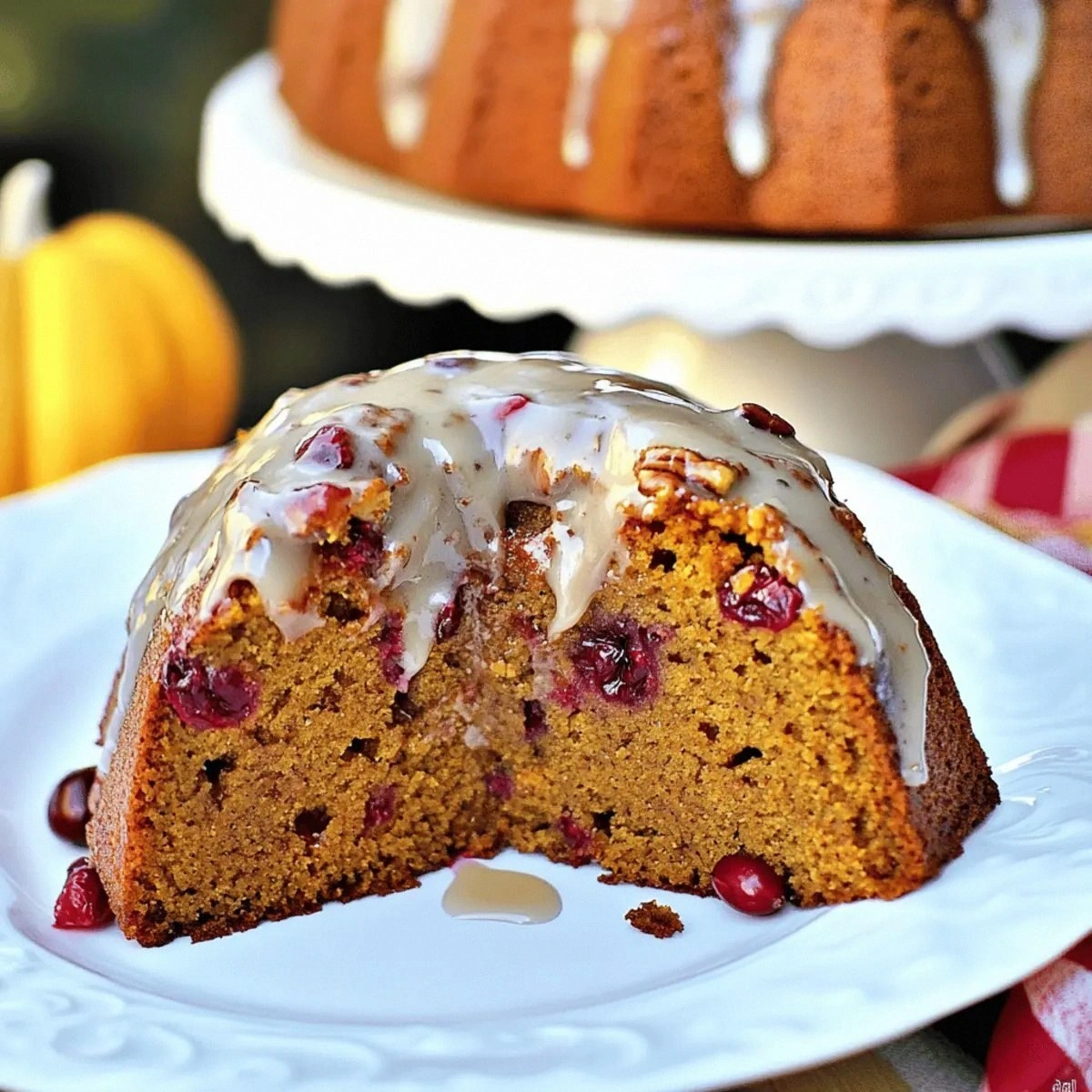
I once tried to bake a “quick” Thanksgiving cake while the turkey was still in the oven, and what happened next could have been a sitcom episode. The kitchen filled with a chaotic chorus of sizzling pans, a rogue wave of pumpkin puree splattering on the floor, and my roommate shouting, “Is that a fire?” I laughed, salvaged the mess, and vowed to create a version that could survive any holiday pandemonium. That night, I dreamed of a cake so moist it could soak up the turkey drippings without turning soggy, a cake that sang with spice and still left room for a sweet glaze that would make even the most stubborn aunt gasp.
Fast forward to this morning: the air is crisp, the leaves are doing their fiery dance outside, and the scent of cinnamon and roasted pumpkin is already sneaking through the house like a mischievous guest. I can almost hear the crackle of the oven door, the soft thud of a perfectly browned crust, and the faint pop of pecans as they toast themselves into buttery perfection. My fingertips tingle as I whisk butter and sugar together, feeling the buttery clouds form under my whisk like a tiny snowstorm in a bowl. The whole scene feels like a warm hug wrapped in a buttery, spiced blanket.
Why does this version stand out? Because most Thanksgiving cakes treat pumpkin as a background actor, while this one makes it the star of the show, supported by a chorus of apples, cranberries, and toasted pecans that add texture and surprise. Most recipes get the spice ratio wrong, ending up either bland or overpowering; I’ve balanced it so that each bite is a symphony where cinnamon, ginger, nutmeg, and cloves play in perfect harmony. The glaze? It’s a maple‑kissed frosting that glistens like morning dew on a autumn leaf, delivering a sweet‑savory finish that most store‑bought mixes simply can’t match.
And here’s the kicker: I’m about to reveal a secret technique involving a brief “rest‑in‑the‑pan” that locks in moisture and gives the crumb a melt‑in‑your‑mouth quality you’ll swear is magic. I dare you to taste this and not go back for seconds—because once you’ve experienced this level of holiday bliss, ordinary desserts will feel like a bland afterthought. Let me walk you through every single step — by the end, you’ll wonder how you ever made it any other way.
What Makes This Version Stand Out
- Flavor Explosion: The blend of pumpkin, apple, and cranberries creates layers of sweet‑tart that dance on the palate, while the maple glaze adds a caramel‑like finish that lingers delightfully.
- Texture Harmony: A moist, tender crumb meets crunchy pecan bits and juicy cranberries, delivering a bite that’s both soft and satisfyingly crisp.
- Simplicity Meets Sophistication: Despite the impressive flavor profile, the ingredient list is straightforward, using pantry staples and a few fresh touches that won’t intimidate home bakers.
- Unique Twist: The inclusion of a fresh apple grated into the batter adds natural sweetness and moisture, a trick most pumpkin cakes overlook.
- Crowd‑Pleaser: Guests rave, often asking for the recipe before the first slice is even served. It’s the kind of cake that turns strangers into repeat visitors.
- Ingredient Quality: Using real maple syrup and fresh cranberries elevates the dish from “holiday‑ish” to “holiday‑royal”.
- Cooking Method Magic: The bundt pan’s unique shape creates caramelized edges that pull away from the sides, giving you that coveted “golden‑brown halo” every baker dreams of.
- Make‑Ahead Potential: Bake it a day ahead, wrap it tightly, and the flavors actually improve, making it perfect for busy Thanksgiving schedules.
Inside the Ingredient List
The Flavor Base
Pumpkin puree is the heart of this cake, delivering that quintessential autumnal earthiness. Using canned unsweetened pumpkin ensures consistency; fresh pumpkin can be watery and throw off the texture. If you’re feeling adventurous, try a 50/50 blend of pumpkin and sweet potato for a deeper, caramel‑like nuance. The fresh apple, grated finely, brings a subtle natural sweetness and extra moisture, preventing the cake from ever feeling dry.
Cranberries add a bright, tart pop that cuts through the richness of butter and sugar. Fresh cranberries are best—frozen works too, but they release more juice, so you may need to reduce the liquid a tad. Pecans, toasted just until golden, introduce a buttery crunch that contrasts beautifully with the soft crumb.
The Spice Crew
Cinnamon, ginger, nutmeg, and cloves are the classic quartet that defines Thanksgiving flavor. Each spice is measured precisely: a teaspoon each of cinnamon, ginger, and freshly grated nutmeg, plus a quarter teaspoon of cloves. Too much clove can dominate, while too little makes the blend flat. If you’re a fan of heat, a pinch of cayenne can turn this into a daringly spicy dessert.
Baking powder and baking soda work together to give the cake lift. The soda reacts with the acidity from the pumpkin and apple, while the powder provides steady rise throughout the bake. Skipping either will result in a dense, heavy cake—trust me, I’ve learned that the hard way.
The Sweeteners
Granulated sugar and light brown sugar combine to give both crisp sweetness and a hint of molasses depth. The brown sugar’s moisture helps keep the crumb tender, while the granulated sugar contributes to a fine, even crumb. The glaze uses confectioners’ sugar and pure maple syrup, creating a glossy finish that’s sweet but not cloying.
The Final Flourish
All‑purpose flour provides the structure, while butter adds richness and a tender crumb. Use unsalted butter so you can control the salt level precisely; I recommend a high‑quality European butter for its higher butterfat content, which yields a silkier texture. The eggs act as binders and add lift, and the vanilla extract ties all the flavors together with its warm, aromatic backdrop.
If you’re allergic to nuts, swap pecans for toasted pumpkin seeds. If you’re vegan, replace butter with coconut oil, use flax eggs, and choose a plant‑based milk‑free glaze—though the texture will shift slightly.
Everything's prepped? Good. Let's get into the real action...
The Method — Step by Step
Preheat your oven to 350°F (175°C) and generously grease a 10‑inch bundt pan with butter, then dust with a thin layer of flour. This double‑coating ensures the cake releases cleanly, giving you those iconic, glossy ridges that look like polished marble. As you swirl the pan, imagine the aroma already beginning to fill the kitchen—trust me, it’s worth the extra minute of prep.
In a medium bowl, whisk together the flour, baking powder, baking soda, cinnamon, ginger, nutmeg, cloves, and salt. The dry mix should look like a speckled snowstorm; this is the foundation that will trap air bubbles later, creating that light, airy crumb. Power tip: Sift the flour mixture once to avoid any gritty pockets.
In a large mixing bowl, beat the softened butter with granulated sugar and light brown sugar until the mixture is pale, fluffy, and smells like a caramel‑laden dream. This should take about 3‑4 minutes on medium speed; the color change is your cue that the butter has emulsified properly.
Crack in the eggs one at a time, beating well after each addition, then stir in the vanilla extract. The batter will become glossy and slightly thickened—this is the stage where the cake’s structure begins to form.
Fold in the pumpkin puree, grated apple, and the dry ingredients alternately, starting and ending with the dry mix. Use a rubber spatula and a gentle folding motion; over‑mixing at this point can develop gluten, leading to a dense cake. The batter should look thick but pourable, with specks of orange and green from the apple.
Add the fresh cranberries and toasted pecans, distributing them evenly throughout the batter. The cranberries will burst during baking, creating pockets of tart juice that contrast the sweet crumb.
Watch Out: If you use frozen cranberries, pat them dry first; excess moisture can make the batter soggy.Pour the batter into the prepared bundt pan, smoothing the top with a spatula. Tap the pan gently on the counter three times to release any large air bubbles. This is the moment of truth—watch the batter settle into the pan’s grooves, promising a perfectly caramelized edge.
Bake for 30‑35 minutes, or until a toothpick inserted into the center comes out clean and the top is a deep, honey‑gold color. Around the 20‑minute mark, rotate the pan 180 degrees for even browning. The kitchen will start to smell like a cozy autumn day—trust me, you’ll be tempted to peek, but resist until the timer dings.
While the cake bakes, prepare the maple glaze. Whisk together confectioners’ sugar and pure maple syrup until smooth; if the glaze is too thick, add a teaspoon of warm water. Set aside; it will thicken slightly as it cools, creating a glossy coat.
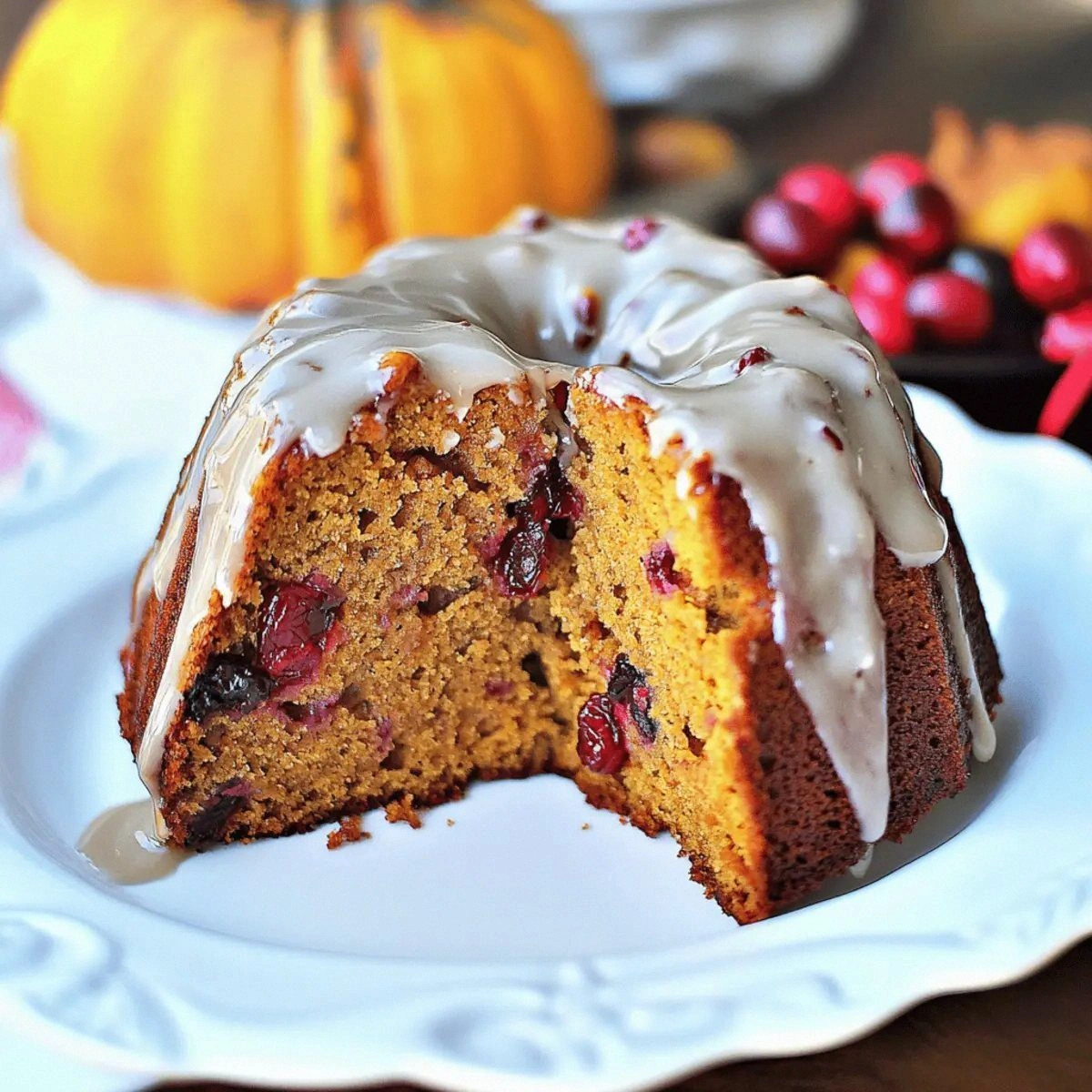
Allow the cake to cool in the pan for 10 minutes, then invert it onto a wire rack. While it’s still warm, drizzle the maple glaze generously over the top, letting it cascade into the crevices. The glaze will seep into the cake, sealing in moisture and adding a sweet‑savory sheen that looks like a work of art.
Insider Tricks for Flawless Results
The Temperature Rule Nobody Follows
Never bake a bundt cake straight from a cold fridge. Let the batter sit at room temperature for 10‑15 minutes before pouring it into the pan. This small step prevents the batter from shocking the pan, which can cause uneven rising and a gummy interior. I once rushed this step and ended up with a cake that looked beautiful on the outside but was dense as a brick inside.
Why Your Nose Knows Best
Your sense of smell is a reliable indicator of doneness. Around the 25‑minute mark, the kitchen should be filled with a sweet‑spiced perfume that’s unmistakably pumpkin and maple. If the aroma feels faint, give it a few more minutes; if it’s overpowering, start checking with a toothpick. Trust your nose more than the clock.
The 5‑Minute Rest That Changes Everything
Once you remove the cake from the oven, let it rest in the pan for exactly five minutes before flipping. This brief pause lets the steam redistribute, preventing the cake from breaking apart when you invert it. I’ve seen novices flip too early and watch the cake crumble—don’t be that person.
Glaze Timing is Everything
Apply the maple glaze while the cake is still warm but not scorching hot. If the glaze is poured on a too‑hot cake, it will run off; too cold, and it will set without soaking in. Aim for a temperature around 120°F (49°C) for optimal absorption.
Pecan Toasting Perfection
Toast pecans in a dry skillet over medium heat for 4‑5 minutes, shaking the pan frequently. You’ll hear a gentle crackle, and the nuts will turn a deep amber. This step intensifies their flavor, turning them from ordinary to unforgettable.
Apple Grating Secrets
When grating the apple, use a fine grater and then squeeze the shreds gently with a clean kitchen towel. This removes excess moisture that could make the batter runny, while preserving the apple’s natural sweetness and texture.
Creative Twists and Variations
This recipe is a playground. Here are some of my favorite ways to switch things up:
Chocolate‑Swirl Delight
Add ½ cup melted dark chocolate swirled into the batter before baking. The chocolate creates ribbons that contrast the orange‑brown crumb, perfect for chocolate lovers who still crave that holiday spice.
Maple‑Pecan Caramel Drizzle
Swap the simple glaze for a caramel made with butter, brown sugar, and a splash of extra maple syrup. Drizzle it over the cooled cake for a gooey, decadent topping.
Cranberry‑Orange Burst
Add zest of one orange to the batter and increase the cranberries to 1½ cups. The citrus brightens the flavor, making the cake feel lighter and more festive.
Savory Herb Infusion
For a daring twist, fold in 2 teaspoons of finely chopped rosemary and reduce the sugar by ¼ cup. The herb’s piney notes pair surprisingly well with the pumpkin and maple glaze, creating a sweet‑savory masterpiece.
Gluten‑Free Version
Replace the all‑purpose flour with a 1‑to‑1 gluten‑free flour blend, and add a tablespoon of xanthan gum. The texture stays tender, and the flavor remains unchanged.
Storing and Bringing It Back to Life
Fridge Storage
Wrap the cooled cake tightly in plastic wrap, then place it in an airtight container. It will stay fresh for up to 5 days in the refrigerator. The glaze may thicken, but a quick warm‑up will restore its sheen.
Freezer Friendly
Slice the cake, then freeze individual portions on a parchment sheet before transferring them to a zip‑top bag. They’ll keep for up to 3 months. When ready to serve, let them thaw at room temperature and give the glaze a light brush of maple syrup.
Best Reheating Method
To revive a slice, preheat the oven to 300°F (150°C), place the slice on a foil‑lined tray, and add a tiny splash of water to the pan. Cover loosely with foil and heat for 10‑12 minutes. The steam re‑moisturizes the crumb, and the glaze becomes glossy again.