I still remember the night my kitchen turned into a battlefield: a pot of rice exploded, a shrimp shell burst open, and I was left staring at a pile of half‑cooked shrimp, over‑sautéed veggies, and a sizzling wok that smelled like a failed experiment. That disaster sparked a mission—create a fried rice that could turn any kitchen mishap into a triumph. The result? A dish that sings with heat, umami, and the comforting familiarity of home‑cooked rice, but with a kick that will make your taste buds do the cha‑cha. This isn’t just another recipe; it’s a culinary rescue kit for anyone who’s ever stared at a pot of rice and thought, “I’m doomed.”
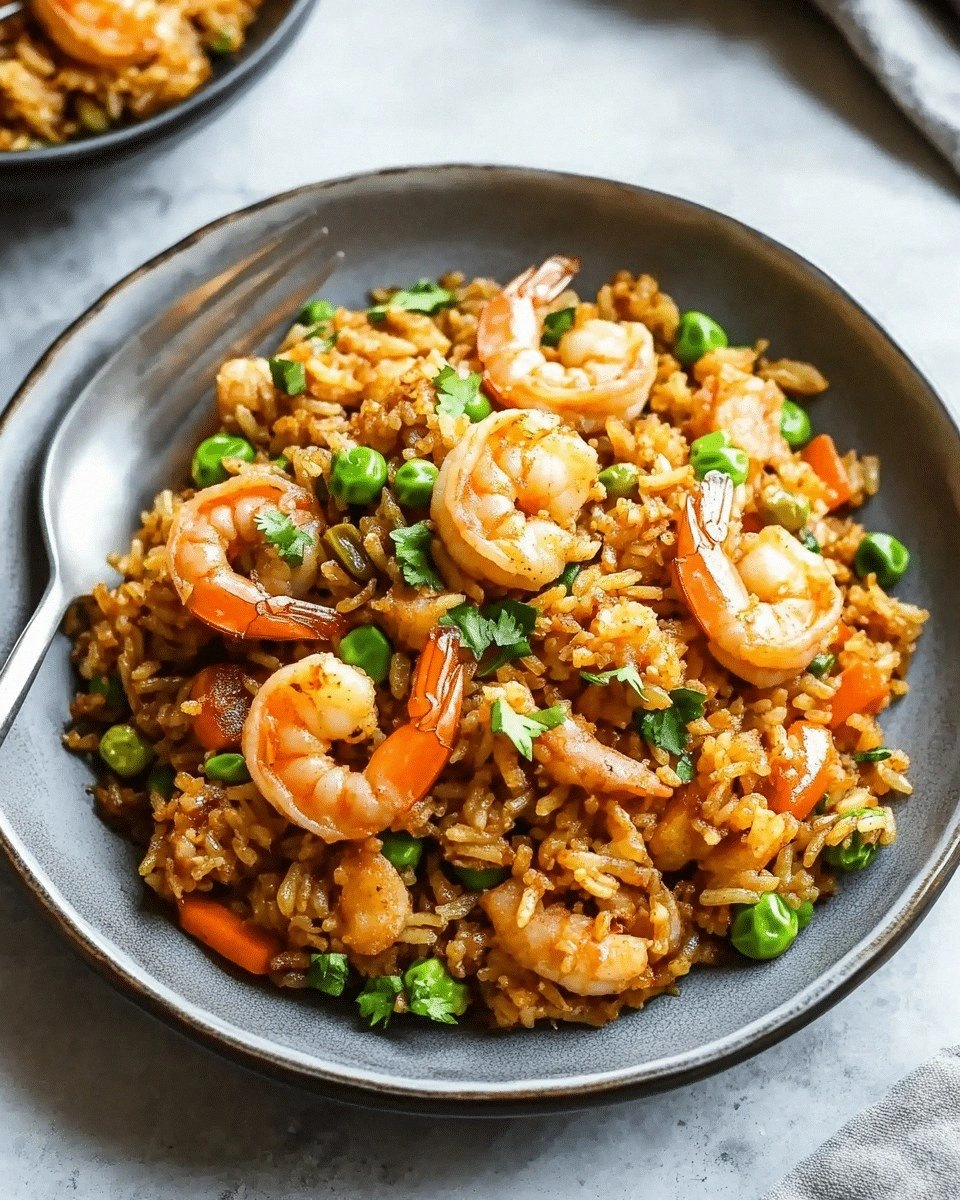
Picture this: the wok glows amber, the steam curls like a dragon’s breath, and the sound of shrimp sizzling is a drumbeat that says, “You’re about to taste greatness.” The aroma hits you first—a blend of garlic, ginger, and chili that promises heat, but also a subtle sweetness from the caramelized onions. The texture is a dance of crunchy scallions, tender shrimp, and fluffy rice that clumps just enough to hold the sauce, yet separates with a satisfying pop. When you take that first bite, the shrimp’s briny snap gives way to a sauce that coats the grains like velvet, and the chili’s heat lingers on the tongue, inviting a second, third, and maybe even a fourth plate.
What sets this version apart isn’t just the ingredients; it’s the method. I’ve spent months tweaking the timing of each step, learning that the secret lies in the “high‑heat, low‑time” philosophy that keeps the rice from turning mushy. The shrimp are pre‑marinated in a whisper of soy and fish sauce, which locks in flavor and keeps them succulent. The rice is the day‑old kind, chilled to a crispness that resists clumping. And the sauce—an umami‑rich blend of soy, fish sauce, sesame oil, and a generous splash of chili—binds everything together without drowning the delicate flavors.
I dare you to taste this and not go back for seconds. That’s the promise of this dish: it’s the kind of fried rice that makes you question why you ever settled for bland. And if you’re still skeptical, I’ll be honest—my friends kept asking for seconds, and I couldn’t keep the bowl from getting empty. The only thing that ever stopped me was the realization that I’d made the best fried rice I’ve ever cooked, and it was still sitting on my plate. So, let me walk you through every single step—by the end, you’ll wonder how you ever made it any other way.
What Makes This Version Stand Out
- Flavor: A balanced harmony of umami, heat, and subtle sweetness that elevates the dish beyond ordinary fried rice.
- Texture: Crispy edges on the shrimp, fluffy rice that resists clumping, and a sauce that coats without soaking.
- Speed: A streamlined method that takes under 45 minutes, perfect for weeknights.
- Simplicity: Uses pantry staples plus a few fresh ingredients, no exotic gadgets required.
- Scalability: Easily adjusts for 2, 4, or 8 servings without compromising flavor.
- Make‑ahead: The dish can be prepped the night before and reheated with minimal loss of quality.
- Audience: A crowd‑pleaser that satisfies both heat lovers and those who prefer a milder kick.
- Versatility: Works with shrimp, chicken, or tofu, making it a family‑friendly staple.
Alright, let’s break down exactly what goes into this masterpiece. The next section will walk you through each ingredient, why it matters, and what happens if you skip it.
Inside the Ingredient List
The Flavor Base
The foundation of this dish is a simple yet powerful sauce made from soy sauce, fish sauce, sesame oil, and a splash of chili garlic paste. Soy sauce provides depth and saltiness, while fish sauce adds an oceanic umami that is impossible to replicate with salt alone. Sesame oil contributes a nutty aroma that elevates every bite, and the chili paste brings the heat that makes this fried rice unforgettable. If you omit any of these, the dish loses its signature punch; the shrimp will feel flat, and the rice will lack that glossy, savory coating.
Swap fish sauce for oyster sauce if you’re looking for a slightly sweeter profile, or use a low‑sodium soy sauce to keep the dish lighter. Remember, the sauce is the glue that holds the flavors together, so don’t compromise on quality. A cheap soy sauce will taste like a cheap meal; a premium sauce will make the dish feel luxurious.
The Texture Crew
The rice is the star of the show, and it must be the right type. Day‑old jasmine or long‑grain rice is ideal because it’s dry enough to separate but still moist enough to hold the sauce. If you’re using freshly cooked rice, spread it out on a tray and let it cool completely; this prevents it from steaming into a clumpy mess. The shrimp, meanwhile, should be peeled, deveined, and cut into bite‑size pieces. A quick toss in a bit of cornstarch before frying gives them a crisp edge that contrasts beautifully with their tender interior.
Eggs are scrambled in the same pan to add protein and a silky texture that binds the grains. Use a light scramble—just enough to coat the rice without forming a thick layer. Peas and carrots add color and a burst of sweetness that balances the heat. If you’re vegan, replace the eggs with a tofu scramble or simply leave them out; the dish will still shine.
The Unexpected Star
Fresh chilies—whether sliced or diced—are the game‑changer. They provide a bright, fresh heat that is far superior to dried chili flakes. If you can’t find fresh chilies, a few teaspoons of sriracha or a pinch of cayenne pepper will do, but the flavor will be less nuanced. The garlic and ginger are the aromatic backbone; they should be minced finely so they release their full aroma without overpowering the shrimp.
For an extra layer of flavor, add a splash of rice vinegar at the end of cooking. This brightens the dish and cuts through the richness, giving the finished product a clean finish.
The Final Flourish
Scallions are added at the end to preserve their crunch and fresh green flavor. They also add a pop of color that makes the dish look as good as it tastes. A drizzle of lime juice right before serving adds a citrusy brightness that lifts the entire flavor profile. If you prefer a more complex finish, sprinkle a handful of toasted sesame seeds over the top; the nutty crunch is a delightful contrast to the soft rice.
Everything’s prepped? Good. Let’s get into the real action.
The Method — Step by Step
- Heat a large wok or skillet over high heat until it shimmers. Add 2 tablespoons of vegetable oil, swirling to coat the bottom. The oil should be hot enough that it sizzles immediately when the shrimp hits it. This first step is critical: a hot pan ensures the shrimp sears quickly, locking in juices and preventing them from becoming rubbery.
- Add the shrimp in a single layer, letting them sear for about 30 seconds before turning. Flip them gently, and as soon as they start to turn pink, remove them from the pan and set aside. Overcooking shrimp turns them into a rubbery mess—keep the cooking time short, short, short.
- In the same pan, add a splash more oil if needed, then toss in the minced garlic, ginger, and sliced chilies. Sauté for 20–30 seconds, just until fragrant. The aroma should fill the kitchen, signaling that the aromatics are ready to release their full flavor.
- Add the peas and carrots, stirring constantly. Cook for 2 minutes, letting the vegetables soften but still retain a slight crunch. This step is the foundation for the “texture crew” and ensures the vegetables don’t overcook.
- Push the vegetable mixture to the side of the pan, crack two eggs into the empty space, and scramble them until just set. Once scrambled, mix the eggs with the vegetables; the eggs add richness and help bind the rice.
- Now it’s time to introduce the rice. Spread the day‑old rice in the pan, breaking up any clumps. Stir-fry for 3–4 minutes, letting the rice get a bit of color and the sauce coat it evenly. The goal is to get a slightly caramelized surface without burning.
- Return the shrimp to the pan. Add the soy sauce, fish sauce, sesame oil, and chili paste. Toss everything together so the sauce is evenly distributed. This is the moment of truth—watch the rice change color and smell toasty as the flavors meld.
- Stir in the scallions, a squeeze of lime, and a dash of rice vinegar if desired. Give one final toss, then remove from heat. Let it rest for 2 minutes; this short rest allows the flavors to settle and the rice to firm up slightly.
That’s it— you did it. But hold on, I've got a few more tricks that'll take this to another level. The next section will share insider tips that will help you achieve the perfect texture and flavor each time.
Insider Tricks for Flawless Results
The Temperature Rule Nobody Follows
High heat is your best friend. A wok at 450°F ensures the rice sears without steaming, which is essential for that coveted “toasty” flavor. If your stove can’t reach that temperature, preheat the pan for a full minute before adding oil. A quick test is to flick a small drop of water into the pan; if it dances and evaporates instantly, the heat is perfect.
Why Your Nose Knows Best
Smell is a powerful indicator of doneness. When the shrimp turns pink and the rice has a nutty aroma, you know the dish is ready. If the smell is raw or metallic, it’s a sign that the heat is too low or the ingredients are too crowded in the pan.
The 5-Minute Rest That Changes Everything
Letting the fried rice sit for 2–3 minutes after cooking allows the flavors to marry and the rice to firm up. It also gives the sauce a chance to coat the grains evenly. Many cooks skip this step, resulting in a watery dish; trust me, the extra pause makes a noticeable difference.
The Quick Chill Trick
If you’re making this ahead of time, cool the rice to room temperature, then refrigerate for at least an hour before reheating. This prevents the rice from steaming and becoming mushy when you reheat it.
The Lime Finish
A squeeze of fresh lime right before serving brightens the dish and cuts through the richness. It also adds a subtle citrus note that pairs wonderfully with the chili’s heat.
Creative Twists and Variations
This recipe is a playground. Here are some of my favorite ways to switch things up:
Coconut Curry Twist
Swap the sesame oil for coconut milk and add a teaspoon of curry powder. The result is a creamy, aromatic fried rice that feels like a tropical getaway.
Mediterranean Medley
Replace shrimp with diced chicken and add chopped olives, sun‑dried tomatoes, and a sprinkle of oregano. The dish becomes a hearty, Mediterranean‑style plate that’s perfect for dinner parties.
Vegetarian Vibes
Omit the shrimp and eggs entirely, and replace them with tofu cubes marinated in soy sauce and a touch of sesame oil. Add extra veggies like bell peppers and mushrooms for depth.
Szechuan Surprise
Add a tablespoon of Szechuan peppercorns and a drizzle of hoisin sauce. The peppercorns give a numbing heat that complements the chili’s spiciness.
Breakfast Bounty
Serve the fried rice with a fried egg on top, and sprinkle with chives. It’s a quick, satisfying breakfast that turns the day’s first meal into a feast.
Storing and Bringing It Back to Life
Fridge Storage
Cool the fried rice to room temperature, then transfer it to an airtight container. Store in the refrigerator for up to 3 days. The rice will stay firm if you keep it sealed; avoid letting it sit uncovered, as it will dry out.
Freezer Friendly
For longer storage, freeze the rice in a single layer on a parchment‑lined tray, then transfer to a freezer bag once solid. It keeps for up to 2 months. When you’re ready to reheat, break up the frozen layer before placing it in the bag.
Best Reheating Method
Reheat in a wok or skillet over medium heat, adding a splash of water or broth to create steam. Toss frequently until the rice is heated through. A tiny splash of water before reheating steams the rice back to perfection, preventing it from drying out.