Introduction
Picture this: I was in a panic, the clock was ticking, and my friends had just arrived for a dinner that had to be both quick and unforgettable. I had a handful of fresh tilapia fillets, a bag of bright red bell peppers, and a bottle of olive oil that had been sitting in the pantry for months. I stared at the ingredients, thinking, “How do I turn this into a showstopper?” Then, a spark of culinary rebellion lit up my mind: a roasted pepper sauce that would coat the fish like velvet, turning a humble fillet into a gourmet masterpiece. I dare you to taste this and not go back for seconds.
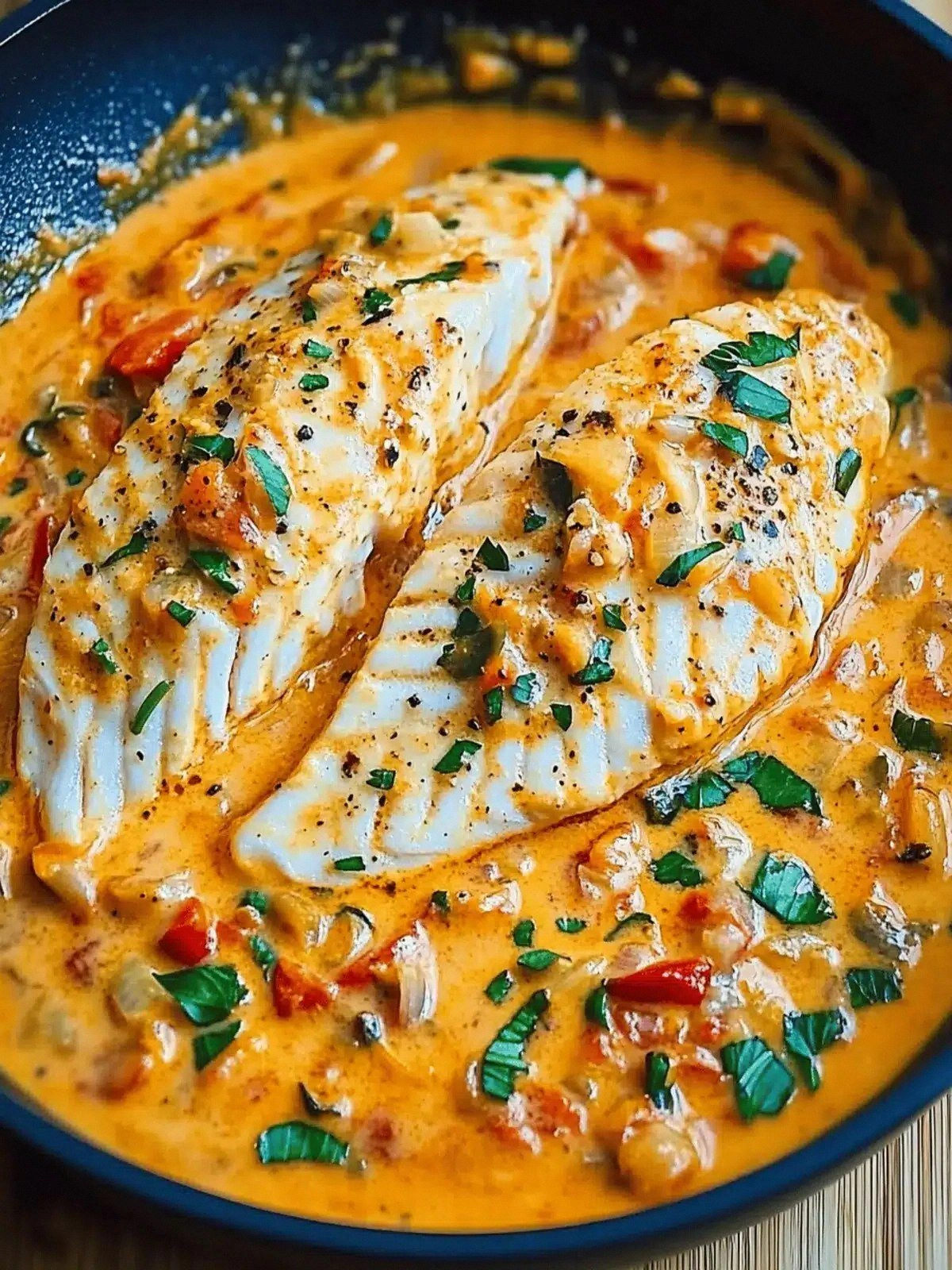
When you open the pan, the air fills with the sweet, smoky aroma of peppers roasting under the oven’s heat. The fish, once plain and bland, now glistens with a golden crust that crackles like thin ice as you lift it. The sauce, a glossy blend of roasted peppers, garlic, and lemon, coats the fillets in a silky, tangy glaze that sings with bright citrus notes. The contrast between the tender fish and the caramelized pepper shards creates a texture that is both comforting and exciting. If you’ve ever struggled with making fish taste anything more than “just fish,” you’re not alone — and I’ve got the fix.
The secret to this version isn’t just the roasting technique or the fresh lemon juice; it’s the way the ingredients are layered, the timing of the sauce, and a small but powerful hack that keeps the fish moist while delivering a burst of flavor. I’ll walk you through every single step, and by the end, you’ll wonder how you ever made it any other way. Picture yourself pulling this out of the oven, the whole kitchen smelling incredible, and your guests applauding the taste.
Okay, ready for the game‑changer? This next part? Pure magic. Let’s dive into what makes this dish the best version you'll ever make at home.
What Makes This Version Stand Out
- Flavor Depth: The roasted peppers develop a subtle smokiness that balances the bright acidity of lemon, creating a sauce that’s both bold and balanced.
- Texture Contrast: The fish’s golden, slightly crispy exterior meets the silky sauce, giving each bite a satisfying crunch followed by melt‑in‑your‑mouth tenderness.
- Simple Prep: No fancy equipment or hard‑to‑find ingredients; everything you need is in your pantry and fridge.
- Crowd‑Pleaser: Even the most skeptical fish‑doubters will be wowed by the vibrant color and luscious flavor.
- Ingredient Quality: Fresh, firm tilapia fillets and sweet red bell peppers make the difference between ordinary and extraordinary.
- Versatile Base: The sauce can be served over rice, pasta, or even mashed potatoes for a complete meal.
Alright, let’s break down exactly what goes into this masterpiece…
Inside the Ingredient List
The Flavor Base
Red bell peppers are the heart of this sauce. Their natural sweetness caramelizes when roasted, turning into a velvety puree that forms the sauce’s foundation. If you skip the peppers, the dish loses its signature bright color and smoky undertone. For a smoky twist, try adding a pinch of smoked paprika during the roasting stage.
The Texture Crew
Tilapia fillets provide the main protein and the canvas for the sauce. Choose fillets that are firm and thick; thin fillets will flake apart during roasting. If you’re in a pinch, a firm white fish like cod or haddock can stand in for tilapia without compromising the dish’s integrity.
The Unexpected Star
Lemon juice is the surprising star that cuts through the richness of the olive oil and the sweetness of the peppers. A squeeze of lemon not only brightens the flavor but also helps keep the fish moist. If you’re allergic to citrus, a splash of white wine vinegar can provide a similar acidic lift.
The Final Flourish
Olive oil and garlic bring depth and body to the sauce, while a dash of salt and pepper season everything to perfection. The olive oil’s high smoke point allows for a quick sear that locks in moisture. A pinch of freshly ground pepper adds a subtle heat that balances the lemon’s brightness.
Everything’s prepped? Good. Let’s get into the real action…
The Method — Step by Step
- Preheat the oven to 450°F (230°C). While the oven warms, wash the red bell peppers, remove the stems and seeds, and slice them into thick wedges. Toss the wedges in a tablespoon of olive oil, a pinch of salt, and a dash of pepper. Spread them on a baking sheet lined with parchment paper. The goal is a quick roast that caramelizes the sugars without drying the peppers out. As they roast, the peppers will release their juices and develop a deep, smoky flavor.
- Prepare the tilapia fillets. Pat them dry with paper towels to ensure a crisp exterior. Season each fillet generously with salt and pepper on both sides. Drizzle a tablespoon of olive oil over the fillets and use your hands to rub it in evenly. The oil creates a barrier that keeps the fish moist during cooking and gives it a beautiful golden crust.
- Roast the peppers. Place the baking sheet in the preheated oven for 15 minutes. After 10 minutes, stir the peppers to ensure even roasting. When the edges are slightly charred and the skins blister, remove them from the oven. Let them cool just enough to handle, then peel off the skins. The skins are bitter and will ruin the sauce’s smooth texture.
- Blend the sauce. In a blender or food processor, combine the roasted peppers, 2 cloves of minced garlic, 2 tablespoons of lemon juice, and a splash of water if needed to reach a silky consistency. Pulse until smooth, then taste and adjust seasoning with salt and pepper. The sauce should be glossy and thick enough to coat the fish without dripping off.
- Cook the fish. Heat a large non‑stick skillet over medium‑high heat and add a tablespoon of olive oil. Once the oil shimmers, lay the seasoned fillets skin‑side down (if they have skin). Sear for 3 minutes, then flip and sear the other side for another 2 minutes. The fish should have a crisp, golden crust and a slightly translucent center. The total cooking time should be around 5 minutes.
- Combine fish and sauce. Reduce the heat to medium-low. Pour the blended sauce over the seared fillets, making sure each piece is evenly coated. Let the fish simmer in the sauce for an additional 2 minutes, allowing the flavors to meld. The sauce will thicken slightly and coat the fish like a silky blanket.
- Finish with a burst of citrus. Remove the skillet from the heat and squeeze an extra tablespoon of lemon juice over the fillets. This final squeeze brightens the sauce and adds a refreshing finish that cuts through the richness.
- Plate and serve. Transfer the fillets to a warm platter, spoon any remaining sauce over them, and garnish with fresh chopped parsley or a sprinkle of paprika. Serve immediately with a side of steamed rice or a fresh green salad. The dish is best enjoyed hot, with the sauce still glossy and the fish tender.
That’s it — you did it. But hold on, I’ve got a few more tricks that’ll take this to another level…
Insider Tricks for Flawless Results
The Temperature Rule Nobody Follows
Many cooks assume that a high heat is always better for searing fish, but the truth is a controlled medium‑high heat prevents the fillets from drying out. I’ve seen fillets turn out tough because the skillet was too hot. Keep the skillet at medium‑high and let the oil shimmer before adding the fish. This small adjustment guarantees a crisp exterior and a juicy interior.
Why Your Nose Knows Best
The aroma of roasted peppers is a clear indicator of doneness. When the peppers emit a sweet, slightly smoky scent, they’re perfectly caramelized. If you’re uncertain, press a pepper slice against your tongue; it should taste sweet and not bitter. Trust your nose—it’s a seasoned chef’s secret.
The 5‑Minute Rest That Changes Everything
After cooking, let the fillets rest for 5 minutes before serving. This brief pause allows the juices to redistribute, resulting in a moister bite. A friend once skipped this step and ended up with dry fish. The rest period is a game‑changer that many overlook.
Use a Skillet with a Lid
Covering the skillet while the fish simmers in the sauce traps steam, helping the sauce thicken faster and infuse the fish with flavor. If you don’t have a lid, a sheet of foil works just as well. This trick ensures every fillet is coated in that glossy, silky sauce.
Finish with Fresh Herbs
Right before plating, sprinkle chopped parsley or basil over the dish. Fresh herbs add a burst of color and a subtle earthy note that balances the bright lemon. I’ve found that a pinch of microgreens on top gives the dish a modern, Instagram‑ready look.
Creative Twists and Variations
This recipe is a playground. Here are some of my favorite ways to switch things up:
Spicy Kick
Add a finely chopped jalapeño or a dash of hot sauce to the sauce before blending. The heat pairs beautifully with the sweet peppers, creating a balanced, fiery flavor that will keep guests asking for more.
Herb‑Infused
Stir in a handful of fresh thyme or rosemary into the sauce before simmering. The aromatic herbs add depth and a subtle piney note that complements the fish’s mildness.
Smoky Paprika Twist
Replace a portion of the olive oil with a teaspoon of smoked paprika. The paprika infuses the sauce with a deep, smoky undertone that enhances the roasted pepper flavor.
Asian Flair
Swap the lemon juice for rice vinegar and add a teaspoon of soy sauce to the sauce. Finish with a sprinkle of toasted sesame seeds for an Asian‑inspired version that’s both savory and slightly sweet.
Cheesy Finish
After simmering the fish in sauce, sprinkle shredded mozzarella or parmesan over the top and let it melt under a broiler for 1 minute. The cheese adds a gooey, melty layer that’s irresistible.
Low‑Carb Option
Serve the fish over a bed of cauliflower rice instead of regular rice. The cauliflower adds a mild, nutty flavor that absorbs the sauce without adding extra carbs.
Storing and Bringing It Back to Life
Fridge Storage
Store the cooked fillets and sauce separately in airtight containers. The fish can stay fresh for up to 2 days, while the sauce remains flavorful for 3 days. Keep the sauce chilled to preserve its bright color.
Freezer Friendly
Freeze the sauce in an ice‑cube tray and transfer the cubes to a freezer bag for up to 3 months. The fish can be frozen for up to a month; reheat in a skillet with a splash of water to keep it moist.
Best Reheating Method
Reheat the fish in a skillet over medium heat, adding a tablespoon of water to create steam. This gentle method prevents the fish from drying out and restores the sauce’s silky texture. A quick squeeze of fresh lemon before serving brings the dish back to life.