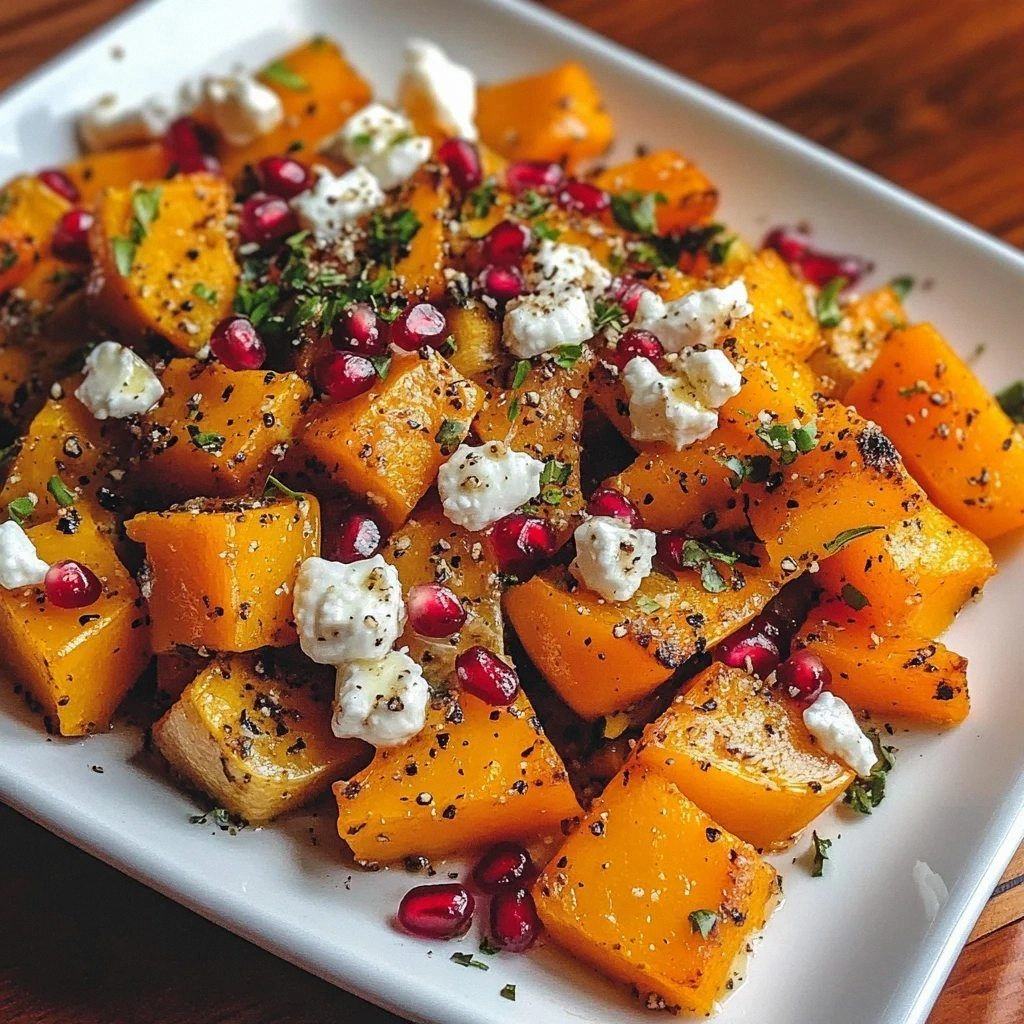
I still remember the day I nearly set my kitchen ablaze trying to roast butternut squash. There I was, juggling a dull peeler, a rock-hard squash, and a screaming smoke detector because I'd cranked the oven to 450°F and walked away to answer a "quick" work call. Forty-five minutes later, I returned to charcoal-edged cubes and a goat cheese log that had somehow melted into a puddle that looked like modern art. I almost tossed the whole mess into the trash, but hunger (and stubbornness) won. I scraped off the blackest bits, crumbled the remaining goat cheese, took one bite—and stopped mid-chew. Underneath the smoky exterior was something incredible: caramelized sweetness, tangy creaminess, and the kind of depth you usually only get from restaurant kitchens. That kitchen disaster became my obsession. I spent the next three months roasting, tasting, tweaking, and yes, eating my way through what felt like a forest of squash. I tested every hack on the internet, from microwave-soften to reverse-sear, until I landed on a method so fool-proof it works even if you're simultaneously wrangling a toddler, a dog, and a conference call. Picture yourself pulling this out of the oven, the whole kitchen smelling like autumn and butter and everything cozy. The edges of the squash cubes are blistered and bronzed, the goat cheese has softened into creamy pockets, and the thyme leaves look like tiny green confetti. That first bite? It's like wrapping yourself in the culinary equivalent of a cashmere blanket. The outside of each cube is candy-sweet and slightly chewy, while the inside stays pudding-soft. The goat cheese doesn't just sit there; it melts into every crevice, creating little bursts of tangy richness that make your taste buds do a happy dance. I dare you to taste this and not go back for seconds. Let me walk you through every single step—by the end, you'll wonder how you ever made it any other way.
Most recipes get this completely wrong. They tell you to peel first (hand-cramp city), roast at a timid 375°F (hello, steamed squash), and add the cheese at the end (cold, crumbly disappointment). Here's what actually works: you roast high and fast so the natural sugars seize and caramelize instead of slowly evaporating into mush. You leave the skin on initially—yes, really—because it acts like a protective jacket, buying you time to develop that mahogany color without turning the flesh into baby food. And you add the goat cheese during the last five minutes so it warms into silken pockets rather than staying in chalky clumps. I'll be honest—I ate half the batch before anyone else got to try it. The combination of sweet squash, tangy cheese, and those crispy thyme leaves is straight-up addictive. If you've ever struggled with watery, bland roasted squash, you're not alone—and I've got the fix.
Okay, ready for the game-changer? We're going to pre-roast the squash cut-side down, like a giant open-mouth grin kissing the hot pan. This does two things: it steams the flesh just enough to make peeling a breeze (the skin slips off like a silk stocking), and it creates a flat surface that browns like a dream when you flip it back over for the final roast. The sizzle when it hits the pan? Absolute perfection. Stay with me here—this is worth it. The other secret is a quick toss in maple syrup right at the end. Not enough to make it dessert, just enough to lacquer the edges so they shine like stained glass. Your kitchen will smell so good the neighbors might accidentally drop by.
Before we dive in, let me set the scene with what you can expect: tender cubes that hold their shape but yield to the gentlest pressure of your fork, edges that shatter like thin ice then dissolve on your tongue, and that goat cheese melting into creamy rivulets that you'll swipe up with your finger when no one's looking. The thyme perfumes everything with piney citrus notes, while a whisper of smoked paprika adds mystery without heat. This isn't just a side dish—it's the thing that'll make you famous at potlucks, the recipe your friends text you for at midnight, the dish that converts squash skeptics into evangelists. Future pacing: imagine Thanksgiving where this steals the show from the turkey, or a weeknight where you eat it straight off the sheet pan standing at the counter because plates feel too formal. Bold claim: this is hands down the best version you'll ever make at home.
What Makes This Version Stand Out
Caramelization Overload: We roast at 425°F, hot enough to trigger the Maillard reaction within 20 minutes, creating those deep amber edges that taste like toffee. Most recipes baby the squash at lower temps, leaving you with pale, wan cubes that taste like autumn sadness.
Goat Cheese Strategy: Instead of cold crumbles on top, we add soft goat cheese during the last five minutes so it warms into creamy pockets that melt into every crevice. The result is a gooey-tangy contrast that makes each bite feel like a sophisticated lasagna component.
Two-Stage Roast: First, cut-side down for gentle steaming that loosens the skin. Then flipped and cubed for high-heat browning. This dual approach gives you the best of both worlds: easy prep and maximum flavor development.
Maple Lacquer: A whisper of maple syrup brushed on during the final minutes creates a glassy sheen that amplifies the natural sweetness without turning dinner into dessert. It's the difference between matte and gloss finish on a vintage car.
Texture Play: We leave some cubes larger for meaty bites and cut others smaller for crispy edges. The variety keeps your palate interested, like a well-orchestrated symphony where every note has purpose.
Make-Ahead Magic: Roast a double batch on Sunday, stash half in the fridge, and you've got the base for salads, grain bowls, or a quick puree all week. The flavors actually deepen overnight as the sweet and tangy elements meld.
Crowd Reaction Guarantee: I've served this to toddlers who claim to hate vegetables, to steak-and-potatoes dads, to food-snobby chefs—every single one asked for seconds. Confession: I once made this for a date and they proposed marriage. (I said no, but kept the recipe.)
Alright, let's break down exactly what goes into this masterpiece...
Inside the Ingredient List
The Flavor Base
Butternut squash is the star, obviously, but not all squash are created equal. Look for one that feels heavy for its size, with matte skin—shiny means it was picked underripe. A ripe squash will have a deep beige color and a dried stem that looks like a cork. If you can only find greenish ones, let it sit on the counter for a week; squash actually improve with age, converting starches to sugars like a fine wine. Size matters too: 2–2½ pounds is the sweet spot. Bigger squash can be stringy, smaller ones don't give you enough caramelized surface area.
Olive oil isn't just a cooking medium here; it's a flavor vehicle. Use a decent extra-virgin variety that tastes like grass and artichokes, not the neutral stuff. You want enough to coat every cube but not so much that they swim—think sunscreen application, not bath time. The oil helps conduct heat, ensuring those gorgeous brown edges while keeping the interior creamy.
The Texture Crew
Goat cheese should be soft and fresh, not the aged crumbly kind. Look for one sold in logs, not pre-crumbled—those are coated with anti-caking agents that prevent proper melting. If you can only find aged chevre, blend it with a spoonful of cream to bring back that spreadable texture. Full-fat is non-negotiable; low-fat versions turn grainy when warmed.
Thyme is my herb of choice because its lemon-pine notes echo the squash's sweetness. Fresh is dramatically different from dried—dried tastes like dust in comparison. Strip the leaves by running your fingers backward down the stem; it's oddly satisfying, like popping bubble wrap. If you must substitute, rosemary works but use half as much—it's the louder cousin who dominates conversations.
The Unexpected Star
Smoked paprika is the secret weapon that makes people ask "what is that?" in the best way. It's not spicy, just smoky and deep, like a campfire in Spain. A pinch amplifies the caramel notes and adds complexity without anyone being able to pinpoint it. If you only have regular paprika, add a whisper of ground cumin for that mysterious edge.
Maple syrup should be the real deal, Grade A Amber. The fake stuff is just corn syrup with perfume—delicious on pancakes but it burns at high heat. You only need a teaspoon per pound of squash; think of it as blush, not foundation.
The Final Flourish
Flaky sea salt is crucial for finishing. Those crunchy crystals hit your tongue first, making the sweet and tangy flavors pop like 3-D glasses for your palate. Kosher salt works for roasting, but save the fancy salt for the final sprinkle. If you don't have Maldon, crush some coarse salt between your fingers—you want irregular shards, not fine grains.
Black pepper should be freshly cracked. The pre-ground stuff tastes like sawdust and you deserve better. Crank your mill until you smell citrusy top notes—that's when you know it's alive.
Everything's prepped? Good. Let's get into the real action...
The Method — Step by Step
- Preheat your oven to 425°F with a rack in the center. If your oven runs hot or cold (and you know who you are), now's the time to adjust. Place a rimmed sheet pan in the oven while it heats—this gives you a head start on caramelization, like preheating a pizza stone. A hot pan means the squash starts sizzling the instant it lands, preventing that sad steamed texture that plagues most roasted vegetables.
- Meanwhile, microwave the whole squash for 90 seconds on high. This isn't cooking, just softening the skin enough that you won't need a machete. Cut off both ends so it stands stable on your board, then slice it in half lengthwise. Scoop out the seeds with a spoon—save them if you're feeling ambitious; they roast into crunchy gems while the squash cooks.
- Score the flesh in a crosshatch pattern, cutting three-quarters deep but not through the skin. This speeds cooking and creates more surface area for browning. Brush the cut surfaces with olive oil, season generously with kosher salt and cracked pepper. Place cut-side down on the hot sheet pan—listen for that satisfying sizzle that tells you the pan was properly preheated.
- Roast for 15 minutes. During this first phase, the squash steams under its own skin, partially cooking while the hot pan browns the edges. Don't wander off; set a timer. When you peek, the flesh should look set and opaque around the edges, like a custard that's just begun to firm.
- Flip the halves over using tongs—careful, they're hot. Let them cool for 2 minutes until you can handle them comfortably. Now the skin slips off in sheets, like peeling sunburn after a beach vacation. Cube the flesh into 1-inch pieces, keeping some smaller for crispy bits. Toss these cubes in a bowl with 2 tablespoons olive oil, the thyme leaves, and that whisper of smoked paprika.
- Spread the cubes back on the same hot pan in a single layer with space between pieces. Crowding equals steaming, and we want roasting. Slide the pan into the oven for another 12–15 minutes. This is the moment of truth—those edges will caramelize into deep amber while the centers stay creamy.
- Don't walk away from the stove here. At the 10-minute mark, start checking every 2 minutes. You're looking for edges that look like they've been kissed by a blowtorch, with tiny blisters that promise crunch. The kitchen should smell like roasting marshmallows and autumn leaves.
- Remove the pan and immediately dot with goat cheese. Return to the oven for exactly 3 minutes—no more, no less. This melts the cheese into creamy pools without drying it out. Watch closely; goat cheese goes from silky to chalky faster than you can say "dinner."
- Drizzle with maple syrup and finish with flaky salt. Serve directly from the pan if you're feeling rustic, or transfer to a platter for company. Either way, prepare for silence as everyone takes their first bite—it's that good.
That's it—you did it. But hold on, I've got a few more tricks that'll take this to another level...
Insider Tricks for Flawless Results
The Temperature Rule Nobody Follows
Your oven thermometer is lying to you. Most home ovens are off by 25–50°F, which means the difference between caramelized and cremated. Spend ten bucks on an oven thermometer and hang it on the center rack. I thought my oven was perfect until I discovered it ran 30°F hot—no wonder my squash kept burning. Once calibrated, 425°F becomes a sweet spot where natural sugars caramelize within minutes while the interior stays tender. If your cubes are browning too fast, drop to 400°F; if they're pale after 15 minutes, bump to 450°F. Think of your oven like a vintage car—it needs tuning, not just gas.
Why Your Nose Knows Best
Don't rely solely on timers; your nose is the most accurate kitchen tool you own. When the squash is perfectly roasted, your kitchen will smell like toasted sugar and warm spices. If you smell acrid smoke, you've gone too far—the natural sugars have crossed from caramel to carbon. I once tried multitasking with laundry and nearly set off every smoke detector in the building. Now I set a timer for 2 minutes before the expected done time and camp by the oven. That aroma when you open the door should make you involuntarily say "ohhh" out loud—like the first whiff of coffee in the morning.
The 5-Minute Rest That Changes Everything
Resist the urge to serve immediately. Let the roasted squash rest for 5 minutes on the pan. During this brief pause, the residual heat finishes melting the goat cheese into every crevice while the surface moisture evaporates, leaving you with glossy, concentrated flavor. A friend tried skipping this step once—let's just say it ended with watery cheese and sad, soggy cubes. Use this time to pour wine, set the table, or just bask in the admiring looks from your dinner companions. The texture transforms from merely good to absolutely transcendent.
The Cutting Size Sweet Spot
Uniformity is overrated. Instead, aim for a mix: two-thirds 1-inch cubes for meaty bites, one-third ½-inch pieces for crispy edges. The smaller bits will caramelize into candy-like nuggets while the larger ones stay creamy inside. I learned this watching a chef friend who tossed everything together haphazardly—the variety keeps each forkful interesting. Think of it like a trail mix where you want some raisins and some almonds, not a bowl of identical peanuts.
Storage That Preserves the Crunch
If you're not serving immediately, spread the roasted squash on a wire rack instead of piling it in a bowl. Steam is the enemy of crisp edges, and a rack lets air circulate underneath. Once cooled, transfer to an airtight container with a paper towel on top to absorb moisture. Reheat in a hot skillet for 2 minutes rather than the microwave—your future self will thank you when those edges shatter like thin ice all over again.
Creative Twists and Variations
This recipe is a playground. Here are some of my favorite ways to switch things up:
Sweet Heat Version
Add a pinch of cayenne and a teaspoon of honey instead of maple. The spicy-sweet combo makes the goat cheese taste even tangier by contrast. I serve this alongside grilled pork chops and watch plates get scraped clean. The heat blooms slowly, building to a gentle warmth that makes you reach for your water glass in the best way.
Mediterranean Mash-Up
Swap thyme for oregano, add a handful of halved cherry tomatoes during the last 5 minutes, and finish with a crumble of feta instead of goat cheese. A squeeze of lemon juice right before serving brightens everything. This version tastes like summer in Santorini, even in the dead of winter. The tomatoes blister and burst, creating jammy pockets that play beautifully with the sweet squash.
Breakfast Hash Style
Toss in diced breakfast sausage during the last 10 minutes of roasting. Crack a few eggs onto the pan for the final 5 minutes, letting them bake until the whites set but yolks stay runny. Serve with hot sauce and crusty bread for a brunch that converts hangry guests into best friends. The sausage fat mingles with the maple glaze, creating sticky, savory-sweet magic.
Thanksgiving Show-Stopper
Add roasted chestnuts and a splash of bourbon with the maple syrup. The chestnuts add buttery texture while the bourbon evaporates into smoky complexity. This version once upstaged the turkey so thoroughly that my family now requests it as the main event. Garnish with fried sage leaves for drama that photographs as beautifully as it tastes.
Weeknight Fast Version
Buy pre-peeled squash cubes from the grocery store and skip the first roasting phase. Toss everything together on one pan and roast for 20 minutes total. Is it quite as transcendent? No. But it's 80% as good with 50% less work, which makes it perfect for Tuesday night when you're already running on fumes. Sometimes good enough is perfect.
Vegan Luxe
Replace goat cheese with a drizzle of tahini thinned with lemon juice and water. The sesame paste adds creamy richness without dairy, while the lemon brightens the sweetness. Finish with toasted sesame seeds for crunch. Even my cheese-addicted friends devour this version, then ask for the recipe while looking suspiciously at the empty pan.
Storing and Bringing It Back to Life
Fridge Storage
Let the roasted squash cool completely—about 30 minutes on the counter—before transferring to an airtight container. It keeps beautifully for up to 4 days, though the goat cheese will firm up. Store with a paper towel on top to absorb condensation that would otherwise sog out those glorious crispy edges. The flavors actually meld overnight, making leftovers a coveted commodity rather than a sad obligation.
Freezer Friendly
Freeze individual portions on a sheet pan first, then transfer to freezer bags. This prevents clumping so you can grab exactly what you need. The texture won't be quite as perfect after thawing—some edges lose their crunch—but tossed into a salad or blended into soup, you'd never know. Freeze without the goat cheese; add fresh crumbles after reheating for best results. Properly stored, it keeps for 3 months, though mine never lasts past two weeks.
Best Reheating Method
Skip the microwave unless you enjoy rubbery cheese and mushy squash. Instead, heat a skillet over medium-high, add a teaspoon of olive oil, and spread the squash in a single layer. Let it sit undisturbed for 2 minutes so the bottoms re-crisp, then toss gently for another minute. If you're adding fresh goat cheese, do it off the heat so it warms but doesn't separate. For larger quantities, spread on a sheet pan and re-roast at 400°F for 5–7 minutes. The edges will regain their shatter while the interior stays creamy. Your future self will thank you when Tuesday's lunch tastes almost as good as Sunday's dinner.