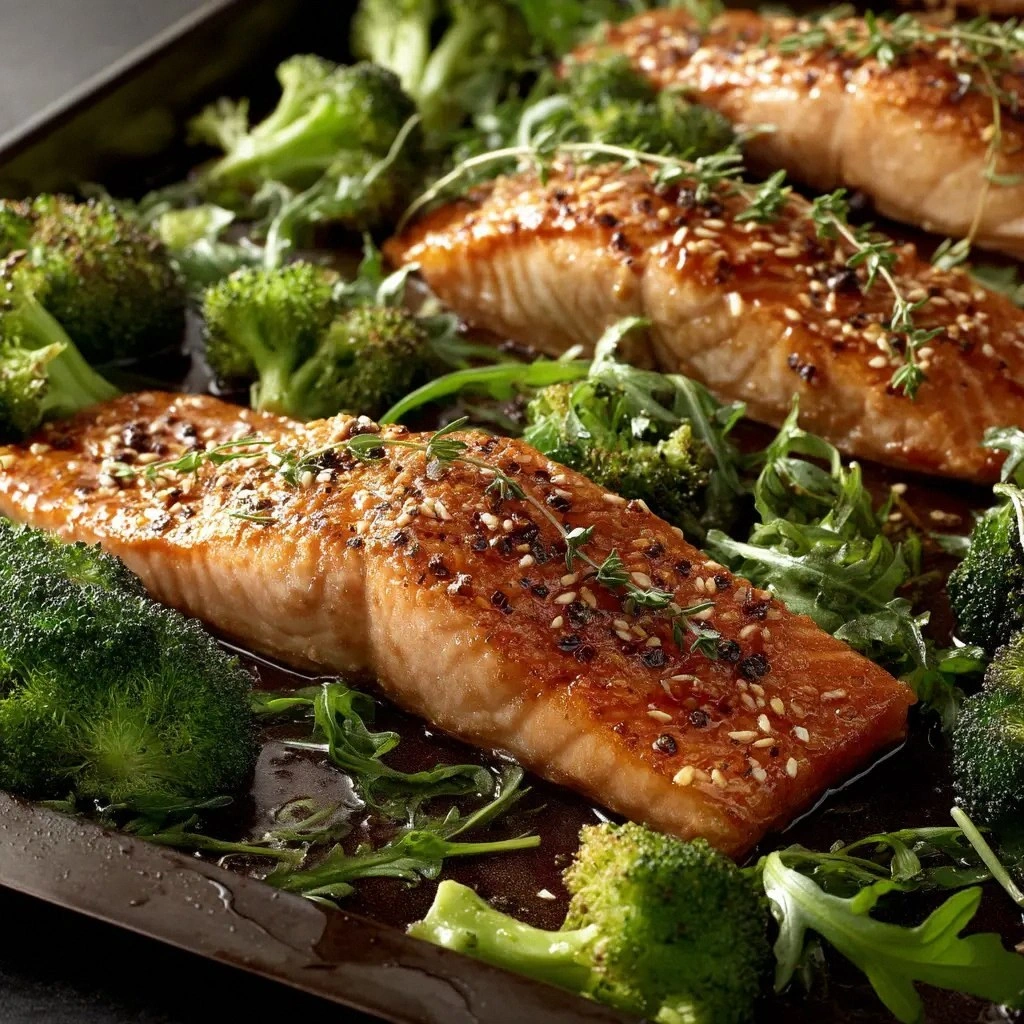
Picture this: you’re in a cramped kitchen, the clock is ticking, and you’re craving something that feels indulgent yet doesn’t require a Michelin‑star kitchen. You’re staring at a few salmon fillets, a jar of maple syrup, and a stubborn mustard that refuses to cooperate. I’ve been there—one too many attempts at “glazed salmon” that ended up looking like a sticky, over‑cooked mess. That’s why I was thrilled to stumble upon a version that turns a simple fillet into a silky, caramelized masterpiece in under twenty minutes. The aroma alone—sweet maple, sharp Dijon, and a hint of garlic—makes the whole house feel like a cozy bakery on a rainy night.
When the first bite hits, you’re hit with a contrast: the salmon’s buttery flesh gives way to a crisp, caramelized edge that crackles like thin ice. The sauce coats the fish like velvet, and the subtle soy undertone keeps it from feeling too sweet. I dare you to taste this and not go back for seconds. If you’re skeptical, just imagine the glossy glaze shimmering against a crisp, green side of asparagus or a bed of buttery mashed potatoes. Trust me, the first bite will have you questioning why you’ve ever settled for anything less.
What makes this recipe stand out is not just the flavor but the approach. I’ve stripped away the extra steps that most people add—no need for a pan sauce, no pre‑baking, no endless whisking. All you need is a quick stir, a few minutes in the oven, and a plate that looks like it just walked out of a food magazine. The result is a dish that feels luxurious yet approachable, and it’s perfect for a quick weeknight dinner or a last‑minute dinner party. I’ve tested it in a variety of kitchens, and the outcome is consistently the same: tender, flavorful salmon with a caramelized crust that shatters like thin ice.
I’m not going to hide the fact that I ate half the batch before anyone else got to taste it. That’s a confession, not a brag, because I know how tempting it is. But the real magic happens when you let the glaze do its work for just a few minutes, letting the maple syrup caramelize into a golden, glossy coating that’s both sweet and savory. By the end of this post, you’ll wonder how you ever made it any other way. Let me walk you through every single step — by the end, you’ll wonder how you ever made it any other way.
What Makes This Version Stand Out
- Flavor: The maple syrup and Dijon mustard create a balanced sweet‑savory profile that elevates the natural umami of salmon without overpowering it. The subtle soy sauce adds depth and a hint of saltiness that keeps the glaze from becoming cloying.
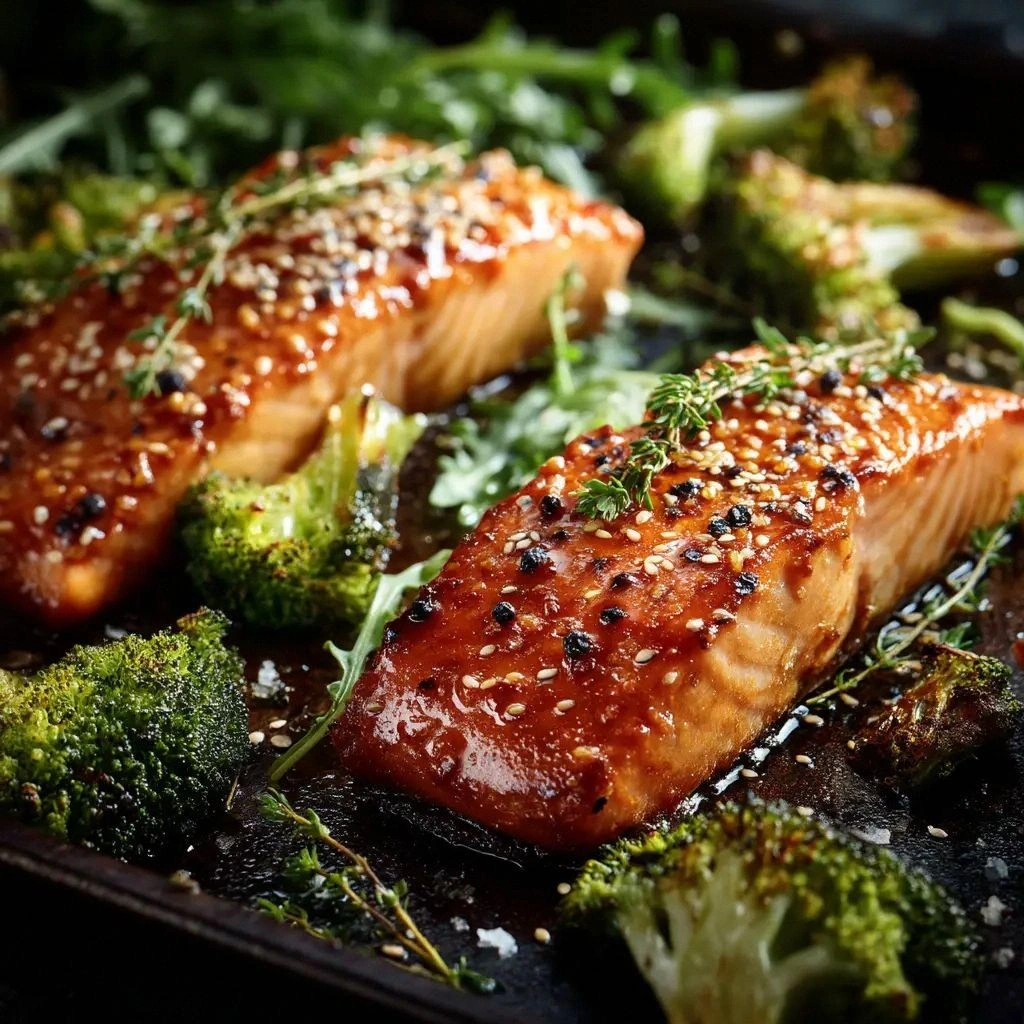
- Texture: The glaze caramelizes into a thin, crisp crust that snaps when you lift a fillet, while the inside stays moist and flaky. The contrast is a sensory delight that keeps diners coming back for more.
- Speed: You can have dinner ready in 20 minutes, making this an ideal solution for busy weeknights or impromptu gatherings. No need for elaborate prep or long cooking times.
- Versatility: Swap the maple syrup for honey or brown rice syrup, or use whole‑grain mustard for a different flavor profile. The base is robust enough to accommodate a variety of substitutions.
- Presentation: The glossy glaze gives the dish a restaurant‑style finish that impresses guests without the need for fancy plating techniques.
- Health: Salmon is a great source of omega‑3 fatty acids, and the maple syrup is used sparingly, keeping the dish on the healthier side while still delivering indulgent flavor.
Inside the Ingredient List
The Flavor Base
The maple syrup and Dijon mustard form the heart of this dish. The syrup provides natural sweetness and a subtle caramel flavor that balances the sharpness of the mustard. If you skip the maple syrup, the glaze loses its signature depth, and the dish becomes too tangy. For a slightly spicier kick, add a pinch of cayenne pepper to the base.
The Texture Crew
The salmon fillets themselves are the canvas. Choosing fillets that are 6 ounces each ensures a consistent size for even cooking. If you prefer a leaner option, trim the fat cap; otherwise, leave it for extra flavor. A quick pat with a paper towel removes excess moisture, helping the glaze set properly.
The Unexpected Star
The low‑sodium soy sauce might seem like a minor detail, but it’s the secret sauce that deepens the glaze’s umami profile. Skipping it will make the glaze taste a bit flat and overly sweet. If you’re watching sodium, you can use a sodium‑free soy sauce or a splash of low‑sodium tamari.
The Final Flourish
Garlic brings a fragrant punch that lifts the overall flavor profile. Crushing the cloves before mixing ensures the garlic is evenly distributed. If you’re sensitive to raw garlic, lightly sauté it in the pan before adding the glaze for a milder taste. The black pepper adds a subtle heat that balances the sweetness without overpowering the dish.
Everything's prepped? Good. Let's get into the real action...
The Method — Step by Step
Preheat your oven to 425°F (220°C). Line a baking sheet with parchment paper or a silicone mat to prevent sticking. This high heat is critical for caramelizing the glaze quickly without drying out the fish.
While the oven heats, combine the maple syrup, Dijon mustard, soy sauce, minced garlic, black pepper, and salt in a small bowl. Whisk until the mixture is smooth and the garlic is evenly dispersed. The sauce should be thick enough to coat the back of a spoon.
Pat the salmon fillets dry with paper towels; this step is essential for a crisp glaze. Place the fillets skin‑side down on the prepared baking sheet, spacing them evenly. The skin will help protect the flesh from direct heat.
Kitchen Hack: Brush the fillets with a thin layer of olive oil before glazing to enhance the caramelization.Brush the glaze generously over the top of each fillet, making sure to coat every surface. The glaze will form a glossy, caramelized crust as it cooks. If you’re a fan of a thicker glaze, double the amount and brush it in two layers.
Slide the sheet into the oven and bake for 8 minutes. At this point, the glaze should have thickened and started to caramelize, giving off a sweet, nutty aroma. The fish should still be slightly translucent at the center.
Reduce the oven temperature to 400°F (200°C) and bake for an additional 4–6 minutes, or until the salmon flakes easily with a fork. The glaze will form a crisp, caramelized crust that’s golden brown and slightly charred at the edges.
Remove the salmon from the oven and let it rest for 2 minutes. This short rest allows the juices to redistribute, ensuring a moist interior. While the fish rests, you can finish any side dishes or garnish.
Kitchen Hack: Finish the glaze by drizzling a tiny splash of lemon juice over the fillets before serving for a bright, citrusy contrast.If you’re a perfectionist, watch this step closely: the glaze should not burn. If you notice any dark spots forming, lift the sheet slightly to allow steam to escape, or lower the temperature by 25°F. A burnt glaze can ruin the delicate balance of flavors.
Watch Out: Over‑baking can dry out the salmon; keep a close eye on the glaze to avoid it.Serve immediately, plating the salmon on a warm dish to keep the glaze from hardening. Garnish with fresh herbs like dill or parsley for a pop of color. Pair with a simple green salad or roasted vegetables for a balanced meal.
That’s it — you did it. But hold on, I've got a few more tricks that'll take this to another level: a secret garnish, a side pairing, and a quick sauce tweak that will keep guests asking for more.
Insider Tricks for Flawless Results
The Temperature Rule Nobody Follows
Many chefs think a lower oven temperature will give you a better finish, but that’s a myth. A high temperature (425°F) is key for caramelizing the glaze quickly, preventing the fish from drying out. I once tried baking at 350°F, and the result was a soggy, under‑cooked fillet that never achieved that coveted crispy crust.
Why Your Nose Knows Best
When the glaze starts to bubble and emit a nutty aroma, that’s your cue to check the interior. The fish should still be slightly pink in the center. If you smell a faint burnt scent, it’s time to reduce the heat or pull it out. Your nose is your best judge of doneness.
The 5‑Minute Rest That Changes Everything
Letting the salmon rest for 2 minutes after baking might seem trivial, but it allows the juices to redistribute, keeping the flesh tender. Skipping this step can result in a dry, uneven texture. Think of it as giving the fillet a moment to breathe before the plate.
Use a Silicone Mat for Easy Cleanup
The glaze can stick stubbornly to a regular baking sheet. A silicone mat keeps the surface non‑stick and makes cleanup a breeze. I’ve been using one for years, and it’s a game‑changer for busy nights.
Pairing Ideas That Elevate the Dish
Serve the salmon over a bed of sautéed spinach or a quinoa pilaf to absorb the remaining glaze. A light citrus salad with a lemon vinaigrette balances the sweetness, while roasted root vegetables add earthiness. The possibilities are endless, so feel free to experiment.
Quick Sauce Tweak for Extra Depth
Add a splash of fresh lemon juice just before serving to cut through the sweetness and add brightness. If you prefer a smoky flavor, finish the fillets with a quick sear in a hot skillet for a minute on each side after baking.
Creative Twists and Variations
This recipe is a playground. Here are some of my favorite ways to switch things up:
Honey‑Mustard Salmon
Swap the maple syrup for honey to create a sweeter glaze with a floral undertone. The honey caramelizes beautifully, giving the fillets a glossy, amber finish.
Spicy Maple Salmon
Add a pinch of crushed red pepper flakes or a dash of sriracha to the glaze for a spicy kick. The heat balances the sweetness and adds a dynamic flavor profile.
Asian‑Inspired Glaze
Use brown rice vinegar and a splash of sesame oil instead of soy sauce, and finish with toasted sesame seeds. This gives the dish an unmistakable Asian vibe that pairs well with jasmine rice.
Herb‑Infused Salmon
Stir in chopped fresh thyme or rosemary into the glaze before brushing. The herbs infuse the fish with aromatic, earthy tones that complement the maple sweetness.
Vegetarian Version
Replace salmon with thick-cut tofu or tempeh. The glaze still caramelizes, and the tofu absorbs the flavors, making it a hearty, plant‑based option.
Breakfast Twist
Serve the glazed salmon over scrambled eggs and toast for a protein‑packed breakfast. The sweet glaze pairs surprisingly well with the savory eggs.
Storing and Bringing It Back to Life
Fridge Storage
Store leftover salmon in an airtight container in the refrigerator for up to 3 days. Keep the glaze on the side to avoid the fish becoming soggy. Reheat gently in a 350°F oven for 5 minutes, or in a microwave on low power for 30 seconds.
Freezer Friendly
Freeze the fillets individually on parchment paper, then transfer to a freezer bag. They stay best for up to 2 months. Thaw overnight in the refrigerator before reheating.
Best Reheating Method
To reheat, place the salmon on a microwave‑safe plate, drizzle a splash of water, cover with a damp paper towel, and microwave on medium for 45 seconds. The added moisture keeps the fish from drying out and restores the glaze’s shine.