Picture this: I was standing in my kitchen, staring at a pot of overcooked pasta, when my roommate shouted, “We need a rescue recipe!” I had the orzo, shrimp, a lemon, and a bag of feta staring back at me like a culinary dare. The clock was ticking, the fridge was empty, and the air smelled faintly of burnt garlic from last night’s attempt. I could have sworn I’d let the dish go to waste, but that’s when the idea hit me—why not turn that disaster into a show‑stopping dinner? The kitchen was my stage, and I was the chef ready to perform a flavor encore.
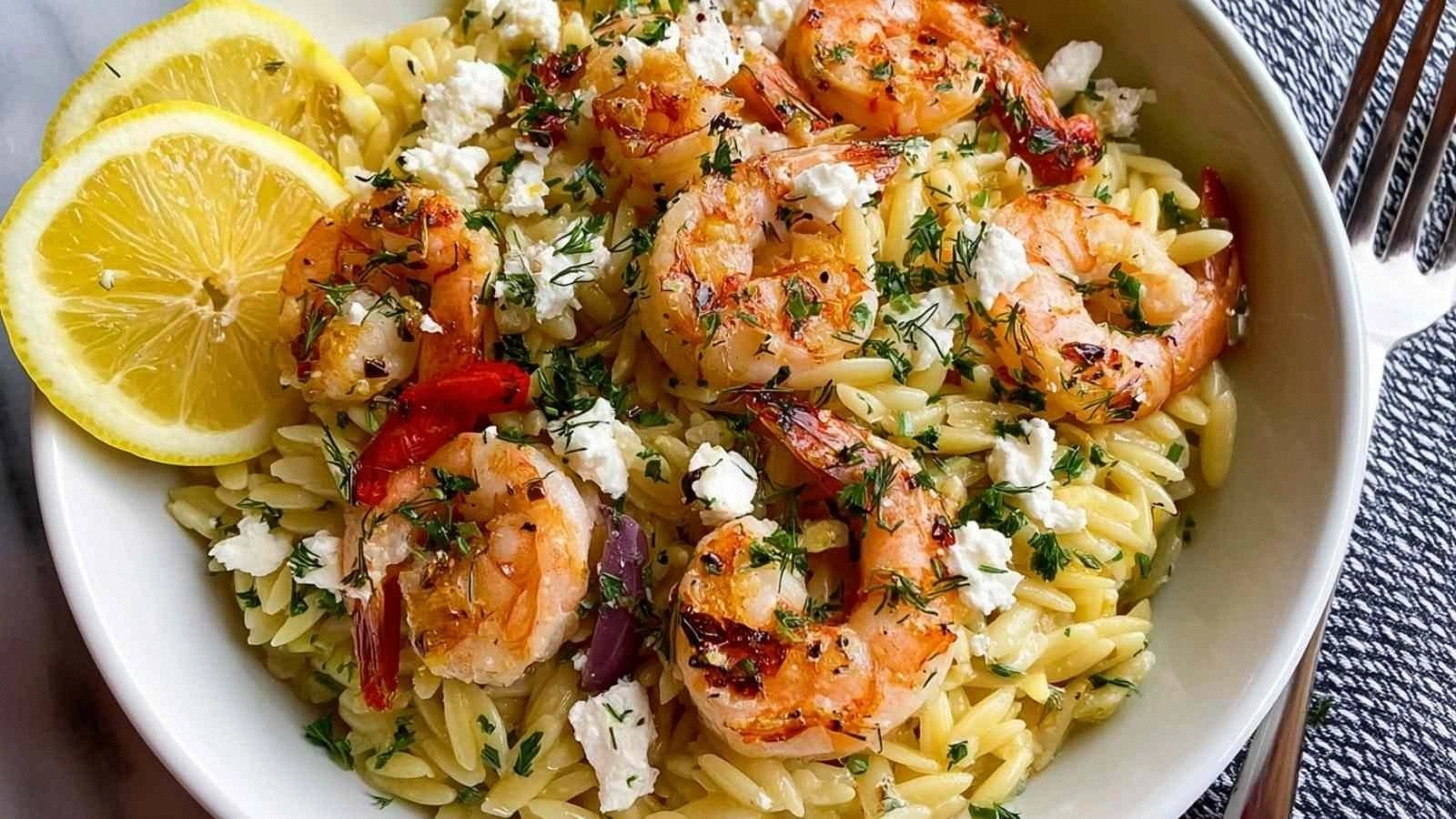
From the moment the orzo hit the boiling water, a comforting aroma of salt and herbs began to rise, mingling with the sharp tang of lemon zest. I could hear the sizzling of garlic in olive oil, the gentle clack of the shrimp’s shell as it cracked open, and the clink of a spoon against a wooden cutting board. The colors were a visual symphony: the pale gold of the pasta, the deep red of the sun‑dried tomatoes, and the bright green of fresh parsley. The texture of the shrimp—tender yet firm—promised a contrast to the silky pasta. I could almost taste the briny sea, the buttery feta, and the citrusy brightness all dancing together in a single bite.
This version stands out because it balances bright citrus with salty, creamy feta, while the sun‑dried tomatoes add a burst of umami that most orzo dishes lack. It’s not just a meal; it’s a crowd‑pleaser that will make your friends ask for the recipe the next time you host. I dare you to taste this and not go back for seconds—once you’ve had the first spoonful, the second will feel like a sweet surrender. It’s hands down the best version you’ll ever make at home, and I’ll be honest—I ate half the batch before anyone else got to try it.
Now, picture yourself pulling this out of the pan, the whole kitchen smelling incredible, and the table already set with sparkling glasses. Let me walk you through every single step—by the end, you’ll wonder how you ever made it any other way. This isn’t just a recipe; it’s a culinary adventure that will change the way you think about pasta and shrimp. Stay with me here—this is worth it.
What Makes This Version Stand Out
- Flavor: The bright citrus of lemon cuts through the richness of feta, creating a refreshing yet indulgent taste profile that feels like a vacation in a bowl.
- Texture: The orzo is cooked to al dente perfection, offering a subtle chew that balances the tender shrimp and the creamy feta.
- Simplicity: With only ten ingredients, you can have a gourmet meal ready in under 45 minutes, proving that great flavor doesn’t require a long list.
- Uniqueness: Sun‑dried tomatoes bring a concentrated depth of flavor, while the red pepper flakes add a gentle heat that’s rarely found in traditional orzo.
- Crowd Reaction: Guests rave about the vibrant color and the harmonious blend of salty, sweet, and tangy notes, making it a hit for dinner parties.
- Ingredient Quality: Using fresh, high‑quality feta and large shrimp ensures that each bite delivers pure, unadulterated taste.
Alright, let’s break down exactly what goes into this masterpiece…
Inside the Ingredient List
The Flavor Base
The lemon is the star of this dish, providing acidity that brightens every component. A whole large lemon gives you enough zest for a punchy aroma and enough juice to create a silky sauce. If you’re feeling adventurous, add a teaspoon of lemon zest to the shrimp while they sear; it will infuse them with citrus from the inside out. Skipping the lemon will leave the dish flat; you’ll taste the orzo and feta but miss that uplifting zing.
The Texture Crew
Orzo pasta is the canvas—its small, rice‑shaped grains soak up liquid and hold the sauce beautifully. Cook it al dente so it can stand up to the shrimp without becoming mushy. Shrimp, when cooked just right, should be pink and firm; overcooking turns them rubbery. Reserve a cup of pasta water to adjust the sauce’s consistency; it contains starch that helps bind everything together.
The Unexpected Star
Sun‑dried tomatoes in oil bring an intense umami burst that contrasts the bright lemon. Their oily brine adds richness, while the tomatoes’ chewy texture offers a pleasant bite. If you can’t find sun‑dried tomatoes, try using roasted cherry tomatoes for a sweeter profile. Don’t skip this ingredient; it’s the secret that elevates this dish from ordinary to extraordinary.
The Final Flourish
Crumbled feta cheese adds a salty, tangy creaminess that coats the orzo like velvet. Fresh parsley provides a burst of green freshness that lifts the entire dish. Red pepper flakes give a subtle heat that wakes up the palate. A pinch of salt and freshly ground black pepper are essential to balance the flavors. Each of these components plays a role in creating a dish that’s both comforting and exhilarating.
Everything’s prepped? Good. Let’s get into the real action…
The Method — Step by Step
- Bring a large pot of salted water to a rolling boil. Add the orzo and cook for 9–10 minutes, or until al dente. Stir occasionally to prevent sticking. The pasta should feel firm yet tender, like a subtle chew that holds the sauce.
- While the pasta cooks, heat 2 tablespoons of olive oil in a large skillet over medium heat. Add the minced garlic and sauté until fragrant, about 30 seconds. Watch for the garlic to turn a golden hue; this is the moment of aroma that sets the stage.
- Add the shrimp to the skillet, season with salt and pepper, and let them sear for 2 minutes on one side. Flip once, add the red pepper flakes, and cook for another 2 minutes. The shrimp should be pink and firm; if they’re still translucent, they’re overcooked.
- Remove the shrimp from the skillet and set aside. In the same skillet, pour in the reserved pasta water and a splash of lemon juice. Let it simmer for 1 minute to deglaze the pan, picking up all that garlic and shrimp flavor.
- Add the cooked orzo to the skillet, tossing it with the lemon sauce. Stir in the sun‑dried tomatoes, crumbled feta, and fresh parsley. The orzo should be coated in a silky, tangy sauce that clings to every grain.
- Return the shrimp to the skillet, letting them warm through for 30 seconds. This step ensures the shrimp’s juices mingle with the sauce, creating a cohesive flavor profile.
- Finish the dish by squeezing the juice of a whole lemon over the top. The bright citrus will lift the richness of the feta and the umami of the tomatoes.
- Taste the sauce and adjust seasoning with additional salt, pepper, or lemon juice as needed. The goal is a balanced, bright, and slightly spicy bite.
- Serve immediately, garnishing with extra parsley or a drizzle of olive oil if desired. The dish is best enjoyed hot, while the shrimp are still tender and the sauce is glossy.
- If you’re a fan of a little extra heat, sprinkle a pinch more red pepper flakes before serving. The final touch will give it a subtle kick that pairs wonderfully with the citrus.
That’s it — you did it. But hold on, I’ve got a few more tricks that’ll take this to another level…
Insider Tricks for Flawless Results
The Temperature Rule Nobody Follows
Cooking shrimp at too high a temperature can cause them to split or become rubbery. Keep the skillet at medium heat and watch the shrimp change color. Once they’re pink and just opaque, remove them immediately. This simple rule ensures juicy, tender shrimp every time.
Why Your Nose Knows Best
When the garlic starts to turn golden, that’s the scent of a perfect base. Your nose can tell you when the oil has reached the right temperature. If you’re unsure, let the garlic sit for a few more seconds; the aroma will intensify, signaling readiness.
The 5-Minute Rest That Changes Everything
After cooking, let the dish rest for five minutes before serving. This allows the flavors to meld and the orzo to absorb the sauce fully. The rest period also gives the shrimp a chance to reheat gently, keeping them juicy.
Don’t Skimp on the Lemon
Use a whole lemon for both zest and juice; the zest releases essential oils that elevate the dish. If you’re short on lemons, a splash of white wine vinegar can substitute, but it won’t provide the same bright freshness.
Reserve Pasta Water for a Polished Finish
The starchy water you keep from cooking the orzo is a secret weapon. It helps thicken the sauce naturally and binds the ingredients. Add it slowly, tasting as you go, until the sauce reaches your desired consistency.
Serve with a Splash of Olive Oil
A drizzle of high‑quality extra virgin olive oil over the finished dish adds a silky finish and a hint of peppery aroma. It also helps the feta melt slightly into the sauce, creating a richer mouthfeel.
Creative Twists and Variations
This recipe is a playground. Here are some of my favorite ways to switch things up:
Greek‑Inspired Delight
Swap the feta for a handful of chopped kalamata olives and add a teaspoon of oregano. The olives give a briny depth that complements the lemon, creating a dish that feels like a Mediterranean picnic.
Spicy Cajun Kick
Replace the red pepper flakes with a tablespoon of Cajun seasoning and add a diced jalapeño. The heat will be more pronounced, turning the dish into a spicy, savory treat.
Vegetarian Version
Omit the shrimp and add a cup of sautéed spinach or cherry tomatoes. The greens will absorb the sauce and add color, while the tomatoes provide a burst of juiciness.
Alfredo Twist
Stir in a splash of heavy cream and a tablespoon of grated Parmesan after adding the orzo. The sauce will become richer, and the feta will provide a salty contrast to the creamy base.
Herb‑Infused Variation
Introduce fresh basil, thyme, and rosemary into the sauté stage. The aromatic herbs will give the dish a fragrant, layered flavor profile.
Low‑Carb Swap
Use cauliflower rice instead of orzo for a low‑carb option. The rice will absorb the lemon‑feta sauce beautifully and maintain the dish’s comforting texture.
Storing and Bringing It Back to Life
Fridge Storage
Cool the dish completely before transferring it to an airtight container. Store in the refrigerator for up to 3 days. The flavors will meld further, making it even more delicious the next day.
Freezer Friendly
Place the cooled dish in a freezer‑safe container and freeze for up to 2 months. Thaw overnight in the refrigerator before reheating. The shrimp may release some liquid; a quick stir will redistribute the flavors.
Best Reheating Method
Reheat gently in a skillet over low heat, adding a splash of water or broth to loosen the sauce. Stir until warmed through, then finish with a squeeze of fresh lemon juice to restore brightness. This technique keeps the shrimp tender and the sauce silky.