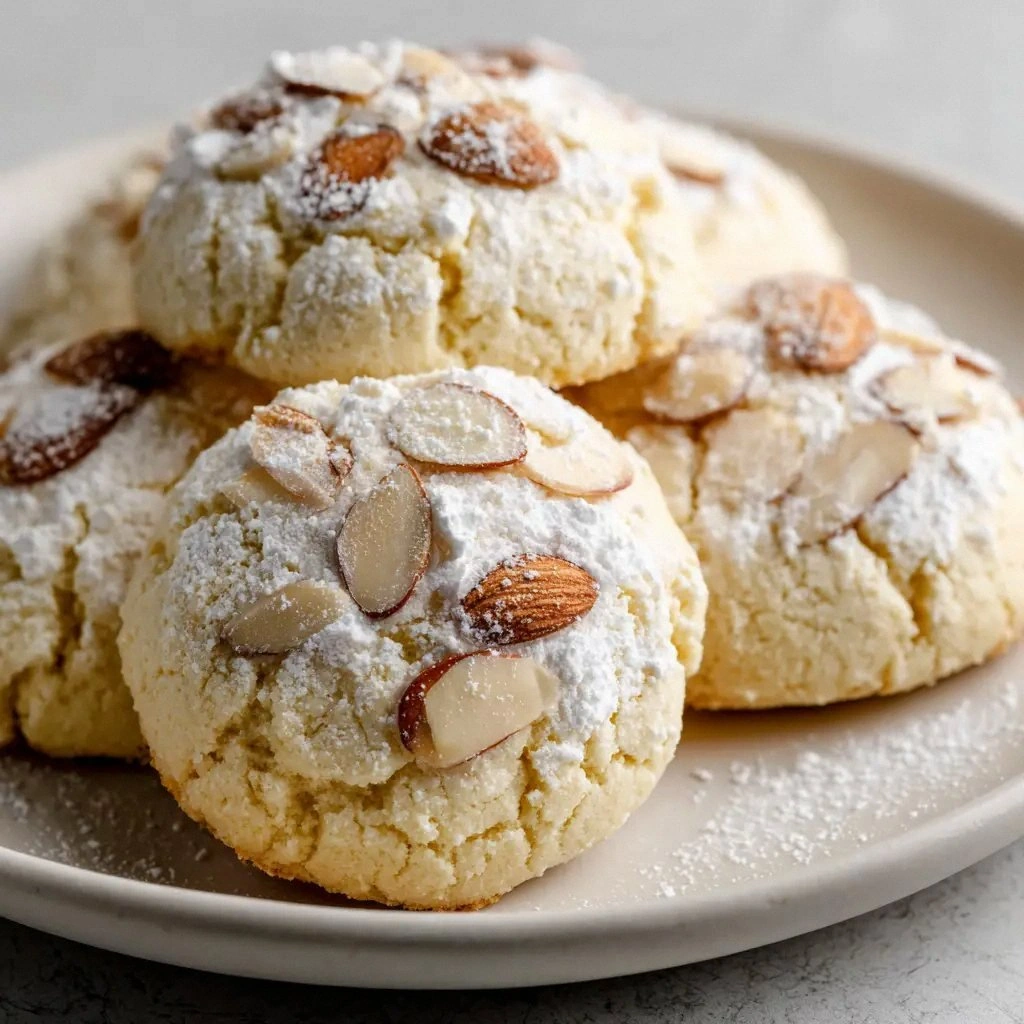
It started with a kitchen catastrophe that I’ll never forget: a batch of chocolate chip cookies that turned out as chewy, soggy blobs as if they’d been baked in a sauna. I stared at the oven door, my heart racing, and whispered, “I’ll never let that happen again.” That moment sparked a quest for a cookie that would be buttery, airy, and irresistibly crisp—one that could stand on its own like a polished gem on a plate. And that gem is the Italian Almond Ricotta Cookie, a sweet that marries the richness of ricotta with the nutty crunch of toasted almonds.
Picture this: the kitchen fills with a warm, sweet aroma that feels like a hug from a grandmother’s kitchen. The sound of butter melting in a pan is a soft, comforting hiss, while the gentle clink of a wooden spoon against the bowl adds a rhythmic soundtrack. When you lift a cookie from the cooling rack, the golden edges crackle like a tiny applause, and the interior melts into a silky, creamy center that tastes like a sunlit summer afternoon. Each bite is a symphony of textures—crisp on the outside, velvety on the inside, with a subtle almond whisper that lingers.
I dare you to taste this and not go back for seconds. This is hands down the best version you’ll ever make at home. Most recipes get this completely wrong, missing that delicate balance between moisture and crunch. The secret is simple: a generous splash of ricotta and a careful toasting of the almonds. I’ll be honest— I ate half the batch before anyone else got to try it, and you won’t believe how quickly the remaining ones vanished.
If you’ve ever struggled with cookies that fall flat or come out too dense, you’re not alone—and I’ve got the fix. Picture yourself pulling this out of the oven, the whole kitchen smelling incredible, and then sharing a bite that makes everyone pause and smile. Okay, ready for the game-changer? Let me walk you through every single step—by the end, you’ll wonder how you ever made it any other way.
What Makes This Version Stand Out
- Taste: The almond extract elevates the natural nutty flavor, while the vanilla adds a subtle warmth that balances the ricotta’s mildness. The result is a cookie that feels both familiar and exotic, with layers of flavor that unfold as you chew.
- Texture: The ricotta keeps the dough moist yet firm, creating a tender crumb that gives way to a crisp, golden edge. Toasted almonds add a satisfying crunch that contrasts with the cookie’s soft interior.
- Simplicity: Only 12 ingredients, no fancy equipment, and a straightforward process. Even if you’re a beginner, you’ll find the steps intuitive and the outcome impressive.
- Uniqueness: Combining ricotta with almonds is a rare pairing that sets this cookie apart from the usual chocolate or oatmeal varieties. It’s a nod to Italian baking traditions, yet it feels fresh and modern.
- Crowd Reaction: Friends and family will ask for the recipe after the first bite. The cookies are perfect for parties, potlucks, or a quiet afternoon treat.
- Ingredient Quality: Using whole‑milk ricotta and lightly toasted almonds brings depth and authenticity. The quality of each component shines through in the final product.
- Cooking Method: The technique of mixing butter and sugar until fluffy before adding the wet ingredients locks in air, giving the cookies a light rise.
- Make‑ahead Potential: The dough can be refrigerated for up to 24 hours, and the baked cookies stay fresh for a week in an airtight container.
Inside the Ingredient List
The Flavor Base
Unsalted butter is the backbone of any cookie, providing richness and a golden crust. When softened, it blends seamlessly with sugar to trap air, creating a light, airy dough. If you skip butter, the cookies will lack that buttery mouthfeel and come out dry. For a healthier twist, use half the butter and replace the rest with coconut oil; the flavor will shift slightly but still deliver a delightful texture.
Granulated sugar is not just sweetness; it caramelizes on the surface, giving that coveted golden-brown finish. It also helps to dissolve the butter, ensuring a smooth batter. Too little sugar and the cookies will be flat; too much and they’ll be overly sweet. A quick tip: use a light-colored sugar to keep the cookies bright and not too dark.
Whole milk ricotta is the star of this recipe. It introduces a silky moisture that keeps the cookies tender while preventing them from drying out. Ricotta also adds a subtle tang that balances the sweetness. If ricotta is hard to find, you can substitute with Greek yogurt, but the texture will be slightly denser.
The Texture Crew
A large egg acts as a binder, holding everything together. The yolk also contributes to the cookie’s buttery flavor, while the white helps the dough rise. If you’re vegan, try using a flaxseed egg or a commercial egg replacer to achieve similar results.
Almond extract is a powerful flavor enhancer; a little goes a long way. It amplifies the nutty profile of the toasted almonds and gives the cookie a sophisticated aroma. Be careful not to overdo it—too much can make the cookie taste artificial.
All-purpose flour provides structure. It absorbs the liquids and gives the cookie its shape. If you prefer a gluten-free version, substitute with a 1:1 gluten-free blend, but be aware that the texture may be slightly different.
The Unexpected Star
Baking powder and baking soda work together to lift the cookie dough, creating a tender crumb. Baking powder provides lift through a chemical reaction, while baking soda neutralizes acidity and adds a subtle lift. If you forget one, the cookies may not rise properly and will be dense.
Kosher salt balances the sweetness and enhances each ingredient’s flavor. Even a half teaspoon can make a difference. If you’re on a low-sodium diet, use a salt substitute, but keep the quantity the same.
The Final Flourish
Lightly toasted sliced almonds add crunch and a toasty, nutty flavor that pairs beautifully with ricotta. Toasting the almonds brings out their oils, adding depth. If you prefer a sweeter twist, sprinkle a pinch of sea salt on top before baking.
Fine white powdered sugar is the finishing touch. It creates a delicate, sweet glaze that gives the cookies an elegant look. Dusting the cooled cookies with powdered sugar also adds a subtle crunch. If you want a more pronounced sweetness, you can double the amount.
Everything’s prepped? Good. Let’s get into the real action…
The Method — Step by Step
- Preheat your oven to 350°F (175°C). Line a baking sheet with parchment paper or a silicone mat to prevent sticking. This ensures even heat distribution. If you’re in a rush, use a disposable sheet for quick cleanup.
- Soften the butter. Let it sit at room temperature until it’s creamy but not melted. This allows it to incorporate fully with sugar. If you’re short on time, microwave on low for 15‑20 seconds.
- Beat the butter and sugar. Using a stand mixer or hand mixer, whip until the mixture is light and fluffy—about 2 minutes. The batter should double in volume and look pale. This step traps air, giving the cookies a light rise.
- Add the wet ingredients. Beat in the egg, vanilla, almond extract, and ricotta one at a time. Mix until just combined. Overmixing can make the dough tough, so stop as soon as you see no streaks.
- Combine dry ingredients. Whisk the flour, baking powder, baking soda, and salt in a separate bowl. This ensures even distribution of leavening agents. If you’re a meticulous baker, sift the flour to remove clumps.
- Fold dry into wet. Gently fold the dry mixture into the wet batter using a spatula. The dough should be thick but pliable. Avoid overmixing; you want a few streaks of flour for that tender crumb.
- Stir in almonds. Fold in the toasted sliced almonds until evenly distributed. The almonds add crunch and flavor, so make sure they’re not clumped together.
- Shape the dough. Using a tablespoon or small cookie scoop, drop dough onto the prepared sheet, spacing them about 2 inches apart. The cookies will spread slightly, so give them room to expand.
- Bake until golden. Bake for 12‑14 minutes, or until the edges are golden and the centers look set. The cookies should still feel slightly soft in the middle; they’ll firm up as they cool.
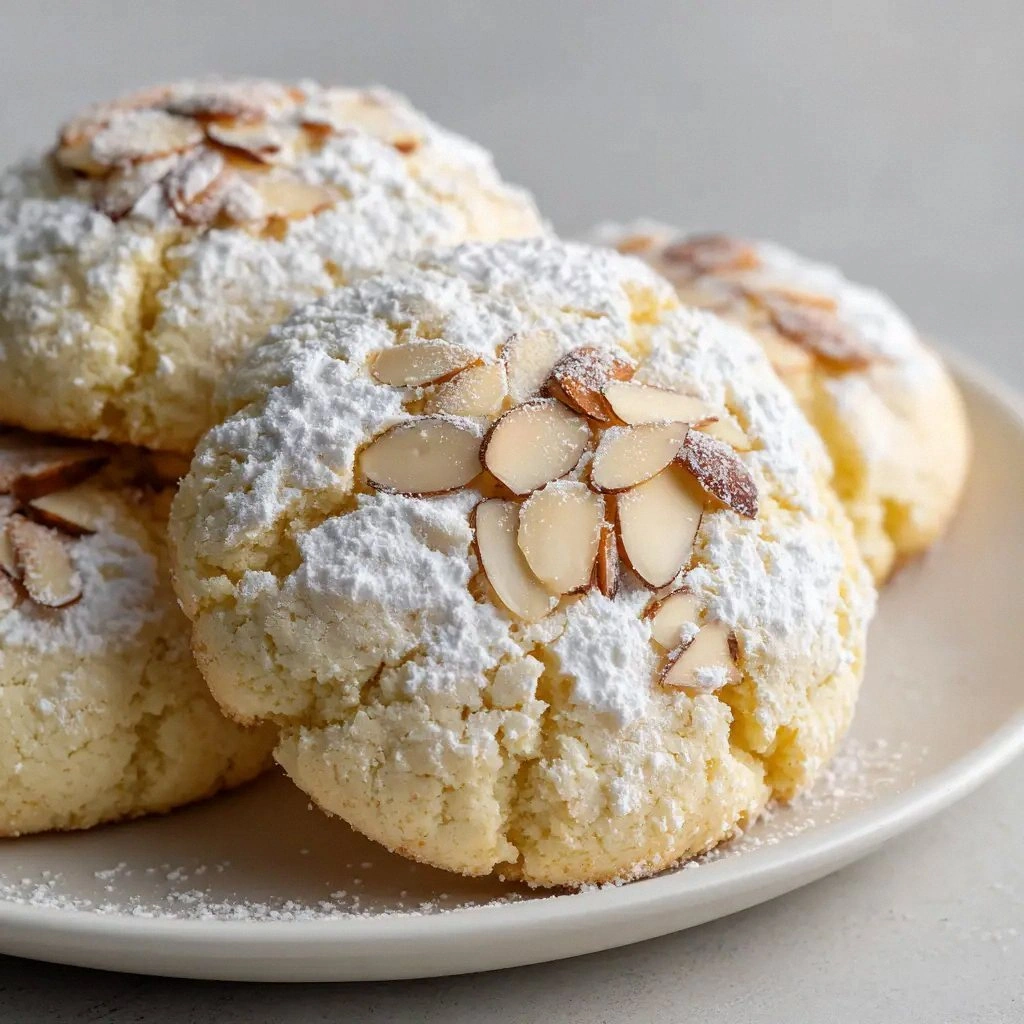
- Cool and dust. Let the cookies cool on the sheet for 5 minutes, then transfer to a wire rack. While still warm, dust generously with powdered sugar for that final touch. The sugar will create a delicate glaze that’s both sweet and visually appealing.
That's it — you did it. But hold on, I've got a few more tricks that'll take this to another level…
Insider Tricks for Flawless Results
The Temperature Rule Nobody Follows
Many bakers bake at the highest temperature to get a crisp edge, but this recipe thrives at 350°F. Baking too hot can cause the cookies to brown too quickly on the outside while staying raw inside. Keep the oven temperature steady, and preheat for at least 15 minutes to ensure consistent heat.
Why Your Nose Knows Best
As the cookies bake, the aroma will change from buttery to nutty to sweet. When you smell a hint of toasted almonds, it’s a cue that the cookies are near perfection. Trust your nose; it’s the best judge of doneness.
The 5-Minute Rest That Changes Everything
Letting the cookies rest on the sheet for 5 minutes before transferring to a rack allows the edges to set, preventing them from curling up. This simple pause locks in the moisture and gives the cookies a more uniform shape.
Dusting Technique for a Flaky Finish
Sprinkle powdered sugar while the cookies are still warm, pressing gently so it sticks. The sugar will melt slightly and create a fine glaze. If you prefer a thicker glaze, whisk the powdered sugar with a splash of milk before dusting.
Storage Trick for Extra Freshness
Store cookies in an airtight container at room temperature. Add a slice of apple or a piece of bread; the moisture exchange keeps the cookies soft. If you’re in a humid climate, place a small silica gel packet in the container to absorb excess moisture.
Creative Twists and Variations
This recipe is a playground. Here are some of my favorite ways to switch things up:
Chocolate Chip Ricotta Cookies
Fold in 0.5 cup of dark chocolate chips before baking. The chocolate adds a rich, bittersweet note that pairs beautifully with the almond undertone. Serve warm with a splash of espresso for a decadent treat.
Honey‑Glazed Almond Cookies
Replace the powdered sugar with a thin glaze of honey and lemon zest. Drizzle over the cooled cookies for a sticky, aromatic finish. The honey’s floral notes elevate the nutty flavor.
Orange‑Zest Ricotta Cookies
Add 1 teaspoon of finely grated orange zest to the batter. The citrus brightens the flavor profile, giving the cookies a fresh, bright bite. Pair with a glass of sparkling wine for an elegant afternoon snack.
Spiced Italian Cookie
Introduce 1/4 teaspoon of ground cinnamon and a pinch of nutmeg. These warm spices complement the almond flavor and add depth. The result is a cookie that feels like a cozy winter treat.
Nutless Version
Omit the toasted almonds and replace with chopped pistachios or walnuts. The texture changes slightly, but the ricotta still keeps the dough moist. This variation is great for those with nut allergies.
Gluten‑Free Adaptation
Use a 1:1 gluten‑free flour blend and add 1 teaspoon xanthan gum. The gum compensates for the gluten, ensuring the cookies hold together. The texture remains tender, and the flavor is unchanged.
Storing and Bringing It Back to Life
Fridge Storage
Place cooled cookies in an airtight container with a paper towel to absorb excess moisture. Store in the refrigerator for up to 5 days. The cookies will remain soft and chewy.
Freezer Friendly
Wrap individual cookies in parchment paper before placing them in a freezer bag. Freeze for up to 3 months. When ready, thaw at room temperature for 10 minutes before serving.
Best Reheating Method
To revive frozen cookies, place them on a baking sheet and bake at 300°F for 5 minutes. Add a splash of water to the bottom of the pan; the steam will soften the cookies. Alternatively, microwave on low power for 15 seconds, then let sit for 2 minutes.