I was halfway through a disastrous batch of vanilla sponge when the kitchen lights flickered and the oven alarm blared like a warning siren. I stared at the scorched batter, feeling the familiar sting of disappointment that comes from over‑baking and over‑mixing. The only thing that kept me from throwing the whole tray in the trash was a sudden craving for citrus, a whisper of something bright and zesty that could save the day. That impulse led me to my pantry, where a bag of whole clementines sat like a tiny, sun‑kissed treasure waiting to be unleashed.
I peeled the fruit, the citrusy scent filling the air, and imagined the sweet, buttery aroma of a freshly baked cake. The sound of the oven timer ticking felt like a metronome, counting down to the moment I would taste something that could make the whole kitchen smell like a summer orchard. I could already taste the soft, crumbly texture, the delicate citrus notes dancing against the nutty almond base. The idea of turning a kitchen disaster into a triumph was intoxicating—like turning a broken record into a smooth jazz masterpiece.
What makes this version of the clementine cake so irresistible is that it defies the usual expectations of a fruit cake. It’s not heavy or overly sweet; instead, it’s a bright, airy confection that lets the citrus shine through without drowning in sugar. The ground almonds give it a subtle, buttery crunch that contrasts with the moist, citrus‑laden crumb. And the best part? It’s surprisingly gluten‑free, yet still has that comforting, cake‑like feel you crave on a rainy afternoon. I dare you to taste this and not go back for seconds.
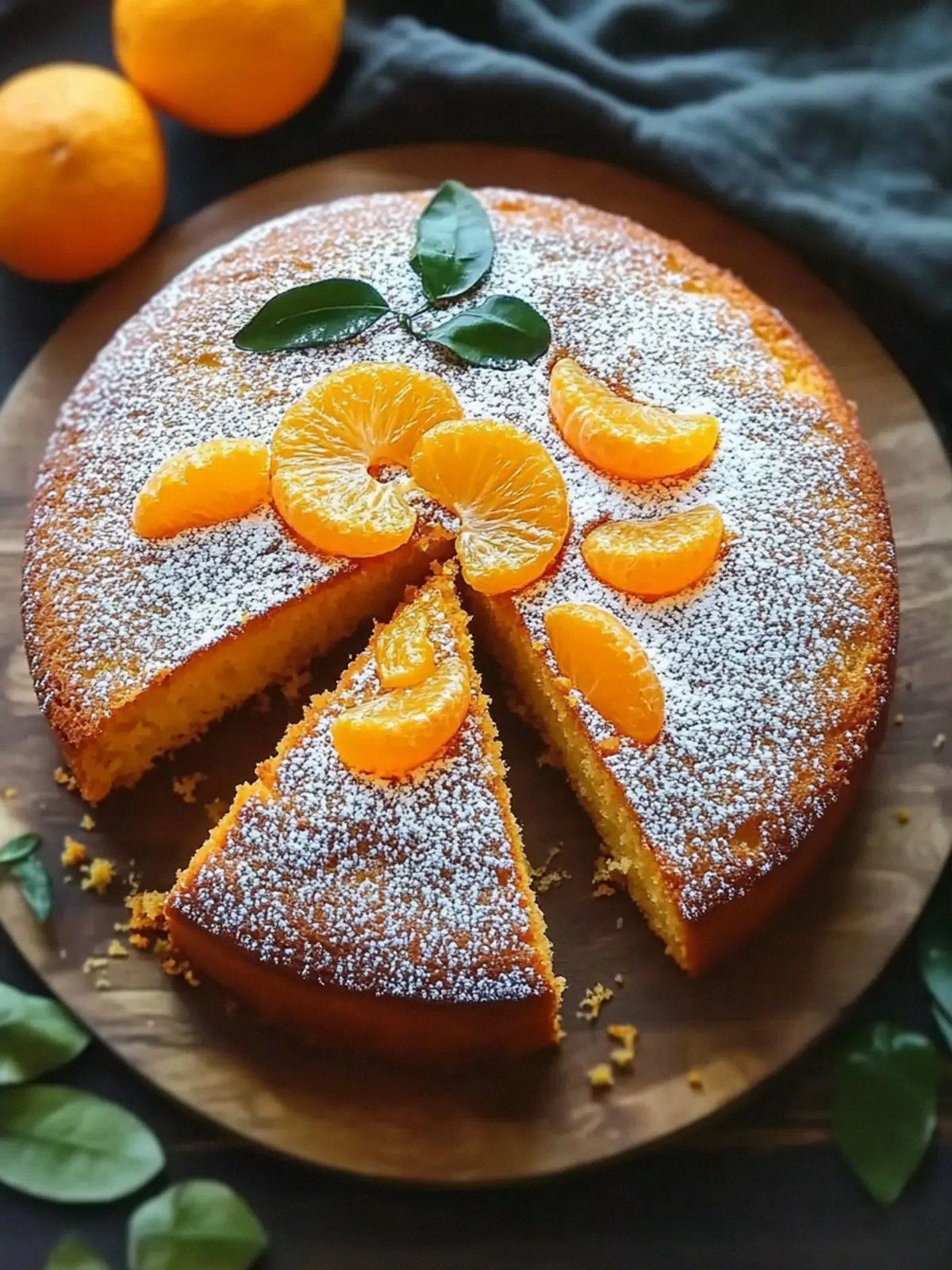
Picture yourself pulling this out of the oven, the whole kitchen smelling incredible, the golden crust glistening like a sunrise on a cloudless sky. The moment you slice into it, the fragrant steam will swirl around you, carrying the sweet citrus aroma and a hint of nutty aroma that’s almost theatrical. And when you bite, the cake will melt in your mouth, releasing a burst of citrus that lingers like a sweet after‑taste on your tongue. I’ve been honest— I ate half the batch before anyone else got a chance. Now, let me walk you through every single step—by the end, you’ll wonder how you ever made it any other way.
What Makes This Version Stand Out
- Flavor: The fresh, bright citrus from whole clementines cuts through the richness of almond and sugar, creating a harmonious balance that feels like a summer breeze in every bite.
- Texture: Ground almonds give a light, airy crumb while adding a subtle crunch that lingers, making the cake feel both delicate and satisfying.
- Simplicity: Only five core ingredients—no complex spice blends or hidden add‑ons—yet the result feels sophisticated and refined.
- Uniqueness: Using whole clementines instead of juice or zest keeps the fruit’s natural juiciness, creating pockets of citrus that burst with flavor.
- Guest Reaction: Friends who’ve tried other fruit cakes say this one is “hands down the best version you’ll ever make at home,” and they can’t stop asking for the recipe.
- Make‑Ahead Potential: The cake can be baked, cooled, and stored for up to a week—perfect for busy weeknights or last‑minute dessert needs.
Alright, let's break down exactly what goes into this masterpiece…
Inside the Ingredient List
The Flavor Base
The four whole clementines are the heart of this cake. Their natural juiciness and subtle sweetness create a moist crumb that feels like a citrus hug. If you skip them, the cake loses its signature brightness and turns into a plain almond cake. A quick tip: use a mandoline to thinly slice the peel and zest into the batter for an extra burst of flavor.
The sugar, measured at one cup, is the sweet counterbalance to the tartness of the clementines. It also helps to caramelize the crust, giving the cake a golden, inviting sheen. If you reduce the sugar, the cake becomes less sweet but still retains its citrus kick. For a slightly healthier version, you could replace half the sugar with honey, but be aware that the texture may change slightly.
The Texture Crew
Ground almonds, two cups in all, provide a buttery, nutty base that keeps the cake moist and gives it a subtle crunch. They also add a depth of flavor that pairs beautifully with citrus. If you can’t find ground almonds, finely ground walnuts or pecans will work, but the flavor profile will shift toward a richer, earthier note.
The three eggs act as the glue that holds everything together. They contribute protein, structure, and a slight richness that balances the sweetness. If you’re vegan or allergic, you could replace the eggs with flaxseed meal mixed with water, but the cake’s texture will be denser.
The Unexpected Star
Powdered sugar, one cup, is used not just for sweetness but also for a light, airy finish. It helps create a fine, dusting-like texture on the top of the cake, giving it an elegant finish. If you prefer a more pronounced sweet finish, you could double the amount, but be careful not to make it overly sugary.
This ingredient is often overlooked in fruit cakes, but powdered sugar adds a subtle sweetness that doesn’t overpower the citrus. It also helps in creating a slightly glossy surface when you dust it after baking. If you want a dusting that sticks better, lightly brush the top with a bit of melted butter before sprinkling the powder.
Everything's prepped? Good. Let's get into the real action…
The Method — Step by Step
- Prep the Oven and Pan: Preheat your oven to 350°F (175°C) and line a 9‑inch loaf pan with parchment paper. The parchment ensures a smooth release, while the oven’s steady heat guarantees even baking. This is the moment of truth; any misstep here can ruin the entire structure. Watch the timer closely—over‑baking will dry out the citrus.
- Blend the Citrus: In a small saucepan, gently warm the clementine segments with a splash of water to release the juice. This step is crucial for extracting maximum flavor without burning the peel. Once warm, let the mixture cool slightly before adding it to the batter. The subtle warmth enhances the aroma, making the cake feel freshly baked.
- Whisk the Eggs: In a large bowl, whisk the eggs until they’re light and frothy. Add the sugar gradually, beating until the mixture is smooth and slightly glossy. This creates a stable base that will hold the almond and citrus together. Don’t rush; a well‑whisked base is the secret to a light crumb.
- Combine Dry Ingredients: Sift the ground almonds to avoid clumps, then fold them into the egg mixture. The almonds absorb the moisture, creating a dense yet airy texture. If you notice any lumps, use a fine sieve to break them up—this ensures a silky batter.
- Incorporate the Citrus: Add the cooled clementine mixture to the batter, mixing gently until fully integrated. The citrus will start to look like small, translucent pearls in the batter—an instant visual cue that the cake is on the right track.
- Pour and Smooth: Pour the batter into the prepared loaf pan, smoothing the top with a spatula. Tap the pan lightly on the counter to release any air pockets. Air pockets can cause uneven rising; this simple step keeps the cake level and uniform.
- Bake with Precision: Place the pan in the oven and bake for 30 minutes, or until the top is golden brown and a toothpick inserted into the center comes out clean. The edges should start pulling away slightly, indicating a perfect bake. Watch the oven closely—once the crust starts to darken, you’re close to perfection.
- Cool and Dust: Remove the cake from the oven and let it cool in the pan for 10 minutes. Then transfer it onto a wire rack and dust the top with powdered sugar while it’s still warm. The warm surface allows the sugar to adhere, creating a fine, snowy finish that’s as beautiful as it is delicious.
- Slice and Serve: Once the cake has cooled completely, slice it with a serrated knife. The knife will glide through the moist, citrus‑laden crumb without tearing. Serve on a simple plate and enjoy the aroma that will have everyone asking for the recipe.
That’s it—you did it. But hold on, I’ve got a few more tricks that’ll take this to another level…
Insider Tricks for Flawless Results
The Temperature Rule Nobody Follows
Many bakers bake at a higher temperature to get a crisp crust, but with this cake, a steady 350°F is key. A lower temperature allows the almonds to expand slowly, creating that airy crumb. I once tried 375°F and ended up with a dense, almost bread‑like texture—don’t make the same mistake.
Why Your Nose Knows Best
Before you even slice, pause and sniff the cake. A sweet, citrusy aroma that’s slightly nutty means the batter was well‑mixed. If you notice a faint, raw egg smell, the batter needs more mixing time. Your nose is the ultimate judge of doneness.
The 5-Minute Rest That Changes Everything
After removing the cake from the oven, let it rest for 5 minutes before transferring to the wire rack. This short pause allows the structure to set, preventing the cake from breaking apart when you slice it. I’ve seen cakes that crumble right after baking—this trick saves the day.
Dusting Technique for a Professional Finish
When dusting powdered sugar, use a fine mesh sifter to avoid clumps. Sprinkle gently in a circular motion; the sugar will melt slightly from the residual heat, creating a silky finish. If you prefer a more dramatic look, you can add a few drops of orange extract to the sugar before dusting.
How to Keep It Moist
If you’re storing the cake, wrap it tightly in plastic wrap and place it in an airtight container. The almonds help retain moisture, but a small piece of fresh fruit (like a slice of apple) can keep it from drying out. When reheating, a splash of water in a microwave-safe dish will steam it back to perfection.
Creative Twists and Variations
This recipe is a playground. Here are some of my favorite ways to switch things up:
Coconut‑Infused Delight
Swap half the ground almonds for shredded coconut. The coconut adds a tropical twist and a subtle chew that pairs beautifully with the citrus. This version is perfect for summer gatherings.
Chocolate‑Clementine Fusion
Fold in ½ cup of finely chopped dark chocolate into the batter. The bittersweet chocolate complements the sweet citrus, creating a complex flavor profile that adults will love.
Almond‑Rosemary Fusion
Add a teaspoon of finely chopped fresh rosemary to the batter. The herb’s earthiness balances the sweetness and adds a fragrant aroma that’s surprisingly elegant.
Spiced Winter Variation
Incorporate a pinch of ground cinnamon and nutmeg into the dry ingredients. The warm spices create a cozy, holiday‑ready cake that feels like a comforting hug.
Nut-Free Version
Replace the ground almonds with finely ground oat flour and add a tablespoon of almond butter for flavor. This version maintains the moistness and nutty taste while being suitable for those with nut allergies.
Storing and Bringing It Back to Life
Fridge Storage
Wrap the cooled cake tightly in plastic wrap and store it in the refrigerator for up to 5 days. The almond base helps keep the cake moist, and the citrus remains fresh. Before serving, let it sit at room temperature for 15 minutes to restore its full flavor.
Freezer Friendly
Slice the cake before freezing for easy grab‑and‑go portions. Place the slices in a freezer bag, removing as much air as possible. The cake will stay good for up to 3 months. Thaw in the fridge overnight and let it return to room temperature.
Best Reheating Method
To reheat, place a slice on a microwave‑safe plate, sprinkle a splash of water on top, and microwave on medium for 20–30 seconds. The water creates steam, restoring moisture and preventing dryness. For a crispier crust, pop it in a preheated oven at 350°F for 5 minutes.