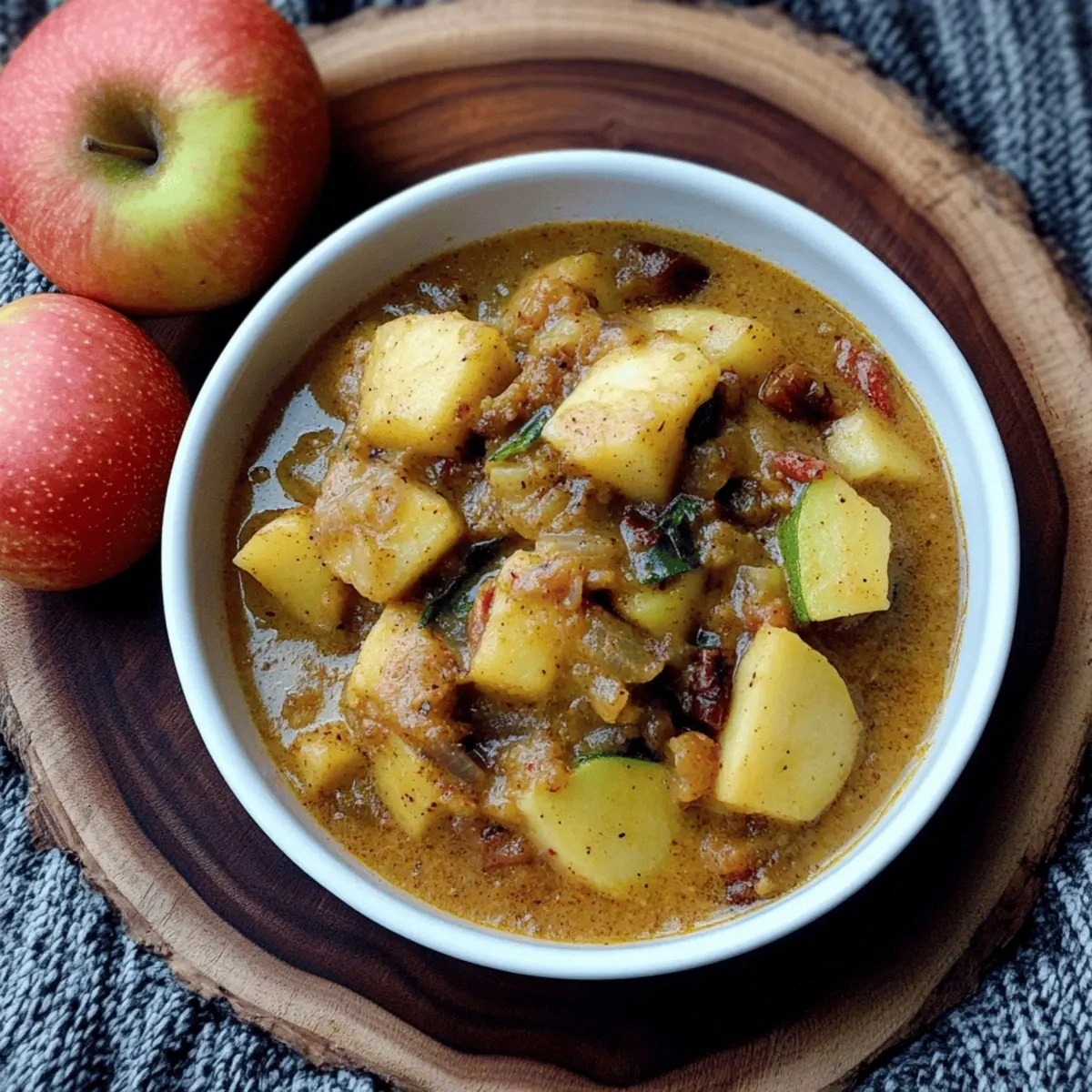
I was in the middle of a rainy Thursday night, the kind of night where the wind howls outside and your pantry looks like a sad, empty hallway. I had a bag of apples that were on the brink of turning into mush, a half‑used jar of coconut milk, and a craving for something that felt like comfort food but also wanted to surprise my taste buds. I tossed a daring idea at my roommate: “What if we turned those apples into a curry?” She laughed, I laughed, and the kitchen became a battlefield of spices, sizzling oil, and the occasional “Did you really just add peanut butter to a curry?!” I’ll be honest — I ate half the batch before anyone else got to try it, but the remaining bowl was so good that it begged for a second round. That moment of accidental brilliance is what birthed the Infamous Apple Curry, a creamy twist on a classic that has since become my go‑to for any season that calls for a hug in a bowl.
Picture this: the first sizzle when the coconut oil hits the hot pan, a fragrant pop that smells like tropical sunshine meeting a forest floor. The onions melt into translucence, releasing a sweet, caramelized perfume that makes the whole house feel like a spice market in Marrakech. Then the apples join the party, their natural sugars caramelizing and mingling with the earthy curry powders, creating a sauce that coats each vegetable like a silk scarf. When you finally stir in the coconut milk and a daring spoonful of peanut butter, the texture becomes so luxuriously smooth it could double as a dessert sauce—if you weren’t already planning to spoon it over rice, naan, or even a slab of roasted chicken.
Most recipes get this completely wrong. They either drown the apples in a sea of tomato‑based sauce, or they treat the fruit as a garnish rather than the star. This version, however, respects the apple’s natural sweetness while balancing it with the heat of garam and tandoori masala, the depth of curry powder, and the buttery richness of coconut milk. The secret weapon? A single tablespoon of peanut butter that adds a nutty umami note, turning the sauce from ordinary to unforgettable. I dare you to taste this and not go back for seconds; the flavor profile is so bold that it will rewrite your idea of what a curry can be.
Okay, ready for the game‑changer? I’m about to walk you through every single step — by the end, you’ll wonder how you ever made a curry any other way. Stay with me here — this is worth it. Let’s dive into the details, because the journey from raw ingredients to that final, creamy spoonful is where the magic truly happens.
What Makes This Version Stand Out
- Taste: The sweet‑savory balance is unlike any other curry; apples bring a natural caramel that mellows the heat without muting it.
- Texture: A silky, almost buttery sauce that clings to each bite, thanks to coconut milk and that sneaky peanut butter.
- Simplicity: Only a handful of pantry staples, yet the flavor depth feels like a three‑day slow‑cook.
- Uniqueness: Most fruit‑curry combos use mango or pineapple; apples give a crisp autumnal twist that still works year‑round.
- Crowd Reaction: Even the most skeptical meat‑eaters ask for seconds, and vegans declare it a revelation.
- Ingredient Quality: Fresh, crisp apples and high‑fat coconut milk are the foundation; skimping here ruins the whole thing.
- Cooking Method: A quick sauté followed by a gentle simmer preserves the fruit’s structure while allowing flavors to meld.
- Make‑Ahead Potential: The curry actually improves after a night in the fridge; the spices mellow and the sauce thickens beautifully.
Inside the Ingredient List
The Flavor Base
Coconut oil is the silent hero here. It has a high smoke point, which means you can get that glorious “sizzle” without burning, and it adds a subtle tropical note that pairs perfectly with the apple’s sweetness. If you’re out of coconut oil, a neutral oil like grapeseed works, but you’ll lose a bit of that exotic backdrop. The onions and garlic form the aromatic backbone; sauté them until they’re soft and fragrant, and you’ll hear the kitchen whisper, “We’re about to create something amazing.”
The Texture Crew
Apples, potatoes, courgette (or zucchini), and squash are the quartet that gives this curry its hearty bite. Apples bring a natural sweetness and a slight crunch if you don’t overcook them. Potatoes add starch that thickens the sauce without the need for flour, while courgette and squash contribute moisture and a buttery mouthfeel. If you’re allergic to any of these, try swapping the courgette for sliced carrots and the squash for butternut; the flavor shifts slightly but remains delightful.
The Unexpected Star
Peanut butter is the secret weapon. One tablespoon creates a velvety richness that you’ll swear was meant to be there from the start. It also adds a subtle umami punch that balances the sweetness of the apples. If you have a nut allergy, try a tablespoon of tahini; it gives a similar creamy texture but with a sesame twist.
The Final Flourish
Coconut milk is the creamy canvas that ties everything together. Use the full‑fat version for maximum silkiness; light coconut milk will thin the sauce and diminish the flavor. The trio of spices—curry powder, garam masala, and tandoori masala—creates a layered heat profile: curry powder offers a base, garam masala adds warmth and depth, and tandoori masala brings a smoky, slightly sweet edge. Salt, of course, is the flavor enhancer that brings all these components into harmony. Finally, a can of adzuki beans adds protein, texture, and a pleasant pop that keeps each bite interesting.
Everything's prepped? Good. Let's get into the real action...
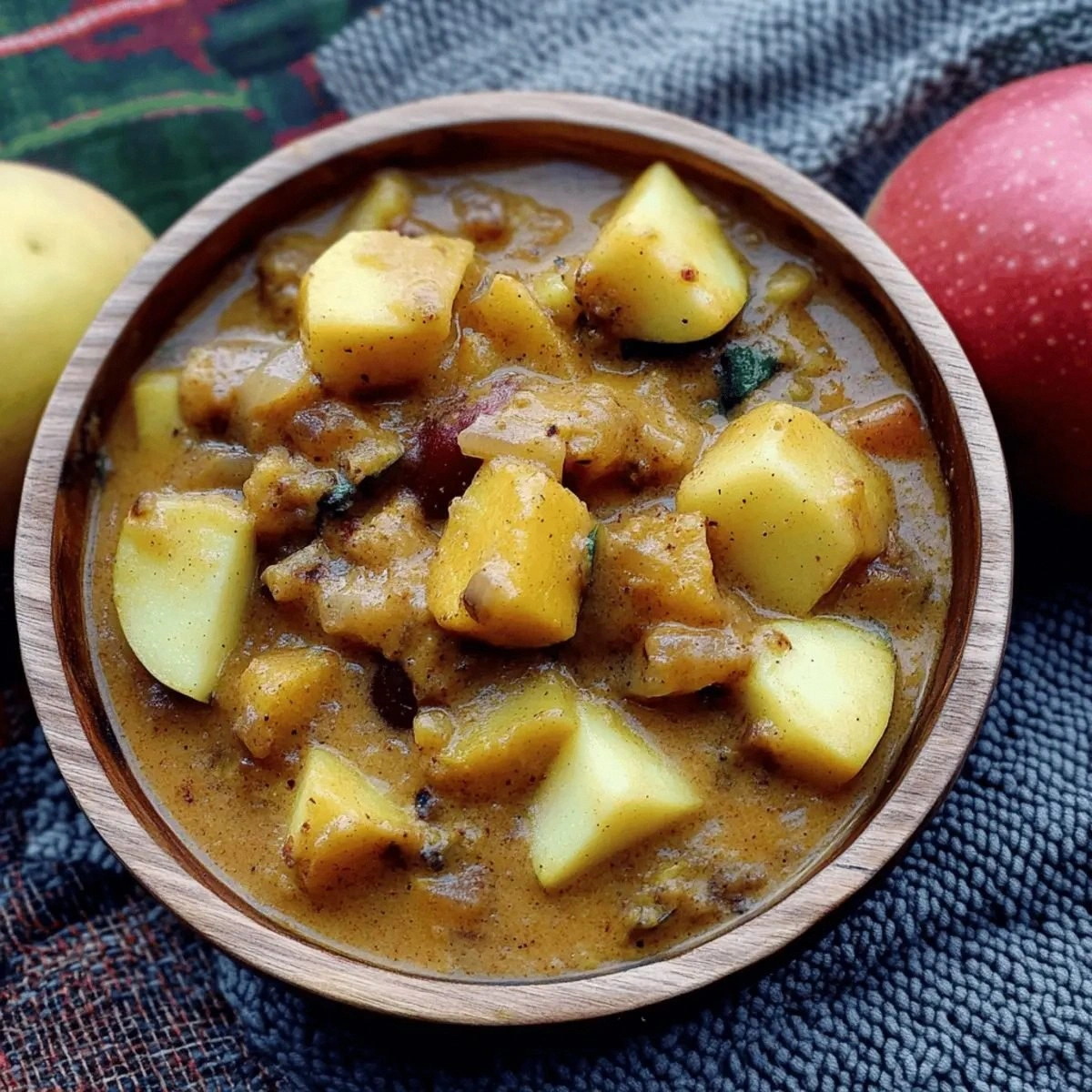
The Method — Step by Step
Heat 2 tablespoons of coconut oil in a large, heavy‑bottomed pot over medium‑high heat. When the oil shimmers, add the diced onions and a pinch of salt. Sauté for 4–5 minutes, stirring occasionally, until the onions turn translucent and start to caramelize. That sizzle when it hits the pan? Absolute perfection. Power transition: Okay, ready for the game‑changer?
Add the minced garlic (4 cloves) and continue to sauté for another minute, just until you smell the garlic waking up. Be careful not to let it brown; burnt garlic can ruin the entire flavor base.
Kitchen Hack: Crush the garlic with the flat side of a knife before mincing; it releases more oils and gives a deeper flavor.Introduce the cubed potatoes (1.5 cups) and let them sit for 2 minutes, stirring so they get a light coating of oil. This step creates a subtle crust on the potatoes, preventing them from turning mushy later.
Watch Out: If you add the apples too early, they’ll turn to mush; keep them for later.Now sprinkle in the spice trio: 3 teaspoons curry powder, 2 teaspoons garam masala, and 2 teaspoons tandoori masala. Stir constantly for 30 seconds to toast the spices—this releases their essential oils and deepens the flavor. You’ll notice the sauce darkening slightly and a fragrant cloud rising; that’s the aroma of a curry that’s about to become legendary.
Dice the apples (6 cups) and add them to the pot along with the sliced courgette/zucchini and squash (each 1.5 cups). Toss everything together, letting the apples’ juices mingle with the spices. Cook for about 5 minutes, allowing the fruit to soften but still retain a faint bite. This is the moment where sweet meets heat, and the kitchen smells like a forest after a rainstorm.
Pour in 1 cup of coconut milk and 1.5 cups of water, scraping the bottom of the pot to release any browned bits. Bring the mixture to a gentle boil, then reduce the heat to a low simmer. Cover and let it cook for 15 minutes, stirring occasionally. The sauce should thicken, the vegetables become fork‑tender, and the flavors should meld into a cohesive whole.
Stir in 1 tablespoon of peanut butter until it melts completely, creating that signature velvety texture. Add the drained can of adzuki beans, and let them warm through for 3 minutes. Taste and adjust salt (1 teaspoon) as needed; remember, salt is the secret that brings all the flavors out of hiding.
Turn off the heat and let the curry sit, uncovered, for 5 minutes. This resting period allows the sauce to settle and the flavors to harmonize. This next part? Pure magic. Serve hot over steamed basmati rice, quinoa, or a stack of warm naan. Picture yourself pulling this out of the pot, the whole kitchen smelling incredible, and the first spoonful sliding across your tongue like silk.
That's it — you did it. But hold on, I've got a few more tricks that'll take this to another level...
Insider Tricks for Flawless Results
The Temperature Rule Nobody Follows
Never rush the simmer. Keep the heat low enough that the sauce barely bubbles; this gentle cooking prevents the coconut milk from curdling and ensures the apples retain a subtle firmness. I once tried a high‑heat boil and ended up with a curdled mess that looked like a science experiment gone wrong. The rule of thumb: if you can see the steam but not hear a roar, you’re on the right track.
Why Your Nose Knows Best
Your sense of smell is a far more reliable indicator than a timer when it comes to spices. When the curry powder first hits the oil, you’ll notice a sweet, earthy aroma. As the spices toast, the scent deepens, becoming almost smoky. If you ever doubt the flavor, give your nose a quick sniff; if it smells like a spice market, you’re golden.
The 5‑Minute Rest That Changes Everything
After you turn off the heat, let the curry rest uncovered for five minutes. This short pause lets the sauce thicken naturally and allows the flavors to settle. I’ve seen people dive straight onto the plate and get a sauce that feels a bit watery; the rest period solves that without any extra thickening agents.
Bean Boost
Adzuki beans are fantastic, but if you want extra protein, add a handful of cooked lentils or chickpeas during the final simmer. They absorb the sauce beautifully and give each bite a satisfying bite. Just remember to rinse canned beans well to avoid excess sodium.
The Sweet‑Savory Balance Check
If the curry feels too sweet after the apples have cooked, a splash of lime juice or a pinch of extra garam masala will bring back balance. I once added a teaspoon of apple cider vinegar and the dish sang like a choir.
Creative Twists and Variations
This recipe is a playground. Here are some of my favorite ways to switch things up:
Spicy Mango Madness
Swap half the apples for ripe mango chunks and increase the tandoori masala by one teaspoon. The mango adds a tropical tang that pairs brilliantly with the extra heat, creating a summer‑ready curry.
Nutty Cashew Cream
Replace the peanut butter with 2 tablespoons of cashew cream (soaked cashews blended with a splash of water). This yields an even richer, dairy‑free sauce that feels like a luxury dessert.
Smoky Chipotle Twist
Add ½ teaspoon of chipotle powder along with the regular spices. The smoky heat complements the apple’s sweetness, giving the curry a BBQ‑like depth that’s perfect for autumn evenings.
Green Goddess
Throw in a handful of fresh spinach or kale during the last five minutes of simmering. The greens wilt quickly, adding a burst of color and a subtle earthy note without overpowering the core flavors.
Hearty Harvest
Add diced carrots and parsnips alongside the potatoes for a root‑vegetable medley. This makes the curry heartier, perfect for cold winter nights when you need something that feels like a warm blanket.
Storing and Bringing It Back to Life
Fridge Storage
Transfer the cooled curry to an airtight container and store it in the refrigerator for up to 4 days. The flavors continue to meld, and the sauce thickens slightly, making reheating a breeze.
Freezer Friendly
Portion the curry into freezer‑safe bags or containers, leaving a little headroom for expansion. It freezes beautifully for up to 3 months. When you’re ready to eat, thaw overnight in the fridge, then reheat on the stove over low heat.
Best Reheating Method
Reheat gently on the stovetop, adding a splash (about ¼ cup) of water or extra coconut milk to restore the sauce’s silkiness. Stir continuously to avoid sticking, and finish with a quick taste‑test for salt.