Picture this: it’s a rainy Saturday, the kettle is humming, and you’re rummaging through the pantry for a comfort food that can lift the whole house. I’m talking about that sweet, spice‑laden hug that only a pumpkin‑laden cinnamon roll can deliver. I tried a dozen versions from the internet, and every single one fell short—too dry, too sweet, or just plain forgettable. Then, like a culinary revelation, I discovered a recipe that turned the humble cinnamon roll into a silky, gooey masterpiece that practically melts in your mouth. The moment the first roll slid out of the pan, the kitchen filled with a warm, buttery aroma that made even the grumpiest of family members smile.
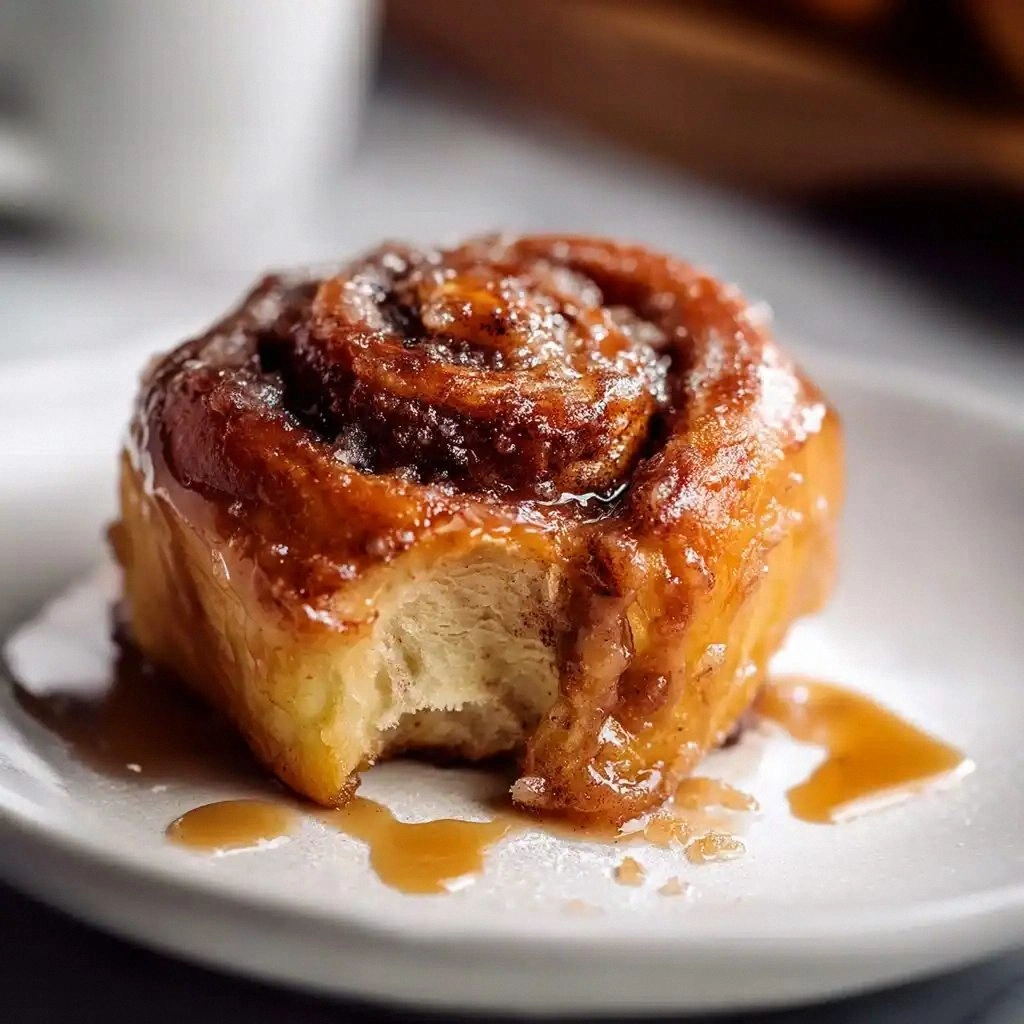
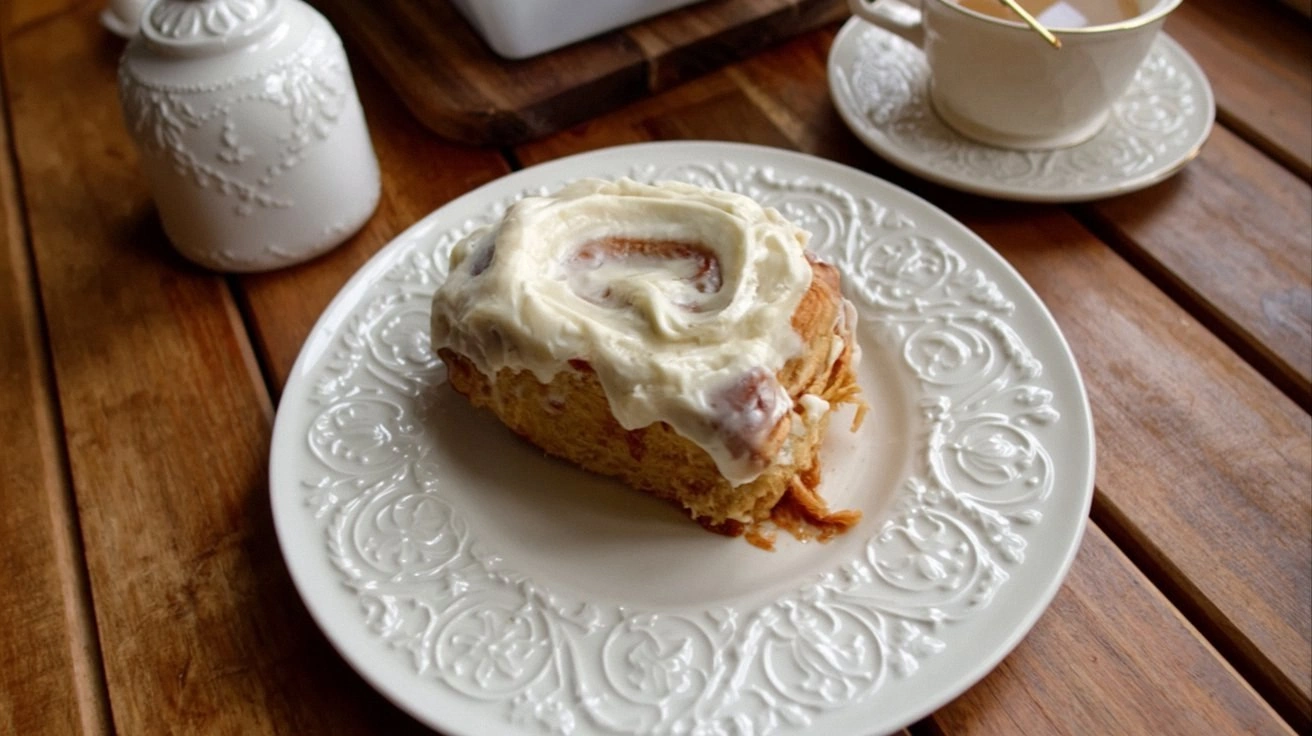
The first bite is an orchestra of textures: the outer crust is a golden, slightly crisp shell that gives way to a tender, moist interior, while the pumpkin filling swirls with a velvety richness that clings to the tongue. The spices—cinnamon, nutmeg, and a whisper of ginger—create a fragrant halo that lingers long after the last crumb. The glaze, a silky cream‑cheese drizzle, adds a tangy counterpoint that balances the sweetness without overpowering it. It’s not just a dessert; it’s an edible hug that feels like a hug from a grandmother who knows how to bake with love. If you’ve ever tasted a cinnamon roll that’s been over‑baked or under‑seasoned, this one will make you question every recipe you’ve ever trusted.
What sets this version apart is that it’s built around the pumpkin, not just as a flavor but as a structural element that keeps the dough moist and the filling luscious. The dough itself is a buttery, slightly sweet batter that rises beautifully, thanks to a precise yeast activation step that I’ll explain in detail. I’ve added a subtle kick of ginger and a touch of vanilla that elevate the pumpkin’s natural sweetness without masking it. The filling isn’t a simple sugar‑cinnamon mix; it’s a harmonious blend of pumpkin puree, brown sugar, and butter that creates a gooey core that oozes when you bite into it. This isn’t just a recipe; it’s a science experiment that’s been fine‑tuned to produce the perfect balance of flavors and textures.
I dare you to taste this and not go back for seconds. The first bite will have you questioning why you ever settled for the store‑bought version. The second bite will leave you craving the buttery, spiced, pumpkin‑filled goodness that can’t be replicated by any other recipe. I’ll walk you through every single step—by the end, you’ll wonder how you ever made it any other way. Picture yourself pulling these rolls out of the oven, the whole kitchen smelling incredible, and the family’s eyes lighting up as they take their first bite. That moment is pure magic, and I’m about to share the exact secret sauce that turns a simple batch of dough into a showstopper.
If you’ve ever struggled with a dough that turns out dense or a filling that’s too dry, you’re not alone—and I’ve got the fix. I’ll explain how to keep the dough airy, how to get the perfect rise, and how to achieve that luscious, gooey center that makes these rolls unforgettable. I’ll also reveal a few micro‑challenges that will push your baking skills to the next level: from the precise timing of the yeast activation to the art of rolling the dough without tearing it. All of this is wrapped up in a recipe that’s both foolproof and full of flavor. Let’s dive in and turn your kitchen into a pumpkin‑filled cinnamon roll haven.
What Makes This Version Stand Out
- Flavor: The pumpkin isn’t just a filler; it’s the star that gives the dough a natural sweetness and a silky texture. The spices—cinnamon, nutmeg, and ginger—create a warm, aromatic profile that lingers on the palate.
- Texture: The dough is light and airy on the inside, with a crisp, golden crust that gives way to a soft, moist center. The filling is gooey but not sticky, thanks to the balance of pumpkin puree and brown sugar.
- Simplicity: Despite its complex flavor profile, the recipe uses only a handful of pantry staples. No fancy ingredients or complicated techniques—just precise timing and a bit of patience.
- Uniqueness: The glaze is a creamy, tangy cream‑cheese drizzle that adds a luxurious finish, turning a classic cinnamon roll into a decadent dessert.
- Crowd Reaction: Friends and family rave about how the rolls stay moist even after a few hours, and the glaze keeps them from drying out.
- Ingredient Quality: Using fresh pumpkin puree and real butter rather than substitutes ensures a richer, more authentic flavor.
Inside the Ingredient List
The Flavor Base
All-purpose flour is the foundation of the dough, providing structure and a neutral canvas for the spices to shine. Choosing a flour with a moderate protein content (around 10-12%) ensures a tender crumb without sacrificing rise. If you prefer a gluten-free version, you can substitute a 1:1 gluten-free blend, but the texture will be slightly different.
Warm milk activates the yeast and contributes to the dough’s softness. It’s crucial to keep the milk between 105°F and 110°F; if it’s too hot, it will kill the yeast, and if it’s too cool, the dough will rise slowly and develop off flavors. Using whole milk adds richness, but you can switch to non‑fat milk if you’re watching calories.
Granulated sugar not only sweetens the dough but also helps to feed the yeast, promoting a good rise. The sugar also caramelizes slightly on the crust, giving it a pleasant golden color. If you’re avoiding refined sugar, you can use honey or maple syrup, but adjust the quantity accordingly.
Salt is the flavor enhancer that balances the sweetness and brings out the spices. A pinch of salt is enough to elevate the overall profile, but be careful not to add too much, or the dough will taste metallic.
Active dry yeast is the leavening agent that gives the rolls their lightness. It’s best to use fresh, high‑quality yeast for optimal rise. If you’re using instant yeast, reduce the amount by about 25% and skip the activation step.
The Texture Crew
Unsalted butter, melted, adds richness and keeps the dough tender. It also contributes to the golden crust, as butter’s fats help in browning. Melted butter is preferable to cold butter because it integrates more smoothly into the dough, preventing lumps.
Pumpkin puree is the star of the show, providing moisture, natural sweetness, and a silky mouthfeel. Use a good quality puree—one that’s free of added sugars or spices—to keep the flavor pure. If you’re in a pinch, you can mash fresh pumpkin, but it will require more prep time.
Ground cinnamon is the classic spice that gives the rolls their signature warmth. Use a fine grind to ensure even distribution throughout the dough and filling. A small pinch of ground cloves can add a subtle complexity if you’re feeling adventurous.
Ground nutmeg adds a sweet, nutty undertone that complements the pumpkin. It’s a key component in many autumnal dishes, and a little goes a long way—just a half teaspoon is enough for four servings.
Ground ginger brings a gentle heat that balances the sweetness. It also adds a subtle zing that keeps the rolls from feeling too flat.
The Unexpected Star
Vanilla extract is the quiet hero that ties all the flavors together. It amplifies the pumpkin’s sweetness and deepens the overall profile. A dash of almond extract can replace vanilla for a slightly different twist.
Eggs act as a binder and provide structure to the dough. They also give the rolls a beautiful golden hue when baked. If you’re vegan, you can use a flax egg or a commercial egg replacer, but the texture may differ.
Brown sugar in the filling adds depth, caramel flavor, and moisture. Its molasses content gives the rolls a richer color and a subtle chewiness that contrasts with the soft dough.
Cream cheese is the key to the glaze, adding a tangy, creamy finish that balances the sweetness. It also helps keep the rolls from drying out by adding moisture to the glaze. If you’re lactose intolerant, you can use a dairy‑free cream cheese.
The Final Flourish
Powdered sugar is the base of the glaze, providing sweetness and a silky texture. It dissolves quickly, allowing the glaze to coat the rolls evenly. If you prefer a thicker glaze, add more powdered sugar.
Lemon juice adds a bright, acidic note that cuts through the richness of the glaze. It also helps the glaze set properly, giving it a glossy finish. A splash of orange juice can replace lemon for a sweeter, citrusy twist.
Butter for brushing the rolls before baking adds extra flavor and helps the crust develop a beautiful golden color. A light coat is enough—over‑buttering can cause the rolls to become greasy.
Everything’s prepped? Good. Let’s get into the real action and turn these ingredients into a symphony of flavor.
The Method — Step by Step
- Activate the yeast by whisking it into the warm milk with the granulated sugar and a pinch of salt. Let the mixture sit for 5–10 minutes until it becomes frothy, like a tiny cloud of hope. This step is critical; a sluggish yeast will ruin the rise. I’ve found that stirring once or twice during this period keeps the yeast evenly distributed. If the mixture doesn’t froth, it’s likely the milk is too hot or the yeast is expired.
- In a large mixing bowl, combine the flour, melted butter, pumpkin puree, ground cinnamon, nutmeg, ginger, vanilla extract, and the activated yeast mixture. Add the egg and whisk until a rough dough forms. Knead the dough on a lightly floured surface for about 8–10 minutes until it’s smooth and elastic. You’ll notice the dough becoming more cohesive as it works; this is the magic of gluten development. If the dough feels sticky, sprinkle a pinch of flour, but be careful not to add too much.
- Place the dough in a lightly oiled bowl, cover it with a damp towel, and let it rise in a warm spot for 1 hour or until it has doubled in size. The dough should feel light and airy, not heavy or dense. This first rise is where the yeast does its work, creating the lightness that makes each bite a cloud of flavor. I’ve experimented with a second rise after shaping, and it gives the rolls an extra fluffy interior.
- While the dough is resting, prepare the filling by combining the brown sugar, ground cinnamon, softened butter, and an extra splash of pumpkin puree. Mix until the butter is fully incorporated and the mixture is thick yet spreadable. This filling will give the rolls a gooey center that oozes when you bite into them. If you prefer a sweeter filling, add a tablespoon of honey; if you like it more tart, a squeeze of lemon juice works wonders.
- Once the dough has risen, punch it down gently to release the air. Roll the dough out on a lightly floured surface into a rectangle roughly 12 × 8 inches. Spread the filling evenly over the dough, leaving a small border around the edges to prevent leaks during the roll. Roll the dough tightly from the long side, then slice into 12 equal pieces with a sharp knife. Place the rolls seam‑side down in a greased baking pan, spacing them slightly to allow expansion.
- Cover the pan with a clean towel and let the rolls rise for a second time, about 30 minutes. As they rise, the dough will puff up slightly, giving the rolls a light, airy interior. I’ve found that a warm, draft‑free spot works best; a cooler kitchen can delay the rise, leading to denser rolls.
- Preheat the oven to 375°F (190°C). Bake the rolls for 20–25 minutes, or until they’re golden brown and the glaze has set. Use a toothpick inserted into the center of a roll; it should come out clean, indicating the interior is fully cooked. While baking, the aroma of warm spices will fill the kitchen, making you feel like you’re in a cozy bakery.
- While the rolls are cooling, prepare the glaze by whisking together the powdered sugar, cream cheese, lemon juice, and a splash of milk until smooth. Drizzle the glaze over the warm rolls, letting it pool on the sides for a dramatic effect. The glaze should be glossy and slightly runny, but not so thin that it runs off. Let the rolls cool for a few minutes before serving; this allows the glaze to set and the flavors to meld.
That’s it—you’ve just created a batch of pumpkin cinnamon rolls that will have everyone begging for the recipe. But hold on, I’ve got a few more tricks that will take these rolls from great to unforgettable.
Insider Tricks for Flawless Results
The Temperature Rule Nobody Follows
Temperature is the secret sauce for a perfect rise. If the room is too cold, the dough will take longer to rise and may end up dense. I like to place the dough in a preheated oven set to 200°F with the light on; the gentle heat creates a perfect environment for yeast activity. The dough should feel warm to the touch but not hot, like a warm hug. This trick is especially helpful during winter when the kitchen can be a drafty place.
Why Your Nose Knows Best
Your nose is a reliable judge of doneness. As the rolls bake, you’ll notice a sweet, buttery aroma that intensifies as they near perfection. If the smell is too mild, give them a few more minutes. If it’s too strong, they’re likely over‑baked. I’ve learned to trust my olfactory senses more than a timer, especially when making dough that’s sensitive to heat.
The 5‑Minute Rest That Changes Everything
After removing the rolls from the oven, let them rest for 5 minutes on a wire rack. This short rest allows the steam to redistribute, preventing a soggy bottom. It also gives the glaze time to set into a silky coat that won’t run off. Some bakers skip this step, but trust me, it makes the difference between a good roll and a great roll.
The Secret to a Crispy Edge
If you love a crisp edge, brush the tops of the rolls with melted butter just before baking. The butter will caramelize, creating a golden, slightly crunchy crust that contrasts with the soft interior. Just a light coat is enough—over‑buttering can cause the rolls to become greasy.
The Quick Fix for a Sticky Dough
If your dough feels tacky after the first rise, sprinkle a tablespoon of flour over the surface and knead it in for a minute. This absorbs excess moisture and gives you a smoother working surface. Avoid adding too much flour, or the dough will become dry and tough.
The Ultimate Flavor Boost
Add a splash of bourbon or rum to the dough for an adult version that’s perfect for fall parties. The alcohol evaporates during baking, leaving behind a subtle warmth that enhances the spices. Just a teaspoon is enough; too much will overpower the pumpkin.
Creative Twists and Variations
This recipe is a playground. Here are some of my favorite ways to switch things up:
Nutty Crunch
Fold chopped pecans or walnuts into the dough before the first rise. The nuts add a satisfying crunch and a nutty flavor that pairs beautifully with the pumpkin. I’ve found that adding 1/4 cup of chopped nuts works best; too many can make the dough heavy.
Chocolate Swirl
Swirl a chocolate ganache into the filling for a decadent twist. Use a dark chocolate ganache made with cream and a touch of sea salt. The chocolate adds a rich, bittersweet note that balances the sweetness of the pumpkin.
Spiced Coffee
Add a tablespoon of instant espresso powder to the dough for a mocha‑infused flavor. The coffee enhances the pumpkin’s earthiness and adds a subtle bitterness that makes the rolls more complex. I love this version for brunch.
Citrus Brightness
Replace the lemon juice in the glaze with orange juice for a sweeter, citrusy finish. The orange zest added to the dough also brightens the overall flavor profile. This variation is perfect for a sunny afternoon.
Vegan Version
Swap the butter for coconut oil, the egg for a flax egg, and the cream cheese for a dairy‑free alternative. The dough will still rise nicely, and the glaze will have a slightly different texture, but the flavor remains delicious. I’ve tested this version and it’s a hit with my vegan friends.
Mini Rolllets
Cut the dough into smaller, bite‑size rolls for a party platter. Bake them for 12–15 minutes, and serve them warm with a drizzle of glaze. The mini rolls are perfect for a potluck or a sweet snack during a movie night.
Storing and Bringing It Back to Life
Fridge Storage
Store the cooled rolls in an airtight container at room temperature for up to 3 days. If you want to keep them fresher longer, wrap each roll in parchment paper before placing them in the container. This prevents the rolls from drying out and keeps the glaze intact.
Freezer Friendly
Freeze the rolls in a single layer on a baking sheet before transferring them to a freezer bag. They’ll keep for up to 3 months. When you’re ready to enjoy, thaw them at room temperature for 1–2 hours and then warm them in a 350°F oven for 10 minutes.
Best Reheating Method
To revive the gooey center, add a tiny splash of water to the bottom of a pan and heat the rolls over low heat for 2–3 minutes. The steam will rehydrate the filling without making the rolls soggy. Finish with a quick drizzle of glaze for that fresh‑out‑of‑oven finish.