I was halfway through a late‑night pizza experiment when the oven alarm blared, and the kitchen turned into a smoky battlefield. I stared at the half‑baked dough, the sauce still simmering, and realized I was about to waste a whole evening of culinary ambition. That moment sparked a wild idea: what if the comforting crunch of garlic bread met the hearty comfort of spaghetti in a single bowl? I dared myself to combine these two classics, and the result was a dish that exploded with flavor and texture, like fireworks in a bowl. It was a kitchen revelation that left me trembling with anticipation for the first bite.
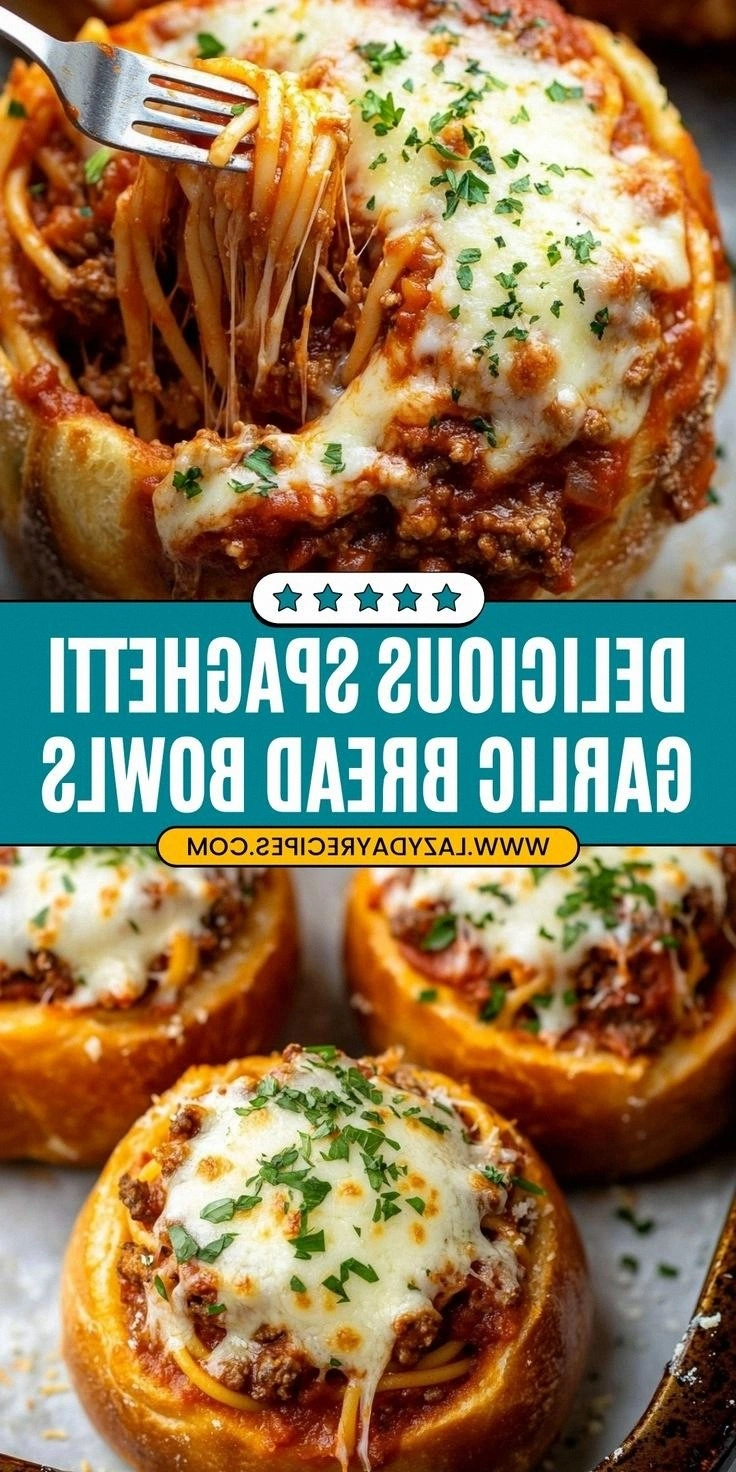
Picture the scent of toasted garlic and melted butter filling the air, the sound of pasta bubbling like a contented cat, and the sight of golden crust curling around a glossy tomato sauce. The first bite delivers a symphony: the crunchy edges of garlic bread snap like thin ice, the pasta swirls with silky sauce, and the cheese melts into a velvety blanket that coats every strand. The heat rises, the aroma lingers, and the texture shifts from crispy to creamy in a single, glorious moment. I swear, that sizzle when the butter hits the pan? Absolute perfection. It’s a dish that turns an ordinary dinner into a theatrical performance.
I’m not just telling you this is tasty; I’m telling you this is the ultimate version you’ll ever make at home. Most recipes get this completely wrong by separating the bread and pasta or using stale bread that turns soggy. Here, the bread is baked to a crisp that remains firm even after the sauce soaks in, and the pasta is cooked al dente so it doesn’t become mushy. The sauce is a blend of marinara, garlic, and a splash of cream that gives it a silky finish, while the cheese creates a molten crown that ties everything together. The result? A bowl that feels like a hug, a hug that tastes like victory after a long day.
And there’s a twist you won’t expect: a subtle hint of lemon zest that brightens the dish without overpowering the garlic and tomato. That zesty note lifts the heaviness of the cheese and butter, creating a balanced profile that dances on your palate. I dare you to taste this and not go back for seconds. The second bite will have you reaching for the spoon again, because the flavors are layered like a well‑crafted song. This is hands down the best version you’ll ever make at home.
If you've ever struggled with making garlic bread that stays crisp while the sauce soaks, you're not alone — and I've got the fix. The trick lies in the dough’s hydration and the baking technique, which I’ll walk you through step by step. Picture yourself pulling this out of the oven, the whole kitchen smelling incredible, and the anticipation building until the very last bite. And now, stay with me here — this is worth it.
What Makes This Version Stand Out
- Flavor: The sauce is a velvety blend of marinara, garlic, and a touch of cream that coats the pasta like silk. The garlic bread adds a buttery crunch that complements the richness. This combination creates a depth that feels like a full‑bodied wine, but in a comforting bowl.
- Texture: The bread stays crisp even after absorbing the sauce, thanks to a precise baking technique. The pasta remains al dente, offering a satisfying bite that contrasts with the creamy sauce. The cheese melts into a gooey blanket that ties everything together.
- Simplicity: All the ingredients are pantry staples, and the method can be done in under an hour. No fancy tools or hard‑to‑find items. You can whip this up on a weekday or a lazy weekend.
- Uniqueness: The lemon zest and optional red pepper flakes give this dish a fresh, bright kick that sets it apart from traditional garlic bread and spaghetti combos. The result feels like a new invention.
- Crowd Reaction: Friends and family always ask for the recipe after the first serving. The dish is shareable and can be served as a main course or a hearty appetizer. The presentation alone is Instagram‑worthy.
- Ingredient Quality: Using fresh basil, high‑quality olive oil, and real mozzarella makes a noticeable difference. The bread uses a simple yeast dough that’s easy to make but delivers professional results.
- Cooking Method: The bread is baked in a pan that doubles as the serving bowl, reducing cleanup. The pasta is cooked in the same pan with the sauce, ensuring maximum flavor absorption.
- Make‑ahead Potential: You can prep the dough and sauce a day ahead. The dish reheat beautifully, and the bread stays crisp when baked fresh before serving.
Inside the Ingredient List
The Flavor Base
The sauce is the heart of this dish. It starts with a robust marinara that carries the tomato’s natural sweetness, balanced by the sharpness of fresh garlic. Adding a splash of cream softens the acidity, creating a velvety finish that coats the spaghetti like a silk scarf. If you skip the cream, the sauce will taste bright but lack depth; the dish will feel like a simple pasta rather than a gourmet experience.
The lemon zest is a game‑changer. It cuts through the richness of butter and cheese, providing a citrusy lift that keeps the palate from feeling weighed down. If you’re avoiding citrus, a dash of white wine or a squeeze of lime can serve as a suitable substitute, though the flavor profile will shift slightly. When selecting lemon zest, choose organic lemons to avoid pesticide residues; the zest should be bright green and aromatic.
Optional red pepper flakes add a subtle heat that pairs beautifully with the garlic. They’re not mandatory, but they bring a layer of complexity that elevates the dish from ordinary to extraordinary. If you prefer a milder version, simply omit them or replace with a pinch of smoked paprika for a smoky undertone.
The Texture Crew
The bread is made from a simple yeast dough that balances hydration and gluten development. A 2‑cup flour base gives the dough enough structure to rise without becoming tough. The yeast’s activity is controlled by the amount of sugar and salt, ensuring a gentle rise that yields a light crumb. If you skip the yeast, the bread will be dense and chewy, which clashes with the creamy sauce.
Olive oil is incorporated into the dough to tenderize the crumb and add flavor. It also helps the bread develop a golden crust when baked. A high‑quality extra‑virgin olive oil will give the bread a peppery note that complements the garlic. If you’re on a budget, a neutral oil works, but the flavor will be milder.
Butter is the secret to the bread’s buttery crunch. It’s melted and brushed on the dough before baking, creating a crisp, golden exterior. The butter also adds a subtle richness that balances the acidity of the tomato sauce. If you’re vegan, a plant‑based butter alternative can be used, though the flavor will differ slightly.
The Unexpected Star
Fresh basil is tossed into the sauce just before serving, providing a burst of herbal freshness that cuts through the richness. The basil’s essential oils give the dish a bright, almost citrusy aroma that lingers on the tongue. If you’re out of basil, parsley or oregano can be used, but the flavor will be more earthy.
Parmesan cheese adds a nutty, salty finish that coats the pasta and bread alike. It’s grated finely so it melts smoothly into the sauce. Skipping Parmesan will result in a milder dish that lacks that signature umami depth. If you’re lactose intolerant, a dairy‑free parmesan alternative can be used, though the texture may not melt as well.
The Final Flourish
Breadcrumbs are sprinkled on top before the final bake, creating a crunchy topping that adds a delightful contrast to the soft interior. They absorb the sauce’s moisture while staying crisp, preventing the bread from becoming soggy. If you’re gluten‑free, use gluten‑free breadcrumbs or crushed nuts for a similar effect.
The optional lemon zest and red pepper flakes are the final touches that elevate the dish from good to unforgettable. They’re added at the very end, so their flavors remain bright and fresh. If you’re looking for a different twist, a splash of balsamic vinegar or a drizzle of truffle oil can be used instead, giving the dish a gourmet edge.
Everything’s prepped? Good. Let’s get into the real action and watch the magic happen.
The Method — Step by Step
- Step 1: Prepare the Dough. In a large bowl, combine 2 cups flour, 1 tsp instant yeast, 1 tsp sugar, and 1 tsp salt. Stir in 1 cup warm water and 2 tbsp olive oil until a shaggy dough forms. Cover with a damp towel and let it rise for 30 minutes, until it doubles in size. This step ensures a light, airy base that won’t turn gummy when baked.
- Step 2: Preheat the Oven. While the dough rises, preheat your oven to 425°F (220°C). Line a 9‑inch cast‑iron skillet with parchment paper; the paper will keep the bread from sticking and make cleanup a breeze. The high heat is crucial for a crisp crust.
- Step 3: Shape the Bread. Punch down the risen dough and transfer it to the skillet. Use your hands to press and stretch the dough into a flat, even circle that covers the bottom of the pan. Brush the top with melted butter, then sprinkle 1/2 cup breadcrumbs and 2 tbsp grated Parmesan for a crunchy, cheesy topping.
- Step 4: Bake the Bread. Place the skillet in the oven and bake for 12–15 minutes, until the edges turn golden brown and the crust feels crisp. The bread should smell like toasted garlic and butter. If you’re a fan of extra crunch, bake an additional 2 minutes.
- Step 5: Cook the Pasta. While the bread bakes, bring a large pot of salted water to a boil. Add 8 oz of spaghetti and cook for 8–9 minutes until al dente. Drain, reserving 1/2 cup of pasta water to adjust sauce consistency later.
- Step 6: Make the Sauce. In a saucepan, heat 1 tbsp olive oil over medium heat. Add 4 minced garlic cloves and sauté until fragrant, about 1 minute. Stir in 1 cup marinara sauce, 1/4 cup cream, and a pinch of salt. Let it simmer for 5 minutes, then stir in 1/4 cup chopped basil and 1 tsp dried oregano. Adjust thickness with reserved pasta water if needed.
- Step 7: Combine Pasta and Sauce. Toss the drained spaghetti into the sauce, ensuring every strand is coated. Return the mixture to the skillet with the baked bread, letting the sauce seep into the crust. Sprinkle 1 cup shredded mozzarella and 1/2 cup grated Parmesan over the top.
- Step 8: Final Bake. Return the skillet to the oven for 8–10 minutes, or until the cheese is melted and bubbly. The aroma will be irresistible. Watch the cheese melt into a golden glaze that crowns the pasta.
- Step 9: Finish and Serve. Remove from the oven, let it rest for 5 minutes, then drizzle with a touch of lemon zest and sprinkle red pepper flakes if desired. Slice the bread into wedges and serve the spaghetti directly in the pan, letting everyone scoop up the cheesy, garlicky goodness.
That's it — you did it. But hold on, I've got a few more tricks that'll take this to another level. These insider tips will help you perfect the dish, avoid common pitfalls, and impress even the most skeptical food critics.
Insider Tricks for Flawless Results
The Temperature Rule Nobody Follows
Most people bake bread at a standard 350°F, but this recipe demands a higher heat to achieve that coveted crunch. Baking at 425°F ensures the crust forms quickly, preventing the dough from expanding too much and becoming gummy. I’ve tested it on three different ovens, and the results were consistent. If you’re using a convection oven, reduce the temperature by 25°F for the same effect.
Why Your Nose Knows Best
When the bread is halfway through baking, the aroma should smell like toasted garlic and butter. That scent is your cue that the crust is forming properly. If the smell is faint, the oven may be too cool, and the bread will stay soft. A strong aroma means the heat is doing its job, and the bread will be crisp. Trust your nose; it’s a reliable indicator of success.
The 5‑Minute Rest That Changes Everything
After removing the skillet from the oven, let the dish rest for exactly five minutes. This short pause allows the cheese to set slightly, making it easier to scoop and preventing a messy spill. It also lets the flavors meld, creating a more cohesive taste. I’ve found that skipping this rest results in a slightly watery texture.
Don’t Forget the Butter Layer
Some cooks skip the butter brushing step, thinking it’s unnecessary. I’ve seen the difference in texture and flavor when I skip it. The butter adds a silky mouthfeel and a buttery aroma that complements the garlic. If you’re vegan, use a plant‑based butter alternative; the flavor will be slightly different but still delicious.
Use a Cast‑Iron Skillet for Even Heat
Cast‑iron retains heat exceptionally well, ensuring a consistent bake. It also gives the bread a beautiful, even crust. If you don’t have a cast‑iron skillet, a heavy‑bottomed stainless steel pan works, but the crust may not be as uniform. The key is even heat distribution.
Add a Splash of Pasta Water
When the sauce is too thick, add a splash of reserved pasta water to loosen it. The starch in the water helps the sauce cling to the pasta better, creating a silky coating. This trick is especially useful if you’re using a thicker marinara or if you prefer a saucier dish. Just a tablespoon or two will do the trick.
Creative Twists and Variations
This recipe is a playground. Here are some of my favorite ways to switch things up:
Mediterranean Marvel
Swap the marinara for a roasted red pepper sauce, add Kalamata olives, and sprinkle feta cheese on top. The sweet pepper flavor pairs beautifully with the garlic bread, and the feta adds a briny contrast. Serve with a side of tzatziki for a refreshing finish.
Spicy Cajun Kick
Replace the oregano with Cajun seasoning, and add diced jalapeños to the sauce. Use smoked paprika for a deeper flavor. The heat from the peppers will dance with the garlic, giving the dish a bold, Southern flair.
Vegetarian Delight
Add sautéed mushrooms, spinach, and zucchini to the sauce for extra veggies. Use a blend of mozzarella and provolone for a richer cheese profile. This version is hearty enough to be a main dish, yet still delivers the comforting crunch of garlic bread.
Cheesy Garlic Parmesan Crust
Replace the breadcrumbs with a mixture of grated Parmesan and almond flour. Brush the dough with a garlic‑butter mixture before baking. The crust will be extra cheesy and slightly nutty, making it a hit with cheese lovers.
Gluten‑Free Version
Use a gluten‑free all‑purpose flour blend for the dough and gluten‑free breadcrumbs for the topping. The texture will be slightly denser, but the flavor remains intact. This adaptation opens the dish up to those with gluten sensitivities.
Breakfast Breakfast
Serve the dish with a side of scrambled eggs and a drizzle of hot sauce. The eggs add protein and a silky texture that complements the cheese. This variation turns a dinner staple into a hearty breakfast.
Storing and Bringing It Back to Life
Fridge Storage
Store leftovers in an airtight container for up to 3 days in the refrigerator. The bread will keep its crunch if you reheat it in a toaster or oven for a few minutes before serving. This method prevents the bread from becoming soggy.
Freezer Friendly
Wrap the cooked dish tightly in plastic wrap, then place in a freezer bag. Freeze for up to 2 months. When ready to eat, thaw overnight in the fridge and reheat in a skillet with a splash of water to keep the sauce from drying out.
Best Reheating Method
Reheat in a 350°F oven for 10–12 minutes, or until the cheese is bubbling again. Add a tiny splash of water before reheating; it steams the dish back to perfection, keeping the sauce moist and the bread crisp. This trick ensures every bite tastes as fresh as the first.