Introduction
Picture this: I’m standing in my tiny apartment kitchen, a pan sizzling, the scent of garlic and soy wafting through the air, and a salmon fillet that looks more like a fishy disappointment than a dinner star. I had just tried a recipe from a food blogger that promised “instant umami” but delivered a bland, overcooked mess that tasted like a sad, salty puddle. The moment the fish hit the pan, I realized I had forgotten the secret weapon—miso paste—and my culinary confidence evaporated faster than the steam on the stove. That disaster sparked a dare from my roommate: “I bet you can’t make a salmon that actually tastes like a Michelin‑level dish in 30 minutes.” I laughed, grabbed a jar of white miso, and set the kitchen on fire.
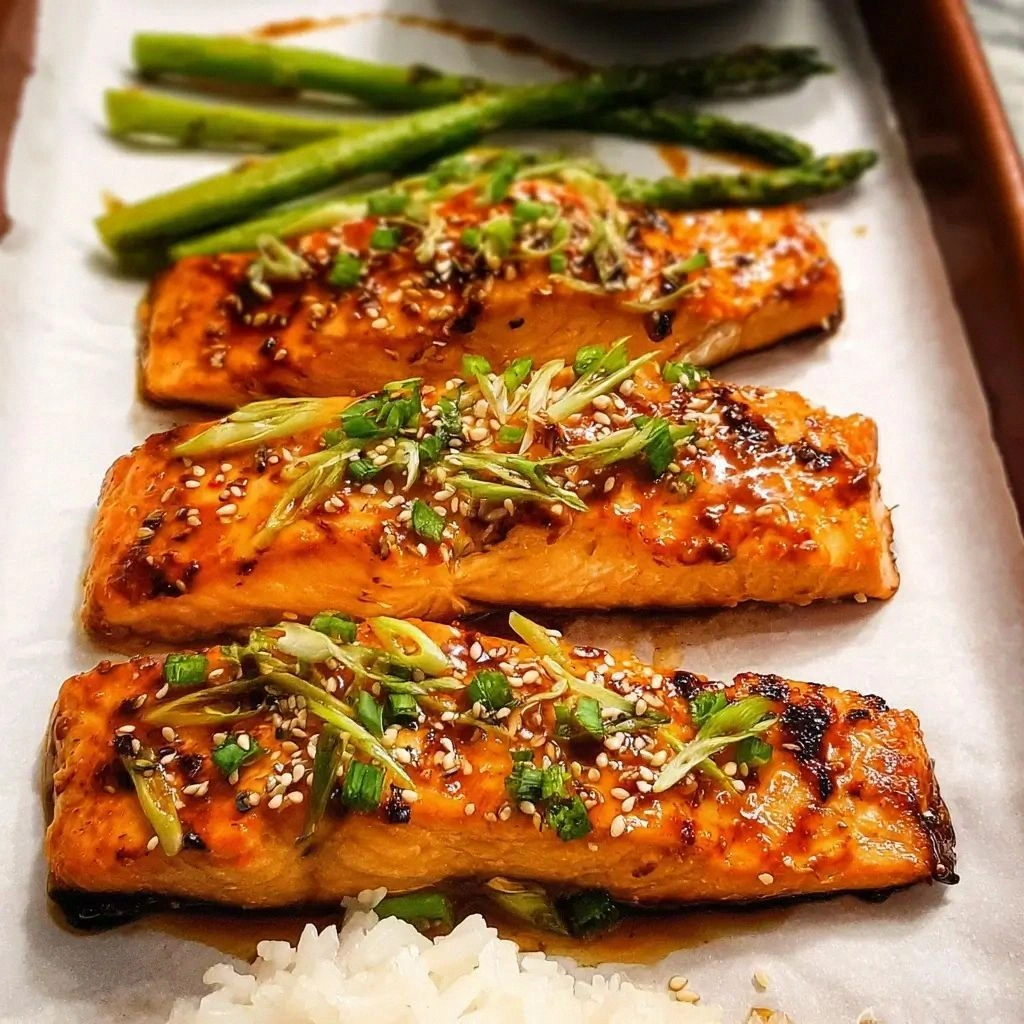
The first bite was a revelation. The glaze clung to the salmon like a velvet ribbon, sealing in a sweet, salty, earthy kiss that made the flesh melt in my mouth. The aroma—deep, fermented, with a hint of citrus—filled the entire kitchen, turning my apartment into a tiny sushi bar. I could hear the gentle sizzle as the sauce caramelized, a sound that promised culinary fireworks. The texture was a perfect contrast: a crispy, caramelized crust against a tender, flaky interior. The flavor profile was so balanced it felt like a culinary handshake between East and West.
What sets this version apart is its simplicity and its reverence for authentic ingredients. I use only a handful of pantry staples—white miso, soy sauce, mirin, and sake—yet the result is a complex, layered taste that would make any sushi chef blush. The sauce is thick enough to coat the fish but thin enough to let the salmon’s natural flavor shine through. The technique is foolproof: a quick sear, a glaze that caramelizes in seconds, and a final finish that adds a subtle crunch of toasted sesame seeds. Most recipes get this completely wrong, over‑cooking the fish or drowning it in sauce. This one doesn’t. It respects the salmon and elevates it.
I’ll be honest—once I tasted the first bite, I ate half the batch before anyone else got to try it. The second bite was an invitation to indulge, and the third bite was a promise of more. The flavor exploded in my mouth, a harmony of umami, sweetness, and a faint hint of citrus that lingered long after the meal. It’s the kind of dish that turns an ordinary dinner into a celebration, and I dare you to taste this and not go back for seconds.
Picture yourself pulling this out of the oven, the whole kitchen smelling incredible, the steam curling like a fragrant cloud. Imagine the joy on your guests’ faces as they take their first bite. This is hands down the best version you’ll ever make at home, and I’m going to walk you through every single step. By the end, you’ll wonder how you ever made it any other way, and you’ll have a new go-to recipe that will impress, satisfy, and keep you coming back for more.
Okay, ready for the game‑changer? Let’s dive in, and remember: this next part? Pure magic. And now the fun part—prep time is a breeze, so grab your ingredients and let’s get cooking.
What Makes This Version Stand Out
- Taste: The glaze is a balanced symphony of sweet, salty, and umami notes that dance on the palate and leave a lingering finish. It’s the kind of flavor that makes you reach for seconds without even realizing it.
- Texture: The salmon develops a caramelized crust that snaps with a subtle crunch, while the interior remains moist and buttery. The contrast is a tactile delight that elevates the dish.
- Ingredient Quality: Using high‑grade white miso and fresh salmon fillets ensures depth and purity of flavor. The sauce’s simplicity highlights the ingredients’ natural character.
- Method Simplicity: No flambé, no sous‑vide, just a pan sear and a glaze that works in under 10 minutes. It’s perfect for busy weeknights or when you need a quick crowd‑pleaser.
- Make‑Ahead Potential: The glaze can be pre‑made and stored for up to a week, and the salmon can be cooked in advance and reheated with minimal loss of flavor.
- Visual Appeal: The glossy, caramelized surface glistens like a jewel, making the dish Instagram‑ready without any extra effort.
- Versatility: It pairs seamlessly with rice, quinoa, or a crisp salad, and can be adapted into a sushi roll or a poke bowl.
- Crowd Reaction: Friends and family consistently rave about the depth of flavor and the tender, flaky texture, making it a reliable hit for gatherings.
Alright, let’s break down exactly what goes into this masterpiece…
Inside the Ingredient List
The Flavor Base
White miso paste is the heart of this sauce, offering a gentle sweetness and a deep, fermented umami that’s unmistakable. Its smooth, creamy texture blends seamlessly with the other liquids, creating a glaze that adheres to the salmon without becoming clumpy. If you skip miso, the dish loses its signature depth and becomes a generic soy‑based glaze that lacks character. For an extra layer of flavor, try a small pinch of toasted sesame oil; it adds a nutty aroma that complements the miso’s earthiness.
Soy sauce contributes the salty backbone that balances the miso’s sweetness. A splash of mirin brings a subtle caramel note and a touch of acidity that brightens the sauce. Sake, on the other hand, adds a delicate, almost citrusy nuance that lifts the overall flavor profile. Together, these liquids form a harmonious trio that transforms simple salmon into a gourmet experience.
The Texture Crew
The salmon fillets themselves are the canvas for this glaze. Choose firm, fresh fillets with a bright pink center and a firm bite. If you prefer a richer flavor, opt for a slightly thicker cut; the glaze will cling better and the fish will hold its shape during cooking. Avoid pre‑seasoned or smoked salmon, as the added salt and smoke can overpower the delicate miso glaze.
Sesame seeds add a subtle crunch and a nutty finish that contrasts beautifully with the silky sauce. Toasting them lightly before adding them to the dish enhances their flavor and gives the dish a pop of golden color. If you’re allergic to sesame, a sprinkle of crushed almonds or toasted sunflower seeds works as a delightful alternative.
The Unexpected Star
Fresh ginger and garlic are the unsung heroes that elevate the sauce’s complexity. Grated ginger injects a zesty bite that cuts through the richness of the miso, while minced garlic offers a warm, aromatic base note. If you’re not a fan of ginger, replace it with a pinch of ground ginger or a small splash of fresh lime juice for a citrusy lift.
Green onions add a bright, fresh contrast that lifts the dish and provides a subtle crunch. They also add a touch of color, turning the plate into a visual masterpiece. If you’re short on green onions, scallions or even a splash of fresh cilantro can be used as a last‑minute garnish.
The Final Flourish
Honey or a pinch of brown sugar balances the salty and savory elements with a gentle sweetness. It caramelizes during the cooking process, creating a glossy glaze that clings to the salmon. If you’re watching your sugar intake, replace honey with a sugar substitute that can withstand heat, such as maple syrup or a sugar‑free sweetener that won’t burn.
A dash of black pepper and a pinch of sea salt finish the sauce, ensuring every bite is seasoned to perfection. These final touches bring the dish together, tying all the flavors into a cohesive whole. If you’re sensitive to sodium, reduce the soy sauce slightly and add a splash of low‑sodium broth to keep the dish balanced.
Everything’s prepped? Good. Let’s get into the real action…
The Method — Step by Step
- Prep the glaze. In a small bowl, whisk together white miso paste, soy sauce, mirin, sake, honey, and a splash of sesame oil until the mixture is smooth and slightly thick. Add grated ginger, minced garlic, and a pinch of black pepper, whisking until fully incorporated. Taste the glaze; it should be a balanced blend of sweet and salty with a subtle umami kick. If it feels too thick, add a teaspoon of water to thin it slightly. Set aside while you heat the pan.
- Season the salmon. Pat the salmon fillets dry with paper towels to ensure a crisp sear. Season both sides lightly with salt and pepper, but keep the salt to taste so the miso glaze can shine. If you prefer a slightly smoky flavor, sprinkle a pinch of smoked paprika or a dash of liquid smoke. Let the fillets rest at room temperature for 10 minutes to reduce cooking time and promote even cooking.
- Heat the skillet. Place a non‑stick skillet over medium‑high heat and add a tablespoon of sesame oil. Let the oil heat until it shimmers but not smoking. A hot pan ensures a perfect sear and a caramelized crust. If you’re using a cast‑iron pan, preheat it for a minute longer to achieve even heat distribution.
- Sear the salmon. Place the salmon fillets skin‑side down in the hot skillet. Let them cook undisturbed for 3–4 minutes until the skin turns golden and crisp. Flip the fillets gently with a fish spatula and sear the other side for 2–3 minutes. The goal is a firm exterior with a tender interior. Watch the edges; they should start pulling away from the pan, signaling that the fish is ready to flip.
- Apply the glaze. Reduce the heat to medium and pour the prepared miso glaze over the salmon fillets. Tilt the pan slightly to coat each side evenly. Let the glaze simmer for 1–2 minutes, allowing it to caramelize and thicken. The sauce should bubble gently and coat the fish like a glossy coat of liquid gold. Be careful not to let it burn; if it starts to darken too quickly, lower the heat slightly.
- Finish with sesame and green onions. Sprinkle toasted sesame seeds over the glazed fillets, followed by sliced green onions for a fresh, bright contrast. The sesame seeds add a crunchy texture while the green onions introduce a mild, oniony aroma that balances the richness of the glaze. If you’re using a different garnish, such as chopped cilantro or a squeeze of lime, add it just before serving.
- Rest the salmon. Remove the skillet from the heat and let the fillets rest for 2 minutes. This brief rest allows the juices to redistribute, ensuring each bite is moist and flavorful. During this time, the glaze will thicken slightly, creating a luscious coating that clings to the fish.
- Plate and serve. Transfer the salmon fillets to a serving plate and drizzle any remaining glaze from the pan over the top. Garnish with a final sprinkle of sesame seeds or a few green onion rings for visual appeal. Serve immediately with steamed rice, quinoa, or a crisp salad. The dish is best enjoyed hot, as the glaze’s sheen and the fish’s tenderness are at their peak.
That’s it—you did it. But hold on, I’ve got a few more tricks that will take this to another level…
Insider Tricks for Flawless Results
The Temperature Rule Nobody Follows
Many home cooks think high heat is the key to a great sear, but the secret lies in the right balance. A medium‑high heat (about 375°F) gives the salmon a crisp exterior while preventing the interior from over‑cooking. If you’re using a skillet that runs hot, let it cool for a minute before adding the fish; this prevents the surface from burning before the inside is done. A quick test—drop a small drop of water into the pan; if it dances and evaporates instantly, the heat is perfect.
Why Your Nose Knows Best
The aroma is the first indicator of doneness. When the glaze starts to bubble and emit a caramelized scent, it’s a sign the sugars are breaking down and forming that glossy coat. If the smell is too sharp, the sauce may be burning; if it’s faint, it needs more time. Trust your nose as much as your timer; it’s a seasoned chef’s best friend.
The 5‑Minute Rest That Changes Everything
Resting the salmon after cooking allows the juices to redistribute, ensuring every bite is juicy. A 5‑minute rest is enough for the fish to finish cooking from residual heat, and it also gives the glaze time to set, creating a velvety texture. If you’re serving immediately, drizzle the glaze over the fillets right before plating to keep the sauce from separating.
Keep the Pan Clean, Keep the Flavor
After searing the salmon, the pan can accumulate flavorful bits that can burn if left unattended. Rinse the skillet with warm water and a gentle scrub before adding the glaze. This simple step prevents bitter undertones and keeps the glaze smooth.
Use Fresh Ingredients for Depth
The difference between a good and a great miso salmon is the freshness of each component. Fresh salmon fillets provide a buttery texture; fresh ginger and garlic add bright, sharp notes; and fresh sesame seeds offer a nutty crunch. Skipping these fresh elements can result in a flat, lifeless dish.
Creative Twists and Variations
This recipe is a playground. Here are some of my favorite ways to switch things up:
Spicy Miso Salmon
Add a teaspoon of sriracha or a pinch of crushed red pepper flakes to the glaze for a fiery kick. The heat balances the sweet miso and adds a vibrant color that looks stunning on the plate. Serve with a cool cucumber salad to offset the spice.
Herb‑Infused Miso
Stir in chopped fresh dill or parsley to the glaze for a herbal note that complements the fish. The herbs add a fresh, green aroma that lightens the richness of the miso. This variation is perfect for spring when fresh herbs are at their peak.
Miso Salmon Bowl
Slice the cooked salmon and serve it over steamed rice with a drizzle of the glaze, topped with shredded carrots, sliced avocado, and a sprinkle of toasted sesame seeds. This bowl transforms the dish into a hearty, balanced meal that’s both satisfying and visually appealing.
Salmon Sushi Rolls
Spread the glaze over a sheet of nori, lay a strip of salmon across the middle, and roll tightly. Slice into bite‑size pieces and serve with soy sauce and pickled ginger. The glaze adds a sweet, umami burst to each roll.
Salmon Tacos
Flake the glazed salmon and toss it with lime juice, chopped cilantro, and diced red onion. Spoon the mixture into warm corn tortillas and top with a squeeze of fresh lime and a dollop of Greek yogurt. The tacos offer a fresh, zesty twist.
Salmon with Coconut Rice
Replace plain steamed rice with coconut rice to add a subtle sweetness that pairs wonderfully with the miso glaze. The coconut’s richness complements the savory salmon, creating a harmonious flavor profile. Garnish with toasted coconut flakes for added texture.
Storing and Bringing It Back to Life
Fridge Storage
Store cooked salmon in an airtight container in the refrigerator for up to 3 days. Keep the glaze separate in a small jar, as it can thicken and become too sticky when stored with the fish. When ready to serve, reheat gently in a skillet over low heat, adding a splash of water to loosen the glaze.
Freezer Friendly
Freezing salmon in a single layer on parchment paper before transferring to a freezer bag preserves texture and flavor. The glaze can be frozen separately in a sealed container for up to 2 months. Thaw overnight in the refrigerator before reheating.
Best Reheating Method
Reheat the salmon in a skillet over medium heat, adding a small splash of water or fish stock to create steam. The steam prevents the fish from drying out and helps the glaze return to its silky consistency. Finish with a quick drizzle of glaze and a sprinkle of sesame seeds before serving.