I still remember the night I tried to recreate my grandma's jambalaya on a cramped apartment stove and ended up with a smoky mess that smelled like burnt toast. The pot was overflowing, the rice was clumpy, and my kitchen felt like a battlefield. My roommate laughed, then challenged me to make it better. That challenge turned into a personal quest, a dare to taste this and not go back for seconds. I was determined to find the secret that turns a chaotic pot into a masterpiece.
I closed my eyes and let the aroma of smoked sausage hit me first, followed by the sharp snap of diced onions. The sizzling sound was a promise of flavor, the heat rising like a small sun in my kitchen. The sight of bright red pepper and crisp celery added a pop of color that made the dish look almost too good to eat. I could already taste the savory broth mingling with the sweet shrimp, each bite promising a burst of Southern heat. The texture of the rice, still fluffy from the instant mix, promised a comforting base for everything else.
What sets this version apart is that it collapses all the classic jambalaya elements into a single, foil‑wrapped packet that cooks in minutes. Instead of a long simmer, the heat traps steam and flavor, creating a tender, juicy finish that rivals any slow‑cooked stew. The use of instant rice speeds up the process without sacrificing texture, and the smoked kielbasa adds a smoky depth that would otherwise require a long braise. The result is a dish that feels indulgent, yet is incredibly efficient, making it the perfect go‑to for busy weeknights. It also eliminates the mess, because everything stays sealed inside the foil until you open it.
I’ll admit, the trick I never expected was the subtle addition of a splash of low‑sodium chicken broth that turns the rice into a silky base rather than a dry, crumbly mess. That single splash lifts the entire flavor profile, making each bite feel like it was cooked in a pot of broth. It also keeps the shrimp from drying out, giving them that buttery, tender bite that makes you want to devour the entire packet. The broth, combined with the Cajun seasoning, creates a savory halo that embraces every ingredient. This simple tweak is the secret weapon that makes the dish unforgettable.
This is hands down the best version you'll ever make at home. The combination of smoky sausage, sweet shrimp, and the vibrant vegetables, all wrapped in foil, delivers a flavor explosion that feels like a party in your mouth. The dish is so satisfying that even my most skeptical friends couldn't resist a second plate. I’ve been told it tastes like a Southern summer afternoon, even in the middle of a busy week. The sheer convenience of this recipe makes it a game‑changer for anyone who loves bold flavors without the time‑consuming prep.
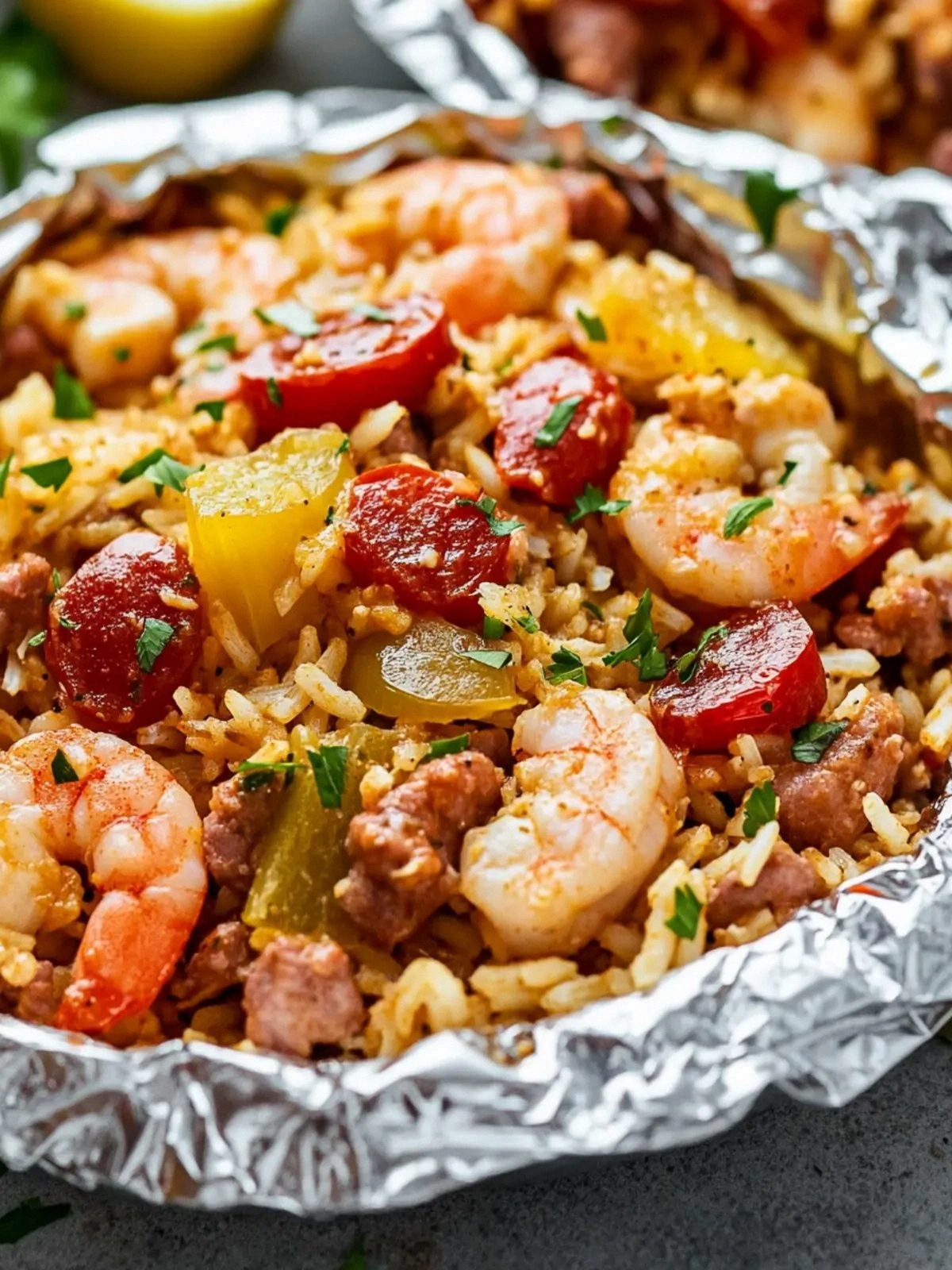
Picture yourself pulling this out of the oven, the whole kitchen smelling incredible, steam curling like a fragrant ribbon. The packet crackles as you open it, revealing a steaming mound of rice, shrimp, and sausage that glistens with a hint of olive oil. The first bite is a harmonious blend of heat, sweetness, and savory, with the shrimp’s natural brininess perfectly balanced by the smoky sausage. The vegetables add a satisfying crunch that cuts through the richness, keeping each mouthful interesting. You’ll find yourself savoring every bite, then reaching for the next packet as if it were a secret treasure.
If you've ever struggled with the classic jambalaya, you're not alone — and I've got the fix. The trick is to use foil as a pressure cooker, sealing in moisture and flavors while eliminating the need for constant stirring. By cutting the ingredients into uniform pieces, you guarantee even cooking, so the rice stays fluffy and the shrimp stays tender. The result is a dish that feels like a culinary masterpiece, but you can finish it in under 45 minutes. This recipe is proof that great flavor doesn’t have to be time‑consuming.
Let me walk you through every single step — by the end, you'll wonder how you ever made it any other way. The method is straightforward, yet each step is packed with flavor‑building techniques that elevate the dish beyond a simple foil packet. I’ll share the exact measurements, timing, and sensory checkpoints that ensure perfection every time. You’ll also discover a few kitchen hacks that save time and reduce cleanup. Ready? Let’s dive into the details and turn this humble foil packet into a culinary triumph.
What Makes This Version Stand Out
- Flavor: The smoky kielbasa and sweet shrimp mingle with a Cajun‑spiced broth that creates a depth of flavor usually reserved for slow‑cooked stews. The instant rice absorbs the savory liquid, turning into a silky base that holds every bite together. This blend of heat and sweetness feels like a Southern sunrise in every mouthful.
- Texture: The foil packet traps steam, ensuring the shrimp stay juicy while the rice remains fluffy. The crisp celery and bell pepper provide a satisfying crunch that cuts through the richness. The result is a harmonious contrast that keeps you engaged from the first bite to the last.
- Simplicity: With only a handful of ingredients and a single pan, this recipe eliminates the usual prep chaos. The foil serves as both a cooking vessel and a cleanup solution, meaning you can focus on flavor rather than mess. It’s the ultimate “cook once, eat twice” dish.
- Uniqueness: By combining smoked sausage, shrimp, and instant rice in a foil packet, you create a dish that feels both familiar and entirely new. The technique locks in moisture and spices, producing a flavor profile that can’t be replicated with a standard pot.
- Crowd Reaction: Friends who’ve tried this version rave about how it feels like a restaurant‑style jambalaya served straight from the oven. Many have reported that they couldn’t finish a single packet, proving that the dish is both irresistible and generous.
- Ingredient Quality: Using high‑quality smoked kielbasa and fresh shrimp elevates the dish above generic take‑out. The low‑sodium broth ensures the flavors are balanced without overwhelming saltiness, while the Cajun seasoning adds a bold kick.
- Make‑Ahead Potential: Assemble the packets ahead of time and store them in the fridge or freezer. When you’re ready to eat, just pop them into the oven, and the dish will be ready in minutes. It’s the perfect solution for busy weekdays or last‑minute dinner parties.
Inside the Ingredient List
The Flavor Base
The low‑sodium chicken broth and olive oil form the liquid foundation that carries the Cajun seasoning throughout the dish. The broth’s subtle umami lifts the smoky sausage and sweet shrimp, while the oil adds a silky sheen to the rice. Skipping the broth would leave the rice dry, turning what could be a comforting bowl into a clumpy mess.
The Texture Crew
Instant rice is the hero that keeps the dish fluffy and ready in minutes. It absorbs the broth without becoming mushy, maintaining a pleasant bite. If you prefer a heartier texture, try substituting regular long‑grain rice, but be prepared to increase cooking time by a few minutes.
The Unexpected Star
The sweet shrimp may surprise some diners, but its briny sweetness balances the smoky sausage perfectly. Shrimp cooks quickly, so timing is critical; over‑cooking can render them rubbery. If you’re not a fan of shellfish, substitute diced chicken or even tofu for a vegetarian twist.
The Final Flourish
Fresh parsley adds a burst of color and a hint of herbal brightness that cuts through the richness of the dish. It also provides a subtle freshness that lifts the overall flavor profile. A pinch of black pepper and a dash of kosher salt finish the seasoning, allowing each ingredient to shine without overpowering the Cajun spices.
Everything's prepped? Good. Let's get into the real action.
The Method — Step by Step
- Preheat your oven to 400°F (200°C). This temperature ensures the foil packet cooks evenly, sealing in moisture while allowing the edges to crisp slightly. The heat also activates the Cajun seasoning’s aromatic oils, giving the dish its signature kick. If you’re using a convection oven, lower the temperature by 25°F for even cooking.
- While the oven warms, dice the smoked kielbasa into bite‑sized cubes. Uniform pieces guarantee that every morsel cooks at the same rate, preventing pockets of under‑cooked sausage. If you prefer a chunkier texture, you can leave the sausage in larger pieces, but be prepared for slightly uneven cooking.
- Chop the sweet onion, red bell pepper, and celery into small, evenly sized dice. These vegetables release their natural sugars during cooking, adding depth and sweetness. The diced shape also ensures quick, even sautéing, preventing any one vegetable from overcooking before the others finish.
- Heat the olive oil in a large skillet over medium heat. Add the diced onion and celery, sautéing until they begin to soften. This step caramelizes the vegetables, creating a fragrant base that carries the Cajun seasoning through the dish. Kitchen Hack: Use a silicone spatula to stir; it’s gentler on the skillet and helps prevent sticking.
- Add the diced bell pepper and minced garlic to the skillet, cooking for another 2 minutes until fragrant. The garlic’s aroma should fill your kitchen, signaling that the base is ready. If you’re sensitive to raw garlic, you can sauté it for a minute longer to mellow its sharpness.
- Stir in the Cajun seasoning, ensuring every vegetable is coated. The spices should sizzle, releasing their essential oils. This is the moment when the dish’s heart begins to form; don’t rush it, as the flavor will develop fully.
- Add the smoked sausage cubes to the skillet, tossing them to combine with the seasoned vegetables. Cook for 3–4 minutes, allowing the sausage to brown slightly and release its smoky juices. The caramelized surface adds a subtle crunch that contrasts with the tender shrimp.
- Pour the low‑sodium chicken broth over the mixture, then add the instant rice. Stir gently to ensure the rice is fully submerged and coated. The liquid should be just enough to hydrate the rice without making it soggy.
- Now comes the trickiest part: wrapping. Lay out a large sheet of heavy‑duty aluminum foil, at least 12 inches square. Place half of the rice mixture in the center, then top with the shrimp, ensuring they’re spread evenly. Watch Out: Don’t overfill the packet; excess liquid can cause the foil to burst during cooking.
- Seal the edges of the foil tightly, twisting the corners to create a secure seal. This step locks in steam, turning the packet into a mini‑pressure cooker. If you prefer a more rustic look, leave the corners slightly open for a steam‑release vent.
- Place the foil packets on a baking sheet and bake for 20–25 minutes, or until the rice is tender and the shrimp pink. The packet should emit a fragrant steam; if the steam stops, the dish is likely done. Check the packet after 18 minutes to avoid overcooking.
- Remove the packets from the oven and let them rest for 5 minutes before opening. This short rest allows the steam to settle, preventing splattering when you cut the foil. When you finally open the packet, a cloud of savory aroma will greet you, and the rice will be perfectly fluffy.
That's it — you did it. But hold on, I've got a few more tricks that'll take this to another level.
Insider Tricks for Flawless Results
The Temperature Rule Nobody Follows
Many cooks assume any oven temperature will do, but 400°F is the sweet spot for this recipe. At this heat, the steam inside the foil packet builds quickly, ensuring the rice cooks evenly while the shrimp stays juicy. If you lower the temperature, the packet may take longer to cook, and the edges may become soggy.
Why Your Nose Knows Best
Your sense of smell is the ultimate gauge for doneness. When the packet releases a rich, aromatic steam, you know the rice is tender and the shrimp is perfectly cooked. If the aroma feels flat, let it cook a few more minutes; the scent will intensify as the flavors meld.
The 5-Minute Rest That Changes Everything
Letting the packet rest after baking might seem like a waste of time, but it’s crucial. The rest period allows the steam to redistribute, preventing a dry center and ensuring each bite is moist. Skipping this step can leave the rice unevenly cooked.
Using Fresh vs. Dried Spices
Freshly ground Cajun seasoning gives the dish a brighter, more vibrant flavor than pre‑ground. If you’re short on time, a pre‑ground mix works, but consider adding a pinch of fresh peppercorns at the end for an extra punch.
Choosing the Right Sausage
Smoked kielbasa is a staple, but you can experiment with Andouille or even a spicy chorizo for a different heat profile. Just adjust the amount of Cajun seasoning to avoid overpowering the dish.
Why the Foil Matters
Heavy‑duty foil retains heat better, creating a mini‑oven inside the packet. Thinner foil can tear or allow steam to escape, compromising the texture. For best results, use parchment‑lined foil for extra protection against sticking.
Creative Twists and Variations
Southwestern Kick
Swap the Cajun seasoning for a smoky chipotle powder and add a handful of corn kernels. The smoky heat pairs beautifully with the sweet shrimp, creating a dish that feels like a Mexican‑inspired jambalaya. This version is perfect for those who love a little extra heat.
Vegetarian Delight
Replace the shrimp with diced tofu and the sausage with crumbled tempeh. Keep the Cajun seasoning for the heat and add a splash of soy sauce for umami. This plant‑based version still delivers the same comforting texture and bold flavor.
Seafood Fusion
Add diced scallops or mussels to the packet for a luxurious seafood twist. The delicate flavors of the shellfish elevate the dish, making it feel like a gourmet entrée. Just be sure to cook the packet a bit longer to accommodate the added seafood.
Herb‑Infused Variation
Introduce fresh thyme or rosemary during the sauté stage for a fragrant herbal note. The herbs complement the Cajun spices and add a layer of complexity. This version works well for a more refined, herb‑centric flavor profile.
Low‑Calorie Version
Use skinless chicken breast instead of sausage and reduce the olive oil to a tablespoon. Swap the instant rice for cauliflower rice to lower carbs and calories. The dish remains hearty and flavorful while fitting into a low‑calorie diet.
Storing and Bringing It Back to Life
Fridge Storage
Store leftover packets in an airtight container for up to 3 days. Keep the packets sealed to preserve moisture. When ready to eat, reheat in the microwave for 2–3 minutes, stirring halfway through to ensure even heating.
Freezer Friendly
Wrap individual packets in plastic wrap and place them in a freezer bag. They’ll keep for up to 2 months. Thaw overnight in the refrigerator before reheating in the oven at 350°F for 15 minutes.
Best Reheating Method
Add a splash of water to the packet before reheating to restore steam and keep the rice from drying out. Reheat in the oven or microwave, then let rest for a minute before serving. This simple trick ensures the dish tastes freshly cooked every time.