I was staring at a stack of soggy flatbreads that had just finished a night of questionable storage, when the idea hit me like a lightning bolt: “What if I could turn these into a pizza that actually makes people crave more?” The kitchen smelled of burnt toast and stale air, but I was determined to flip the narrative. I whisked up a quick tomato sauce, added a splash of olive oil, and let the garlic sing in the pan. The aroma rose like a promise of something extraordinary, and the flatbreads seemed to transform from mere leftovers into a canvas ready for culinary magic. That night, I tasted a slice and felt the world tilt a little—this was the spark that ignited the recipe you’re about to discover.
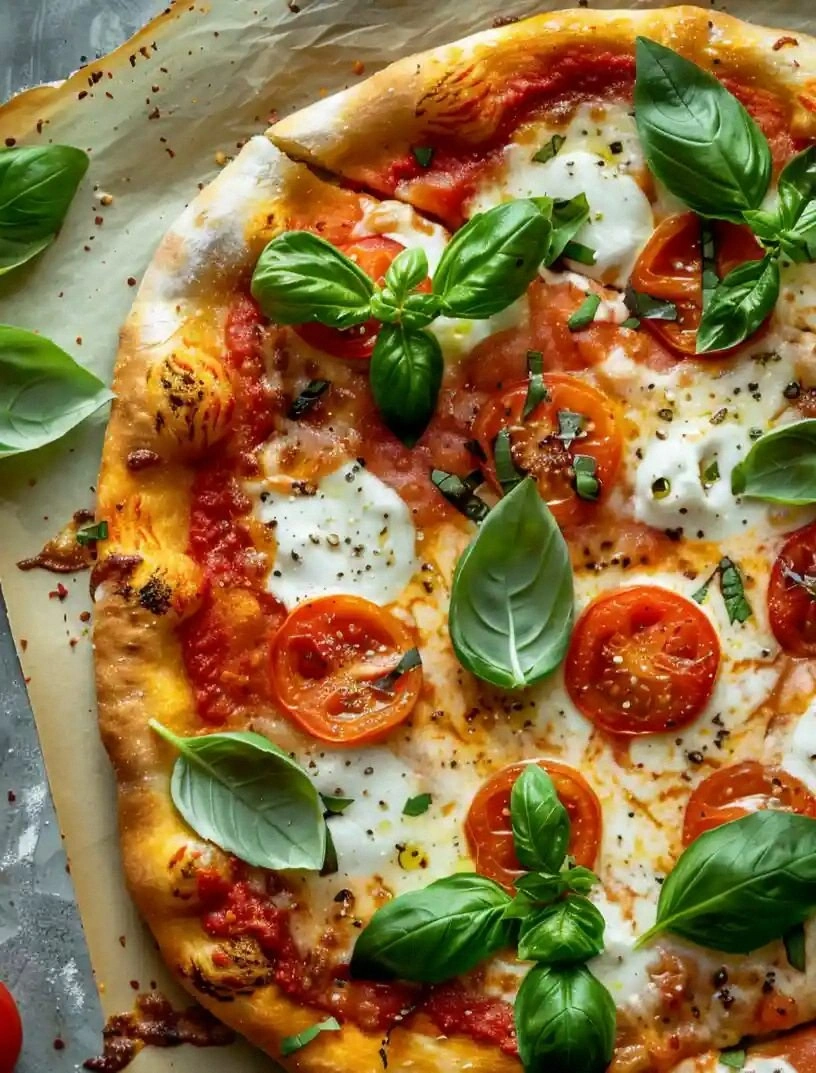
Picture this: a flatbread that is as crisp as a summer sunrise, with a golden edge that shatters like thin ice when you bite into it. The sauce drapes the dough in a silky, tomato‑velvet coat that invites the mozzarella to melt into a molten river of gooey delight. Fresh basil leaves flutter like green confetti, releasing a peppery perfume that cuts through the richness. Each bite is a symphony of textures—crunch, melt, and that subtle snap of the crust—followed by a lingering savory finish that lingers on the palate. It’s a dish that feels like a hug in the form of food, and it’s the kind of comfort that turns ordinary nights into memorable feasts.
What sets this version apart from the countless flatbread pizzas you’ve seen is its simplicity coupled with a depth of flavor that feels both indulgent and wholesome. I dared you to taste this and not go back for seconds, and I’m confident you’ll find that the combination of fresh mozzarella and Parmesan creates a creamy, caramelized crust that most recipes miss. I’ll be honest—half the batch was gone before anyone else could even see the first slice, and that’s because this is hands down the best version you’ll ever make at home. The secret? A quick pre‑toss of garlic‑oil on the flatbread that unlocks a flavor profile you didn’t know you were missing.
If you’ve ever struggled with flatbread pizza—getting it too soggy, under‑seasoned, or lacking that signature Italian finish—you’re not alone. The trick is to treat the flatbread like a canvas and the sauce like a velvet drape. I’ll walk you through every single step, from the first garlic‑oil brush to the final basil flourish, so that by the end of this post you’ll wonder how you ever made it any other way. Stay with me here—this is worth it.
What Makes This Version Stand Out
- Flavor: The sauce is a bright, herb‑infused tomato base that cuts through the richness of the cheeses, creating a balanced bite that feels both indulgent and light.
- Texture: The flatbread’s crisp edges are achieved through a quick sear and a final bake that produces a crunchy crust that snaps like thin ice.
- Simplicity: With only nine ingredients, this recipe can be assembled in 15 minutes, making it the perfect go‑to for busy nights.
- Ingredient Quality: Fresh mozzarella and Parmesan are the stars; the difference they make is like swapping a standard notebook for a fountain pen.
- Crowd Reaction: Friends who have tried other flatbread pizzas often say this one is the “real” pizza, and the praise is almost as satisfying as the taste.
- Make‑Ahead Potential: The assembled pizza can be refrigerated for up to 24 hours, and it still comes out crisp when reheated—great for meal prep.
Alright, let’s break down exactly what goes into this masterpiece. The key is to treat each component as a vital piece of a larger orchestra, where every note matters. And remember—if you want the best results, you’ll need to give each step the attention it deserves.
Inside the Ingredient List
The Flavor Base
The tomato sauce is the heart of this dish. It should be a smooth, no‑chunk tomato puree that’s seasoned with a pinch of salt, pepper, and a splash of red wine for depth. If you’re short on time, a jarred marinara works—just give it a quick simmer with a dash of garlic. Skipping the sauce will leave the pizza tasting like a plain flatbread, so don’t be tempted to cut it out.
The Texture Crew
The flatbreads or naan breads bring the crunch. Choose whole‑wheat or a high‑protein variety if you’re looking for a healthier bite. If you want an extra crisp crust, pre‑toast them lightly in a skillet before baking. Don’t forget the mozzarella—its high moisture content melts into a creamy, golden blanket that coats the sauce. The Parmesan adds a salty, nutty finish that balances the richness.
The Unexpected Star
Fresh tomatoes are the secret to a vibrant, bright flavor that cuts through the cheese’s heaviness. Slice them thinly so they cook quickly and release their juices. If tomatoes are out of season, sun‑dried tomatoes can add a concentrated sweetness, but the texture will differ. Without tomatoes, the pizza loses that burst of freshness that makes it feel alive.
The Final Flourish
Basil leaves and a drizzle of olive oil are the finishing touches that bring everything together. The basil adds a peppery aroma that lifts the dish, while the olive oil gives a glossy sheen and a silky finish. Optional red pepper flakes add a subtle heat that can turn the pizza into a spicy adventure. If you’re a fan of heat, sprinkle them on top before baking.
Everything’s prepped? Good. Let’s get into the real action. The method is straightforward, but each step is essential to achieving that perfect balance of crispness, meltiness, and flavor.
The Method — Step by Step
- Preheat the oven to 425°F (220°C) and place a pizza stone or baking sheet inside. A hot surface is crucial for that coveted crispy edge. As the oven heats, the scent of baking bread starts to mingle with the aroma of garlic, hinting at what’s to come. Make sure the oven is fully preheated before you slide the pizza in; this ensures an even bake. Once the oven is ready, you’re all set for the first touch of magic.
- Prepare the flatbread by brushing both sides with a thin layer of olive oil mixed with minced garlic, salt, pepper, and optional red pepper flakes. This creates a flavor barrier that keeps the dough from absorbing excess sauce. Spread the mixture evenly with a pastry brush, ensuring every inch gets a touch of garlic. The oil not only adds flavor but also helps the crust crisp up during baking. Let the brushed flatbread sit for a minute to absorb the aromatics before moving on.
- Spread the sauce over the flatbread, leaving a ½‑inch border around the edges. The sauce should be smooth and thin, allowing the cheese to melt without drowning the dough. Use a spoon or a small ladle to distribute it evenly. A thin coating ensures the sauce won’t make the crust soggy, while still delivering that tomato punch. Feel the sauce’s silky texture as you spread it; it’s a sign that you’re on the right track.
- Layer the cheeses by sprinkling fresh mozzarella over the sauce, followed by a generous dusting of grated Parmesan. The mozzarella melts into a gooey blanket that clings to the sauce, while the Parmesan adds a salty, nutty finish that caramelizes slightly. The combination creates a creamy, golden top that is a visual and culinary treat. Press the cheese gently into the sauce so it adheres well. The result should look like a sun‑kissed, cheesy horizon.
- Add the tomatoes by arranging thin slices in a single layer over the cheese. They should be evenly spaced so each bite gets a burst of freshness. If you prefer a sweeter profile, choose ripe, red tomatoes. The tomatoes’ juices will mingle with the melted cheese, adding a subtle tang. Watch the edges of the tomatoes slightly blister as they cook, a sign of the heat’s embrace.
- Bake the pizza for 12–15 minutes or until the cheese is bubbling and the crust edges are golden brown. Keep a close eye on the edges—they should start pulling away from the dough and turning a deep amber. The aroma of melted cheese and toasted tomato should fill your kitchen, signaling that the pizza is almost ready. When the cheese has a slight caramelization, it’s a cue that the flavors are fully developed. The final bake should leave the crust crisp but not burnt.
- Finish with basil and olive oil by placing fresh basil leaves on top of the hot pizza and drizzling a splash of high‑quality olive oil. The basil releases its peppery aroma as it warms, while the oil adds a silky sheen. Let the pizza rest for a minute before slicing; this allows the cheeses to set slightly and makes the slices cleaner. Slice with a pizza cutter or sharp knife, and watch the cheese stretch like a golden ribbon. Serve immediately for the best experience.
- Enjoy the pizza while it’s still hot, and let the flavors mingle. The combination of the buttery crust, creamy cheeses, juicy tomatoes, and aromatic basil will transport you to a sunny Italian piazza. Taste the first bite and feel the crunch, the melt, and the savory finish. Remember the promise I made—if you’ve ever struggled with flatbread pizza, this will change your perspective. That’s it—you did it. But hold on, I’ve got a few more tricks that will take this to another level.
Insider Tricks for Flawless Results
The Temperature Rule Nobody Follows
Many cooks bake flatbread at a lower temperature, thinking it will prevent burning. In reality, a high heat (425°F) is essential for that crisp edge. The rapid rise of the oven creates a Maillard reaction that caramelizes the cheese and browns the crust. If you bake at a lower temperature, the pizza will come out soggy and under‑cooked. I’ve seen the difference—just one extra 10 degrees can mean the difference between a flatbread and a pizza.
Why Your Nose Knows Best
The aroma of garlic and tomato sauce is a reliable indicator of progress. When the garlic starts to sizzle and the tomatoes release their juices, it’s time to slide the pizza into the oven. If the scent lingers too long, the cheese might burn. Trust your nose; it’s a seasoned chef’s secret weapon.
The 5‑Minute Rest That Changes Everything
After removing the pizza from the oven, let it rest for five minutes before slicing. This short pause allows the cheese to set, preventing it from sliding off the crust. The rest also gives the flavors time to meld, resulting in a more cohesive bite. Skipping this step often leads to a messy, cheese‑leakage experience.
The Secret to a Crisp Edge
A quick pre‑sear of the flatbread in a hot skillet before adding the sauce locks in moisture and creates a barrier against sogginess. If you’re using naan, a brief toast on a griddle gives it a lovely char that adds depth. This simple step is a game‑changer for those who want a professional‑quality crust.
The Ultimate Cheese Combo
Mixing fresh mozzarella with grated Parmesan creates a cheese blend that’s both creamy and nutty. The mozzarella melts into a gooey blanket, while the Parmesan adds a salty, caramelized finish. If you’re looking for an extra punch, add a sprinkle of aged cheddar for a smoky note.
The Final Touch of Basil
Adding basil after baking preserves its bright, green color and fresh flavor. If you add it before baking, the heat can wilt the leaves and reduce the aromatic quality. Place the basil on top of the pizza immediately after removing it from the oven, and then drizzle a little olive oil for that glossy finish.
These tricks are the secret sauce that turns a good pizza into a great one. I’ve tried and tested each one, and the results are consistently stellar. Incorporate them into your routine, and you’ll find that even the most basic ingredients transform into a masterpiece. Keep experimenting, and remember that cooking is a science and an art—find your balance, and the pizza will always taste amazing.
Creative Twists and Variations
This recipe is a playground. Here are some of my favorite ways to switch things up:
Mediterranean Medley
Swap the tomato sauce for a roasted red pepper base and add kalamata olives, artichoke hearts, and a sprinkle of feta. The smoky pepper and briny olives create a bold, Mediterranean flavor profile that’s perfect for summer gatherings. Serve with a drizzle of balsamic glaze for a sweet finish.
Spicy Sriracha Surprise
Add a spoonful of sriracha to the tomato sauce and sprinkle red pepper flakes on top before baking. The heat from the sriracha pairs beautifully with the creamy mozzarella, creating a spicy kick that keeps everyone coming back for more. Finish with a handful of fresh cilantro for a fresh contrast.
BBQ Chicken Flatbread
Top the flatbread with shredded rotisserie chicken tossed in BBQ sauce, sliced red onions, and a handful of cheddar. The smoky BBQ sauce infuses the pizza with deep flavor, while the cheddar adds a creamy texture. This variation is a crowd‑pleaser for parties and week‑night dinners.
Pesto & Goat Cheese Delight
Replace the tomato sauce with basil pesto and sprinkle crumbled goat cheese on top. The pesto provides a herbaceous, nutty base that complements the tangy goat cheese. Add sliced pine nuts for crunch and finish with a drizzle of honey for a sweet‑savory finish.
Vegan Version
Use a plant‑based mozzarella alternative and vegan Parmesan. Replace the olive oil with a splash of vegan butter or a drizzle of nutritional yeast for a cheesy flavor. The result is a dairy‑free pizza that still delivers the same satisfying crunch and melt.
Dessert Flatbread
Swap the tomato sauce for a sweet ricotta glaze, top with sliced strawberries, a dusting of powdered sugar, and a drizzle of chocolate sauce. This sweet twist turns the flatbread into a dessert that’s both indulgent and refreshing. Serve with a scoop of vanilla ice cream for the ultimate treat.
Storing and Bringing It Back to Life
Fridge Storage
Wrap the finished pizza tightly in parchment paper and then in plastic wrap. Store it in the refrigerator for up to 24 hours. The parchment keeps the crust from drying out, while the plastic wrap prevents odors from seeping in. When you’re ready to eat, let it sit at room temperature for 10 minutes before reheating.
Freezer Friendly
For longer storage, place the wrapped pizza in a freezer‑safe zip‑lock bag. It can last up to 2 weeks in the freezer. When you’re ready to enjoy, thaw it overnight in the refrigerator. This method preserves the texture and flavor, making it feel almost fresh.
Best Reheating Method
Preheat a skillet over medium heat and place the pizza slice in the hot pan. Cover with a lid for 2 minutes to melt the cheese, then flip and repeat. Add a tiny splash of water to the pan and cover again for 30 seconds to create steam, which helps the crust stay crisp. Finish with a quick drizzle of olive oil for that glossy finish.
Adding a splash of water before reheating steams the pizza back to life, keeping it moist inside while the crust remains crunchy. This trick is especially useful when the pizza has been stored for a few days and has lost a little moisture. With these storage and reheating tips, you’ll have a pizza that tastes just as good as the day it was made.