Picture this: I’m standing in a kitchen that smells like burnt toast and hope, because I accidentally dropped a bagel into a pan that was too hot, and it splattered like a tiny, crunchy fireworks display. The smoke alarm rang, but the sweet, smoky aroma that followed was oddly comforting, a reminder that disaster can lead to deliciousness when you’re willing to experiment. That chaotic moment sparked a craving for something that could salvage the bagel while adding a layer of indulgence, and the idea of turning a bagel into a maple French toast masterpiece was born. I’ve tried countless variations, but none have matched the sheer joy of a crisp exterior that gives way to a soft, syrup‑laden center, all while the bagel’s chewy heart remains intact. If you’re ready to see how a simple mishap can become a breakfast staple, stick with me.
When I first cracked the eggs, the kitchen filled with the sound of a gentle whisking rhythm that promised something sweet. The milk’s milky sheen reflected the morning light, hinting at the creamy base that would soak into the bagel’s dense crumb. A splash of maple syrup already painted the air with a caramel scent, and the cinnamon’s earthy spice began to mingle with the vanilla’s warm perfume, creating a bouquet that could only be described as “comforting decadence.” As I folded the mixture together, the bagel’s surface glistened, a visual cue that it was ready to transform into a golden, caramelized canvas. The anticipation of that first bite—where the crunch meets the melt—was almost too much to bear, but I knew the experience would be worth the wait.
What makes this version of maple French toast bagels truly stand out is not just the ingredients but the method that elevates every element to a new level of flavor and texture. By baking the bagel slices in the oven after a brief pan‑sear, I lock in the crispness while preventing the interior from becoming soggy, a trick that keeps the sandwich from falling apart. The use of whole milk instead of a dairy alternative gives the custard a richer mouthfeel, allowing the maple syrup to shine without overwhelming the bagel’s natural nuttiness. The small amount of vanilla extract works like a secret agent, subtly amplifying the maple’s sweetness without adding any discernible vanilla flavor. And the final drizzle of maple syrup, poured just before serving, creates a glossy finish that’s as beautiful as it is delicious. Together, these choices create a dish that feels both indulgent and comforting, a true breakfast hero.
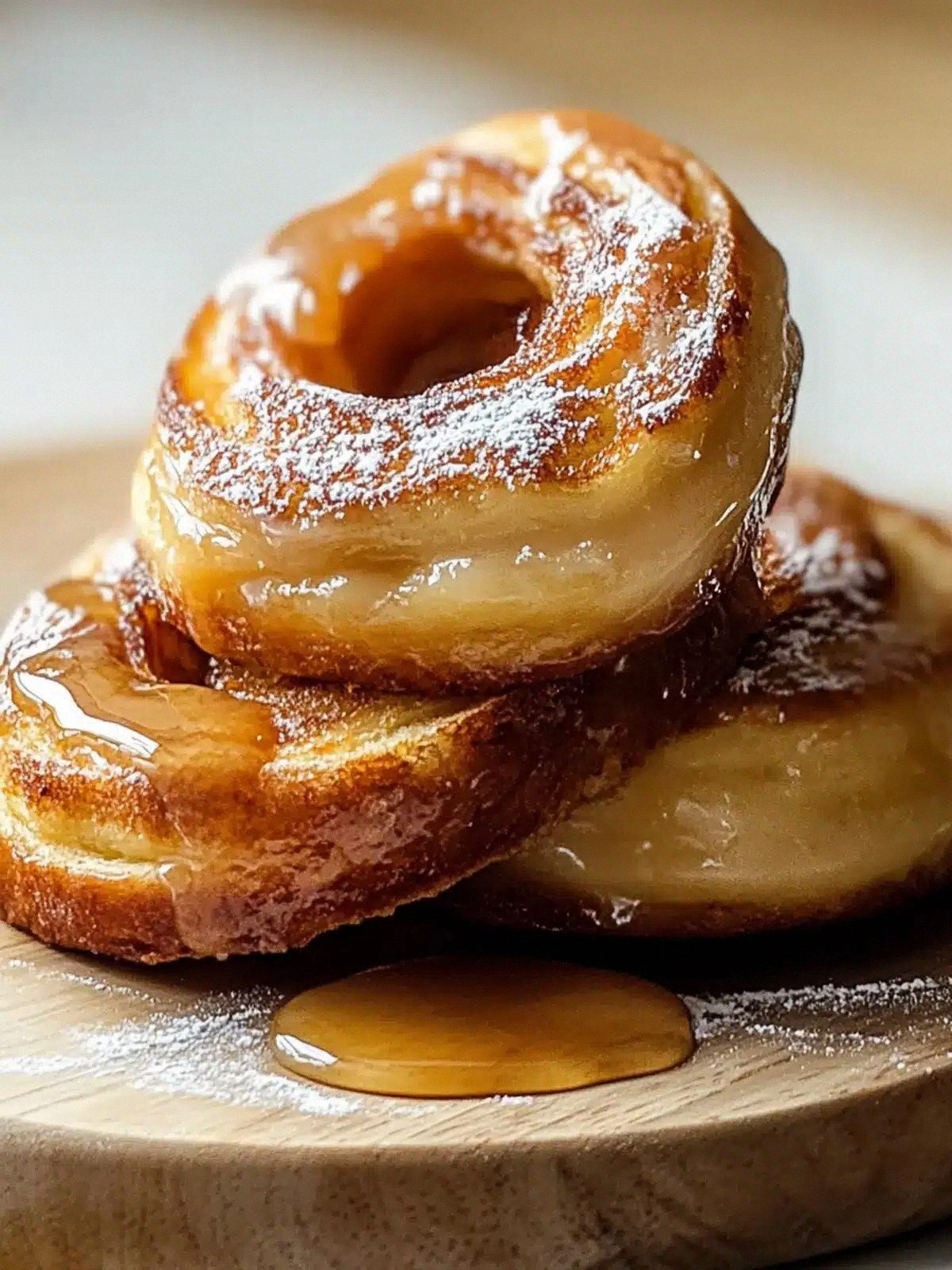
I dare you to taste this and not go back for seconds, because the combination of the bagel’s chewy core, the golden crisp edges, and the syrup’s silky sweetness will have you craving more with every bite. The moment the first slice hits your palate, the flavors unfold like a well‑orchestrated symphony, each note perfectly balanced. If you’ve ever struggled to make bagel French toast that doesn’t turn out soggy or burnt, you’re not alone—and I’ve got the fix that will change your breakfast routine forever. Picture yourself pulling this out of the oven, the whole kitchen smelling incredible, and seeing the golden crust glimmer like a sunrise on a plate. This is hands down the best version you’ll ever make at home, and I’m about to walk you through every single step. By the end, you’ll wonder how you ever made it any other way.
The first thing you’ll notice is how the bagels transform from simple bread to a canvas that holds the maple custard like a masterpiece. The golden crust that forms during the initial pan‑sear acts like a protective shell, keeping the inside tender and preventing it from becoming a soggy mess. When you finish baking, the bagel’s exterior is crisp enough to satisfy the crunch lover, while the interior remains moist and infused with the maple‑cinnamon‑vanilla custard. This contrast in textures is what elevates the dish from ordinary to unforgettable, making every bite a delightful surprise. And because the bagel’s chewy heart remains, the dish feels substantial and satisfying, even if you’re on a tight schedule.
What Makes This Version Stand Out
- Texture: The double cooking method—pan searing followed by baking—creates a crisp outer shell while preserving a soft, custard‑filled center that melts in your mouth. This contrast is what sets this dish apart from the usual soggy French toast.
- Flavor Depth: A splash of vanilla extract works behind the scenes to lift the maple’s natural sweetness, giving the custard a subtle, aromatic layer that feels almost velvety.
- Ingredient Quality: Using whole milk instead of a dairy alternative adds a creamy richness that enhances the maple’s caramel notes, while fresh bagels bring a robust, chewy base that stands up to the custard.
- Ease of Prep: With a quick whisk and a single pan, you can have the custard ready in under 10 minutes, making this a perfect brunch option for busy mornings.
- Make‑Ahead Potential: The custard can be pre‑mixed and stored in the fridge for up to 24 hours, allowing you to assemble the dish right before serving for maximum freshness.
- Scalable: The recipe’s simple ratios mean you can easily double or halve the portions without losing flavor balance, making it ideal for both solo breakfasts and family gatherings.
- Visual Appeal: The glossy maple glaze and golden crust create a plate that looks as good as it tastes, turning a humble breakfast into a showstopper.
- Health‑Friendly Twist: By using real maple syrup instead of powdered sugar or artificial sweeteners, you’re adding natural sweetness and antioxidants, giving your breakfast a wholesome boost.
Inside the Ingredient List
The Flavor Base
The maple syrup is the star of the show, providing natural sweetness and a subtle caramel note that elevates the entire dish. It’s the sweetener that doesn’t overwhelm the bagel’s natural nuttiness, instead complementing it in harmony. Using pure maple syrup (as opposed to flavored or imitation varieties) ensures an authentic taste that is both rich and slightly earthy. If you’re looking for a lower‑sugar option, you can replace one tablespoon of maple syrup with a natural sweetener, but the flavor profile will shift slightly.
The Texture Crew
The whole milk adds a creamy, velvety texture to the custard, preventing it from drying out during baking. Whole milk’s fat content gives the custard a luscious mouthfeel that contrasts nicely with the bagel’s chewiness. If you’re lactose intolerant or prefer a dairy‑free option, try using a full‑fat coconut milk for a tropical twist, though the flavor will change. The eggs act as a binding agent, ensuring the custard sets firmly enough to hold the bagel together without becoming rubbery.
The Unexpected Star
Ground cinnamon is the unsung hero that adds warmth and depth to the dish. Its slightly sweet, peppery flavor balances the maple’s sweetness, creating a complex flavor profile that’s both comforting and sophisticated. A pinch of nutmeg can also be added for an extra layer of aromatic spice, but cinnamon remains the core spice for this recipe. If you’re allergic to cinnamon, a dash of allspice can serve as a suitable substitute.
The Final Flourish
Vanilla extract is the subtle finishing touch that amplifies the maple’s natural sweetness without overtaking it. A small amount of vanilla (just a teaspoon) can make a big difference in the overall aroma, making the dish feel more indulgent. If you prefer a different flavor profile, consider adding a splash of almond or hazelnut extract for a nutty twist. The vanilla also helps to balance the richness of the whole milk, creating a well‑rounded taste.
The Optional Garnish
A sprinkle of toasted pecans or chopped walnuts adds a crunchy contrast that pairs beautifully with the maple glaze. Fresh berries—such as strawberries or blueberries—can provide a tart counterpoint to the dish’s sweetness, adding color and freshness. A dollop of whipped cream or a light dusting of powdered sugar can elevate the presentation for special occasions. If you’re looking to keep the dish simple, a few fresh mint leaves can add a bright, herbal note that lifts the overall flavor.
Everything's prepped? Good. Let's get into the real action.
The Method — Step by Step
- Begin by whisking together the eggs, whole milk, maple syrup, cinnamon, and vanilla in a shallow bowl until the mixture is smooth and the maple is fully dissolved. The mixture should look glossy and slightly thick, like a light custard. This step is crucial because any clumps will affect the final texture of the toast. Keep the whisk moving to ensure a uniform blend. Set the bowl aside while you prep the bagels.
- Slice the bagels in half, then cut each half into 1‑inch thick slices. This size allows the custard to seep in without overwhelming the bagel’s structure. If you prefer a thicker bite, keep the slices a bit larger, but be prepared for a longer cooking time. The goal is a balance between chewiness and crispness. Place the sliced bagels on a paper towel to absorb excess moisture.
- Heat a non‑stick skillet over medium heat and add a splash of butter or oil. Once the butter is melted and foamy, lay the bagel slices in the pan. Sear them for 1–2 minutes per side until a golden crust forms. The sizzle is a sign that the bagels are ready for the custard. Flip them carefully to avoid tearing. This step locks in the bagel’s flavor and prevents sogginess.
- Remove the pan from heat and dip each seared bagel slice into the custard mixture, ensuring both sides are fully coated. The custard should cling to the bagel, creating a thick, creamy layer that will bake into a caramelized glaze. Don’t let the bagels sit in the custard for too long, or they’ll become mushy. Flip them gently to coat the other side. This coating step is where the magic happens.
- Transfer the coated bagels onto a parchment‑lined baking sheet and place them in a preheated oven at 375°F (190°C). Bake for 12–15 minutes, or until the edges are crisp and the custard has set into a golden glaze. The oven’s steady heat ensures a uniform bake, preventing the bagels from burning on the outside while staying soft inside. Keep an eye on the color; the first sign of readiness is a deep amber hue. This step completes the transformation from raw to delicious.
- Just before pulling the tray from the oven, drizzle a little extra maple syrup over the hot bagels. The syrup will caramelize slightly, creating a glossy finish that’s impossible to resist. The aroma that fills the kitchen at this point is the stuff of dreams—sweet, buttery, and utterly inviting. Let the bagels rest for a minute to set the glaze before serving. This final touch turns an already great dish into a showstopper.
- Remove the bagels from the oven and let them cool for a few minutes on a wire rack. This cooling period allows the glaze to set, giving you a smooth, glossy finish that’s easier to slice. While the bagels rest, you can prepare your favorite toppings—fresh berries, whipped cream, or a dusting of powdered sugar. The presentation is just as important as the flavor. Serve immediately for the best texture and taste.
- For an extra indulgent twist, serve the maple French toast bagels with a side of maple‑infused yogurt or a drizzle of honey. These additions add a creamy, tangy contrast that balances the sweetness. Alternatively, pair them with a cup of strong coffee or a hot chocolate for a comforting breakfast experience. The possibilities are endless, so feel free to experiment. Enjoy your culinary masterpiece!
That’s it — you did it. But hold on, I've got a few more tricks that'll take this to another level. If you want the bagels to stay perfectly crisp even after a few minutes, keep a small bowl of cold water nearby and gently mist the tops. This simple step locks in moisture while preserving the crunch. And remember, the key to a flawless result is patience; let each step breathe, and the flavors will sing.
Insider Tricks for Flawless Results
The Temperature Rule Nobody Follows
Many people think a higher oven temperature will speed up the baking process, but it actually burns the maple glaze and dries out the bagel. Instead, set your oven to 375°F (190°C) and trust the gentle heat to caramelize the custard evenly. This controlled environment ensures that the bagel’s interior remains moist while the exterior crisps to perfection. I’ve seen people overcook it, and the result is a rubbery, unappetizing mess.
Why Your Nose Knows Best
Your sense of smell is the most reliable indicator that the bagels are ready. When the maple syrup caramelizes, it releases a sweet, buttery aroma that signals the perfect finish. If you’re unsure, give it a quick sniff; if it smells like toasted sugar, you’re on the right track. I’ve had friends who relied solely on the timer, only to overcook their bagels. Trust your nose.
The 5‑Minute Rest That Changes Everything
Allowing the bagels to rest for 5 minutes after baking is crucial. During this time, the glaze sets into a glossy, stable coating that’s easier to slice and less likely to crumble. It also lets the flavors meld, creating a richer taste. I’ve learned this trick after a disastrous batch that fell apart on the plate.
How to Keep the Bagel Center Soft
If you prefer a softer center, reduce the baking time by 2–3 minutes and keep the oven temperature a bit lower. This helps the custard set without drying out the interior. I experimented with a lower temperature once, and the result was a melt‑in‑your‑mouth bagel that still had a nice crust. Give it a try if you’re a fan of the chewy texture.
The Secret to a Crispy Edge
A quick sear in a hot skillet before baking creates a protective crust that locks in moisture. Make sure the skillet is hot enough; if it’s too cool, the bagels will absorb too much butter and become greasy. I’ve seen this happen when I forgot to preheat the pan. The sear is the secret to that satisfying crunch.
The Final Drizzle
The last drizzle of maple syrup right before serving not only adds flavor but also gives the dish a stunning glossy finish. Use a spoon or a small sauce bottle for a controlled pour. I’ve found that a thin, even layer works best, preventing the bagels from becoming soggy. This final touch is what turns a good dish into a showstopper.
Creative Twists and Variations
This recipe is a playground. Here are some of my favorite ways to switch things up:
Nutty Maple Crunch
Add a handful of toasted pecans or chopped walnuts to the custard mixture before dipping the bagels. The nuts provide a delightful crunch that contrasts with the maple glaze. This version is perfect for those who love a bit of texture in every bite. Serve with a splash of almond milk for a nutty finish.
Berry‑Burst Delight
Top the finished bagels with fresh strawberries, blueberries, or raspberries. The tartness of the berries cuts through the maple sweetness, creating a balanced flavor profile. This variation is ideal for spring or summer breakfasts. Add a drizzle of honey for an extra sweet touch.
Chocolatey Caramel Swirl
Swirl a thin ribbon of melted dark chocolate into the maple custard before dipping the bagels. The chocolate adds a rich, bittersweet flavor that pairs beautifully with the maple. This version is a crowd‑pleaser at brunch parties. Dust with a little cocoa powder for a finishing touch.
Spiced Pumpkin Twist
Incorporate a tablespoon of pumpkin puree into the custard and add a pinch of nutmeg and ginger. The pumpkin gives the dish a subtle autumnal flavor, while the spices add warmth. This is a great way to enjoy a seasonal breakfast without a full pumpkin pie. Serve with a splash of maple syrup for extra sweetness.
Savory Herb Variation
Replace the maple syrup with a savory broth or a light tomato sauce, and add fresh herbs like thyme or rosemary to the custard. The result is a savory bagel that’s perfect for a brunch that leans toward the savory side. This twist works well with a side of eggs or smoked salmon. The herbs provide a fragrant, aromatic layer.
Vegan Maple Toast
Swap the whole milk for a plant‑based milk such as oat or almond milk, and use a flaxseed or chia‑egg substitute in place of the eggs. This version is dairy‑free and still delivers a satisfying custard. The maple syrup remains the same, ensuring the dish stays sweet and indulgent. This is an excellent option for vegans or anyone with lactose intolerance.
Storing and Bringing It Back to Life
Fridge Storage
Store the cooked bagels in an airtight container in the refrigerator for up to 3 days. This prevents the bagels from drying out and preserves the maple glaze’s integrity. When you’re ready to eat, simply reheat them in a toaster or oven at 350°F (175°C) for 5 minutes. This quick heat restores the crispness without compromising flavor.
Freezer Friendly
For longer storage, wrap each bagel tightly in foil and place them in a freezer bag. They can be frozen for up to 2 months. Thaw at room temperature for 15 minutes before reheating. Freezing preserves the texture, so the bagels still come out golden and crisp when baked again. Just make sure to reheat them slowly to avoid sogginess.
Best Reheating Method
The best way to reheat leftover maple French toast bagels is in a toaster oven set to 350°F (175°C). This method ensures even heating and restores the crisp crust. A quick microwave burst can also work, but it tends to make the bagel soggy. If you’re in a hurry, a 30‑second microwave pulse followed by a 2‑minute toaster oven finish will do the trick.
Quality‑Saving Trick
Add a tiny splash of water before reheating to create steam that helps the bagel rehydrate without becoming soggy. This trick keeps the interior moist while the crust stays crisp. I discovered it after a batch of bagels that had become too dry when stored. It’s a simple step that makes a noticeable difference.