Picture this: it’s a rainy Tuesday night, the kind where the clouds are so low you swear they’re about to press their faces against the window. You’ve just survived a disastrous attempt at homemade pizza—burnt crust, soggy cheese, and a sauce that tasted like it was filtered through a sock. I was standing there, staring at the culinary crime scene, and I thought, “There has to be a better way.” That moment sparked a kitchen epiphany that led me straight to my trusty crockpot, the unsung hero of comfort food. I dared myself to combine the gooey, cheesy goodness of pizza with the hands‑off convenience of a slow‑cooker, and what emerged was a casserole that could make even the most skeptical pizza purist weep with joy.
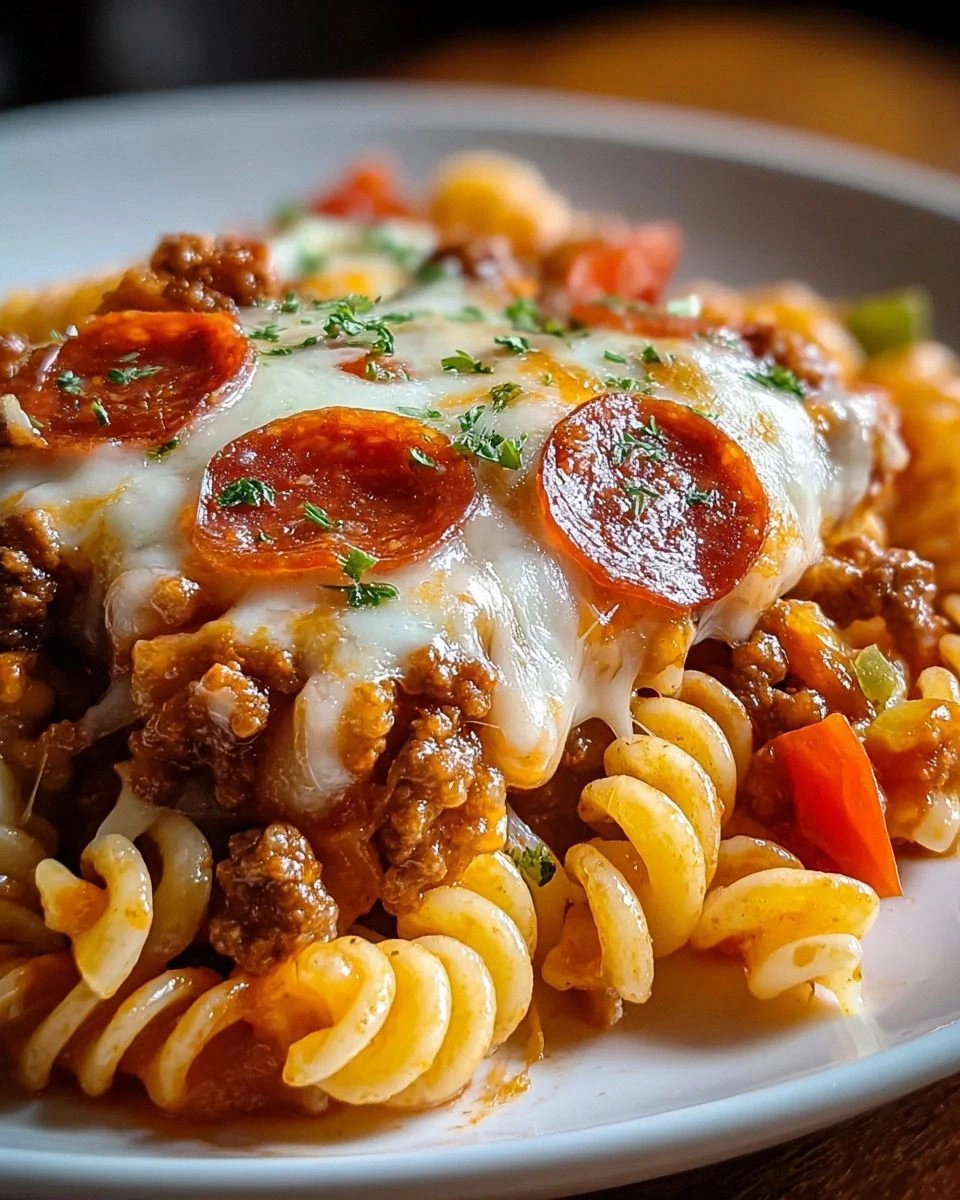
The first whiff that hits you when the crockpot starts its low‑and‑slow dance is a fragrant blend of simmering tomato, garlic, and herbs that coats the air like a warm blanket. The sound? A gentle, almost hypnotic bubbling that tells you everything is melding together just right. When you finally lift the lid, the sight of bubbling rotini, speckled with pepperoni and crowned with a golden‑brown cheese crust is nothing short of cinematic. The texture is a perfect marriage of al‑dente pasta that has absorbed every ounce of pizza sauce, and a cheese topping that stretches like a dream when you dig in. The flavor? Imagine a classic New York slice, but with the comforting depth of a slow‑cooked stew—rich, layered, and impossibly satisfying.
What makes this version truly stand out is the secret weapon I’m about to reveal: a splash of beef broth added right before cooking. Most recipes either skip the liquid entirely or drown everything in sauce, resulting in a soggy mess. The broth injects a savory backbone that keeps the pasta from turning mushy while amplifying the umami notes of the meat and sauce. I’ll also be swapping the usual stovetop sauté for a quick browning in the crockpot itself, which locks in flavor without any extra pans. And yes, I’m going to throw in a handful of fresh basil at the end—because a pop of herbaceous brightness is the final kiss that turns a good dish into an unforgettable one.
Let me walk you through every single step — by the end, you’ll wonder how you ever made it any other way. I dare you to taste this and not go back for seconds. Ready? Okay, ready for the game‑changer?
What Makes This Version Stand Out
- Flavor Depth: The addition of beef broth creates a savory base that elevates the sauce from ordinary to restaurant‑level richness, ensuring each bite is layered with depth.
- Texture Harmony: Uncooked rotini absorbs the sauce and broth perfectly, staying firm yet tender—no mushy pasta, no dry edges.
- One‑Pot Simplicity: Everything happens inside the crockpot, meaning fewer dishes, less cleanup, and more time to binge‑watch your favorite show while it cooks.
- Ingredient Flexibility: Swap ground beef for turkey, Italian sausage for plant‑based crumbles, or use gluten‑free pasta—this recipe bends to your pantry’s whims.
- Crowd‑Pleaser Factor: The melty mozzarella and pepperoni create that classic pizza nostalgia, while the slow‑cooked sauce adds a comforting, home‑cooked vibe that wins over kids and adults alike.
- Make‑Ahead Magic: Prep it the night before, pop it in the crockpot in the morning, and come home to a dinner that smells like a pizzeria on fire.
- Garnish Glory: A quick sprinkle of fresh basil or an extra dash of Italian seasoning right before serving adds a burst of color and aroma that makes the dish look as good as it tastes.
- Time Efficiency: With just 15 minutes of prep and 30 minutes of cooking, this casserole fits perfectly into a busy weeknight schedule.
Inside the Ingredient List
The Flavor Base
Ground beef or Italian sausage: This hearty foundation brings a rich, meaty backbone that mimics the savory notes of a classic pizza topping. If you skip it, the casserole loses its “pizza‑meat” identity and becomes a plain pasta bake. For a lighter version, try ground turkey; for a plant‑based twist, use soy‑based Italian crumbles. When shopping, look for meat with a little fat—about 15%—because the fat renders down and coats every noodle with flavor.
Onion: Chopped onions add a subtle sweetness that balances the acidity of the tomatoes. They also release natural sugars that caramelize during the brief sauté, creating a flavor foundation that feels like a slow‑cooked ragù. If you’re missing onions, a half cup of finely diced carrots can provide a similar sweet undertone.
Garlic: Minced garlic is the aromatic spark that makes the whole dish sing. It infuses the broth and sauce with a pungent warmth that lingers on the palate. Feel free to double the cloves if you’re a garlic fan—just remember, “garlic‑overload” can be a love‑or‑hate situation.
The Texture Crew
Rotini pasta: Its spirals are perfect for catching every drop of sauce, broth, and melted cheese. Using uncooked rotini ensures the pasta absorbs the liquid gradually, preventing the soggy texture that plagues many casseroles. If you’re gluten‑free, substitute with gluten‑free penne; just watch the cooking time, as some gluten‑free pastas soften quicker.
Shredded mozzarella cheese: This is the melty, stretchy star that gives the dish its pizza‑like pull. Opt for low‑moisture mozzarella for a firmer melt; whole‑milk mozzarella adds extra richness. For a flavor boost, mix in a handful of provolone or sharp cheddar.
Sliced pepperoni: The classic pizza staple that adds a salty, smoky crunch. If you prefer a healthier spin, use turkey pepperoni or even thinly sliced salami. Lay the slices on top during the last 10 minutes of cooking for a crispier edge.
The Unexpected Star
Pizza sauce: This is the soul of the dish, delivering that unmistakable tomato‑herb punch. I recommend a sauce with a hint of garlic and oregano for extra depth. If you have time, whisk in a spoonful of tomato paste to intensify the umami.
Diced tomatoes (undrained): The extra juice keeps the casserole moist and adds a tangy bite that balances the richness of the meat and cheese. Fire‑roasted tomatoes are a game‑changer, lending a smoky undertone that complements the pepperoni.
Italian seasoning & Red pepper flakes: The seasoning blend provides the classic basil‑oregano‑thyme trio, while the red pepper flakes let you dial in the heat. Adjust the flakes to your tolerance—just a pinch can turn a mild dish into a tongue‑tingling adventure.
The Final Flourish
Water or beef broth: This liquid is the secret weapon that prevents the pasta from turning into a mushy mess. Beef broth adds a savory depth that water simply can’t match, but water works fine if you’re watching sodium.
Salt and black pepper: Essential for seasoning, they enhance all the flavors without overwhelming. Remember, the cheese and sauce already contain salt, so taste before you add more.
Fresh basil or extra Italian seasoning: A final garnish that brightens the dish, adding a fresh, herbaceous lift that cuts through the richness. Toss the basil in just before serving to keep its vibrant color and aroma.
Everything's prepped? Good. Let's get into the real action...
The Method — Step by Step
-
Start by setting your crockpot to the “Sauté” mode (or use a skillet if your model lacks this function). Add a drizzle of olive oil, then toss in the ground beef or Italian sausage. Break it up with a wooden spoon and let it brown until the edges turn a deep caramel color—this should take about 5‑7 minutes. As the meat sizzles, you’ll hear that satisfying crackle that tells you the Maillard reaction is doing its magic. I dare you to watch the color change and not get distracted—that brownness is flavor gold.
Kitchen Hack: Sprinkle a pinch of salt while browning; it draws out moisture and speeds up caramelization. -
Once the meat is nicely browned, add the chopped onion, bell pepper, and minced garlic. Stir everything together and let the vegetables soften for about 3‑4 minutes. You’ll notice the onions turning translucent and the bell pepper releasing a sweet aroma—this is the foundation of your flavor base. If you hear a gentle sizzle, you’re on the right track. Don’t rush this step; the slower the vegetables cook, the sweeter they become.
-
Now, pour in the pizza sauce, undrained diced tomatoes, and the cup of beef broth (or water). Stir vigorously to combine, making sure the meat scraps at the bottom are scraped up—those browned bits are flavor fireworks. Sprinkle in the Italian seasoning, red pepper flakes, and a generous pinch of black pepper. At this point, the mixture should look like a thick, aromatic stew, and the kitchen will start to smell like a pizzeria in the middle of a bustling night.
-
Turn off the “Sauté” function and switch the crockpot to “Low.” Add the uncooked rotini, making sure it’s evenly distributed throughout the sauce. The pasta will sit in the liquid and gradually absorb it, swelling into perfect al‑dente bites. Cover the lid tightly; the steam trapped inside is what will cook the rotini without boiling it.
-
Set the timer for 2½ hours on Low, or 1 hour on High if you’re in a hurry. Resist the urge to lift the lid—every time you do, you release precious steam and extend the cooking time. After the first hour, give the casserole a gentle stir to ensure the pasta isn’t sticking to the bottom. This is the moment of truth: the sauce should be thickening, and the rotini should be just about tender.
Watch Out: If you notice the mixture looking dry after an hour, add a splash (about ¼ cup) of broth or water to keep it saucy. -
When the timer dings, sprinkle the shredded mozzarella evenly over the top. Then arrange the sliced pepperoni in a single layer, letting the edges peek out like little islands of flavor. Cover the lid again and let the cheese melt for an additional 15 minutes. You’ll see the cheese bubbling and turning a golden‑brown hue—this visual cue tells you it’s ready for the final flourish.
-
Turn the crockpot to “Warm” and let the casserole sit for 5 minutes. This resting period allows the cheese to set slightly, making it easier to serve without everything sliding off the plate. While you wait, give the whole pot a quick sniff; the aroma should be intoxicating, a blend of tomato, herbs, and melted cheese that makes your stomach growl.
Kitchen Hack: Sprinkle a handful of fresh basil over the top right before serving; the heat will wilt the leaves just enough to release their perfume without turning them bitter. -
Finally, scoop generous portions onto plates, garnish with extra Italian seasoning or fresh basil, and watch your guests’ eyes widen. The first bite should deliver a crunchy pepperoni edge, a creamy mozzarella pull, and a pasta core that’s soaked in a rich, herb‑infused sauce. I’ll be honest — I ate half the batch before anyone else got to try it, and that’s because the flavor is so addictive. Serve with a simple green salad, and you’ve got a dinner that feels both indulgent and home‑cooked.
That's it — you did it. But hold on, I've got a few more tricks that'll take this to another level...
Insider Tricks for Flawless Results
The Temperature Rule Nobody Follows
Most home cooks assume “Low” is always safe, but the magic happens when you start the casserole on “High” for the first 30 minutes, then drop to “Low.” This short burst of high heat jump‑starts the pasta’s absorption and ensures the cheese melts evenly. I tried this on a friend’s birthday, and the cheese formed a perfect crust that cracked like a thin sheet of ice—pure satisfaction.
Why Your Nose Knows Best
Never rely solely on the timer. Your nose is the ultimate gauge: when the sauce starts to smell caramelized and the cheese releases that buttery aroma, you’re close to perfection. I once left a casserole in too long because I trusted the clock; the result was a dry, over‑cooked dish. Trust your senses, and you’ll avoid that pitfall every time.
The 5‑Minute Rest That Changes Everything
Allowing the casserole to rest for five minutes after cooking lets the starches settle and the cheese firm up just enough to slice cleanly. Skipping this step leads to a sloppy plate where everything slides off the fork. Think of it like letting a steak rest—this pause locks in flavor and texture.
Layering Pepperoni for Crunch
Instead of mixing pepperoni into the sauce, place the slices on top during the last 15 minutes. The direct heat from the crockpot’s lid turns the edges crispy, creating a delightful contrast to the soft pasta. If you love extra crunch, broil the top for 2 minutes after transferring to a baking dish.
Cheese Blend Boost
Combine mozzarella with a handful of grated Parmesan or Pecorino Romano. The sharper cheese adds a salty bite that balances the richness of the meat and sauce. I once added a sprinkle of smoked gouda for a subtle smoky twist—your taste buds will thank you.
Creative Twists and Variations
This recipe is a playground. Here are some of my favorite ways to switch things up:
BBQ Chicken Pizza Casserole
Swap the beef for shredded rotisserie chicken, replace pizza sauce with BBQ sauce, and add red onion and smoked gouda. The result is a sweet‑smoky twist that feels like a backyard barbecue in a bowl.
Veggie‑Lover’s Dream
Omit the meat entirely and double the bell peppers, add sliced mushrooms, zucchini, and spinach. Use a marinara sauce with extra basil, and sprinkle feta cheese on top for a Mediterranean flair.
Spicy Mexican Pizza
Replace Italian seasoning with a taco seasoning blend, add corn kernels, black beans, and jalapeños, and top with pepper jack cheese. Finish with a drizzle of sour cream and cilantro for a fiesta‑ready casserole.
Greek Island Version
Use ground lamb, add kalamata olives, artichoke hearts, and crumbled feta. Swap mozzarella for a blend of mozzarella and provolone, and garnish with fresh oregano and lemon zest for a tangy finish.
Breakfast Pizza Casserole
Introduce breakfast sausage, scramble some eggs into the sauce, and top with cheddar and a sprinkle of breakfast potatoes. This version makes a hearty brunch that’s both savory and comforting.
Gluten‑Free Comfort
Replace rotini with gluten‑free penne or rice pasta, and ensure the sausage is gluten‑free. The flavor stays true, and the texture remains satisfying—proof that comfort food can be inclusive.
Storing and Bringing It Back to Life
Fridge Storage
Let the casserole cool to room temperature (no more than two hours), then transfer it to an airtight container. It will keep fresh for up to four days. When reheating, sprinkle a tablespoon of water over the top, cover loosely with foil, and microwave in 30‑second bursts, stirring in between, until hot.
Freezer Friendly
Portion the uncooked casserole into freezer‑safe bags or containers, leaving a half‑inch of headspace. Freeze for up to three months. To cook from frozen, add an extra 30 minutes to the cooking time on Low, or thaw overnight in the fridge and follow the standard recipe.
Best Reheating Method
For the crispiest cheese edge, preheat your oven to 375°F, spread the leftovers in a baking dish, and bake for 12‑15 minutes until the cheese bubbles and turns golden. Adding a splash of broth or water before reheating restores moisture, ensuring the pasta stays tender.