Picture this: you’re in the middle of a Sunday brunch, the table is already a riot of colors, and you’re staring at a pile of bland, soggy dumplings that have been left in a pot for an hour. I was there, holding a plate that looked like it had been through a storm. The air smelled faintly of boiled water, the dough was limp, and the filling was a mush of overcooked pork and vegetables that had lost its bite. I stared at the steaming pot, wondering, “How did we end up with this?” That moment sparked a midnight epiphany: why not take the humble rice paper, give it a crisp, and turn that sad dish into a showstopper? The result? Crispy Rice Paper Dumplings that crackle like fresh popcorn, with a filling that sings with umami and a crunch that feels like a secret weapon in your kitchen arsenal.
I’ve been chasing the perfect dumpling for years, and every time I tried to make them, I fell into the same trap—too soggy, too bland, or just plain forgettable. The breakthrough came when I swapped the usual wrapper for rice paper, a thin sheet that turns golden and crunchy when fried just right. The texture shift was immediate: the first bite gave a satisfying snap, followed by a burst of juicy pork, crunchy water chestnuts, and a whisper of ginger that lifted the whole thing. If you’ve ever been disappointed by a dumpling that feels like a soggy pastry, this is the antidote you’ve been waiting for.
What makes this version stand out isn’t just the crunch. It’s the harmony of flavors, the balance between the savory, the sweet, and the subtle heat. I’m talking about a filling that’s not just a mix of ground pork and veggies, but a carefully orchestrated blend of textures that dance together. The rice paper wrapper, thin and translucent, turns into a crisp shell that holds the filling without compromising the bite. The result is a dumpling that feels like a pocket of comfort and excitement rolled into one. I dare you to taste this and not go back for seconds. Trust me, you’ll be tempted to keep a second batch in the oven.
I’ll be honest—when I first made these, I ate half the batch before anyone else got a chance. The aroma of sizzling oil, the crackle as the wrappers hit the pan, the smell of soy and sesame—it was intoxicating. Most recipes get this completely wrong, either by overfrying the wrappers or underseasoning the filling. Here’s what actually works: a quick fry to get that crisp, a balanced seasoning that doesn’t overpower the subtle flavors of the rice paper, and a filling that stays moist and flavorful. Picture yourself pulling this out of the oven, the whole kitchen smelling incredible, and your friends asking for the recipe. That’s the power of a well‑crafted dumpling.
Okay, ready for the game‑changer? This next part will walk you through every single step—by the end, you’ll wonder how you ever made it any other way. From selecting the perfect rice paper to mastering the frying technique that locks in the crunch, I’ve broken it down into bite‑size steps that even a beginner can follow. And yes, I’ll sprinkle in some of my favorite hacks that have saved me from countless kitchen mishaps. Let’s get started.
What Makes This Version Stand Out
- Texture: The rice paper wrapper transforms from a translucent sheet into a crisp, almost flaky shell that cracks like thin ice, delivering a satisfying crunch with every bite.
- Flavor: A savory blend of ground pork, water chestnuts, carrots, ginger, and garlic creates a filling that balances umami, sweetness, and a hint of spice without overwhelming the delicate wrapper.
- Ease: No need for a steaming basket or a complex assembly line—just a quick fry in a skillet, and you’re done.
- Make‑ahead: The filling can be prepared a day ahead and chilled, and the dumplings can be assembled and frozen before frying, making it a perfect weeknight win.
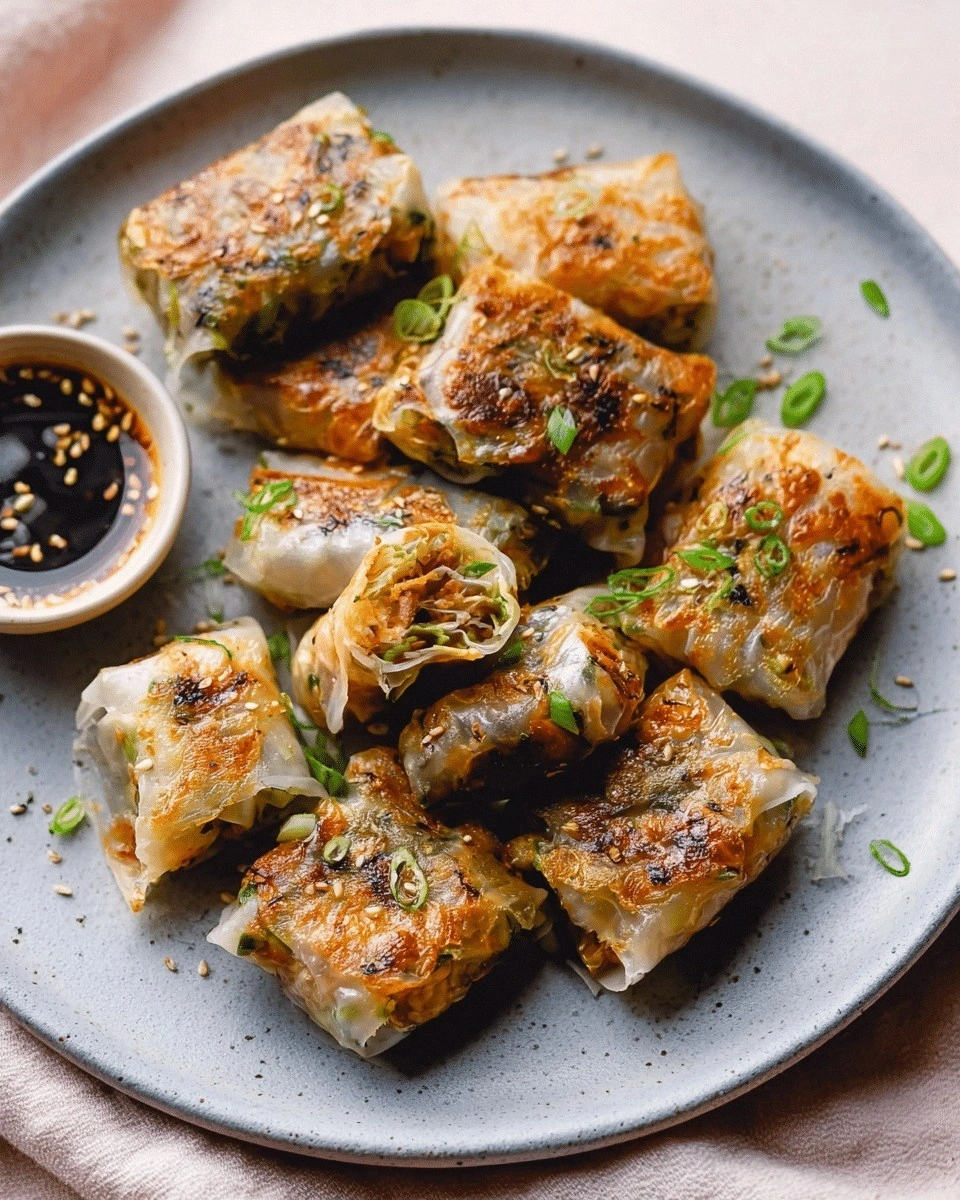
- Visual Appeal: The golden, glossy finish of the wrappers, speckled with sesame seeds, looks as good as it tastes—ideal for impressing guests or posting on social media.
- Versatility: Swap out pork for chicken, shrimp, or tofu, and you’ve got a new flavor profile for every palate.
- Health‑Friendly: Using rice paper reduces the carbohydrate load compared to wheat wrappers, and the quick-fry method keeps the dish lean.
- Ingredient Quality: Fresh, high‑quality ingredients shine through, making the difference between a good dumpling and an unforgettable one.
Alright, let's break down exactly what goes into this masterpiece…
Inside the Ingredient List
The Flavor Base
The foundation of the filling starts with 1 cup of ground pork, seasoned with 2 tablespoons of soy sauce, 1 tablespoon of sesame oil, 1 tablespoon of minced ginger, and 1 tablespoon of minced garlic. This trio of aromatics infuses the pork with depth, turning a simple protein into a savory powerhouse. If you’re a fan of a slightly sweeter profile, a pinch of brown sugar can be added to balance the umami. Skipping the soy sauce will leave the filling bland, so make sure you have it on hand.
The Texture Crew
Half a cup of diced water chestnuts and half a cup of shredded carrots bring the crunch and color that contrast beautifully with the soft pork. Water chestnuts offer a satisfying snap that echoes the crisp wrapper, while carrots add a subtle sweetness that lifts the overall flavor. If you can’t find water chestnuts, diced jicama is a great substitute, offering the same crisp bite.
The Unexpected Star
Two scallions, finely chopped, provide a fresh, bright note that cuts through the richness of the pork. A tablespoon of toasted sesame seeds adds nutty undertones and a slight crunch on top of the dumpling. This final touch elevates the dish from ordinary to extraordinary. If you’re a sesame lover, feel free to increase the amount; if you’re wary of allergens, simply omit them.
The Final Flourish
A teaspoon of salt and half a teaspoon of black pepper balance the seasoning, while a tablespoon of cornstarch binds the filling and prevents it from falling apart during frying. One beaten egg adds a silky texture and helps the filling cling together. Lastly, a cup of vegetable oil is essential for achieving that coveted golden crisp. If you prefer a lighter option, a high-smoke-point oil like avocado or grapeseed works wonders.
Everything's prepped? Good. Let's get into the real action…
The Method — Step by Step
- Prepare the Filling: In a large bowl, combine the ground pork, soy sauce, sesame oil, ginger, garlic, salt, pepper, cornstarch, and beaten egg. Mix thoroughly until the mixture is cohesive and slightly sticky. Add the diced water chestnuts, shredded carrots, and chopped scallions, folding them gently to keep the texture intact. Cover and refrigerate for at least 30 minutes to allow the flavors to meld.
- Prep the Rice Paper: Fill a shallow dish with warm water. Dip one rice paper sheet for about 3–4 seconds, just until it softens but remains pliable. Lay it flat on a clean, dry towel. Repeat with all sheets, keeping them covered to prevent drying.
- Assemble the Dumplings: Place a heaping teaspoon of the filling onto the center of a softened rice paper sheet. Sprinkle a pinch of toasted sesame seeds on top. Fold the sheet in half, then bring the two corners together, sealing the edges with a dab of water to keep them glued. Repeat until all filling and wrappers are used.
- Heat the Oil: In a large non‑stick skillet, pour 1 cup of vegetable oil. Heat over medium heat until the oil reaches 350°F (175°C). You can test the temperature by dropping a small piece of wrapper into the oil; it should sizzle immediately.
- Fry the Dumplings: Carefully place 4–5 dumplings in the hot oil, ensuring they don’t touch. Fry for 2–3 minutes on each side, or until the wrappers turn a deep golden brown and the filling is heated through. Flip with a slotted spoon to avoid breaking the delicate wrapper.
- Drain and Serve: Remove the dumplings with a slotted spoon and place them on paper towels to drain excess oil. Serve hot with a dipping sauce of soy sauce, rice vinegar, and a touch of chili oil for an extra kick.
- Optional Finish: For an extra crunch, toss the fried dumplings in a small pan with a tablespoon of sesame oil and a sprinkle of toasted sesame seeds for 30 seconds, just until fragrant.
That's it — you did it. But hold on, I've got a few more tricks that'll take this to another level. These insider tips will help you perfect the crunch, balance the flavors, and ensure every batch turns out flawless.
Insider Tricks for Flawless Results
The Temperature Rule Nobody Follows
Maintaining a steady 350°F (175°C) is critical. Too hot, and the wrappers will burn; too cool, and they’ll absorb oil and become soggy. Use a thermometer or test with a small piece of wrapper. If the oil starts to smoke, lower the heat immediately.
Why Your Nose Knows Best
Before you start frying, take a deep breath of the oil. A faint, nutty aroma indicates the oil is at the right temperature. If you smell a sharp, acrid scent, the oil is too hot and will ruin the crunch.
The 5-Minute Rest That Changes Everything
After assembling the dumplings, let them rest for 5 minutes. This allows the fillings to set slightly, reducing the chance of the wrapper tearing during frying. It also lets the rice paper absorb a little moisture, which helps the wrapper crisp up better.
Use a Non‑Stick Skillet
A high‑quality non‑stick skillet ensures the dumplings slide in and out without sticking. If you’re using a cast‑iron pan, make sure it’s well‑seasoned to prevent the wrappers from clinging.
The Right Oil Choice
Vegetable oil is standard, but for a higher smoke point, try avocado oil or refined peanut oil. These oils allow you to fry at the ideal temperature without breaking down.
The Quick Toss
After frying, toss the dumplings in a small pan with a splash of sesame oil and toasted seeds. This step adds an extra layer of crunch and flavor, and it’s a trick that turns a good dumpling into a memorable one.
Creative Twists and Variations
This recipe is a playground. Here are some of my favorite ways to switch things up:
Shrimp and Lemongrass Delight
Swap the pork for minced shrimp and add finely sliced lemongrass. The citrusy aroma pairs beautifully with the crispy wrapper, creating a fresh, tropical twist.
Spicy Kimchi Surprise
Incorporate chopped kimchi into the filling and add a dash of gochujang for heat. The fermented flavors elevate the dish, turning it into a Korean‑inspired snack.
Veggie‑Only Crunch
For a vegetarian version, use finely chopped mushrooms, bell pepper, and tofu. Season with soy sauce, sesame oil, and a touch of maple syrup for sweetness.
Sweet and Salty Caramelized Apple
Add diced apples, a sprinkle of cinnamon, and a splash of honey to the filling. The caramelized apple brings a sweet contrast to the savory wrapper.
Cheesy Mac & Cheese Dumplings
Combine shredded cheddar and mozzarella with a bit of cream cheese for a creamy, indulgent filling. The cheese melts into the wrapper, creating a gooey, savory bite.
Herbal Chicken Fusion
Use ground chicken, chopped cilantro, mint, and a squeeze of lime juice. The herbs add brightness and the lime provides a zesty finish.
Storing and Bringing It Back to Life
Fridge Storage
Store uncooked dumplings in an airtight container in the refrigerator for up to 48 hours. The wrappers will stay pliable, and the filling will remain fresh. When ready to fry, let them sit at room temperature for 10 minutes to avoid a sudden temperature shock.
Freezer Friendly
Place assembled dumplings on a parchment‑lined tray and freeze until solid. Then transfer to a zip‑top freezer bag. They can be frozen for up to 3 months. Fry directly from the freezer; just add an extra minute per side to ensure they cook through.
Best Reheating Method
To reheat, lightly drizzle a teaspoon of oil in a skillet and heat over medium. Add the dumplings and fry for 2–3 minutes on each side. For extra crispness, finish with a quick toss in sesame oil and toasted seeds. Add a tiny splash of water before reheating to steam back to perfection, keeping the wrappers crispy.