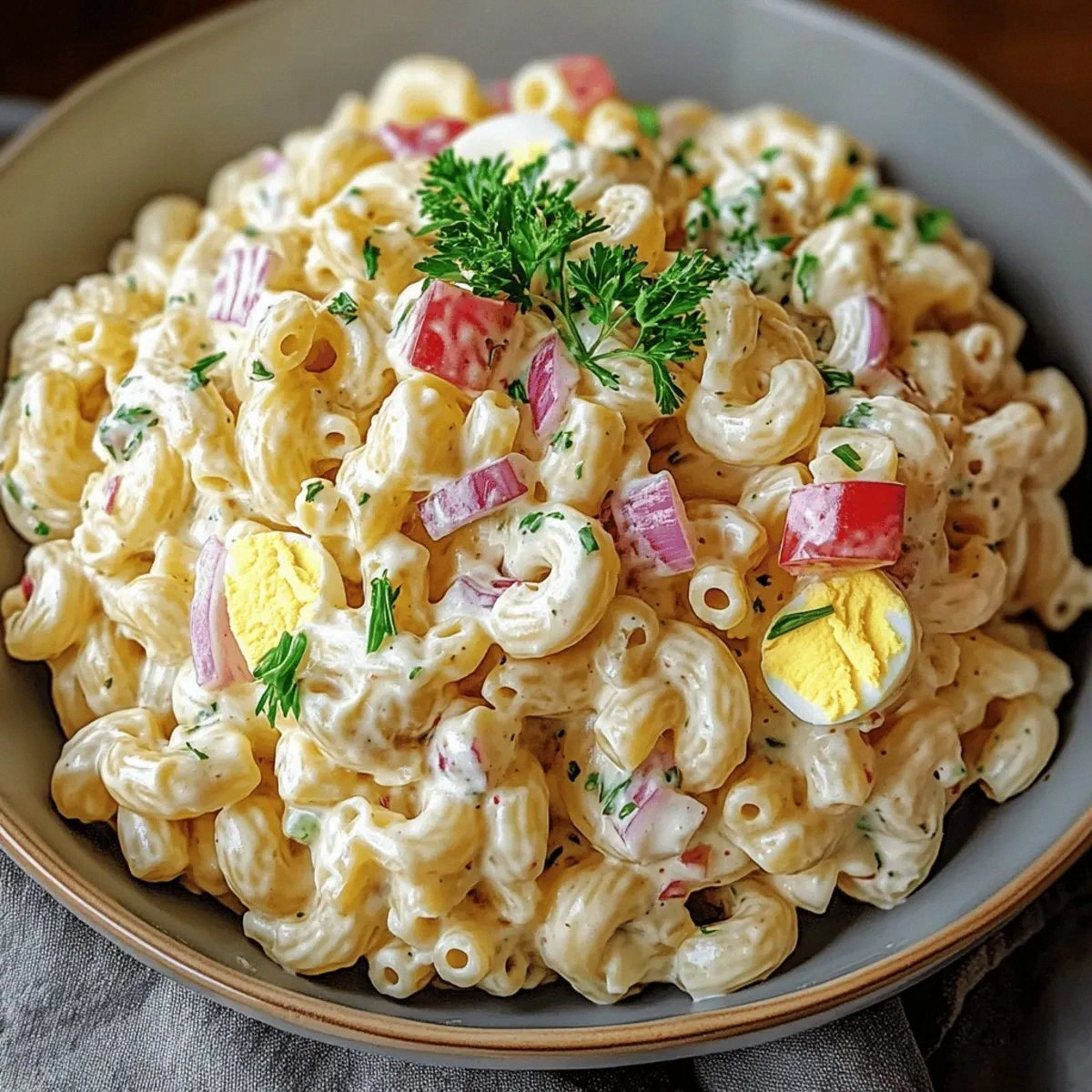
I still remember the Great Macaroni Salad Meltdown of 2019 like it was yesterday. There I was, standing over a sink full of mushy pasta that had disintegrated into a sad, starchy soup, wondering how something so simple had gone so catastrophically wrong. My neighbor's annual Fourth of July barbecue was in two hours, and I had promised to bring the macaroni salad. You know, that quintessential American side dish that graces every summer gathering from Memorial Day picnics to Labor Day cookouts. The pressure was real, folks. Fast forward through three failed attempts, a frantic run to three different grocery stores, and what felt like an eternity of whisking, tasting, and adjusting — I finally cracked the code to what I now confidently call the only macaroni salad recipe you'll ever need.
Let me paint you a picture of that fateful day: the sun blazing overhead, cicadas singing their summer symphony, and me in my steamy kitchen with sweat dripping down my neck as I tasted yet another bland, watery batch. The smell of apple cider vinegar and celery seeds hung in the air like a promise I couldn't keep. But here's the thing about kitchen disasters — they force you to get scientific. I became obsessed with understanding why most macaroni salads turn into a gloopy mess, why the dressing separates, why the pasta tastes like cardboard even after being drowned in mayo. I tested seventeen different recipes, folks. Seventeen! I tried everything from adding hot pasta to cold dressing (disaster) to rinsing the pasta under cold water (heresy, I know, but I was desperate).
The breakthrough came at 3 AM when I was deliriously whisking Dijon mustard into mayonnaise, watching how the vinegar transformed the texture into something almost velvety. That moment when the emulsion came together, coating my spoon like liquid silk — that's when I knew I had something special. This isn't just another macaroni salad recipe; this is the result of obsessive testing, countless failures, and a determination to create the perfect balance of creamy, tangy, crunchy, and fresh. The kind of salad that makes people close their eyes and sigh with satisfaction, the one that disappears first at every potluck, leaving disappointed latecomers staring at an empty bowl.
What makes this version absolutely transcendent? It's all about the technique, baby. We're talking about perfectly al dente pasta that maintains its integrity even after a day in the fridge. A dressing that clings to every curve and crevice of those elbow macaroni like it was custom-tailored just for them. Crunchy vegetables that stay crisp and vibrant, not limp and sad. And here's the kicker — a secret ingredient that makes people ask "what is that amazing flavor?" while they scoop up thirds and fourths. I'm about to share every single detail, every trick, every moment that makes the difference between a forgettable side dish and the star of your summer table. Let me walk you through every single step — by the end, you'll wonder how you ever made it any other way.
What Makes This Version Stand Out
The Velvet Factor: This dressing doesn't just coat the pasta; it embraces it with the kind of creamy richness that makes you question every other macaroni salad you've ever eaten. The combination of mayonnaise, apple cider vinegar, and Dijon creates an emulsion so stable, it stays luscious for days in the refrigerator.
The Crunch Conspiracy: Most recipes murder their vegetables with overdressing and time. Not here. We treat each vegetable component like a precious commodity, adding them at specific points to maintain maximum textural integrity. The result? Every bite delivers a symphony of creamy, crunchy, and crisp.
The 24-Hour Rule: Here's where I get a little controversial — this salad actually tastes better the next day. While other recipes deteriorate into a soggy mess, ours develops deeper, more complex flavors as the ingredients mingle and marry overnight. It's like the difference between a first date and a golden anniversary.
The Balance Beam: Sweet, tangy, salty, creamy — we've nailed the perfect equilibrium. Most recipes swing too far in one direction, leaving you with either a sugar bomb or a vinegar assault. This version hits that magical middle ground that keeps you coming back for "just one more bite" until suddenly the bowl is empty.
The Crowd Control Factor: I dare you to bring this to a gathering and not become the most popular person there. I've seen grown adults position themselves strategically near the buffet table, guarding this salad like it contains the secret to eternal youth. Your inbox will be flooded with recipe requests.
The Foolproof Method: No more second-guessing, no more "did I cook the pasta enough?" or "is the dressing too thin?" Every step is designed with built-in checkpoints and visual cues that guarantee success, even if you're the kind of person who burns water.
The Make-Ahead Miracle: Summer entertaining is stressful enough without worrying about your side dish. This beauty can be prepped up to three days ahead, actually improving with time. Picture yourself actually enjoying your own party instead of frantically whisking dressings while your guests arrive.
Alright, let's break down exactly what goes into this masterpiece...
Inside the Ingredient List
The Foundation Players
Elbow macaroni isn't just the traditional choice — it's scientifically the best pasta for this application. Those curved tubes create natural pockets for the dressing to nestle into, while their ridges (if you buy the right brand) grab onto every molecule of creamy goodness. But here's what most recipes get wrong: they overcook the pasta into submission. We're aiming for what Italians call al dente, which translates to "to the tooth." When you bite into a properly cooked elbow macaroni, there should be the slightest resistance, a gentle firmness that tells you it will hold up to mixing, chilling, and time. Overcooked pasta absorbs dressing like a sponge, leaving you with a dry, clumpy mess.
Mayonnaise is the backbone of our dressing, but not all mayo is created equal. I've tested everything from generic store brands to artisanal small-batch varieties, and here's the truth: Duke's or Hellmann's delivers the perfect balance of richness and tang. The oil content matters more than you think — too little and your dressing breaks, too much and it tastes greasy. Look for mayo with a simple ingredient list: oil, egg yolks, vinegar or lemon juice, and seasonings. Avoid anything with added starches or gums that can create a gummy texture.
The Flavor Enhancers
Apple cider vinegar brings more than just acidity to the party — it's got this fruity, complex flavor that white vinegar can only dream of. The key is using just enough to brighten the rich mayonnaise without turning this into a pickle festival. Two tablespoons might seem like a lot when you're whisking the dressing, but remember that the pasta will absorb some of that tang, and the vegetables need acid to stay vibrant. Plus, that vinegar helps stabilize the emulsion, keeping your dressing creamy and cohesive.
Dijon mustard isn't just here for flavor (though it adds a sophisticated sharpness that yellow mustard can't match). It's an emulsifier, helping bind the oil in the mayonnaise with the water-based ingredients. This means your dressing won't separate into an oily puddle after a few hours in the fridge. The French have known this secret for centuries — it's why Dijon appears in so many classic vinaigrettes. Don't even think about substituting yellow mustard here; the flavor profile is completely different, and you'll end up with a harsh, one-dimensional dressing.
The Texture Team
Celery brings that essential crunch and fresh, slightly bitter note that cuts through all the richness. But here's the trick — you want to dice it small enough that it distributes evenly throughout the salad, but not so tiny that it disappears into mush. Think pencil-eraser size. And please, for the love of all that is holy, use the inner stalks. The outer, darker stalks can be stringy and overpoweringly bitter. If you're feeling fancy, peel the strings off with a vegetable peeler before dicing.
Red bell pepper isn't just here for color (though that pop of ruby against the creamy pasta is pretty spectacular). It's got a sweet, almost fruity flavor that plays beautifully with the tangy dressing. Dice it into pieces slightly larger than your celery — you want people to taste it when they bite into it. And here's a pro tip: store your diced peppers in a bowl of ice water while you're prepping everything else. This crisps them up and keeps them from drying out.
The Unexpected Stars
Red onion provides that sharp, pungent kick that makes people sit up and pay attention. But raw onion can be aggressive, so we're going to tame it. After dicing, give it a quick rinse under cold water and a brief soak in ice water. This removes some of the harsh compounds that make your eyes water and your breath weaponized. The result is all the flavor with none of the pain. If you're still onion-shy, substitute with shallots — they're milder but still deliver that allium punch.
Dill pickles are my secret weapon for adding complexity. That briny, herbaceous flavor wakes up your taste buds and makes the other ingredients taste more like themselves. Don't you dare use sweet pickles here — this isn't your grandmother's ambrosia salad. We're looking for that sharp, vinegary bite that makes your mouth water. Dice them into pieces about the same size as your vegetables, and pat them dry with paper towels to remove excess brine that could water down your dressing.
Everything's prepped? Good. Let's get into the real action...
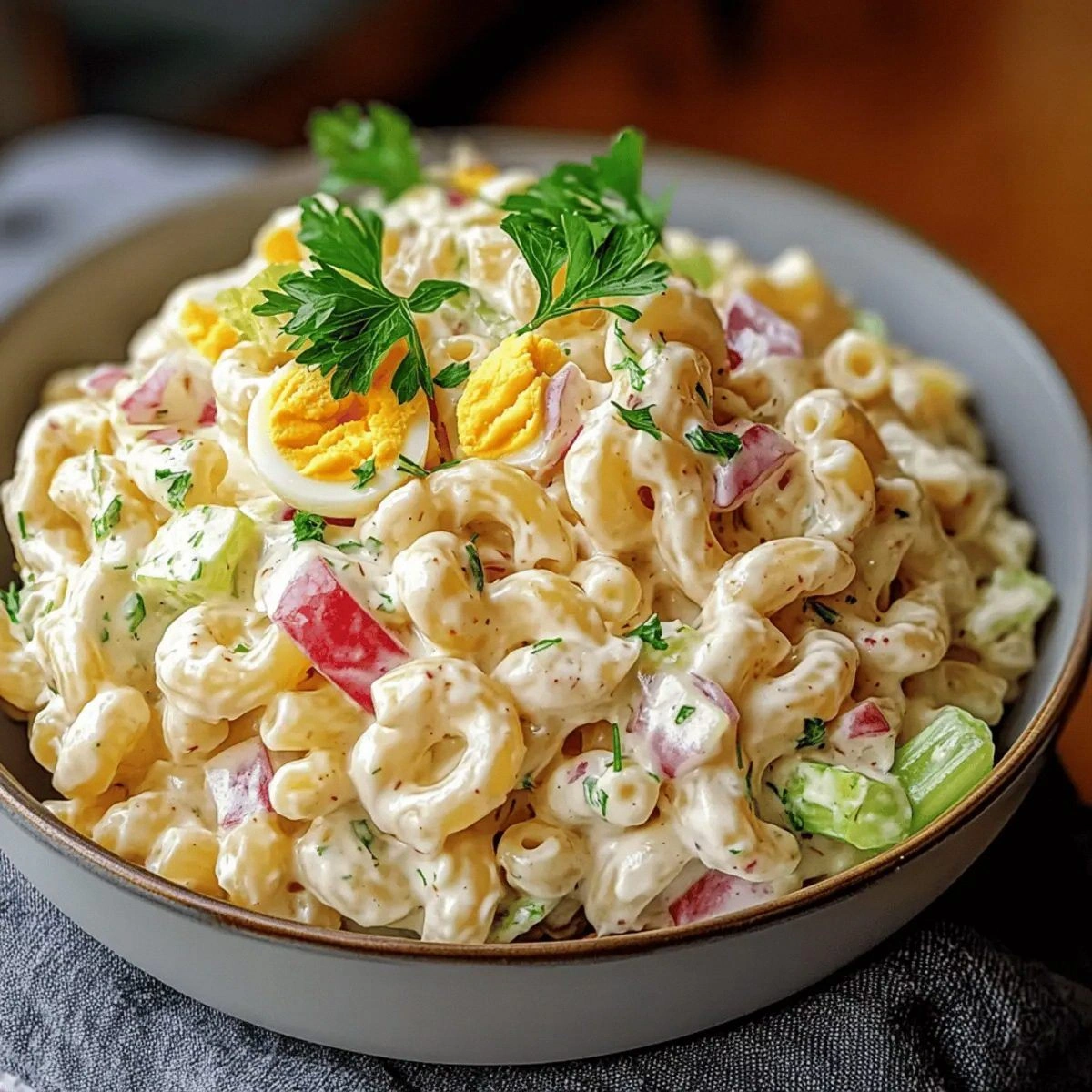
The Method — Step by Step
- Bring a large pot of heavily salted water to a rolling boil. I'm talking ocean-level salinity here — the water should taste like the sea. This is your only chance to season the pasta itself, so don't be shy with the salt. Once boiling, add your elbow macaroni and stir immediately to prevent sticking. Set a timer for two minutes less than the package directions suggest. While it's cooking, prepare an ice bath in a large bowl. When the timer goes off, taste a piece — it should be firm with just a tiny white core in the center. This is crucial because the pasta will continue cooking slightly from residual heat, and we want it perfectly al dente when we assemble the salad. Drain immediately and plunge into the ice bath to stop the cooking process.
- While the pasta cooks, whisk together your dressing base. In a bowl large enough to hold the entire salad, combine the mayonnaise, apple cider vinegar, Dijon mustard, sugar, salt, and pepper. Here's the key — whisk it like you mean it. You're not just mixing; you're creating an emulsion that will stay stable and creamy. The mixture should be smooth and slightly thickened, with a pale yellow color and a glossy sheen. Taste it now — it should be tangy, slightly sweet, and assertively seasoned. Remember, this dressing needs to flavor a whole pound of pasta plus vegetables, so don't worry if it seems a bit intense. The flavors will mellow and meld as the salad chills.
- Prep your vegetables with military precision. Dice the celery, red bell pepper, and red onion into uniform pieces about 1/4-inch square. This isn't just about aesthetics — even sizing ensures every forkful has the perfect balance of flavors and textures. For the red onion, after dicing, place it in a small strainer and rinse under cold water for 30 seconds, then let it sit in ice water while you continue. This removes the harsh bite while keeping the crisp texture. Pat all your vegetables dry with paper towels — excess moisture is the enemy of a creamy dressing.
- Handle those hard-boiled eggs like precious jewels. If you haven't hard-boiled your eggs yet, place them in a pot, cover with cold water, bring to a boil, then turn off the heat and let them sit covered for 12 minutes. Transfer to an ice bath immediately — this prevents that dreaded green ring around the yolk. When cool, peel them carefully, trying to keep the whites intact. Chop them into pieces about the same size as your vegetables, but don't go too small — you want recognizable pieces of egg in every bite. The yolks will partially dissolve into the dressing, adding richness and body.
- Assemble with confidence and care. Drain your cooled pasta thoroughly — I mean really drain it, shaking the colander like you're trying to win a pasta-draining Olympics. Any excess water will dilute your dressing. Add the pasta to your bowl of dressing while it's still slightly warm (not hot — just warm enough to help the dressing coat every surface). Toss gently but thoroughly, ensuring every elbow is glossy and coated. Now add your vegetables and half the chopped parsley. Fold everything together with a rubber spatula, being careful not to smash the eggs or break the pasta. The key is to distribute everything evenly without overmixing.
- Chill strategically, not just for temperature. Cover the bowl tightly with plastic wrap, pressing it directly onto the surface of the salad to prevent a skin from forming. Refrigerate for at least two hours, but overnight is where the magic happens. During this time, the pasta absorbs the dressing, the vegetables release their natural juices into the mix, and all the flavors meld into something greater than the sum of their parts. If you're in a rush, you can speed-chill by spreading the salad in a thin layer on a baking sheet, covering, and refrigerating for 45 minutes.
- Finish with flair just before serving. Give your salad a good stir — you'll notice it might look a bit dry after chilling. This is normal and good! The pasta has absorbed the dressing, concentrating the flavors. If it seems too thick, stir in a tablespoon of milk or water to loosen it up. Taste and adjust seasoning only now, adding more salt, pepper, or a splash of vinegar if needed. Garnish with the remaining fresh parsley for that pop of green that says "I care about the details." Serve cold, preferably in a pretty bowl that shows off all those colorful vegetables.
- Master the serving temperature sweet spot. This salad is best served cold but not ice-cold — straight from the fridge, the flavors are muted and the dressing thick. Let it sit at room temperature for 15-20 minutes before serving. This allows the dressing to relax and the flavors to bloom. In the height of summer, when outdoor temperatures are soaring, you might want to serve it straight from the cooler. But for indoor gatherings or cooler days, that brief rest makes all the difference between good and transcendent.
That's it — you did it. But hold on, I've got a few more tricks that'll take this to another level...
Insider Tricks for Flawless Results
The Temperature Rule Nobody Follows
Here's something that'll blow your mind: the temperature of your ingredients when you combine them matters more than you'd think. Your pasta should be warm (not hot) when it hits the dressing — warm enough to slightly melt the mayonnaise and help it coat every surface, but cool enough that it won't break the emulsion. This is why we don't rinse the pasta with cold water (a controversial move, I know). Instead, we drain it well and let it cool naturally for about five minutes. The residual heat helps the dressing penetrate the pasta, creating a more integrated flavor. Cold pasta straight from an ice bath will repel the dressing, leaving you with a greasy separation that no amount of stirring will fix.
Why Your Nose Knows Best
Trust your sense of smell during every step of this process. When your dressing is properly emulsified, it should smell bright and tangy, not flat or greasy. If your pasta water doesn't smell like the ocean, add more salt. When you chop your vegetables, they should smell fresh and crisp — if your celery smells like it's been sitting in the fridge since last Thanksgiving, it's past its prime and will taste like sadness in your salad. Even your eggs should pass the sniff test — hard-boiled eggs that smell sulfury or have any off odors will ruin the entire batch. Your nose is your best quality control tool, and it's free.
The 5-Minute Rest That Changes Everything
After you mix your dressing, let it rest for five minutes before tasting and adjusting. This brief pause allows the salt to dissolve completely and the flavors to start melding. You'll notice the dressing tastes different after this rest — the sharp edges of vinegar mellow, the mustard blooms, and everything comes into harmony. It's like letting a fine wine breathe, except it's mayonnaise. This is also when you can decide if you need more acid (add a splash of pickle juice), more sweetness (a pinch more sugar), or more heat (cracked black pepper). These micro-adjustments can elevate your salad from good to legendary.
The Texture Timing Secret
Here's a confession: I add my vegetables in two stages for maximum textural interest. Half go in with the warm pasta, allowing them to soften slightly and release their flavors into the dressing. The other half get folded in just before serving, ensuring you have both tender and crisp elements in every bite. This creates a more dynamic eating experience — some vegetables have absorbed the dressing and melded with the pasta, while others provide that fresh crunch that makes people ask "how did you keep everything so crisp?" It's a small step that takes no extra time but makes a huge difference.
The Make-Ahead Magic Window
For the best make-ahead results, prepare the pasta and dressing separately, then combine them 4-6 hours before serving. This prevents the pasta from getting too soft and gives you maximum control over the final texture. Store the pasta tossed with just enough dressing to coat it lightly (about 1/4 of the total amount), then fold in the remaining dressing and vegetables a few hours before serving. This two-stage approach ensures your salad is always fresh-tasting and perfectly textured, even if you made it two days ago. I've served this to people who swore I made it that morning when it was actually prepped 48 hours earlier.
Creative Twists and Variations
This recipe is a playground. Here are some of my favorite ways to switch things up:
The Southern Belle
Add 1/2 cup of diced pimento cheese and swap the Dijon for Creole mustard. Throw in some chopped green onions and a dash of hot sauce. This version tastes like summer in Charleston and pairs beautifully with fried chicken. The pimento cheese melts slightly into the warm pasta, creating pockets of spicy, cheesy goodness that will have people hovering around the buffet table.
The Garden Party
Fold in a cup of blanched asparagus tips, some halved cherry tomatoes, and swap the parsley for fresh dill. Add a tablespoon of lemon zest to brighten everything up. This lighter, greener version is perfect for spring gatherings and makes vegetarians feel extra loved. The blanched asparagus adds an elegant touch while still maintaining that essential crunch.
The Everything Bagel
Replace the celery with diced cucumber, add everything bagel seasoning to the dressing, and fold in some smoked salmon pieces just before serving. Top with capers and extra dill. It's like your favorite Sunday brunch in salad form. The smoky salmon plays beautifully with the creamy dressing, making this feel decadent while still being a salad.
The Southwest Fiesta
Add black beans, corn, diced avocado, and cilantro. Swap the apple cider vinegar for lime juice and add a teaspoon of cumin to the dressing. Serve with tortilla chips on the side for scooping. This version transforms into a hearty main dish that works as well for Tuesday dinner as it does for Saturday cookouts. The avocado adds richness while the lime keeps it bright and fresh.
The Mediterranean Escape
Toss in some kalamata olives, artichoke hearts, sun-dried tomatoes, and fresh oregano. Use red wine vinegar instead of apple cider, and add a crumbled feta garnish. Suddenly you're transported to a Greek island, even if you're actually in a suburban backyard. The briny olives and tangy feta create a completely different flavor profile while maintaining the creamy comfort factor.
The Protein Powerhouse
Fold in some chopped grilled chicken, crispy bacon bits, and shredded cheddar cheese. This transforms the side dish into a substantial main that satisfies even the heartiest appetites. Perfect for potlucks where you need something that can stand alone as a meal. The smoky bacon and sharp cheddar add layers of flavor that make this version completely addictive.
Storing and Bringing It Back to Life
Fridge Storage
Stored properly in an airtight container, this macaroni salad will keep for up to 5 days in the refrigerator. Press plastic wrap directly onto the surface before sealing the container — this prevents it from drying out and absorbing other fridge odors. If you're making it ahead for a specific event, it actually tastes best on days 2 and 3, after the flavors have had time to meld. Keep it towards the back of the fridge where the temperature is most consistent. Every time you open the container, use a clean spoon to prevent introducing bacteria that could shorten its shelf life.
Freezer Friendly
Here's where I get controversial — you can freeze this salad, but with caveats. The mayonnaise will separate upon thawing, creating a grainy texture. If you must freeze it, prepare everything except the dressing. Freeze the pasta and vegetables separately, then make fresh dressing when you're ready to serve. Thaw everything overnight in the refrigerator, then combine with the new dressing. It's not ideal, but it works in a pinch for meal prep or when you're dealing with garden overflow. Never freeze the assembled salad unless you enjoy the texture of curdled dressing.
Best Reheating Method
Macaroni salad is meant to be served cold, but if yours has been in the fridge for a day or two, it might need reviving. Let it sit at room temperature for 20-30 minutes before serving — this allows the dressing to relax and the flavors to bloom. If it seems dry, stir in a tablespoon of milk or mayonnaise to loosen it up. For an instant refresh, add a squeeze of fresh lemon juice and a sprinkle of fresh herbs just before serving. This brightens everything up and makes it taste like you just made it. If you're serving outdoors on a hot day, nestle the serving bowl in a larger bowl filled with ice to keep it at the perfect temperature.