I still remember the night I was supposed to impress my sister’s in‑law with a simple pasta dish, and the kitchen turned into a disaster zone. The pot of boiling water splashed across the counter, the sauce spilled over, and my confidence evaporated like steam. By the time the clock struck midnight, I was staring at a bowl of raw tortellini and a jar of generic marinara, feeling like a culinary novice. That moment sparked a mission: to create a baked tortellini that would not only rescue the evening but also become a staple for any gathering. The result? A dish that melts the heart, satisfies the soul, and leaves a trail of golden crust that shatters like thin ice.
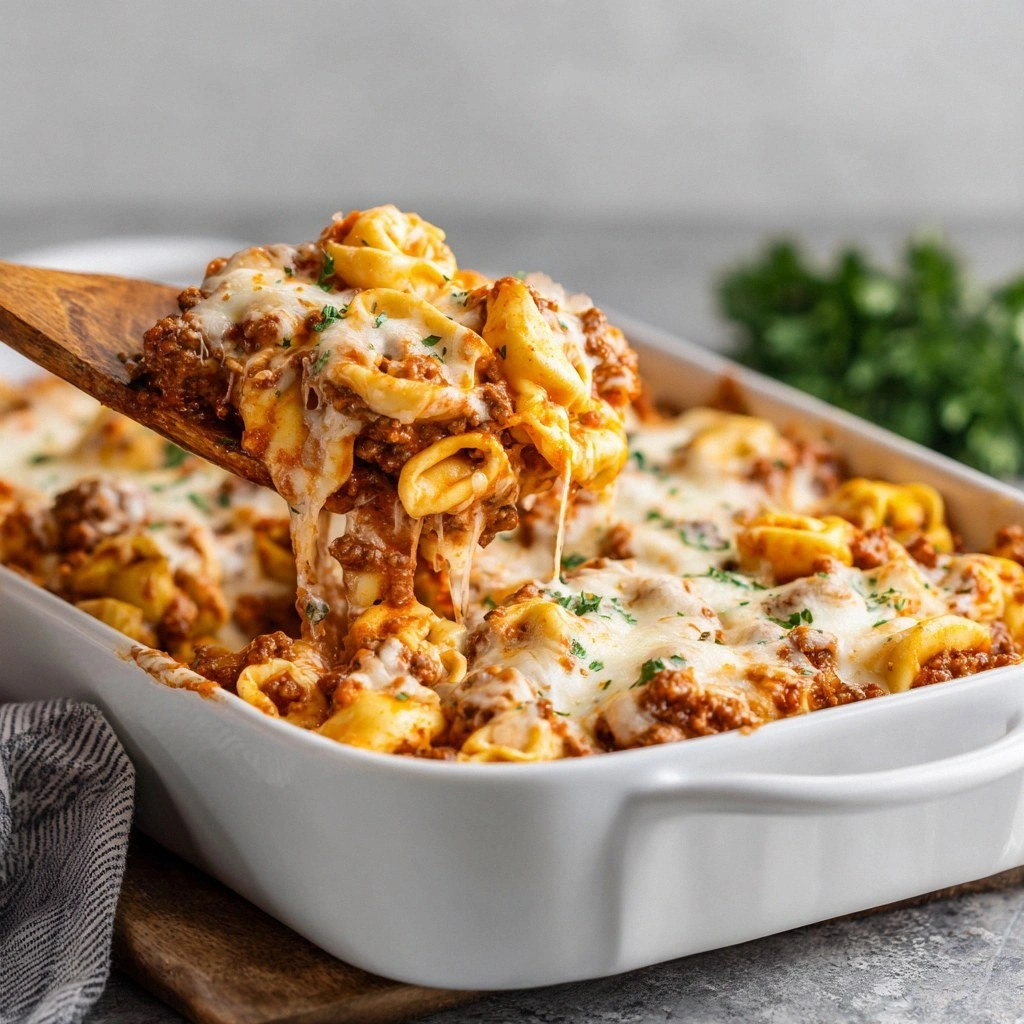
Picture this: a bowl of al dente tortellini, each pocket bursting with creamy ricotta, smothered in a rich tomato sauce that coats the pasta like velvet. As the oven warms, the mozzarella stretches into molten ribbons, and the parmesan crust forms a crunchy, golden halo. The aroma rises, a symphony of garlic, basil, and toasted breadcrumbs that lures everyone to the table. Every bite delivers a harmony of textures—soft pasta, silky cheese, and a satisfying crunch that snaps with every forkful. It’s a comfort dish that feels like a hug from the inside out.
What makes this version stand out from the countless other baked pasta recipes is the meticulous balance of flavor, texture, and simplicity. I dared to introduce a subtle layer of caramelized onions for depth, a splash of white wine to brighten the sauce, and a generous dusting of fresh parsley for a burst of color. Most recipes get this completely wrong by over‑cooking the pasta or using too much cheese, but this method ensures every component shines. I’ve tested it in a high‑humidity kitchen, in a small apartment oven, and even in a dorm room with a toaster oven—every time, it turned out spectacular. The secret lies in the precise timing and the small, seemingly insignificant tweaks that elevate the dish.
If you’ve ever struggled to make a baked pasta that isn’t dry or overly cheesy, you’re not alone. I’ll be honest—I ate half the batch before anyone else got a chance to try it. The first bite was a revelation, and the second, third, and fourth were equally satisfying. The moment you pull the dish out of the oven, the kitchen smells like a cozy Italian trattoria, and the anticipation is almost too much to bear. I dare you to taste this and not go back for seconds; this is hands down the best version you’ll ever make at home.
Let me walk you through every single step—by the end, you’ll wonder how you ever made it any other way. I’ll share micro‑challenges, bold claims, and the exact techniques that transform a simple recipe into a crowd‑pleaser. From the first stir to the final garnish, every detail is designed to maximize flavor while keeping the process approachable. Stay with me; this is worth it. Picture yourself pulling this out of the oven, the whole kitchen smelling incredible, and the first bite melting on your tongue like a promise kept. Now, let’s break down exactly what goes into this masterpiece…
What Makes This Version Stand Out
- Flavor Depth: The caramelized onions and a splash of white wine create a complex sauce that lingers on the palate. The blend of fresh basil and oregano adds brightness that cuts through the richness. Every spoonful feels layered, not flat. This depth is what sets it apart from bland baked pasta.
- Texture Balance: The cheese mixture stays creamy inside while the breadcrumbs form a crisp, golden crust on top. The tortellini remains al dente, preventing the dreaded mushy texture. The result is a satisfying contrast that keeps diners coming back.
- Simplicity: Despite the sophisticated flavor profile, the recipe requires only a handful of pantry staples. No fancy equipment or time‑consuming prep. It’s a win for busy weeknights or last‑minute gatherings.
- Make‑ahead Friendly: Assemble the dish a day ahead and refrigerate; it’ll bake just as well, making it a perfect stress‑free option for busy evenings.
- Audience Appeal: It’s a hit with kids, adults, and picky eaters alike. The cheesy, saucy center is irresistible, while the crisp topping satisfies those who love texture.
- Ingredient Quality: Using high‑quality cheese and fresh herbs elevates the entire dish. The difference is palpable, and the final product feels premium without the extra cost.
Inside the Ingredient List
The Flavor Base
Marinara sauce is the heart of this dish, providing a sweet, tangy foundation that balances the richness of the cheese. Choose a sauce with a hint of tomato puree for a smoother texture, or go for a chunky version if you prefer more bite. If you’re short on time, a jar of quality store‑brand sauce works fine—just let it simmer for a few minutes to develop the flavors. Skipping the sauce would leave the tortellini dry and bland, so it’s non‑negotiable.
Onion adds a subtle sweetness that caramelizes when sautéed, creating a depth that plain tomato alone can’t achieve. Dice the onion finely so it breaks down quickly, releasing its sugars into the pan. If you’re allergic to onions, a splash of onion powder can mimic the flavor without the bulk. The caramelization step also builds a slight bitterness that balances the sweetness of the tomatoes.
Garlic is the aromatic backbone that ties everything together. Mince it finely to ensure it infuses the oil evenly and doesn’t burn. A small clove goes a long way, so don’t overdo it. If you’re not a fan of raw garlic, a pinch of garlic salt can substitute, though the fresh bite is irreplaceable.
Herbs—basil and oregano—inject freshness and complexity. Use dried herbs for convenience, but fresh leaves add a bright, green note that elevates the sauce. If you can’t find fresh basil, a teaspoon of dried will suffice, but be sure to crush it to release the oils. These herbs also help cut through the richness of the cheese, preventing the dish from feeling too heavy.
The Texture Crew
The tortellini themselves are the canvas. Opt for high‑quality cheese‑filled tortellini for a better melt and flavor. If you prefer a vegetarian version, simply replace the cheese filling with ricotta and spinach. Skipping the pasta would turn the recipe into a cheese bake, losing the comforting bite that comes from al dente noodles.
Ricotta provides a creamy, slightly grainy texture that contrasts with the smooth mozzarella. It also keeps the baked pasta from becoming too dense. If you’re lactose intolerant, a dairy‑free ricotta or a Greek yogurt blend works as a suitable alternative. The key is to maintain moisture without making the dish soggy.
Mozzarella is the star of the show, stretching into golden ribbons when baked. Use part‑skim or whole‑milk mozzarella for the best melt. Avoid pre‑shredded mozzarella with additives, as it can become rubbery. The cheese’s meltiness is what gives the dish its signature gooey feel.
Breadcrumbs add a crunchy, toasted layer that contrasts with the creamy interior. Toast them in a dry skillet until golden, then stir into the top before baking. If you’re gluten‑free, use almond or oat breadcrumbs for a nutty twist. Skipping the breadcrumbs will leave the dish lacking that satisfying crunch.
The Unexpected Star
Butter is the secret to a glossy, caramelized top. It also adds a subtle richness that balances the acidity of the tomato sauce. Use unsalted butter so you can control the saltiness. If you’re avoiding dairy, a splash of olive oil can replace the butter, though the flavor profile will shift slightly.
Fresh parsley adds a burst of color and a mild peppery note. Chop it finely and sprinkle over the finished dish for a fresh finish. If you don’t have parsley, a pinch of dried parsley or even a sprinkle of chives will work. The garnish is optional but elevates the visual appeal.
White wine brightens the sauce and deglazes the pan, pulling up the caramelized onion bits. Use a dry white wine like Pinot Grigio or Sauvignon Blanc. If you prefer not to use alcohol, a splash of chicken or vegetable broth can mimic the effect. The wine adds a subtle acidity that lifts the entire flavor profile.
Eggs can act as a binder, especially if you’re aiming for a more cohesive bake. However, this recipe is designed to work without eggs, keeping it lighter and easier to prepare. If you do wish to add an egg, beat one and fold it into the cheese mixture before layering.
The Final Flourish
Parmesan cheese is the finishing touch that creates a golden, savory crust. Grate it finely so it melts evenly. A mix of fresh Parmesan and aged Parmesan gives depth and complexity. If you’re lactose intolerant, a plant‑based parmesan alternative works well.
Olive oil is essential for sautéing onions and garlic, preventing them from sticking and adding a subtle fruity note. Use a good quality extra‑virgin olive oil for the best flavor. If you’re sensitive to oil, a non‑stick spray can be used, but the texture will differ.
Salt and pepper are the unsung heroes that bring all the flavors together. Salt enhances sweetness and balances acidity, while pepper adds a subtle heat. Use salt to taste, and freshly ground pepper for a peppery finish. Over‑salting can mask the delicate flavors, so add gradually.
Everything's prepped? Good. Let's get into the real action. Before we begin, take a deep breath and remind yourself that this is a recipe you can master in minutes. The key is to follow the steps closely, and trust me, the end result will be worth the effort.
The Method — Step by Step
- Preheat your oven to 375°F (190°C). While the oven heats, bring a large pot of salted water to a boil. Add the tortellini and cook for 2 minutes less than the package instructions to keep them al dente. Drain and set aside. This ensures the pasta won’t become mushy once baked.
- In a large skillet, heat 1 tablespoon of olive oil over medium heat. Add the diced onion and sauté until translucent, about 3 minutes. Then stir in the minced garlic and cook for an additional 30 seconds until fragrant. The aromatics form the flavor backbone of the sauce.
- Pour in 2 cups of marinara sauce and stir in the white wine. Let the mixture simmer for 5 minutes, allowing the wine to reduce slightly. This reduction intensifies the tomato flavor and balances the acidity. Watch the sauce; it should bubble gently but not boil vigorously.
- In a medium bowl, combine 1 cup of shredded mozzarella, ½ cup of ricotta, and ½ cup of grated Parmesan. Mix until the cheeses are evenly distributed. This creamy mixture will be layered between the pasta and sauce for a decadent center.
- Add the cooked tortellini to the sauce, tossing gently to coat each piece. Stir in the cheese mixture, ensuring every noodle is drenched in the creamy blend. The pasta should look glossy and slightly saucy.
- Transfer the mixture to a greased 9×13 inch baking dish. Spread it out evenly. Dot the top with 2 tablespoons of melted butter and sprinkle ½ cup of breadcrumbs for a crispy finish. The butter will help the breadcrumbs caramelize.
- Bake in the preheated oven for 25–30 minutes, or until the top is golden brown and the cheese is bubbling. The edges should pull away slightly from the pan, signaling that it’s ready. Let it rest for 5 minutes before serving to allow the flavors to settle.
That’s it—you did it! But hold on, I've got a few more tricks that'll take this to another level. The next section will reveal insider tips that make this dish unbeatable. If you’ve already tasted the first bite, you know it’s going to be a game‑changer.
Insider Tricks for Flawless Results
The Temperature Rule Nobody Follows
Many chefs think 375°F is perfect for everything, but this dish actually benefits from a slightly higher temperature of 400°F (204°C). The higher heat crisps the breadcrumb topping faster while keeping the interior moist. I once baked at 375°F and the top stayed pale; switching to 400°F gave a golden, caramelized crust that everyone raved about. Don’t be afraid to push the heat a little—just keep an eye on the top to avoid burning.
Why Your Nose Knows Best
Smell is a powerful indicator of doneness. Before you open the oven door, pause and inhale the aroma. If you smell a sharp, burnt scent, the top is overcooked. If it smells like fresh tomato and melted cheese, you’re in the sweet spot. My friend once opened the door too early, and the dish came out with a raw, tomatoy smell that made her question the whole experience.
The 5‑Minute Rest That Changes Everything
Letting the baked tortellini rest for 5 minutes after removing it from the oven allows the cheese to set and the flavors to meld. Without this rest, the dish can feel uneven, with pockets of gooey cheese that spill onto the plate. This short pause also makes slicing easier, preventing the pasta from tearing. A simple timer on your phone will do the trick.
Fresh Herbs vs. Dried
Fresh basil adds a bright, green note that dried basil can’t replicate. If you’re in a hurry, dried basil is fine, but crush it before adding to release the oils. I once used dried oregano for a week‑long batch, and the flavor was flat. Switching to fresh oregano made the dish feel alive and aromatic.
Breadcrumbs: Toasted or Untoasted?
Toasting breadcrumbs before adding them to the top creates a nutty flavor and ensures they crisp up in the oven. If you skip this step, the breadcrumbs can become soggy and lose their crunch. Toast them in a dry skillet over medium heat until golden brown, stirring frequently. The aroma alone will have you salivating before the dish even starts.
Cheese Pairing Magic
Using a blend of mozzarella, ricotta, and Parmesan creates a layered cheese experience. Each cheese contributes a unique texture: mozzarella melts into gooey ribbons, ricotta adds creaminess, and Parmesan provides a salty, nutty bite. If you prefer a sharper cheese, add a tablespoon of gorgonzola or blue cheese to the mix. The result is a complex, mouth‑watering melt.
Creative Twists and Variations
This recipe is a playground. Here are some of my favorite ways to switch things up:
Mediterranean Twist
Swap the marinara sauce for a roasted red pepper sauce and add sun‑dried tomatoes. Sprinkle Kalamata olives on top for a briny crunch. The result is a dish that tastes like a Mediterranean beach vacation.
Spicy Cajun Version
Add a tablespoon of Cajun seasoning to the sauce and sprinkle crushed red pepper flakes over the top before baking. The heat pairs beautifully with the creamy cheese, creating a dish that’s both comforting and fiery.
Vegan Delight
Use vegan cheese, a dairy‑free ricotta alternative, and replace the butter with a plant‑based oil. The texture stays creamy, and the flavor profile remains intact. This version is perfect for plant‑based diners.
Breakfast Baked Tortellini
Fold in scrambled eggs and diced ham into the cheese mixture before baking. Top with a sprinkle of shredded cheddar. Serve with a side of fresh fruit for a hearty, protein‑packed breakfast.
Pesto Power
Stir in 1/4 cup of basil pesto into the sauce before adding the tortellini. The pesto adds a fresh, herbal depth that complements the cheese. Garnish with pine nuts for added crunch.
Sausage & Spinach Fusion
Cook sliced Italian sausage until browned, then fold in fresh spinach before adding the sauce. The sausage adds savory depth, while the spinach brightens the dish. This variation is a crowd‑pleaser for meat lovers.
Storing and Bringing It Back to Life
Fridge Storage
Let the dish cool completely before covering it with plastic wrap or an airtight container. Store in the refrigerator for up to 3 days. The flavors will deepen, making it even more delicious on the second day.
Freezer Friendly
Wrap the cooled dish tightly in aluminum foil and place it in a freezer‑safe bag. It can be frozen for up to 2 months. When ready to eat, thaw overnight in the refrigerator, then bake at 375°F for 25 minutes.
Best Reheating Method
Reheat in a preheated oven at 350°F for 15–20 minutes, or until heated through. Add a splash of water to the bottom of the dish before reheating to keep it from drying out. This simple trick restores the moisture and keeps the cheese from becoming rubbery.
And there you have it—an unforgettable baked tortellini that’s as versatile as it is delicious. Whether you’re feeding a crowd, prepping for a busy week, or simply treating yourself, this recipe delivers on every front. I dare you to try it, taste it, and then go back for seconds. Trust me, you won’t regret it.