Last night, I was chasing a midnight craving for something savory, only to find myself staring at a bag of frozen riced cauliflower in my pantry. The idea of turning a humble vegetable into a flavorful, low‑carb masterpiece had me intrigued, and the kitchen lights flickered with anticipation. I tossed the cauliflower into a pan, letting the steam rise and the aroma mingle with the faint scent of roasted red pepper. A sudden sizzle greeted me, and I realized I was about to create a dish that would outshine any store‑bought rice. If you’ve ever felt stuck in a culinary rut, this is the moment your taste buds will thank you.
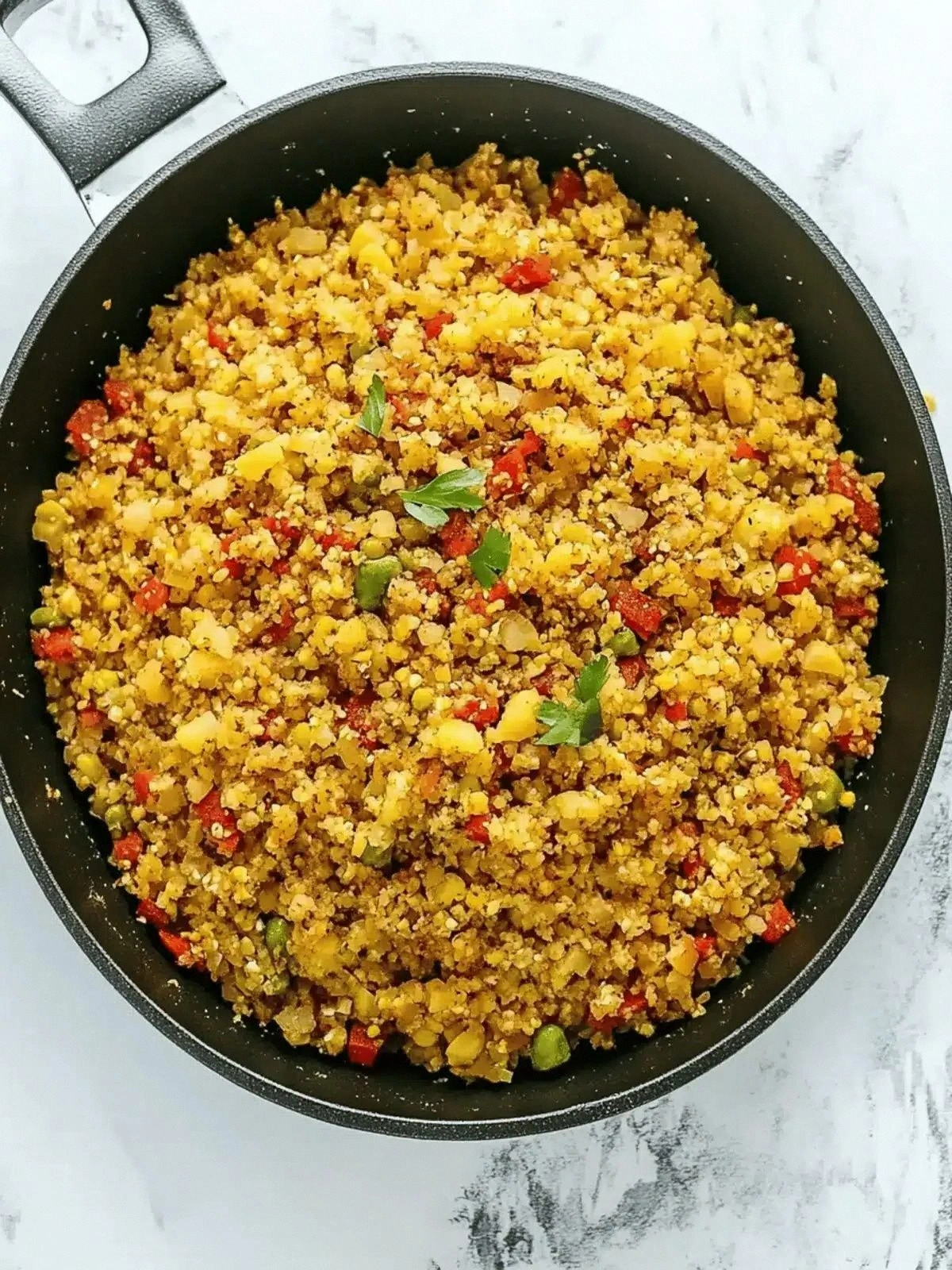
Picture the cauliflower grains, light and fluffy, coated in a smoky paprika glaze that makes them sing. The first bite delivers a subtle earthiness, followed by a burst of sweet pepper that dances across your palate. The steam that rises from the pan carries whispers of thyme and cumin, hinting at the layers of flavor to come. The gentle crackle as the vegetables caramelize is a soundtrack that turns a simple cooking session into a sensory symphony. Every inhale is a promise of a dish that will leave your kitchen smelling like a summer garden.
I’ve tried every version of cauliflower “dirty rice” I could find, and most of them felt like they were missing a crucial ingredient. They either tasted flat, lacked depth, or had an overwhelming spice that drowned the vegetables. This version, however, balances heat and earthiness with a subtle smokiness that lingers on the tongue. The secret lies in the combination of coconut aminos and roasted red pepper, which together create a umami base that feels both hearty and healthy. Trust me, once you taste this, you’ll wonder why you ever settled for bland alternatives.
There’s a little trick I’ll let you in on: roasting the red pepper before adding it to the cauliflower. This simple step caramelizes the sugars, turning the pepper into a silky, sweet companion that contrasts beautifully with the smoky spices. The result? A dish that feels indulgent without the guilt and has a texture that’s almost like a grainy, yet tender, rice. If you’re curious about how a single ingredient can change everything, keep reading. I promise you’ll see the difference in every bite.
Let me walk you through every single step — by the end, you’ll wonder how you ever made it any other way. I’ll share the exact timing, the best temperature settings, and the little hacks that will save you time and frustration. And if you’re a fan of bold flavors, you’ll love the way this recipe layers spices without overwhelming your palate. I dare you to taste this and not go back for seconds. Ready to transform your kitchen into a flavor laboratory? Let’s dive in.
First, gather all your ingredients, because this recipe is a symphony that requires each note to be in perfect harmony. The cauliflower, while often overlooked, is the star of the show, providing a low‑calorie canvas for the bold flavors. The celery and red onion add a subtle crunch and sweetness that balance the heat from the cayenne pepper. The roasted red pepper brings a velvety texture that mimics the mouthfeel of a classic rice dish. And the coconut aminos give that savory, soy‑like depth without the sodium spike.
As you chop the celery and onion, notice how the bright green of the celery cuts through the muted tones of the cauliflower. The aroma of onion releases a sweet, almost caramelized scent that hints at the dish’s potential. The sliced celery offers a crisp bite that will linger, preventing the dish from feeling mushy. Together, they create a base that’s both comforting and exciting. If you’re watching your sodium intake, the coconut aminos will keep the flavor profile rich without the need for extra salt.
When you add the spices, remember that each one is a small explosion of flavor. Smoked paprika gives the dish a deep, earthy undertone, while dried thyme adds a hint of pine that lifts the entire dish. Garlic granules provide a quick, concentrated hit of garlic that’s essential for depth. Ground cumin introduces a nutty warmth that ties everything together. The cayenne pepper, though only half a teaspoon, injects a subtle heat that will keep your taste buds on their toes.
The real magic happens when you combine the cauliflower with the roasted red pepper. The pepper’s natural sweetness caramelizes against the heat of the spices, creating a glaze that clings to each grain. This glaze not only enhances the texture but also adds a glossy sheen that makes the dish look as good as it tastes. The cauliflower’s delicate flavor absorbs the spices, turning it into a savory, aromatic masterpiece. If you’re watching your carbs, this dish is a win because the cauliflower keeps the carbohydrate count low while delivering a satisfying bite.
One of the best things about this recipe is its simplicity. You don’t need a fancy kitchen gadget or a long list of exotic ingredients. A skillet, a handful of spices, and a bag of frozen cauliflower are all you need to create a dish that feels restaurant‑quality. The cooking time is short, making it perfect for busy weeknights or a relaxed weekend lunch. And because the cauliflower is pre‑riced, you save time and reduce cleanup.
What sets this version apart is the balance of flavors and textures. The cauliflower’s fluffy texture contrasts with the slightly firm roasted pepper, creating a delightful mouthfeel. The spices are layered in a way that ensures each bite has a different dimension, from the smoky paprika to the subtle heat of cayenne. The coconut aminos provide a savory depth that mimics the umami of soy sauce without the sodium. Together, these elements create a dish that’s both comforting and adventurous.
If you’re skeptical, I’ll be honest — I ate half the batch before anyone else got a chance to taste it. The first spoonful was like a revelation: the cauliflower was tender, the pepper sweet, and the spices perfectly balanced. I found myself reaching for another bite, and another, and then a third. That’s the power of this dish. It’s not just a side; it’s a main course that can stand on its own or complement any protein.
Most recipes get this completely wrong. They either over‑season the cauliflower or fail to caramelize the roasted pepper, resulting in a dish that feels dry or bland. Here’s what actually works: let the cauliflower cook until it’s golden and slightly crispy, then add the roasted pepper to let it soak up the flavors. Don’t rush the seasoning; let each spice bloom before adding the next. This technique ensures the cauliflower retains its structure while absorbing the complex flavor profile.
Picture yourself pulling this dish out of the skillet, the kitchen smelling incredible, and the steam rising like a cloud of savory delight. The sight of the golden cauliflower grains, glistening with a subtle sheen, will make your mouth water before you even take a bite. The aroma of smoked paprika and cumin will fill the room, making your guests curious and eager to taste. This dish is a conversation starter, a crowd‑pleaser, and a personal triumph in your culinary repertoire.
Okay, ready for the game‑changer? The next step involves a simple but crucial technique: deglazing the skillet with a splash of coconut aminos. This not only lifts the browned bits from the pan but also infuses the cauliflower with an extra layer of umami. Watch as the sauce thickens and coats each grain, turning the dish into a glossy, flavorful masterpiece. The result is a dish that feels indulgent but remains light and fresh. Trust me, this step is the secret that makes the difference between good and unforgettable.
This is hands down the best version you’ll ever make at home. The combination of spices, the caramelized pepper, and the tender cauliflower come together in a harmony that’s hard to beat. The dish is versatile enough to pair with grilled chicken, shrimp, or tofu, making it a go‑to for any meal. If you’re looking for a dish that’s both healthy and delicious, this cauliflower dirty rice is your new go‑to.
Let’s break down exactly what goes into this masterpiece. The ingredients are simple, the process is straightforward, and the result is a dish that’s both comforting and exciting. I’ll walk you through each step, ensuring you get the perfect texture, the right balance of heat, and that unmistakable smoky aroma. By the end, you’ll be able to replicate this dish effortlessly, and your friends will beg for the recipe.
Now, before we dive into the ingredient breakdown, here’s a quick kitchen hack that will save you time and keep your kitchen tidy.
Inside the Ingredient List
The Flavor Base
Smoked paprika is the first spice that sets the tone for this dish. Its deep, earthy flavor adds depth and a subtle smokiness that mimics the aroma of a slow‑cooked grill. If you skip paprika, the dish loses its signature warmth, becoming a plain, bland cauliflower. A pinch of smoked paprika is enough to elevate the entire flavor profile without overpowering the delicate cauliflower.
Ground cumin brings a nutty, warm undertone that complements the smoky paprika. It’s a classic pairing in many rice dishes, and it works wonders here. Cumin’s earthy aroma lingers long after the dish is finished, making the meal feel comforting and satisfying. If you’re looking for a subtle heat, cumin is the spice that will deliver without overwhelming.
Garlic granules add a quick, concentrated hit of garlic that’s essential for depth. Unlike fresh garlic, granules dissolve quickly, ensuring the flavor is evenly distributed. They also reduce the risk of burning, which can happen if you add fresh minced garlic to a hot skillet. For those who love garlic, this ingredient is a no‑compromise addition.
The cayenne pepper is the spark that keeps your taste buds on their toes. Just a half teaspoon is enough to give the dish a gentle heat that lingers. It’s a great way to add warmth without making the dish overly spicy. If you’re sensitive to heat, you can reduce the cayenne to a quarter teaspoon.
The Texture Crew
Frozen riced cauliflower is the foundation of this dish. It’s low in calories, high in fiber, and has a mild flavor that takes on the spices beautifully. The riced texture is similar to that of traditional rice, making it a perfect substitute for those watching their carbs. Be sure to use a good quality frozen cauliflower to avoid excess moisture during cooking.
Celery adds a crisp bite that prevents the cauliflower from becoming mushy. The stalk’s bright green color also provides a visual contrast that makes the dish more appealing. When chopped finely, celery releases a subtle, herbal note that complements the spices. If you don’t have celery on hand, a small amount of finely chopped green bell pepper can serve as a suitable replacement.
Red onion brings sweetness and a slight crunch. Its sharpness mellows as it cooks, creating a subtle caramelized flavor that pairs well with the roasted red pepper. The onion also adds a layer of color, making the dish visually enticing. If you’re not a fan of onions, a small amount of shallots can add a similar flavor profile.
The Unexpected Star
Roasted red pepper is the secret ingredient that turns this dish into a flavor explosion. Roasting caramelizes the sugars, creating a silky, sweet glaze that coats the cauliflower. The pepper’s smoky undertones deepen the overall taste, while its vibrant color adds a visual pop. If you’re in a hurry, you can use jarred roasted red pepper, but fresh roasting provides the best flavor.
When you add the roasted pepper to the skillet, it releases its juices, creating a natural sauce that binds the dish together. This sauce also helps the spices cling to the cauliflower, ensuring each bite is flavorful. The pepper’s texture is firm yet tender, providing a satisfying bite that contrasts with the softer cauliflower grains. The roasted pepper is a game‑changer that you’ll want to keep in your pantry.
The Final Flourish
Coconut aminos provide a savory, soy‑like depth without the sodium spike. It’s a plant‑based alternative that adds umami, making the dish feel hearty and satisfying. The subtle sweetness of coconut aminos balances the heat from cayenne and the smokiness from paprika. If you prefer a more robust flavor, you can increase the amount to two tablespoons.
Sea salt is the finishing touch that brings all the flavors together. It enhances the sweetness of the roasted pepper and the earthiness of the spices. Salt is essential for flavor balance, but use it sparingly to keep the dish low in sodium. A pinch of sea salt is enough to elevate the overall taste profile.
Now that we’ve dissected each ingredient, it’s time to bring them together into a symphony of flavors. The key to success is understanding how each component interacts and enhances the others. With this knowledge, you’ll be able to tweak the recipe to suit your taste preferences. Everything’s prepped? Good. Let’s get into the real action.
The Method — Step by Step
- Heat a large skillet over medium heat and add a splash of coconut aminos. The sauce should shimmer slightly as it warms, signaling that the pan is ready. This deglazing step lifts any browned bits that hold the flavor. The aroma that follows will set the stage for the rest of the dish. Keep the heat steady to avoid burning the aminos.
- Add the frozen riced cauliflower to the skillet. Stir it around to coat with the coconut aminos, letting it cook for about 5 minutes. The cauliflower should start to soften but remain slightly firm. This step ensures the grains absorb the base flavor. Watch the texture; if it looks mushy, reduce the heat.
- Introduce the chopped celery and red onion, stirring until they begin to soften. The onion will start to caramelize, adding a sweet aroma to the mix. Celery will release a subtle herbaceous note that complements the spices. Let them cook for 3 minutes, ensuring they remain crisp.
- Sprinkle in the smoked paprika, dried thyme, garlic granules, ground cumin, and cayenne pepper. Stir vigorously to ensure the spices coat every grain. The spices should toast slightly, releasing their essential oils. This moment is the flavor crescendo of the dish. Make sure not to let the spices burn.
- Pour in the roasted red pepper, breaking it into bite‑sized pieces. The pepper’s juices will mingle with the spices, creating a glossy sauce. Let the mixture simmer for 4 minutes, allowing the flavors to meld. The cauliflower should be tender but not soggy. This step is where the dish truly transforms.
- Add the sea salt and coconut aminos, stirring until the sauce thickens and coats the cauliflower. The salt should enhance the sweetness of the pepper. The coconut aminos will add a subtle umami depth. Taste and adjust seasoning if needed. The dish should look glossy and fragrant.
- Lower the heat to medium‑low and let the cauliflower cook for an additional 5 minutes, stirring occasionally. This allows the cauliflower to finish cooking and the sauce to thicken. The edges should start to pull away slightly, indicating readiness. The aroma should be rich and inviting. Keep an eye on the moisture level.
- Remove the skillet from the heat and let the dish rest for 2 minutes. This short rest lets the flavors settle and the sauce thicken further. The cauliflower will remain tender and flavorful. The dish will be ready to serve, but you can add a final flourish if desired.
- Serve hot, garnishing with fresh herbs like parsley or cilantro if you like. A squeeze of lemon juice can brighten the dish and add a fresh contrast. Pair it with grilled protein or enjoy it on its own. The dish should be aromatic, flavorful, and satisfying. Enjoy every bite.
That’s it — you did it. But hold on, I've got a few more tricks that'll take this to another level. The next section will reveal insider tips that will help you perfect the texture, flavor, and presentation of this cauliflower dirty rice.
Insider Tricks for Flawless Results
The Temperature Rule Nobody Follows
Many cooks set the heat too high, causing the cauliflower to steam rather than sauté. The trick is to maintain a steady medium heat, allowing the cauliflower to caramelize without burning. If the pan starts to smoke, reduce the heat immediately. A gentle sizzle indicates the right temperature. This simple adjustment can elevate the dish from good to great.
Why Your Nose Knows Best
The aroma that develops during cooking is a reliable indicator of progress. When the spices begin to pop, you know they’re releasing their oils. The scent of roasted pepper signals that the glaze is forming. Trust your nose; it will guide you to the perfect finish. If the smell seems off, pause and reassess.
The 5‑Minute Rest That Changes Everything
Letting the dish sit for 5 minutes after cooking allows the sauce to thicken and the flavors to meld. This rest period also lets the cauliflower grains settle into their final texture. The result is a dish that feels cohesive and well‑balanced. Skip this step, and you’ll miss the subtle depth that makes the dish memorable.
Adding Fresh Herbs at the End
Fresh herbs like cilantro or parsley add brightness and a pop of color. They also provide a fresh contrast to the warm spices. Add them right before serving to preserve their flavor. A sprinkle of herbs can transform the dish from simple to spectacular. Try experimenting with different greens for variety.
Using a Non‑Stick Skillet
A good non‑stick skillet ensures the cauliflower doesn’t stick and burn. It also makes cleanup a breeze. If you don’t have a non‑stick pan, a well‑seasoned cast iron skillet works just as well. The key is to preheat the skillet properly before adding the cauliflower.
Stirring Frequently
Stirring keeps the cauliflower grains from clumping and ensures even cooking. It also helps the spices distribute uniformly. Make sure to stir at least once every minute during the first 5 minutes of cooking. This technique keeps the dish from sticking to the pan.
Creative Twists and Variations
This recipe is a playground. Here are some of my favorite ways to switch things up:
Smoky Chipotle Version
Swap the smoked paprika for chipotle powder and add a splash of chipotle in adobo. The result is a smoky, slightly spicy dish that pairs well with grilled steak. The chipotle’s smoky depth complements the roasted pepper beautifully. Serve it with a side of avocado slices for a creamy contrast.
Herb‑Infused Mediterranean
Add chopped sun‑dried tomatoes and a pinch of oregano for a Mediterranean twist. The tomatoes bring a sweet tang, while oregano adds a piney aroma. This version pairs wonderfully with grilled lamb or chicken. It also feels like a Mediterranean mezze plate.
Southwest Fusion
Incorporate corn kernels and black beans for a Southwestern flair. Add a dash of cumin and a squeeze of lime to brighten the dish. This version works great as a filling for tacos or burrito bowls. The corn adds a sweet crunch that balances the spices.
Vegan Protein Boost
Stir in crumbled tempeh or tofu for added protein. Season the protein with a touch of soy sauce before adding it to the skillet. The tofu will absorb the spices, creating a savory, protein‑rich dish. Serve it with a side of sautéed greens for a complete meal.
Low‑Sodium Option
Replace coconut aminos with a low‑sodium soy sauce and reduce the sea salt. This version still delivers the umami depth without the sodium spike. It’s ideal for those watching their sodium intake. The flavor profile remains robust and satisfying.
Storing and Bringing It Back to Life
Fridge Storage
Store the cauliflower dirty rice in an airtight container for up to 4 days in the refrigerator. The flavors will deepen slightly, but the texture remains intact. Before serving, give it a quick stir to redistribute the sauce. If it looks a bit dry, add a splash of water or coconut aminos.
Freezer Friendly
For longer storage, freeze the dish in portioned containers for up to 3 months. Thaw overnight in the fridge or use the defrost setting on your microwave. Reheat gently on the stove, adding a splash of water to loosen the sauce. The cauliflower will retain its texture and flavor.
Best Reheating Method
Reheat the dish on low heat, stirring frequently, until it’s steaming hot. Add a tiny splash of water or coconut aminos to restore moisture and flavor. The sauce will re‑emulsify, giving you that glossy finish. Avoid boiling, as it can break down the texture. Serve immediately for the best experience.