I was halfway through a frantic week of take‑out when I remembered the one thing that always turns a bland dinner into a memory: a buttery, lemon‑kissed salmon that melts in your mouth. I opened the fridge, grabbed a fillet, and thought, “Why not give this a kitchen makeover?” The result? A dish that feels like a hug from a chef who’s been in the kitchen for decades, yet is so simple that a novice can pull it off with a single pan.
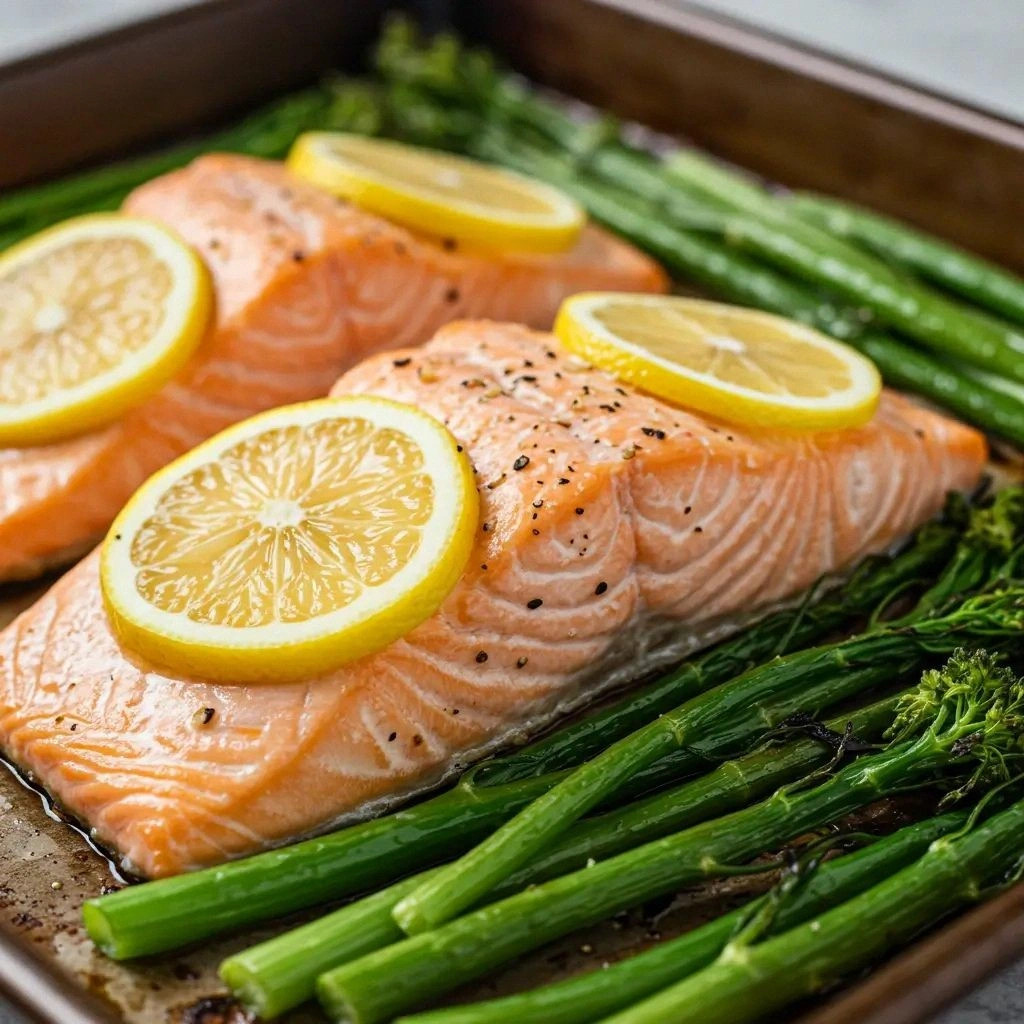
Picture this: the salmon glistening with a buttery glaze that shimmers like a sunrise on the surface of a calm lake. The aroma of fresh lemon and garlic wafts through the kitchen, mingling with the subtle scent of toasted breadcrumbs that promise a crisp finish. When you cut into the fillet, the flesh releases a gentle steam, and the edges start to pull away in a soft, caramelized crust. The broccolini, tucked beside the fish, is perfectly tender yet still offers a satisfying snap that echoes the buttery finish of the salmon.
What makes this version stand out from the countless “buttery salmon” recipes you’ll find online is that it balances indulgence with health, flavor with texture, and simplicity with wow factor. It’s hands‑down the best version you’ll ever make at home because it transforms ordinary ingredients into a symphony of buttery richness, bright citrus, and aromatic herbs. And I’ll let you in on a secret: the sauce isn’t just butter; it’s butter, lemon, garlic, and a touch of Dijon that together create a silky coating that clings to the fish like velvet.
I dare you to taste this and not go back for seconds. The first bite will have you reaching for the plate again, and the second bite will keep you craving that buttery melt. If you’ve ever struggled to get the salmon just right—overcooked and dry, or underseasoned—this recipe is your ticket out. Picture yourself pulling this out of the oven, the whole kitchen smelling incredible, and a crowd already gathering around the table. Let me walk you through every single step — by the end, you’ll wonder how you ever made it any other way.
What Makes This Version Stand Out
- Flavor: The buttery glaze is elevated by a splash of Dijon mustard and a hint of lemon zest, giving the salmon a bright, tangy depth that cuts through the richness.
- Texture: The broccolini is roasted to a caramelized perfection that provides a satisfying crunch, contrasting the silky fish.
- Simplicity: With only a handful of pantry staples, you can whip up a gourmet dinner in under 45 minutes.
- Uniqueness: The addition of toasted breadcrumbs not only adds crunch but also absorbs excess oil, keeping the dish light.
- Crowd Reaction: Friends and family often ask for a “second plate” because the flavors are so balanced and the presentation so elegant.
- Ingredient Quality: Fresh, wild‑caught salmon and locally grown broccolini give the dish an unmistakable freshness that elevates every bite.
- Cooking Method: Baking instead of pan‑frying preserves the delicate fish while allowing the butter to infuse every surface.
- Make‑Ahead Potential: You can prep the sauce and marinate the salmon a few hours ahead, making this dish a stress‑free option for busy weeknights.
Inside the Ingredient List
The Flavor Base
The backbone of this dish is a luscious butter sauce that marries the richness of butter with the brightness of lemon and the depth of Dijon mustard. The butter melts into a silky glaze, while the lemon juice cuts through the fat, preventing the dish from feeling heavy. If you skip the Dijon, you lose the subtle tang that elevates the entire flavor profile; the sauce will feel flat and one‑dimensional. For a dairy‑free twist, try a splash of coconut cream, but be prepared for a slightly sweeter finish.
The Texture Crew
Broccolini is the star of the vegetable side, offering a delicate crunch and a slightly sweet, peppery bite. Trim the stems carefully and toss them in olive oil, salt, and pepper before roasting; this ensures even caramelization. If you prefer a different texture, swap broccolini for cauliflower florets or asparagus spears. Remember, the key to a crisp finish is to spread the vegetables in a single layer so they roast rather than steam.
The Unexpected Star
Breadcrumbs might seem like a humble addition, but they bring a satisfying crunch that balances the buttery sauce. Use panko for extra lightness, or whole‑grain breadcrumbs for a nuttier flavor. If you’re gluten‑free, opt for almond flour or crushed rice crackers. Skipping the breadcrumbs will make the dish a bit softer and less visually appealing; the contrast between the crisp edges and the tender fish is part of the magic.
The Final Flourish
A sprinkle of freshly grated Parmesan cheese adds a salty depth and a slight nutty undertone that rounds off the dish. It melts into the buttery sauce, creating a glossy finish that’s as pleasing to the eye as it is to the palate. If you’re lactose intolerant, try nutritional yeast for a cheesy flavor without the dairy. The parsley garnish not only adds a pop of color but also introduces a fresh herbal note that brightens the plate.
Everything's prepped? Good. Let's get into the real action...
The Method — Step by Step
- Preheat and Prep: Set your oven to 400°F (200°C). Line a baking sheet with parchment paper for easy cleanup. Place the salmon fillets skin side down on the sheet, spacing them evenly. This ensures even heat distribution and prevents the fillets from sticking.
- Make the Butter Sauce: In a small saucepan, melt 2 tablespoons of butter over medium heat. Add 2 minced garlic cloves and cook until fragrant, about 30 seconds. Stir in the juice of one lemon and 1 tablespoon of Dijon mustard. Let the mixture simmer for a minute so the flavors meld. This sauce will coat the fish and the broccolini, creating a cohesive flavor profile.
- Season the Salmon: Drizzle the butter sauce over each fillet, ensuring an even layer. Sprinkle 1 teaspoon of salt and 1/2 teaspoon of freshly ground black pepper on top. The salt enhances the natural sweetness of the salmon, while the pepper adds a subtle heat.
- Prepare the Broccolini: Toss the trimmed broccolini with 2 tablespoons of olive oil, 1/2 teaspoon of salt, and a pinch of pepper. Spread them out in a single layer on the same baking sheet, leaving space between each spear. This ensures they roast rather than steam.
- Add the Breadcrumbs: Sprinkle 1/4 cup of breadcrumbs over the broccolini. The breadcrumbs will toast, creating a crunchy texture that contrasts beautifully with the tender vegetables.
- Roast: Slide the sheet into the preheated oven. Bake for 15–18 minutes, or until the salmon flakes easily with a fork and the broccolini is crisp-tender. The edges of the fillet should pull away slightly, indicating perfect doneness.
- Finish with Parmesan: Remove the sheet from the oven and immediately sprinkle 1/4 cup of grated Parmesan over the broccolini. The residual heat will melt the cheese into a golden crust, adding a savory finish.
- Garnish and Serve: Transfer the salmon and broccolini to a serving platter. Drizzle any remaining sauce over the top. Sprinkle chopped fresh parsley for a burst of color and freshness. Serve immediately while the fish is warm and the sauce is silky.
That's it — you did it. But hold on, I've got a few more tricks that'll take this to another level...
Insider Tricks for Flawless Results
The Temperature Rule Nobody Follows
Many cooks bake salmon at a high heat, thinking it will cook faster. However, the secret to buttery, flaky flesh is a moderate temperature of 400°F (200°C). This allows the fish to cook evenly without drying out, preserving that melt-in-your-mouth texture.
Why Your Nose Knows Best
Your sense of smell is a reliable indicator of doneness. When the salmon is ready, it will emit a subtle, buttery aroma that’s not overpowering but unmistakably fresh. Trust your nose; if it smells like toasted butter and lemon, it’s time to pull the dish out.
The 5-Minute Rest That Changes Everything
Letting the salmon rest for five minutes after baking allows the juices to redistribute. This simple step ensures each bite stays moist and flavorful, preventing the fish from feeling dry or overly buttery.
The Perfect Crust
If you crave a crunchier finish, broil the salmon for an additional 1–2 minutes after baking. Keep a close eye on it, as the broiler can quickly turn a golden crust into a burnt one.
The Secret Ingredient Swap
Swap out the breadcrumbs for crushed cornflakes for a gluten‑free version. The cornflakes toast to a light, airy crunch that pairs beautifully with the buttery sauce.
Creative Twists and Variations
This recipe is a playground. Here are some of my favorite ways to switch things up:
Spicy Sriracha Glaze
Replace half of the butter with a tablespoon of sriracha and a splash of honey. The result is a sweet, spicy glaze that gives the salmon a kick without overwhelming the delicate fish.
Herb‑Infused Parmesan
Blend dried oregano, thyme, and rosemary into the Parmesan before sprinkling it over the broccolini. The herbs add depth and a Mediterranean feel to the dish.
Coconut‑Butter Twist
Swap regular butter for coconut butter and add a pinch of curry powder to the sauce. The coconut lends a tropical sweetness, while the curry brings warmth and complexity.
Mediterranean Tomato Pairing
Roast cherry tomatoes alongside the broccolini, tossing them in olive oil and sea salt. The burst of tomato acidity balances the buttery salmon and adds a pop of color.
Pesto Drizzle
Finish the dish with a swirl of basil pesto over the salmon. The herbal freshness of pesto cuts through the richness, creating a harmonious flavor profile.
Asian‑Inspired Soy Glaze
Replace the lemon juice with a mixture of soy sauce and mirin, and add a sprinkle of toasted sesame seeds. This version offers an umami punch and a subtle sweetness reminiscent of a teriyaki glaze.
Storing and Bringing It Back to Life
Fridge Storage
Store leftovers in an airtight container in the refrigerator for up to 3 days. The buttery sauce may thicken slightly; reheat gently on the stovetop with a splash of water to restore its silky texture.
Freezer Friendly
For longer storage, wrap the salmon and broccolini separately in plastic wrap and place them in freezer bags. They’ll keep for up to 2 months. Thaw overnight in the fridge before reheating.
Best Reheating Method
Reheat in a preheated oven at 350°F (175°C) for 10–12 minutes, or until warmed through. Add a tiny splash of water before reheating to steam back to perfection, preventing the salmon from drying out.