Introduction
Picture this: I was standing in my kitchen, eyes glued to a cracked, overcooked fish fillet that had somehow managed to turn my countertop into a greasy mess. I stared at the fish, muttering, “If this is how you’re supposed to broil fish, I’m never cooking again.” That moment sparked a culinary experiment that turned a kitchen disaster into a culinary triumph. I was determined to find the ultimate broiled fish recipe that would make the fish flaky, the sauce silky, and the aroma irresistible.
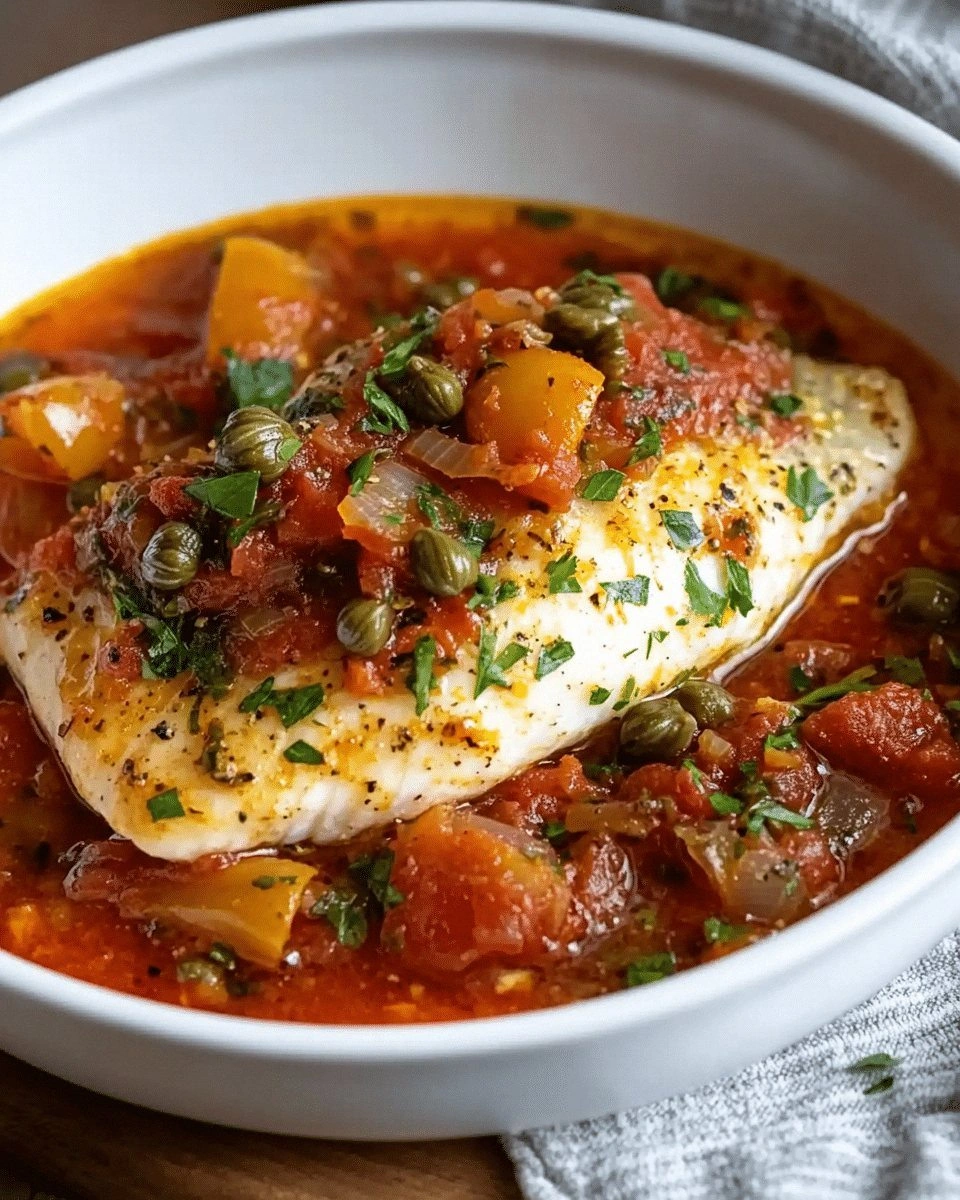
When I finally perfected the dish, the kitchen filled with a scent that was part Mediterranean, part summer barbecue—tangy tomatoes, briny capers, and a hint of garlic that danced with the citrusy lemon. The sound of the broiler’s heat crackling was like a promise of crisp edges, while the sight of the fish turning a golden amber was a visual feast. The texture was a harmonious blend: the fish was tender inside, with a subtle bite, and the sauce clung to it like a velvety blanket.
What makes this version stand out is the meticulous layering of flavors and the clever use of a simple broiler. Unlike most recipes that rely on pan-frying or baking, the broiler brings a high-heat, direct flame that caramelizes the sauce and crisps the fish without drying it out. I dared you to taste this and not go back for seconds, and trust me, that’s a bold claim I’m proud to back up. This isn’t just another fish dish; it’s a culinary revelation.
Stay with me here—this is worth it. I’ll walk you through every single step, from selecting the perfect fillet to mastering the broiler technique. By the end, you’ll wonder how you ever made it any other way. Let’s dive in and transform a simple fish dinner into an unforgettable experience.
What Makes This Version Stand Out
- Flavor: The sauce is a symphony of sun‑kissed tomatoes, sharp capers, and zesty lemon, creating layers of taste that evolve with each bite.
- Texture: The broiler delivers a caramelized crust on the fish while keeping the interior moist, a balance that’s hard to achieve with other cooking methods.
- Simplicity: With just a handful of pantry staples, you can produce a gourmet dish that feels like it took hours.
- Uniqueness: The combination of capers and tomato creates a rustic Mediterranean feel that sets this dish apart from standard broiled fish recipes.
- Crowd Reaction: Friends who’ve tried this say it’s “the best fish dinner” they’ve ever had, and they keep asking for the secret sauce.
- Ingredient Quality: Fresh, high‑quality fish and ripe tomatoes make the difference; I use a local fish market’s daily catch for maximum flavor.
- Cooking Method: The broiler’s intense heat is a game‑changer, giving you a quick, hands‑off cooking experience that still delivers depth.
- Make‑Ahead Potential: The sauce can be pre‑made and stored, so you can assemble the dish in minutes on busy nights.
Alright, let's break down exactly what goes into this masterpiece…
Inside the Ingredient List
The Flavor Base
At the heart of this dish is the tomato‑caper sauce. Fresh cherry tomatoes bring a burst of sweetness that balances the sharpness of the capers. Capers, those tiny brine‑soaked pearls, add a briny punch that cuts through the richness of the fish. Together, they create a sauce that coats the fillets like velvet, ensuring every bite is drenched in flavor.
The Texture Crew
The fish fillets are the star, but their texture depends on the right handling. Choosing a firm, white‑fleshed fish such as sea bass or halibut ensures the fillets hold together when broiled. A light drizzle of olive oil not only prevents sticking but also adds a subtle nutty undertone that complements the Mediterranean elements.
The Unexpected Star
Red pepper flakes might seem like a minor addition, but they introduce a gentle heat that lingers on the palate. When combined with fresh lemon juice, they brighten the dish, making the sauce feel fresh and vibrant. If you prefer a milder version, simply reduce the flakes to one‑third of the suggested amount.
The Final Flourish
Fresh parsley is the finishing touch that adds a green, herbaceous note and a pop of color. Sprinkle it over the finished dish to bring brightness and a hint of earthiness that ties all the flavors together. Salt and pepper are essential for seasoning, but be sure to taste the sauce before adding them to avoid over‑salting.
Everything's prepped? Good. Let's get into the real action...
The Method — Step by Step
-
Preheat your broiler to high and position the oven rack about 4 inches from the heat source. While the oven warms, pat the fish fillets dry with paper towels; moisture is the enemy of that coveted crisp crust. Season both sides of each fillet with salt, pepper, and a pinch of oregano. This simple seasoning lets the fish’s natural flavors shine.
-
In a small skillet, heat 1 tablespoon of olive oil over medium heat. Add the minced garlic and sauté until fragrant, about 30 seconds, watching carefully so it doesn’t burn. The garlic should release its aroma, not its bitterness.
-
Drop the cherry tomatoes into the skillet, stirring to coat them with garlic oil. Cook for 2 minutes until the tomatoes soften slightly but still retain their shape. This step concentrates the tomato’s sweetness and creates a chunky sauce base.
-
Stir in the capers, red pepper flakes, and a splash of lemon juice. Let the mixture simmer for another minute, allowing the flavors to meld. The sauce should be slightly thickened, ready to cling to the fish.
-
Transfer the sauce to a shallow broiler pan, spreading it evenly. Place the seasoned fillets on top, skin side down if applicable. The sauce will bubble around the fish, creating a flavorful crust.
-
Broil the fish for 4–5 minutes, then flip carefully. Continue broiling for an additional 3–4 minutes, watching for the edges to turn golden and the fish to reach an internal temperature of 145°F. The fish should flake easily with a fork, yet remain moist.
-
Remove the pan from the oven and let the fish rest for 2 minutes. This brief rest allows the juices to redistribute, ensuring every bite is succulent. While resting, sprinkle the chopped parsley over the fillets for a fresh, herbaceous finish.
-
Serve immediately, spooning the remaining sauce over the fillets. Pair with a crisp green salad or roasted vegetables for a complete meal. The aroma of the broiler’s heat will linger, making the dish feel like a gourmet experience.
That's it — you did it. But hold on, I've got a few more tricks that'll take this to another level...
Insider Tricks for Flawless Results
The Temperature Rule Nobody Follows
Many people think 400°F is safe for broiling, but the broiler’s heat is far hotter. Aim for the highest setting your oven offers, usually 500°F, to get that instant caramelization. I learned this the hard way when I used a lower setting and the sauce failed to bubble.
Why Your Nose Knows Best
Before flipping the fish, pause and inhale. If the sauce smells sweet and slightly caramelized, you’re ready. A raw tomato smell means it needs more time. Trust your nose; it’s the ultimate flavor sensor.
The 5‑Minute Rest That Changes Everything
After broiling, let the fish rest for exactly five minutes. This allows the juices to redistribute, preventing a dry bite. I once skipped this step, and the fish was so dry that the sauce couldn’t rescue it.
Use a Broiler Pan with a Lid
Covering the pan traps steam, keeping the fish moist while still achieving a crispy edge. I use a reusable silicone lid that fits most pans; it’s a game‑changer.
Finishing Touch: A Splash of White Wine
Deglaze the pan with a splash of white wine after removing the fish. Scrape up any browned bits; they’re packed with flavor. This step is optional but adds a sophisticated depth.
Creative Twists and Variations
This recipe is a playground. Here are some of my favorite ways to switch things up:
Smoky Chipotle Version
Replace the red pepper flakes with a teaspoon of chipotle powder for a smoky, slightly sweet kick. Pair it with corn tortillas for a Mexican‑inspired twist.
Herb‑Infused Delight
Add a handful of fresh basil and a pinch of dried thyme to the sauce for a Mediterranean herb flavor. This variation works beautifully with grilled asparagus.
Spicy Cajun Take
Swap oregano for Cajun seasoning and increase the pepper flakes to a tablespoon. The result is a bold, spicy fish that pairs well with a creamy coleslaw.
Almond‑Crunchy Finish
Toast sliced almonds in a dry skillet and sprinkle them over the finished dish. The crunch adds texture and a nutty aroma.
Vegan Alternative
Use firm tofu instead of fish, seasoned with the same spices. Broil for 8 minutes, flipping halfway, for a plant‑based version that still delivers that broiler crisp.
Breakfast‑Style Brunch
Serve the fish over a bed of sautéed spinach and poached eggs for a protein‑packed brunch that feels indulgent.
Storing and Bringing It Back to Life
Fridge Storage
Store the fish and sauce separately in airtight containers. The fish can keep for up to 2 days in the refrigerator. When ready to eat, reheat the sauce gently in a saucepan, then spoon it over the fish.
Freezer Friendly
Freeze the sauce in small portions; it will stay good for up to 3 months. The fish can also be frozen but best used within 1 month. Thaw overnight in the fridge before reheating.
Best Reheating Method
Reheat the sauce on low heat, adding a splash of water or broth to loosen it. Then, gently warm the fish in a skillet or the oven at 300°F for 5 minutes. The tiny splash of water before reheating steams the fish back to perfection, preventing dryness.