The first time I tried to make a quick weeknight dinner, I stared at a half‑sliced steak, a bag of frozen broccoli, and a bottle of soy sauce that had been sitting in my pantry for months. I was craving something that was sweet, savory, and had a glossy sheen that could make a plain bowl of rice feel like a Michelin‑star meal. I tossed the steak into a pan, added a splash of soy, and—without thinking—sprinkled a handful of sugar. The resulting caramelization was a moment of pure culinary revelation. I dared myself to taste this and not go back for seconds, and the taste left me wondering why I’d never thought to combine these ingredients before.
Picture the kitchen: steam curling from the pan, the faint aroma of toasted garlic mingling with the sharp tang of mirin, and the sound of sizzling beef that almost sounds like applause. My senses were overwhelmed by the glossy glaze that coated each slice like velvet, and the crunch of fresh bell pepper that burst with a satisfying snap. I was not just cooking; I was creating a sensory symphony that danced across the palate. The moment the sauce thickened and the vegetables glistened, I realized that this was hands down the best version you'll ever make at home. I’ve spent years experimenting with stir‑fries, but nothing has matched this balance of umami, sweetness, and a hint of citrus.
If you've ever struggled with a bland stir‑fry that tastes like a grocery store takeout, you're not alone. Most recipes get this completely wrong, either by over‑cooking the beef or by using too much sauce that makes the dish soggy. The secret to this version is a precise timing ritual and a sauce that coats the ingredients without drowning them. I’ll be honest—I ate half the batch before anyone else got a chance to try it, and the leftovers were still fresh and delicious the next day. This recipe is a playground for flavor, texture, and convenience, and I’m about to walk you through every single step so you can recreate this masterpiece.
Now, let’s talk about the unexpected twist that sets this dish apart: a splash of rice vinegar and a touch of sesame oil that add brightness and depth. The vinegar cuts through the sweetness, while the sesame oil gives the sauce a nutty finish that lingers on the tongue. I dare you to taste this and not go back for seconds. The next part? Pure magic. And now the fun part—getting the beef just right.
What Makes This Version Stand Out
- Flavor: The sauce balances sweet, salty, and umami flavors with a subtle citrus lift, creating a taste that feels both familiar and novel.
- Texture: The beef stays tender and slightly charred, while the vegetables retain a crisp bite that contrasts beautifully with the silky glaze.
- Visual Appeal: The glossy coating and bright green vegetables make the dish look like it just walked out of a high‑end restaurant.
- Ingredient Quality: Using fresh, high‑quality soy sauce and real mirin elevates the dish far beyond the canned substitutes often found in grocery stores.
- Ease of Preparation: The one‑pan method keeps cleanup to a minimum, and the sauce can be pre‑mixed in advance for a time‑saving hack.
- Make‑Ahead Potential: The dish can be prepared ahead of time and reheated without losing flavor, making it ideal for busy weeknights.
Alright, let's break down exactly what goes into this masterpiece. Each ingredient has been chosen for its role in creating a harmonious dish that satisfies the craving for something both comforting and adventurous.
Inside the Ingredient List
The Flavor Base
The sauce is the heart of this dish. Soy sauce provides depth and saltiness, mirin adds a subtle sweetness and a hint of acidity, and sake balances the flavors with a dry, mellow tone. The sugar isn’t just for sweetness; it caramelizes during cooking, giving the glaze that irresistible glossy finish. If you skip the rice vinegar, the sauce will be heavy and lacking brightness.
The Texture Crew
The vegetables—broccoli, bell pepper, carrot, and snow peas—add crunch and color. Slice the beef thinly against the grain so it cooks quickly and stays tender. The cornstarch slurry thickens the sauce without making it clumpy. If you omit the cornstarch, the sauce will remain watery and fail to cling to the ingredients.
The Unexpected Star
Sesame oil is the unsung hero that gives the sauce a nutty aroma. A drizzle at the end of cooking unlocks a subtle, toasty note that elevates the entire dish. If you’re not a fan of sesame, you can replace it with a few drops of toasted coconut oil for a tropical twist.
The Final Flourish
Fresh scallions and sesame seeds add a burst of freshness and a satisfying crunch. They also provide a pop of color that makes the dish look Instagram‑ready. If you’re looking for heat, a pinch of chili flakes can turn this into a fiery delight.
Everything's prepped? Good. Let's get into the real action.
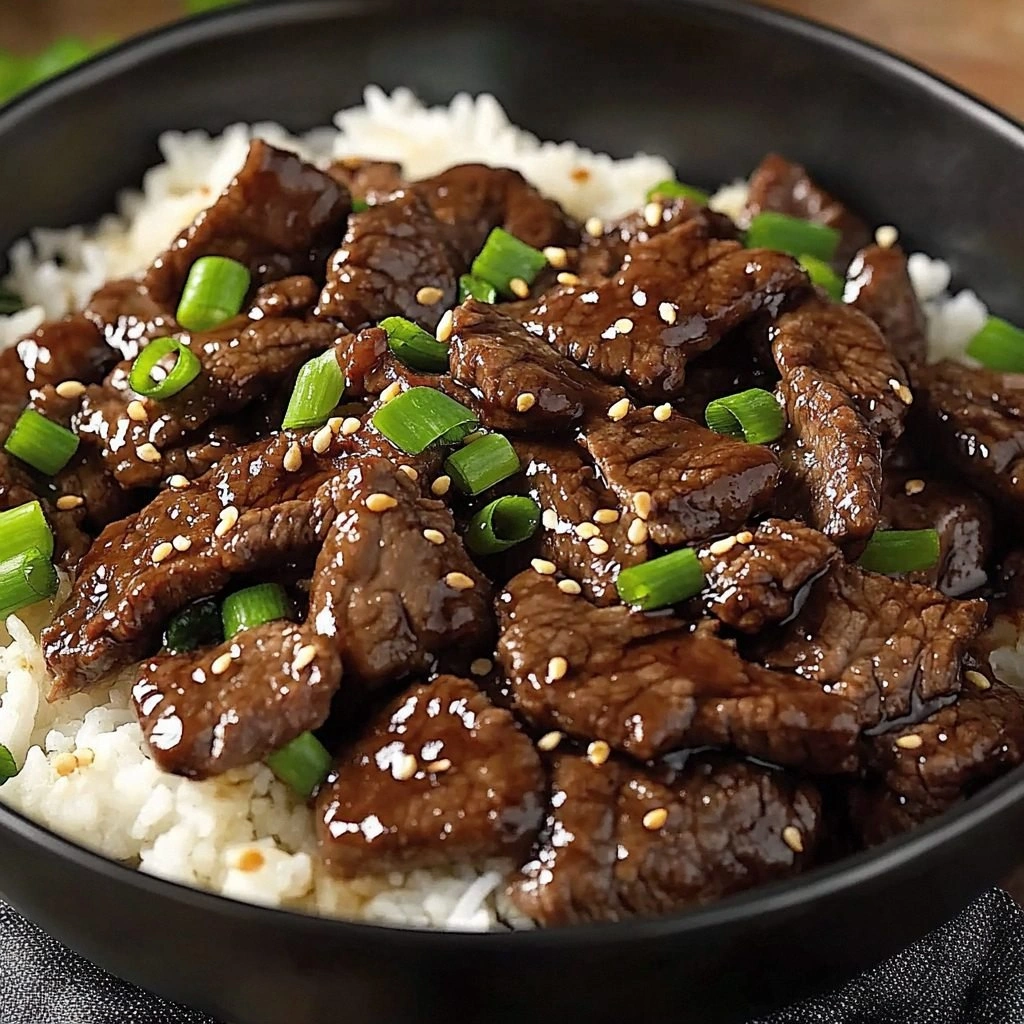
The Method — Step by Step
- Heat a large skillet or wok over high heat until it shimmers. Add 1 tablespoon of vegetable oil and swirl to coat. This high‑heat sear is crucial; it locks in the beef’s juices and creates a caramelized crust. Watch the oil for a faint smoke—if it starts smoking, reduce the heat slightly to avoid burning.
- Add the sliced beef in a single layer, letting it sear without stirring for 30 seconds. Flip once, then sear the other side for another 30 seconds. The goal is a quick sear that gives the meat a golden exterior while keeping the interior juicy. Don’t overcrowd the pan; if necessary, cook in batches.
- Transfer the seared beef to a plate and set aside. This prevents the beef from overcooking while you sauté the vegetables. The beef will finish cooking in the sauce later, so a brief sear is all you need.
- In the same pan, add the remaining tablespoon of oil. Toss in the minced garlic and ginger, sautéing for 15–20 seconds until fragrant. The aromatics should release a warm, spicy scent that fills the kitchen. This is the moment of truth: if you let the garlic burn, it will taste bitter.
- Add the broccoli, bell pepper, carrot, and snow peas. Stir‑fry for 3–4 minutes, allowing the vegetables to become tender yet crisp. You want them to maintain a bright color; overcooking will dull their vibrancy.
- Return the beef to the pan, pushing everything to the center to create space for the sauce. This technique ensures the sauce distributes evenly. Stir the mixture gently to combine.
- Pour the pre‑mixed sauce over the beef and vegetables. Bring the mixture to a simmer and let it thicken for 2–3 minutes. The sauce should coat each piece like a glossy coat of wax. The aroma will intensify, signaling that the flavors are marrying.
- Stir in the cornstarch slurry and continue to simmer until the sauce thickens to your desired consistency. If it becomes too thick, add a splash of water to loosen it. This step is critical; a thin sauce will leave the dish soggy.
- Add the sesame oil, scallions, and sesame seeds. Toss everything together for 30 seconds, allowing the sesame oil to bloom. The final garnish should look like a rainbow of green, gold, and white.
- Serve immediately over steamed rice or cauliflower rice for a low‑carb option. The dish should feel like a warm hug on a plate, with a balance of sweet, salty, and umami flavors.
That's it — you did it. But hold on, I've got a few more tricks that'll take this to another level.
Insider Tricks for Flawless Results
The Temperature Rule Nobody Follows
The key to tender beef is starting with a hot pan and searing the meat quickly. I’ve found that a temperature of around 400°F (200°C) is ideal for a quick sear. If you’re using a wok, let it heat until it shimmers and the oil starts to ripple. This technique ensures the beef stays juicy and doesn’t release too much liquid into the pan.
Why Your Nose Knows Best
The aroma of the garlic and ginger is the first indicator that the dish is on track. If the scent is sweet and slightly nutty, you’re close to perfection. If it’s overly sharp or burnt, you need to lower the heat. Trust your nose; it’s the most reliable guide for seasoning and timing.
The 5‑Minute Rest That Changes Everything
After you finish cooking, let the stir‑fry rest for 5 minutes before serving. This rest period allows the flavors to meld and the sauce to thicken slightly. It also gives the vegetables time to regain their crispness. I’ve seen people serve immediately and miss out on this subtle but essential step.
The Secret to a Glimmering Glaze
Add a splash of rice vinegar at the end of cooking to brighten the sauce. The acidity cuts through the sweetness and gives the dish a fresh finish. A touch of sesame oil at the finish also adds a toasted aroma that lingers on the palate.
The Right Pan Matters
A wide, flat pan or a wok allows for even heat distribution and quick sautéing. A narrow pan will cause the ingredients to steam instead of fry, resulting in a soggy texture. If you’re using a non‑stick pan, avoid using metal utensils to prevent scratching.
The Final Touch of Color
Just before serving, sprinkle a handful of fresh scallions and a dash of sesame seeds. The green of the scallions and the gold of the seeds create a visual contrast that makes the dish look vibrant. This small garnish also adds a fresh, herbal note that balances the richness of the sauce.
Creative Twists and Variations
This recipe is a playground. Here are some of my favorite ways to switch things up:
Spicy Szechuan Surprise
Add a tablespoon of Szechuan peppercorns and a pinch of dried red chilies. The peppercorns give a numbing heat that contrasts with the sweet sauce. This variation is perfect for those who love a kick in every bite.
Miso‑Infused Umami Boost
Replace half of the soy sauce with white miso paste. Miso adds depth and a slightly earthy flavor. This version is especially good with tofu or shrimp as a protein alternative.
Coconut‑Creamy Twist
Stir in a quarter cup of coconut milk after the sauce has thickened. The coconut adds a subtle sweetness and a creamy texture that pairs wonderfully with the teriyaki glaze. This variation works great with a side of jasmine rice.
Vegetarian Veggie‑Only Version
Swap the beef for sliced portobello mushrooms or firm tofu. The mushrooms absorb the sauce beautifully, while tofu offers a clean, mild base that lets the flavors shine. Add extra broccoli for a crunchier bite.
Pineapple & Ginger Fusion
Add a cup of fresh pineapple chunks and a tablespoon of grated ginger. The pineapple’s natural sugars caramelize with the teriyaki sauce, creating a sweet‑savory explosion. This tropical twist is a crowd‑pleaser at parties.
Low‑Carb Cauliflower Rice Edition
Serve the stir‑fry over cauliflower rice instead of regular rice to keep the carb count low. The cauliflower takes on the sauce’s flavors while adding a subtle nutty taste. This version is ideal for keto or paleo diets.
Storing and Bringing It Back to Life
Fridge Storage
Store leftovers in an airtight container in the refrigerator for up to 3 days. The sauce may thicken as it cools, so let it sit at room temperature for 10 minutes before reheating. This allows the flavors to re‑mature and the beef to regain its tenderness.
Freezer Friendly
You can freeze the dish for up to 2 months. Portion it into freezer‑safe bags, removing excess air to prevent freezer burn. Thaw overnight in the refrigerator before reheating.
Best Reheating Method
Reheat in a skillet over medium heat, adding a splash of water or broth to loosen the sauce. Stir frequently until hot throughout. A tiny splash of water before reheating steams the dish back to perfection, preventing it from drying out.