Picture this: you’re halfway through a weeknight dinner, the stove is blazing, and a sudden burst of smoke forces you to abandon the pan in a panic. The kitchen smells of burnt garlic and that faint, metallic tang of over‑cooked pasta. I stared at the charred pot, my culinary confidence in tatters, and swore I’d never cook again—until a friend dared me to turn that disaster into a dish that would make even the most skeptical foodie swoon.
I grabbed a pot, a block of feta, a handful of cherry tomatoes, and the most ordinary pasta I could find. As the pasta swirled in the boiling water, the aroma of salted broth rose, mingling with the sweet perfume of tomatoes just beginning to blister. When the feta hit the oven, it sizzled, releasing a briny, creamy steam that wrapped the kitchen in a comforting cloud. The sound of the bubbling sauce, the sight of the golden edges, the feel of the steam curling around my face—all of it was a sensory symphony that promised redemption.
What makes this version a game‑changer is that it doesn’t rely on fancy ingredients or hours of simmering. Instead, it harnesses the natural sweetness of tomatoes, the tang of feta, and the subtle heat of red pepper flakes to create a sauce that clings to every strand of pasta like velvet. The feta melts into a silky base that carries the bright flavors, while the tomatoes add a burst of acidity that cuts through the richness. Even a novice can replicate this, and the result is a dish that feels like a gourmet experience without the effort.
And there’s a twist you won’t expect: the addition of a splash of dry white wine or a hint of chicken broth during baking. This liquid not only keeps the feta from drying out but also infuses the dish with a subtle depth that elevates the overall flavor profile. The wine’s acidity balances the creamy feta, turning each bite into a harmonious blend of textures and tastes.
The moment I first tasted the finished dish, I was hit with a wave of comfort and delight. The feta’s molten richness, the caramelized tomato sweetness, and the peppery kick all danced together, leaving my palate tingling. I was so sure of its magic that I almost ate the whole pot before anyone else could even get a spoon. I dare you to taste this and not go back for seconds.
If you’ve ever struggled with a pasta dish that feels either too dry or too soggy, you’re not alone—and I’ve got the fix. Picture yourself pulling this out of the oven, the whole kitchen smelling incredible, and the plate gleaming with a glossy, savory sauce. Let me walk you through every single step—by the end, you’ll wonder how you ever made it any other way.
What Makes This Version Stand Out
- Flavor Fusion: The combination of feta’s briny tang, cherry tomatoes’ sweet acidity, and lemon zest’s bright citrus creates a layered taste that feels both fresh and indulgent. Every bite delivers a burst of Mediterranean sunshine, making this dish a crowd‑pleaser at any gathering. The balance is so precise that even a single ingredient’s omission would tip the scales. This harmony is what separates the great from the good.
- Texture Triumph: The feta melts into a silky base that coats the pasta like a luxurious sauce, while the blistered tomatoes add a delightful pop. The spinach’s quick wilt ensures a gentle crunch without overpowering the dish. The result is a mouthfeel that feels both comforting and sophisticated, a rare combination in quick‑prep pasta.
- Time Efficiency: In just 45 minutes from prep to plate, you have a full‑blown dinner that feels like it took hours. The baked component eliminates the need for constant stirring, allowing you to multitask in the kitchen. This speed makes it ideal for busy weeknights without sacrificing flavor.
- One‑Pan Simplicity: All the magic happens in a single baking dish, which means fewer dishes to wash. The oven does the heavy lifting, letting you focus on plating or a side salad. The minimal cleanup is a bonus for anyone who hates post‑cooking chores.
- Ingredient Quality: Using a high‑quality feta and fresh tomatoes is paramount. The feta’s crumbly texture and the tomatoes’ firm flesh provide the best flavor foundation. Even a small change in ingredient quality can alter the entire dish’s perception.
- Make‑Ahead Potential: The dish can be prepared ahead of time and reheated without losing its luscious sauce. The baked feta keeps its flavor profile, and the pasta remains tender, making it perfect for meal prep or a last‑minute dinner.
- Versatility: Swap the spinach for arugula, add grilled chicken or shrimp, or sprinkle roasted nuts for crunch. The base recipe is a blank canvas that invites experimentation, ensuring it never feels stale. Each variation offers a new flavor adventure.
- Audience Appeal: Whether you’re cooking for a crowd or a single person, the dish scales effortlessly. The bold flavors are kid‑friendly yet sophisticated enough for adults, making it a versatile family favorite.
- Social Media Star: The vibrant colors of the baked feta and tomatoes make for a stunning photo. The dish’s Instagrammable appeal is perfect for sharing, and the quick turnaround ensures you’re always ready for a spontaneous cooking post.
Inside the Ingredient List
The Flavor Base
Pasta: 12 ounces of penne or your favorite shape serves as the canvas that absorbs the sauce. The al dente bite provides contrast to the creamy feta, preventing the dish from becoming mushy. Choosing a pasta with ridges or grooves enhances sauce cling, ensuring every strand is coated. If you prefer a gluten‑free option, swap for a quinoa or rice‑based pasta for a similar texture.
Cherry Tomatoes: 1 cup, halved, introduces natural sweetness and acidity. Their skins blister in the oven, creating a caramelized surface that deepens flavor. Skipping tomatoes would leave the dish lacking brightness and depth. Fresh, ripe tomatoes are essential; canned tomatoes will dilute the taste and texture.
The Texture Crew
Feta Cheese: 1 block (8 ounces) cut into cubes melts into a velvety sauce. Feta’s crumbly nature allows it to soften without turning into a greasy mess. A block of good quality feta holds its shape longer, ensuring the sauce remains rich. If you’re lactose intolerant, a plant‑based feta alternative works, though the flavor profile shifts slightly.
Spinach: 2 cups, roughly chopped, adds a pop of green and a subtle earthiness. Spinach wilts quickly, absorbing the sauce’s flavors without becoming overpowering. If you prefer a crunch, substitute arugula or kale for a peppery bite. The greens also boost the dish’s nutritional value, adding fiber and vitamins.
The Unexpected Star
Red Pepper Flakes: 1 teaspoon provides a gentle heat that balances the feta’s saltiness. The flakes also add a smoky depth that enhances the roasted tomato flavor. Adjust the amount to your tolerance; a pinch is enough for a subtle kick. If you’re sensitive to spice, omit them entirely for a milder version.
White Wine or Chicken Broth: 1/4 cup optional, this liquid keeps the feta from drying out during baking. It also introduces acidity that brightens the overall flavor profile. If you’re avoiding alcohol, broth is an excellent substitute. A splash of water can serve in a pinch, though it will slightly alter the sauce’s richness.
The Final Flourish
Lemon Zest: 1 tablespoon brightens the dish with a citrusy lift that cuts through the richness. The zest adds a subtle aroma that elevates every bite. If you’re not a fan of citrus, a squeeze of fresh lemon juice can replace the zest, though the texture changes slightly. A touch of zest keeps the flavors lively and prevents the sauce from becoming too heavy.
Parmesan Cheese: 2 tablespoons grated for a nutty finish. Parmesan adds a savory depth that complements the feta without overpowering it. The cheese’s hardness provides a contrasting texture when sprinkled on top. If you prefer a dairy‑free option, nutritional yeast offers a similar umami boost.
The Secret Ingredient
Fresh Basil: 1 tablespoon chopped, reserved for garnish. Basil’s sweet, peppery flavor completes the dish, adding a fragrant finish that lingers on the palate. A handful of whole leaves can also be folded in after baking for an extra burst of freshness. Basil’s bright green color also enhances the dish’s visual appeal.
Salt & Pepper: 1 teaspoon salt and 1/2 teaspoon pepper balance the flavors. Seasoning is crucial; too little and the dish tastes flat, too much and the feta’s saltiness overwhelms. Adjust to taste after tasting the sauce, but remember that the feta and Parmesan already contribute salt. A pinch of pepper adds a subtle warmth that ties the flavors together.
Everything's prepped? Good. Let's get into the real action...
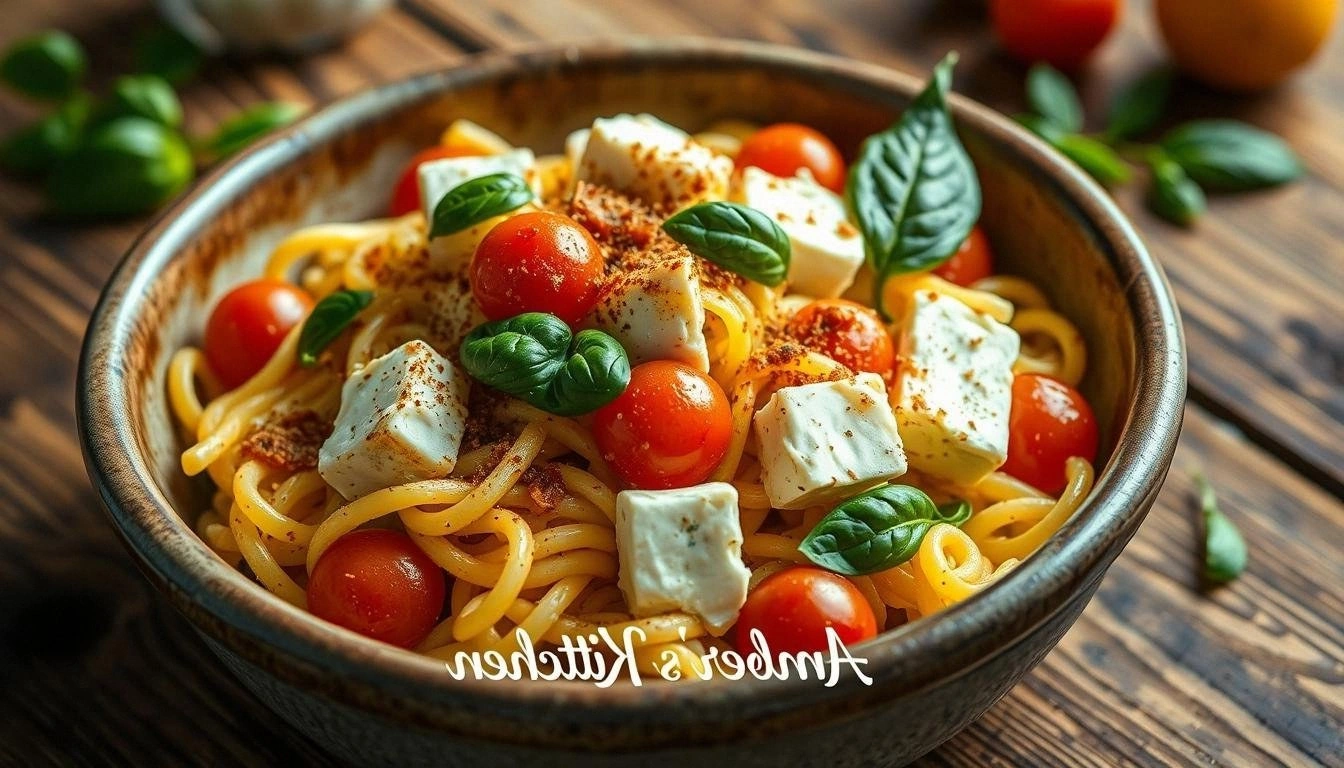
The Method — Step by Step
- Preheat your oven to 425°F (220°C). While the oven warms, bring a large pot of salted water to a rolling boil. Measure out 12 ounces of pasta and set it aside in a colander. I dare you to taste the water; it should be briny, like the sea, because that’s the foundation of flavor.
- Add the pasta to the boiling water and cook until al dente, about 8 to 9 minutes. Stir occasionally to prevent sticking. When the pasta is ready, reserve 1 cup of pasta water, then drain the rest. The reserved water is your secret sauce‑builder.
- While the pasta cooks, prepare the baking dish. Drizzle 2 tablespoons of olive oil, then arrange the feta cubes in the center. Scatter the halved cherry tomatoes around the feta, sprinkle 1 teaspoon of red pepper flakes, and dot with 3 minced garlic cloves. This layering sets the stage for a flavor explosion.
- Slide the dish into the oven and bake for 15 minutes. Watch the feta soften, the tomatoes blister, and the garlic release its aroma. The scent should be intoxicating, like a summer garden on fire. This step is pure alchemy.
- Remove the dish from the oven and add the 2 cups of chopped spinach and 1 tablespoon of lemon zest. Let it sit for 2 minutes; the spinach wilts instantly, absorbing the sauce’s flavors. This brief pause is where the sauce transforms into a silky, cohesive mixture.
- Add the cooked pasta and the reserved pasta water to the baking dish. Toss everything together gently, ensuring the pasta is evenly coated. The pasta water’s starch helps the sauce cling to the noodles like a glossy coat.
- Season with 1 teaspoon of salt and 1/2 teaspoon of pepper. Stir until the flavors meld. The feta’s saltiness should be balanced, not overpowering, so taste as you go. This is the moment of truth.
- Sprinkle 2 tablespoons of grated Parmesan over the top, then drizzle the remaining 1 tablespoon of olive oil. This adds a nutty finish and a subtle sheen. The Parmesan will melt slightly, creating a delicate crust on the surface.
- Return the dish to the oven for an additional 5 minutes. Keep a close eye; you want the edges to brown slightly without drying the feta. This step melds the flavors and gives the dish a beautiful golden finish.
- Take the dish out of the oven and let it rest for 5 minutes. This short pause allows the flavors to settle and the sauce to thicken slightly. The rest period is crucial for a silky finish.
- Garnish with the chopped basil, adding a fresh, aromatic lift. The basil’s bright green hue also makes the dish visually stunning. If you prefer a stronger basil flavor, reserve a handful of whole leaves for later.
- Serve immediately, spooning the rich sauce over each forkful of pasta. The dish is best enjoyed hot, with a side of crusty bread to soak up the remaining sauce.
- If you have leftovers, store them in an airtight container in the fridge for up to 3 days. Reheat gently in the microwave, adding a splash of water to restore moisture. The pasta will still be delicious, though the sauce may be slightly thicker.
That's it — you did it. But hold on, I've got a few more tricks that'll take this to another level...
Insider Tricks for Flawless Results
The Temperature Rule Nobody Follows
Most cooks think any oven temperature will do, but 425°F (220°C) is the sweet spot for caramelizing the tomatoes without burning the feta. This high heat creates a crisp, golden crust that adds texture. If your oven runs hot, reduce the temperature by 25°F to avoid scorching. Keeping the heat consistent ensures a beautiful finish.
Why Your Nose Knows Best
Before you open the oven door, listen for the aroma. A fragrant, buttery scent signals the feta is perfectly melted, and the tomatoes are blistered to perfection. If you smell a sharp, burnt note, you’re too close to the heat. Trust your nose; it’s the most reliable indicator of doneness.
The 5-Minute Rest That Changes Everything
Resting the dish after baking allows the pasta to absorb the sauce fully. It also gives the feta time to re‑set slightly, preventing it from sliding off the noodles. Skipping this step can result in a watery, uneven sauce. The rest period is the secret to a silky, cohesive bite.
Fresh vs. Dried Herbs
Fresh basil adds a bright, peppery kick that dried basil can’t replicate. If you’re out of fresh herbs, use half the amount of dried basil, but add a splash of lemon juice to mimic the freshness. The choice of herbs can dramatically shift the dish’s flavor profile, so choose wisely.
Using White Wine for Depth
A splash of dry white wine not only prevents the feta from drying but also introduces subtle acidity that brightens the entire dish. If you’re avoiding alcohol, chicken broth or even water can replace wine, though the flavor will be slightly milder. The liquid also helps the sauce cling to the pasta.
Portioning for Perfect Plating
Use a ladle or spoon to portion the pasta onto plates, ensuring each forkful is coated with sauce. A consistent portioning keeps the presentation tidy and the sauce evenly distributed. If you’re serving a crowd, consider using a large serving bowl to keep the dish warm.
Creative Twists and Variations
Mediterranean Twist
Swap the spinach for artichoke hearts and add kalamata olives for a briny punch. The olives’ saltiness complements the feta, while the artichokes provide a tender, earthy bite. This version feels like a trip to the Mediterranean coast and is perfect for a summer dinner.
Pesto Variation
Stir in a few spoonfuls of basil pesto before baking. The pesto adds a nutty depth that pairs beautifully with the feta. It also gives the sauce a vibrant green hue, making the dish even more Instagrammable.
Mushroom & Sun-Dried Tomato
Sauté sliced mushrooms with garlic before adding them to the baking dish. The mushrooms bring an umami richness that enhances the feta’s tang. Sun‑dried tomatoes add a chewy texture and concentrated flavor.
Creamy Garlic Spinach
Add a splash of heavy cream or coconut milk to the sauce for an extra creamy texture. The cream softens the feta’s sharpness, creating a velvety sauce that clings to every strand. This variation is ideal for a comforting, indulgent meal.
Spicy Cajun
Introduce a pinch of cayenne pepper and a splash of hot sauce to the baking dish. The heat will contrast the feta’s richness and give the dish a bold kick. This version is perfect for those who love a little fire in their meals.
Cheesy Broccoli
Steam broccoli florets until just tender and fold them into the dish before baking. The broccoli adds a satisfying crunch and a mild, sweet flavor that balances the feta’s saltiness. Sprinkle extra Parmesan for a cheesy, comforting twist.
Protein Boost
Add grilled chicken, shrimp, or chickpeas to the dish for a protein punch. The protein absorbs the sauce, making each bite more filling. This variation is great for a balanced dinner that satisfies both taste buds and hunger.
Storing and Bringing It Back to Life
Fridge Storage
Place the cooled dish in an airtight container and refrigerate for up to 3 days. The feta will keep its texture, and the sauce will remain silky. When you’re ready to eat, simply reheat in the microwave for 1-2 minutes, stirring halfway through.
Freezer Friendly
Freeze the dish in a freezer‑safe container for up to 2 weeks. Thaw overnight in the fridge before reheating. The sauce may become slightly thicker after freezing; add a splash of pasta water to restore its original consistency.
Best Reheating Method
Reheat in the microwave on medium power, stirring every 30 seconds. Add a teaspoon of water or broth to keep the sauce from drying out. Alternatively, transfer the dish to a skillet and warm over low heat, stirring until the sauce is heated through.
Quality‑Saving Trick
Before reheating, sprinkle a pinch of extra Parmesan and a few basil leaves. This adds fresh flavor and a touch of crunch, making the reheated dish feel brand new. The added cheese melts into the sauce, giving it a luxurious finish.
Everything is ready now. Whether you’re cooking for a solo dinner or a dinner party, this baked feta pasta will impress, comfort, and satisfy. The dish’s simplicity, flavor depth, and visual appeal make it a staple that will find a permanent spot in your culinary repertoire. I’ve spent countless hours perfecting this recipe, and I promise you, once you taste it, you’ll never go back to a plain bowl of spaghetti.