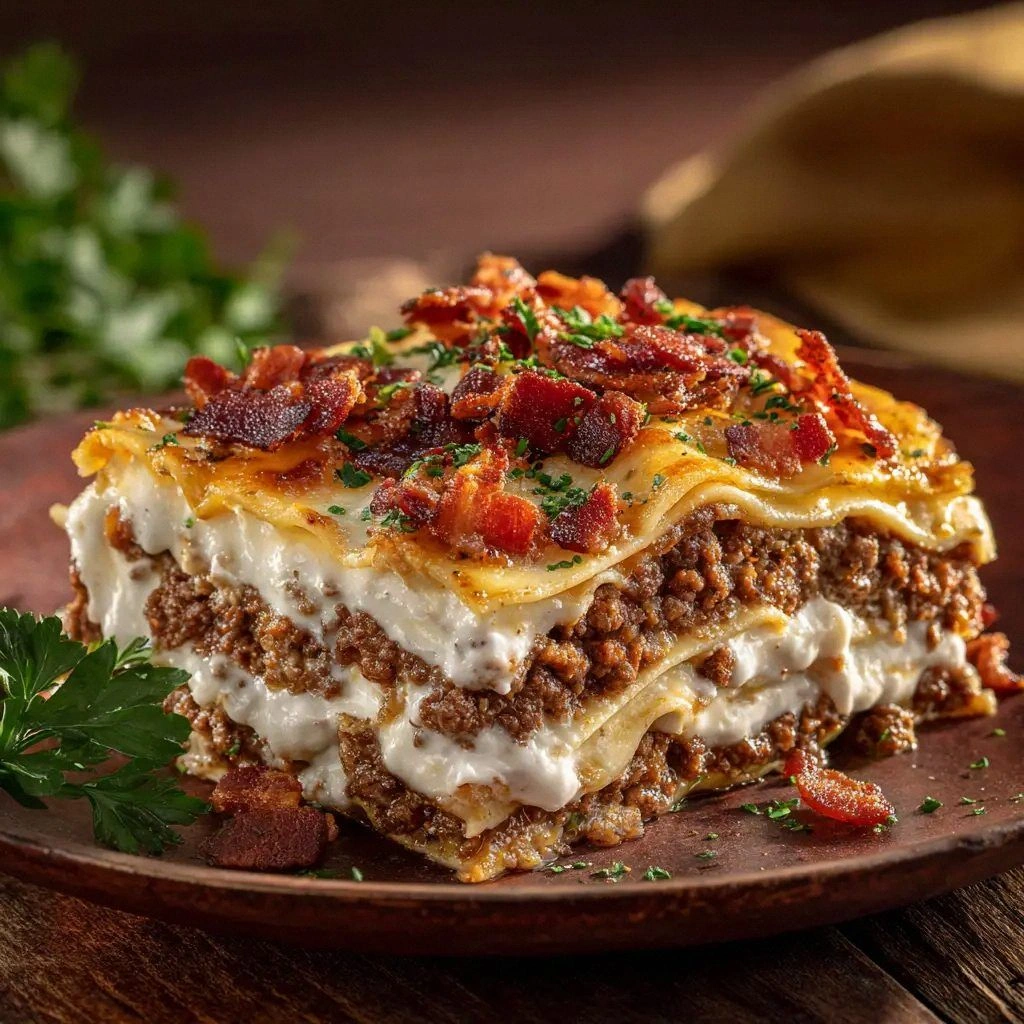
I was rummaging through the back of my fridge one Tuesday, when a stray packet of bacon and a half-dozen ground beef patties stared at me like culinary conspirators. The idea of turning that chaos into a dish that could double as a comfort food, a crowd‑pleaser, and a late‑night craving was almost too good to ignore. I imagined a lasagna that feels like a burger in every bite, with the smoky crunch of bacon and the gooey melt of cheddar that could make even the most disciplined eater break into a grin. The kitchen was already humming with the sizzle of onions and garlic, the scent of tomato sauce bubbling up like a promise of flavor. I knew right then that I was about to create a recipe that would become a staple on my menu and a legend among my friends.
Picture the moment the first layer of noodles slides into the pan, the sauce coating each sheet like a velvet blanket that promises richness. The bacon, crisped to a perfect amber, shatters like thin ice when you bite through it, releasing a burst of savory fat that lingers on the tongue. The ground beef, seasoned with a whisper of salt and pepper, browns to a deep mahogany, its juices mingling with the tomato‑mustard mixture that sings with a tangy sweetness. Meanwhile, the ricotta, folded with a beaten egg, creates a silky custard that balances the boldness of the other components. Together, these elements form a dish that feels both indulgent and wholesome, a paradox that will keep you coming back for seconds.
What sets this version apart from the countless lasagna recipes on the internet is the deliberate layering of textures and flavors that play off one another. The sauce is not just a base; it’s a character, thickened with ketchup and mustard, giving it a subtle sweetness that counters the acidity of the tomatoes. The bacon isn’t merely an accompaniment; it’s a structural component that provides crunch and a smoky backbone that anchors the dish. The ricotta and egg mixture adds a custard‑like richness that softens the sharpness of the cheeses, creating a harmony that melts in the mouth. Finally, the generous topping of shredded mozzarella and cheddar forms a golden crown that caramelizes to a crispy, buttery finish.
I dare you to taste this and not go back for seconds—because once you experience the symphony of flavors, the idea of a plain lasagna will seem like a distant memory. I’ll be honest—when I first plated this, I ate half the batch before anyone else even had a chance to try it. Most recipes get this completely wrong, focusing on either the meat or the cheese and neglecting the sauce’s role as the connective tissue. But here, the sauce is the glue that keeps everything together, and the bacon’s crispness adds a satisfying crunch that most lasagnas lack. Picture yourself pulling this out of the oven, the whole kitchen smelling incredible, the steam rising like a savory cloud that makes your taste buds tingle.
What Makes This Version Stand Out
- Flavor Depth: The sauce layers ketchup, mustard, and diced tomatoes to create a complex profile that balances sweet, tangy, and savory notes. This depth ensures each bite is more than just cheese and noodles. It invites your palate to explore subtle undertones that linger after you finish.
- Texture Harmony: Bacon is baked until it crisps to a golden crunch, while the noodles stay al dente, providing a satisfying contrast. The ricotta custard keeps the layers moist without becoming soggy, and the cheese melt delivers that classic gooey finish.
- Ingredient Quality: Using lean ground beef and fresh tomatoes means the dish stays flavorful without excess fat. The sharp cheddar adds a robust bite that complements the mild mozzarella.
- Time Efficiency: All the components can be prepped in under 20 minutes, and the baking takes just 45 minutes. This makes it a go‑to dinner for busy nights.
- Make‑Ahead Friendly: Assemble the lasagna a day early, cover tightly, and refrigerate. It will bake just as well the next day, making it ideal for meal prep.
- Visual Appeal: The layered look with a golden, bubbly top is Instagram‑ready. The contrast of dark bacon against bright cheese draws the eye.
Alright, let's break down exactly what goes into this masterpiece…
Inside the Ingredient List
The Flavor Base
Ground beef is the heart of this lasagna, offering a hearty, meaty foundation that pairs perfectly with the tomato‑mustard sauce. Choose a lean cut to avoid excess greasiness, and brown it until it’s a deep mahogany for maximum flavor. If you’re feeling adventurous, try adding a splash of Worcestershire sauce during browning for an umami boost. Skipping the beef would turn this into a vegetarian lasagna, but you’d lose that classic burger bite.
The Texture Crew
Bacon is not just a garnish; it’s a textural star. Bake it until it’s just shy of crisp, then let it cool on a rack so it retains its crunch. The noodles should be boiled to al dente—firm but not raw—so they don’t become mushy when layered. If you’re short on time, pre‑cooked or no‑boil noodles work, but you’ll need to add a little extra liquid to prevent dryness.
The Unexpected Star
Ricotta cheese, when mixed with a beaten egg, turns into a silky custard that softens the sharpness of the cheeses and keeps the lasagna moist. The egg also helps the ricotta set slightly during baking, giving the layers a firmer structure. If you can’t find ricotta, a blend of cottage cheese and a splash of milk can mimic the texture. A pinch of nutmeg can also add a subtle warmth to the ricotta mixture.
The Final Flourish
Sharp cheddar and mozzarella bring the golden, bubbly top that everyone loves. Cheddar adds a robust bite, while mozzarella ensures that gooey melt. A light dusting of breadcrumbs on top before baking can give a slightly crunchy finish. If you prefer a dairy‑free version, try a blend of vegan cheeses that melt well.
Everything's prepped? Good. Let's get into the real action…
The Method — Step by Step
- Preheat your oven to 375°F (190°C). In a large skillet, cook the bacon over medium heat until it’s just starting to crisp, then remove and set aside on a paper‑towel line. The bacon fat will be used later to sauté the onions and garlic. Once the bacon is done, drain any excess fat, leaving just enough to keep the meat from drying out. This step ensures the bacon remains crunchy and flavorful.
- In the same skillet, add the ground beef, breaking it apart with a wooden spoon. Cook until browned, about 5–7 minutes, then season with salt, pepper, and a pinch of smoked paprika for depth. Stir in the diced onion and minced garlic, sautéing until the onion turns translucent and fragrant. The combination of meat, onion, and garlic forms the aromatic base that will carry the sauce. Don’t rush this step; the flavors need time to meld.
- Stir in the ketchup and yellow mustard, letting the mixture simmer for 2 minutes to blend the flavors. Then pour in the diced tomatoes, breaking them up with a spoon. Allow the sauce to cook for an additional 5 minutes, letting the tomatoes reduce slightly. The sauce should thicken to a pourable consistency; if it’s too thick, add a splash of water or broth. This step creates a sauce that coats the noodles like velvet.
- While the sauce simmers, whisk the ricotta cheese with the beaten egg and a pinch of salt in a bowl. The egg not only binds the ricotta but also gives the layers a silky, custard texture that keeps the lasagna from drying out. If you’re using a substitute, ensure it’s creamy enough to hold together. Keep the ricotta mixture chilled until ready to layer.
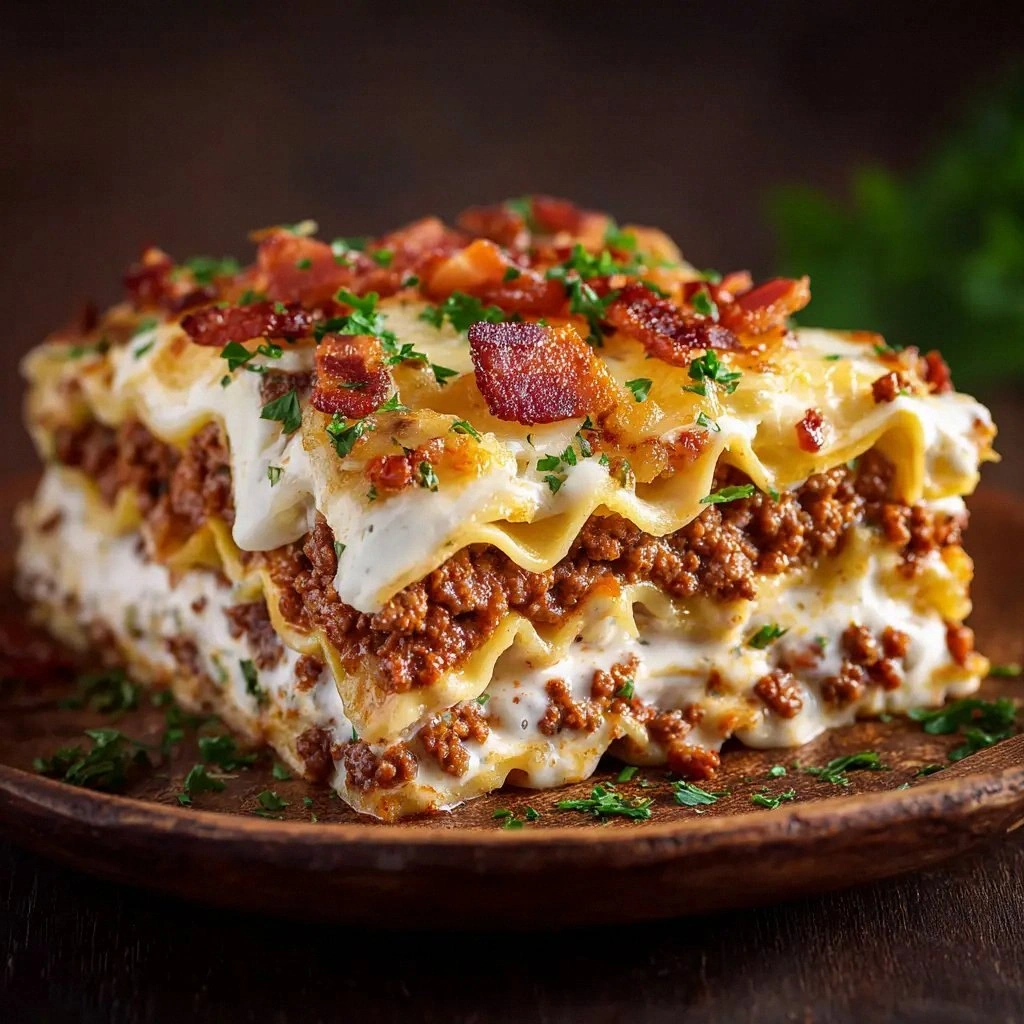
- Arrange a layer of cooked lasagna noodles at the bottom of a 9x13 inch baking dish. Spread a thin layer of the meat sauce over the noodles, then dollop spoonfuls of the ricotta mixture. Sprinkle a handful of shredded cheddar and mozzarella over the ricotta. Repeat the layering process—noodles, sauce, ricotta, cheese—until all components are used, finishing with a generous layer of cheese on top. The top layer should be about one cup thick for a golden crust.
- Cover the baking dish with foil and bake for 25 minutes. After 25 minutes, remove the foil and bake for an additional 10–15 minutes, or until the cheese is melted, bubbly, and a deep golden brown. The foil prevents the top from burning while allowing the layers to steam and meld. If you prefer a crispier top, leave the dish uncovered for the last 5 minutes.
- Let the lasagna rest for 10 minutes after removing it from the oven. This resting period allows the layers to set, making it easier to cut clean slices. While it rests, you can prepare a simple side salad or garlic bread to complement the richness of the dish. Serve hot, and watch the steam rise like a savory cloud.
That's it — you did it. But hold on, I've got a few more tricks that'll take this to another level…
Insider Tricks for Flawless Results
The Temperature Rule Nobody Follows
Many cooks bake lasagna at 350°F, but 375°F is the sweet spot for a golden crust and a moist interior. The higher temperature ensures the cheese melts quickly, creating that desirable bubbly surface. If you’re baking in a convection oven, reduce the temperature by 25°F to avoid over‑browning.
Why Your Nose Knows Best
The aroma of sizzling bacon and caramelizing onions is a reliable indicator that the meat is cooked to perfection. If the scent is too sharp, the bacon may be over‑cooked; if it’s faint, give it a few more minutes. Trust your nose—your palate will thank you.
The 5-Minute Rest That Changes Everything
Letting the lasagna rest for 10 minutes is not just a formality; it allows the heat to redistribute, ensuring each slice has the same moisture level. Skipping the rest can result in a lumpy, uneven bite. A short rest also gives the ricotta custard time to set, making the lasagna easier to serve.
Layering Like a Pro
Start with a thin layer of sauce on the bottom to prevent the noodles from sticking to the pan. Then place noodles, sauce, ricotta, and cheese in that order. This sequence ensures that the cheese melts evenly and the noodles stay hydrated.
Bacon Prep Trick
Cut bacon into smaller strips before baking. Smaller pieces crisp faster and spread their flavor more evenly throughout the dish. If you prefer a chunkier texture, leave the strips whole and let them break down during baking.
Creative Twists and Variations
This recipe is a playground. Here are some of my favorite ways to switch things up:
Spicy Jalapeño Kick
Add diced jalapeños to the sauce for a fiery punch that pairs wonderfully with the smoky bacon. The heat will contrast with the creamy ricotta, creating a layered flavor experience. Serve with a side of cool ranch dip to balance the spice.
Mushroom and Truffle Oil
Sauté sliced mushrooms with garlic before adding them to the meat sauce. A drizzle of truffle oil after baking adds an earthy aroma that elevates the dish to gourmet status. The mushrooms also absorb the sauce, adding a meaty texture without extra fat.
Pesto Power
Replace half of the tomato sauce with basil pesto for a fresh, herbaceous twist. The pesto will infuse the noodles with bright green color and a peppery undertone. Pair with a simple arugula salad for a balanced meal.
Cheese Swap
Swap the sharp cheddar for gouda and the mozzarella for provolone for a milder, meltier profile. Gouda’s caramel notes complement the bacon, while provolone provides a smooth melt. This variation is ideal for those who prefer a less sharp cheese.
Vegan Version
Use plant‑based ground beef, vegan bacon, and a dairy‑free ricotta alternative. Replace the eggs with a flaxseed mixture to bind the ricotta. The result is a hearty, cruelty‑free lasagna that still delivers the burger‑like satisfaction.
Storing and Bringing It Back to Life
Fridge Storage
Cover the lasagna tightly with aluminum foil or plastic wrap and store in the refrigerator for up to 4 days. The layers will keep their texture, and the cheese remains creamy. When reheating, add a splash of milk or broth to prevent drying.
Freezer Friendly
Wrap the lasagna in foil and place it in a freezer bag. It stays good for up to 3 months. Thaw overnight in the refrigerator before reheating to maintain moisture. This is perfect for busy weeknights or meal‑prep enthusiasts.
Best Reheating Method
Reheat in the oven at 350°F (175°C) for 20 minutes, covering with foil to keep the top from burning. A quick splash of water or broth before reheating steams the lasagna, restoring its original moistness. Serve hot with a sprinkle of fresh parsley for a pop of color.