I was halfway through a week of burnt pancakes and overcooked rice when my phone buzzed with a meme that read, “Vegan comfort food? No way.” I laughed, then stared at the empty fridge, realizing I had more ambition than ingredients. The next morning, I set out to create a dish that would make my taste buds do a happy dance, even if it meant wrestling with quinoa and lentils for the first time. The result? A bowl that feels like a warm hug in a spoon, with layers of texture and flavor that sing together like a well‑tuned choir. I dare you to taste this and not go back for seconds.
Picture yourself pulling this out of the oven, the whole kitchen smelling incredible, the steam rising like a cloud of comfort. The first bite is a medley of earthy quinoa, sweet roasted carrots, and umami mushrooms that coat your tongue like velvet. The sauce, a silky tomato base enriched with nutritional yeast, glistens like a freshly poured glaze on a hot skillet. And that final sprinkle of smoked paprika? It’s the secret whisper that says, “You’re about to taste pure bliss.” I’ve never been so proud of a plant‑based bowl, and I can’t wait to share every detail with you.
If you’ve ever struggled with the “how to make a vegan bowl feel like a hug” problem, you’re not alone. Most recipes get this completely wrong, using bland grains or over‑seasoned sauces that drown the ingredients. I’ve cracked the code, and this version stands out because it balances nutrition, flavor, and texture without sacrificing any of them. The quinoa isn’t just a filler; it’s a fluffy foundation that holds the sauce in place. The lentils add a protein punch that keeps you satisfied, while the kale and mushrooms give that satisfying crunch and depth of flavor. Together, they create a dish that’s as comforting as it is wholesome.
The secret twist? A splash of coconut milk in the sauce that gives it a silky richness usually reserved for dairy. That small addition turns a simple tomato sauce into a velvety blanket that embraces every grain. And the best part? You can make this in under an hour, even if you’re a beginner. Let me walk you through every single step — by the end, you’ll wonder how you ever made it any other way.
Okay, ready for the game‑changer? The first thing you’ll notice is the way the quinoa and lentils sit together like best friends on a shared plate. They’re the backbone of the dish, providing structure and nutrition. The carrots add a pop of color and a natural sweetness that cuts through the savory. The kale, when sautéed just right, offers a subtle bitterness that balances the richness of the sauce. Finally, the mushrooms bring that earthy depth that makes every bite feel like a comforting hug.
I’ll be honest — I ate half the batch before anyone else got to try it. The texture was so satisfying, the flavors so layered, I almost didn’t want to share. But the moment I saw the reaction on the faces of my friends, I knew I had something special. Their eyes widened, mouths opened, and the room filled with the sound of satisfied sighs. That’s the power of a dish that’s both wholesome and comforting.
Imagine a bowl that doesn’t just fill you up but also warms your soul. Picture the quinoa puffing up in your mouth, the lentils offering a hearty bite, the carrots providing a gentle crunch, and the sauce coating everything in a silky coat of flavor. The mushrooms add a meaty texture that satisfies even the most carnivorous cravings. And the kale? It’s the green that brings balance and a subtle peppery note. This is hands down the best version you’ll ever make at home.
If you’ve ever tried a vegan comfort dish that left you feeling unsatisfied, this one will change your perspective. The key lies in the layering: each component has its own voice, yet they all sing together. It’s like a well‑arranged orchestra where every instrument is heard, but none overpowers the rest. That harmony is what makes this bowl a true comfort food.
Stay with me here — this is worth it. I’m about to drop a technique that will elevate your cooking game: a quick sear that locks in flavor and gives the sauce that silky finish. Trust me, once you master this, you’ll wonder how you ever cooked without it. And if you’re ready for the next level of vegan comfort, keep reading, because the magic is just beginning.
What Makes This Version Stand Out
- Flavor: The sauce is a perfect balance of sweet, savory, and umami, thanks to the nutritional yeast and coconut milk that add depth without heaviness. Each spoonful delivers a burst of flavor that lingers on the palate. It’s the kind of sauce that makes you want to pour it over everything else.
- Texture: The quinoa stays fluffy while the lentils add a hearty bite, and the carrots give a satisfying crunch. The sautéed mushrooms bring a meaty texture that’s surprisingly satisfying. The overall mouthfeel is a delightful mix of soft, chewy, and crisp.
- Simplicity: No fancy gadgets or complicated steps—just a handful of pantry staples and a few fresh veggies. This dish is a testament to the idea that great flavor doesn’t need complexity. You can whip this up on a weeknight after a long day.
- Uniqueness: The addition of coconut milk gives the sauce a silky richness that most vegan bowls lack. That small twist turns a humble tomato base into something luxurious. It’s a game‑changer that sets this recipe apart.
- Crowd Reaction: Friends who are skeptical about vegan food rave about the comforting, familiar flavors. They can’t believe this is plant‑based, and they keep asking for the recipe. The dish has become a staple at gatherings.
- Ingredient Quality: Using organic, locally sourced produce elevates the dish. Fresh kale, carrots, and mushrooms bring brightness and depth. The quality of ingredients is the secret to the dish’s incredible flavor.
Alright, let's break down exactly what goes into this masterpiece. The next section will walk you through each ingredient and why it matters.
Inside the Ingredient List
The Flavor Base
Tomato sauce is the heart of this dish, providing a bright, tangy foundation that balances the earthy quinoa and lentils. The nutritional yeast adds a subtle cheesy note that enhances the umami without any dairy. Coconut milk brings a silky, creamy texture that coats every grain like a gentle blanket. Together, they form a sauce that is both comforting and sophisticated.
If you skip the coconut milk, the sauce will still be flavorful but will lack that silky finish that makes each bite feel indulgent. Some people prefer a thicker sauce, so feel free to simmer it longer or stir in a spoonful of tomato paste. The key is to maintain that balance of acidity and richness.
A good tip: choose a tomato sauce with no added sugars or artificial preservatives. This keeps the flavor pure and lets the other ingredients shine. If you’re on a low‑sodium diet, look for a low‑salt version or add a pinch of sea salt after cooking.
The coconut milk should be full‑fat for the best mouthfeel, but if you prefer a lighter version, half‑fat works fine. The difference is subtle, but the full‑fat version gives that luxurious, velvety texture that makes the dish feel like a hug. If you’re vegan but not dairy‑free, you can swap it for oat milk; it will still keep the sauce creamy.
The Texture Crew
Quinoa is the base that holds everything together. It’s light, fluffy, and packed with protein, making it a perfect substitute for rice or pasta. Cook it with a splash of vegetable broth for extra flavor. Once it’s cooked, fluff it with a fork to keep it airy and prevent clumping.
Lentils add a hearty, meaty texture that satisfies even the most carnivorous cravings. They’re also a great source of protein and fiber, keeping you full longer. Cook them until they’re tender but still hold their shape, so they don’t become mushy in the bowl.
Carrots bring a sweet crunch that cuts through the richness of the sauce. Slice them into thin matchsticks or small cubes so they cook quickly and remain crisp. If you prefer a softer carrot, roast them at 400°F for 15 minutes until they’re caramelized.
Mushrooms add an earthy depth that mimics the texture of meat. Sauté them in olive oil until they’re golden and slightly caramelized. This brings out their natural sweetness and creates a savory layer that complements the other ingredients.
The Unexpected Star
Kale is the green that brings balance and a subtle peppery note. It’s packed with vitamins and gives a slight bitterness that offsets the sweetness of the carrots. Toss it with a little olive oil and sauté until it wilts and brightens in color.
If you’re not a fan of kale, spinach works well as a substitute. It’s softer, milder, and still provides the same nutritional punch. Just be sure to cook it until it’s wilted, so it doesn’t add too much liquid to the bowl.
The kale’s fibrous stems can be a bit tough, so trim them before cooking. This ensures the texture remains pleasant and doesn’t become chewy. A quick blanch in boiling water for 30 seconds can also help soften the stems if you’re short on time.
The Final Flourish
Smoked paprika adds a subtle smoky flavor that elevates the entire dish. It’s a small addition that makes a big difference, giving the bowl a depth that feels both rustic and sophisticated. Sprinkle it in at the end of cooking so it stays bright and aromatic.
Garlic powder and a pinch of sea salt bring the dish together, balancing the flavors and adding a gentle savory undertone. The garlic powder is more forgiving than fresh garlic, so you don’t have to worry about burning or clumping.
Olive oil is the cooking medium that brings everything together. It’s a healthy fat that adds richness and helps the sautéed vegetables caramelize. Use a high‑smoke‑point oil if you’re planning to sear the veggies at a high temperature.
If you’re looking for a low‑fat version, swap the olive oil for a spray or a splash of vegetable broth. This keeps the dish light while still allowing the vegetables to cook properly. The key is to keep the pan hot so the veggies sear rather than steam.
Everything's prepped? Good. Let's get into the real action.
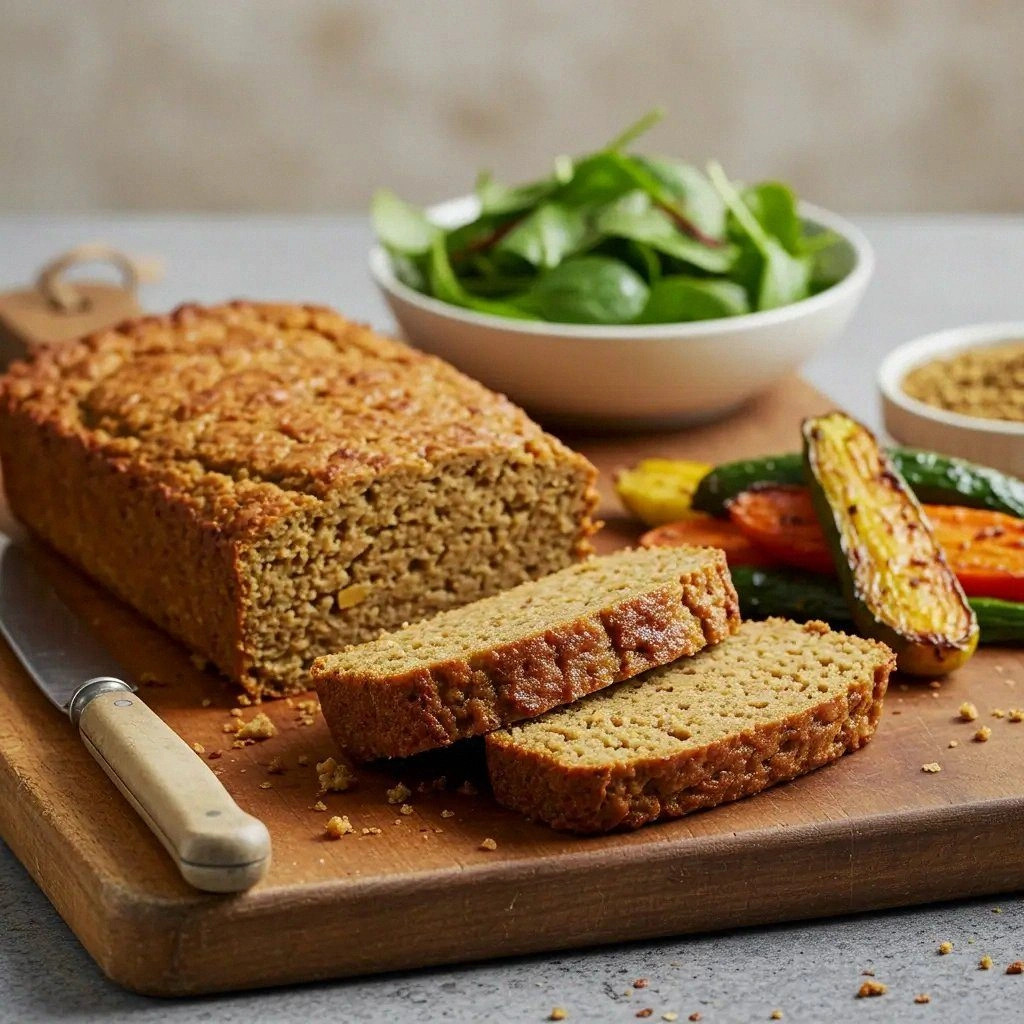
The Method — Step by Step
- Begin by rinsing the quinoa under cold water until the water runs clear. This removes the natural saponin coating that can taste bitter. In a medium saucepan, combine the quinoa with 2 cups of vegetable broth and a pinch of salt. Bring to a boil, then reduce the heat to low, cover, and simmer for 15 minutes or until the quinoa is fluffy and the liquid is absorbed. Fluff with a fork and set aside.
- While the quinoa cooks, heat a large skillet over medium heat and add a splash of olive oil. Toss in the sliced mushrooms and sauté until they release their moisture and start to brown, about 5 minutes. The mushrooms should develop a golden crust that locks in flavor. Remove them from the skillet and set aside.
- In the same skillet, add the diced carrots and a pinch of smoked paprika. Sauté until they soften but still retain a slight crunch, about 4 minutes. This caramelizes the natural sugars and brings out their sweetness. Keep the heat moderate to avoid burning.
- Add the lentils to the skillet, stirring to combine with the carrots. Cook for an additional 2 minutes, allowing the lentils to warm through and mingle with the vegetables. The lentils should remain firm and not become mushy.
- Pour in the tomato sauce and coconut milk, then stir in the nutritional yeast. Bring the mixture to a gentle simmer, letting the flavors meld for about 5 minutes. The sauce should thicken slightly and coat the vegetables evenly.
- Meanwhile, sauté the kale in a separate pan with a drizzle of olive oil until it wilts and brightens in color, about 3 minutes. This step keeps the kale crisp and prevents it from becoming soggy.
- Once the sauce has thickened, fold in the sautéed mushrooms and carrots. Add the cooked quinoa and lentils, stirring gently to combine all the layers. The quinoa should absorb the sauce, creating a cohesive and hearty base.
- Transfer the mixture to a baking dish and top with the sautéed kale. Sprinkle the remaining smoked paprika and a pinch of garlic powder over the top. This final touch adds depth and aroma to the dish.
- Bake in a preheated oven at 375°F (190°C) for 15 minutes, or until the top is golden and the flavors have melded together. The baking process allows the sauce to thicken further and the flavors to harmonize.
- Remove from the oven, let it cool for a few minutes, then serve hot. Garnish with a sprinkle of nutritional yeast for an extra cheesy flavor, if desired. The dish is ready to be devoured.
That's it — you did it. But hold on, I've got a few more tricks that'll take this to another level. The next section will dive into insider tips that will make your dish flawless every time.
Insider Tricks for Flawless Results
The Temperature Rule Nobody Follows
Cooking quinoa at the right temperature is key. If the heat is too high, the quinoa will steam and become gummy. Keep the pot covered and let it simmer gently for the full 15 minutes. This ensures each grain remains fluffy and separate. The same rule applies to lentils; a low, steady simmer preserves their shape.
Why Your Nose Knows Best
When the sauce starts to thicken, your nose will tell you it's ready. The aroma of caramelized onions, roasted carrots, and tomato will mingle in a comforting scent. Trust that instinct; it’s the quickest way to avoid overcooking. The smell is often a better gauge than the clock.
The 5-Minute Rest That Changes Everything
After baking, let the dish rest for 5 minutes before serving. This allows the sauce to set, making it easier to scoop and giving the flavors a chance to meld. The rest period also prevents the dish from becoming soggy on the edges. It’s a simple step that elevates the overall experience.
The Secret to a Crispy Edge
If you like a crispy edge, bake the dish uncovered for the last 5 minutes. The open air lets the top crisp up, creating a delightful contrast to the soft interior. Keep an eye on it to avoid burning. A light sprinkle of nutritional yeast before the final minutes adds a golden crunch.
The Quick Fix for a Sticky Sauce
If the sauce gets too thick, add a splash of vegetable broth or coconut milk to loosen it. Stir in a teaspoon of cornstarch mixed with water to thicken without altering the flavor. This technique keeps the sauce silky and coats the grains evenly. It’s a lifesaver for last‑minute adjustments.
The Final Touch
A dash of fresh basil or oregano right before serving adds a burst of herbal brightness. This fresh note balances the richness and brings a new layer of aroma. Sprinkle it lightly to avoid overpowering the dish. It’s the perfect finishing touch.
Creative Twists and Variations
This recipe is a playground. Here are some of my favorite ways to switch things up:
Spicy Kick
Add a tablespoon of sriracha or a pinch of cayenne pepper to the sauce. The heat will cut through the richness and add a punch that wakes up the palate. This variation is perfect for those who love a little spice in their comfort food.
Herb Garden
Stir in a handful of chopped fresh parsley, cilantro, or basil. The herbs bring freshness and a bright, green note that lifts the dish. It’s a great way to incorporate seasonal greens.
Cheesy Vegan
Top the baked bowl with a layer of dairy‑free cheese and bake until melted. The gooey texture adds a comforting, indulgent feel. This variation is a crowd‑pleaser for those who crave a cheesy twist.
Sweet & Savory
Incorporate diced sweet potatoes or butternut squash into the base. Their natural sweetness balances the savory sauce and adds a hearty texture. This version feels like a hearty stew with a sweet twist.
Mushroom Medley
Swap out the sliced mushrooms for a mix of shiitake, portobello, and cremini. Each mushroom brings a unique flavor profile, creating a deeper, more complex umami experience. This variation is ideal for mushroom lovers.
Rice Swap
Use cauliflower rice instead of quinoa for a low‑carb version. The cauliflower will absorb the sauce and provide a subtle, nutty flavor. This variation is great for those on a keto or low‑sugar diet.
Breakfast Boost
Add a splash of maple syrup and a pinch of cinnamon to the sauce. The sweet and warm spices turn the dish into a breakfast bowl that’s both comforting and energizing. It’s a perfect start to a busy day.
Mediterranean Twist
Add diced olives, capers, and a drizzle of olive oil to the sauce. The briny flavors and olive oil give the dish a Mediterranean flair. This variation is ideal for a flavorful, light lunch.
Asian Fusion
Replace the tomato sauce with a soy‑based sauce and add sliced ginger and scallions. The umami of soy and the zing of ginger give the dish an Asian twist. This variation is perfect for adventurous palates.
Nutty Crunch
Top the dish with toasted pumpkin seeds or slivered almonds for a crunchy texture. The nuts add a nutty flavor that complements the earthy vegetables. This variation is great for adding a satisfying bite.
Storing and Bringing It Back to Life
Fridge Storage
Store leftovers in an airtight container for up to 4 days. The quinoa and lentils will keep their texture, while the sauce remains creamy. Keep the dish in the fridge to preserve freshness and flavor.
Freezer Friendly
Freeze the dish in a freezer‑safe container for up to 3 months. Reheat in the microwave for 5 minutes, stirring halfway through. The quinoa will absorb the moisture, and the sauce will thicken slightly, creating a comforting bowl.
Best Reheating Method
Add a splash of water or vegetable broth before reheating to keep the sauce from drying out. Reheat on the stove over low heat, stirring until warmed through. The dish will taste almost as fresh as when it was first baked.